Source Laboratory Ore Sample Divider for mining, soil, and lab use
Compare 30 Laboratory Ore Sample Divider options from verified suppliers. Buyers can evaluate specifications, prices, and customization features for mining, soil, and laboratory applications.
Key considerations
Products List


Factory Direct Sale Mining Machinery Laboratory Sample Divider Separator
$1200.00 - $2000.00
MOQ: 1 Pieces


Lab Dividing Machine Rotary Powder Ore Sample Divider Mineral Separator Laboratory for Separating
$2000.00 - $10000.00
MOQ: 1 Pieces

Laboratory Mineral Dividing Rotary Powder Sample Divider Separator Separating Machine
$2000.00 - $10000.00
MOQ: 1 Pieces

Lab Dividing Machine Rotary Ore Powder Divider Mineral Separator Laboratory for Sample Preparation
$2000.00 - $10000.00
MOQ: 1 Pieces

Laboratory Dividing Machine Rotary Powder Sample Divider Mineral Separator in Lab
$2000.00 - $10000.00
MOQ: 1 Pieces

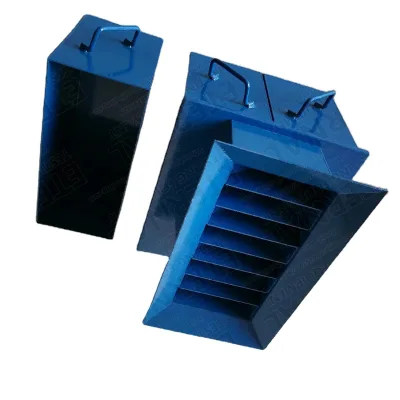
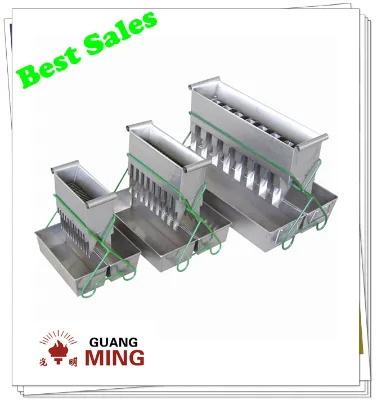
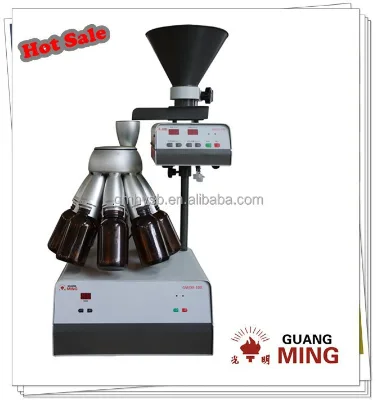
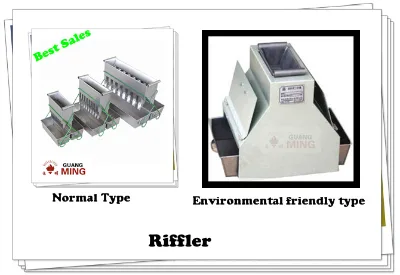


Laboratory Automatic Rotary Sample Divider for Representative Sample
$3170.00 - $11900.00
MOQ: 1 Pieces

Lab Dividing Machine Rotary Powder Sample Divider Mineral Separator
$5100.00 - $11000.00
MOQ: 1 Pieces


Comprehensive Sourcing Guide
Strategic Sourcing Guide for Laboratory Ore Sample Dividers
Understanding Core Technical Specifications and Operational Parameters
When sourcing a Laboratory Ore Sample Divider, the primary objective is to secure equipment that ensures representative sample reduction without introducing significant bias or error. The market offers various configurations, but the technical specifications must align precisely with the laboratory's throughput requirements and sample characteristics. Based on current industry offerings, buyers should prioritize machines that support specific feeding granularities, typically ranging from 0 to 0.5 mm for fine ore samples. This constraint is critical because the divider's internal mechanisms, such as riffles or chutes, are designed to handle specific particle sizes to prevent segregation or blockage.
The operational capacity of the divider is another fundamental specification. Units are often rated by their flow rate, with observed capacities reaching up to 2 liters per minute in certain high-efficiency models. The container capacity for holding the divided sample is equally important; standard units typically accommodate volumes up to 4 liters, ensuring that the laboratory can process a full batch before needing to empty the collection vessel. Buyers must also evaluate the motor specifications, as the power consumption directly impacts energy efficiency and operational noise. Common configurations include a stirring motor power of 120W and a divider motor power of 90W, which suggests a semi-automatic or fully automatic performance profile depending on the model.
Voltage requirements vary significantly by region and intended application. While some units operate on standard 220V power supplies suitable for general laboratory environments, others designed for industrial or heavy-duty mining applications may require 380V three-phase power. This distinction is vital for procurement planning, as it dictates the necessary electrical infrastructure upgrades at the facility. Furthermore, the working type of the machine, whether manual operation or automated, influences the labor cost and consistency of the division process. Automated units often feature pointer displays for monitoring status, whereas manual units rely on operator intervention for the entire cycle.
Compliance, Certification, and Standardization Verification
Ensuring that a Laboratory Ore Sample Divider meets international safety and quality standards is a non-negotiable aspect of the procurement process. The most prevalent certification observed in the sector is ISO9001, which indicates that the manufacturer adheres to a quality management system capable of consistently providing products that meet customer and regulatory requirements. Additionally, the CE marking is a critical compliance indicator for products entering the European market, signifying conformity with health, safety, and environmental protection standards. Buyers should explicitly verify the presence of these certifications on the product datasheet and request valid certificates from the supplier to avoid purchasing non-compliant equipment.
Standardization extends beyond certifications to the physical dimensions and construction materials of the divider. The boundary dimensions of the equipment are a key logistical factor; typical units measure approximately 550mm in width, 420mm in depth, and 1260mm in height, though some models may vary to 800mm in width. These dimensions determine the floor space required in the laboratory and the compatibility with existing workstations. The material composition is equally significant, with stainless steel being the preferred choice for durability and corrosion resistance, especially when handling wet samples or acidic ores. This material ensures that the equipment maintains its structural integrity and hygiene over long-term use.
Packaging standards are also part of the compliance and logistical verification process. To prevent damage during transit, particularly for heavy machinery, suppliers typically utilize wooden cases or plywood cases. Some manufacturers offer custom packing requests, which can be essential for specialized shipping requirements or to meet specific import regulations of the destination country. Buyers should confirm that the packaging includes adequate bracing and moisture protection to safeguard the precision components of the divider during the journey from the origin, which is predominantly China, to the final destination.
Cost Drivers and Financial Considerations in Procurement
The financial landscape of sourcing a Laboratory Ore Sample Divider is influenced by a complex array of variables, ranging from raw material costs to logistical expenses. The observed price range in the market is substantial, spanning from approximately $75 to $15,550. This wide disparity is not indicative of a single product category but rather reflects the diversity in functionality, automation level, and build quality. Lower-cost units are typically manual or semi-automatic models with basic stainless steel construction, suitable for small-scale sampling or educational purposes. In contrast, high-end units command premium prices due to advanced features such as semi-automatic performance, precise relative error rates of 2% or less, and integrated motor systems for consistent operation.
Customization is a significant cost driver in this sector. Many suppliers offer customization options, allowing buyers to tailor the machine to specific application needs, such as adjusting the separation ratio or modifying the feeding density. The ability to customize the product often adds to the base cost but ensures that the equipment fits the exact workflow of the laboratory. Additionally, the warranty terms, typically offered for a period of one year, can influence the total cost of ownership. A longer warranty or more comprehensive coverage may increase the initial purchase price but reduces the risk of future repair costs.
Payment terms and shipping methods also play a role in the overall financial planning. Suppliers generally accept a variety of payment methods, including T/T (Telegraphic Transfer), PayPal, Credit Cards, and Western Union, providing flexibility for international transactions. Shipping costs can vary dramatically depending on the chosen method, with options ranging from sea freight to express couriers like DHL, FedEx, UPS, TNT, and EMS. For heavy equipment, sea freight is often the most economical choice, while urgent deliveries may necessitate air freight, significantly impacting the final landed cost. Buyers must factor in these logistical expenses when calculating the total budget for the procurement.
Typical Applications and Functional Versatility
Laboratory ore sample dividers are designed to serve a broad spectrum of applications within the mining, geological, and environmental sectors. The primary function of these devices is to perform pulp equivalent division and wet sample division, ensuring that the reduced sample remains representative of the original bulk material. This capability is essential for accurate assay results, which drive critical decisions in ore processing and resource estimation. The equipment is specifically tailored for applications involving ore and soil sample preparation, making it a versatile tool for various geological investigations.
The feeding density and granularity capabilities of the divider determine its suitability for different sample types. Units are often rated for feeding densities between 5% and 50%, allowing them to handle both dry and wet samples effectively. The feeding granularity of 0-0.5 mm indicates that these machines are optimized for fine materials, which is common in laboratory preparation where samples are ground down to a fine powder before analysis. The relative error in weight, typically kept at or below 2%, ensures that the division process maintains high accuracy, which is crucial for compliance with industry standards.
Furthermore, the environment in which the divider operates is a key consideration. Most units are designed for normal pressure and temperature conditions, making them suitable for standard laboratory environments. However, the ability to handle liquid samples, as indicated by specific product attributes, expands their utility to applications involving slurry or wet processing. The features of easy operation and high efficiency are particularly valuable in high-throughput laboratories where time is a critical factor. Whether the application involves manual operation for small batches or semi-automatic performance for larger volumes, the sample divider serves as a cornerstone of accurate sample preparation.
Supplier Evaluation and Quality Assurance Protocols
Selecting a reliable supplier for laboratory ore sample dividers requires a rigorous evaluation process that goes beyond price comparisons. Buyers should prioritize suppliers who demonstrate a commitment to quality through certifications like ISO9001 and CE, as these indicate a structured approach to manufacturing and quality control. The supplier's origin, typically China for this category of equipment, should be verified to ensure that the manufacturing facilities meet international standards. It is also essential to assess the supplier's ability to provide customization, as this often reflects their technical capability and flexibility in meeting specific client needs.
Quality assurance protocols should be a central part of the supplier evaluation. Buyers must inquire about the testing procedures used to verify the relative error in weight and the feeding granularity capabilities of the equipment. While specific test results may not be publicly available, the supplier should be able to provide documentation or case studies that demonstrate the performance of their units. The warranty period, typically one year, is another indicator of the supplier's confidence in their product. A robust warranty suggests that the manufacturer stands behind the durability and reliability of their equipment.
Logistical capabilities are also a critical factor in supplier selection. The shipping methods offered, such as sea freight or express couriers, should align with the buyer's timeline and budget. The supplier's ability to handle custom packing requests, such as wooden cases or plywood cases, ensures that the equipment arrives in pristine condition. Additionally, the payment terms provided, including options like T/T, PayPal, and Credit Cards, should be secure and convenient for the buyer. By thoroughly evaluating these aspects, buyers can mitigate the risks associated with international procurement and ensure a successful acquisition of high-quality laboratory equipment.
Long-Term Procurement and Maintenance Strategies
Sourcing a Laboratory Ore Sample Divider is not merely a one-time transaction but the beginning of a long-term relationship with the equipment and the supplier. To maximize the return on investment, buyers should develop a comprehensive maintenance strategy that includes regular inspections, cleaning, and calibration. The stainless steel construction of the divider requires periodic cleaning to prevent residue buildup, which can affect the accuracy of the division process. The motor components, with their specific power ratings, should be monitored for signs of wear or overheating to prevent unexpected downtime.
The availability of spare parts and technical support is a crucial consideration for long-term procurement. Buyers should verify that the supplier offers a steady supply of replacement parts, such as motors, chutes, or control panels, to ensure that the equipment can be repaired quickly in the event of a malfunction. The customization options available at the time of purchase can also impact long-term maintenance, as custom parts may be more difficult to source later. Therefore, it is advisable to standardize the equipment specifications to ensure compatibility with readily available components.
Furthermore, the training of laboratory personnel is essential for the efficient operation of the sample divider. The features of easy operation and high efficiency are only realized when the staff is well-trained in the correct procedures for feeding, dividing, and cleaning the equipment. Regular training sessions and the availability of user manuals can help maintain high operational standards. By adopting a proactive approach to maintenance and training, laboratories can extend the lifespan of their sample dividers and ensure consistent, accurate results for years to come.
FAQs
What certifications do laboratory ore sample dividers typically have?
Most units carry ISO9001 and CE certifications to ensure quality and safety compliance. Buyers should verify these marks on the datasheet to confirm the manufacturer adheres to international standards for manufacturing and product safety.
How is the feeding granularity specified for these dividers?
The equipment is designed to handle feeding granularities ranging from 0 to 0.5 mm. This specific constraint ensures the internal mechanisms process fine ore samples without causing segregation or blockage during the division cycle.
Can these machines operate on different voltage standards?
Yes, models are available for both 220V and 380V power supplies depending on the application. Procurement planning must account for this difference to ensure the facility has the correct electrical infrastructure for the selected unit.
What is the typical relative error in weight for sample division?
The relative error in weight is typically kept at or below 2 percent for accurate results. This high level of precision ensures the reduced sample remains representative of the original bulk material for reliable assay outcomes.
Which materials are used to construct the divider body?
Stainless steel is the preferred material for durability and corrosion resistance during wet sample processing. This construction ensures the equipment maintains structural integrity and hygiene over long-term use in laboratory environments.
What is the standard container capacity for holding divided samples?
Standard units typically accommodate container capacities up to 4 liters for holding divided samples. This volume allows laboratories to process a full batch before needing to empty the collection vessel for the next cycle.
How are these units typically packaged for international shipping?
Suppliers typically utilize wooden cases or plywood cases to prevent damage during transit. Some manufacturers also offer custom packing requests to meet specific import regulations or specialized shipping requirements for the destination country.