Source Laboratory Petroleum Density Tester for labs, refineries, and quality control
Find 30 models of Laboratory Petroleum Density Tester with varying capacities and control systems. Buyers can compare specifications like measurement range, temperature control, and power requirements to select the right equipment for testing petroleum products.
Key considerations
Products List

Laboratory Digital Display Crude Petroleum Products Density Tester for Liquids
$1000.00 - $3000.00
MOQ: 1 Pieces


Laboratory Equipment Oil Density Tester/Density Analyzer GB/T 1884-2000
$1000.00 - $4000.00
MOQ: 1 Pieces


$1600.00 - $1900.00
MOQ: 1 Sets


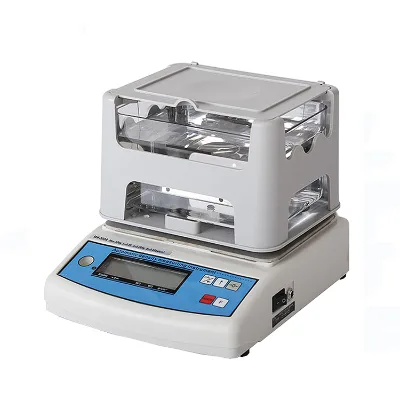


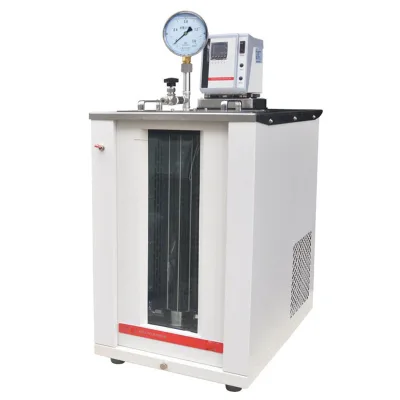
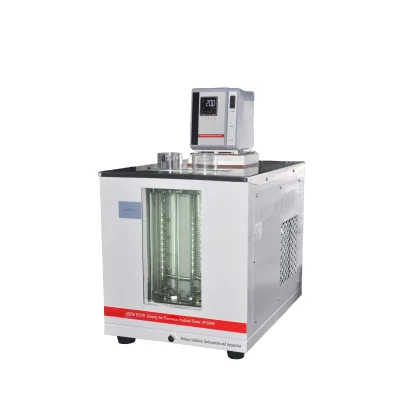


ASTM D1298 Crude Oil Density Tester Liquid API Gravity Relative Density Tester
$300.00 - $3000.00
MOQ: 1 Pieces
Comprehensive Sourcing Guide
Strategic Sourcing Guide for Laboratory Petroleum Density Testers
Selecting the appropriate Laboratory Petroleum Density Tester requires a disciplined approach that balances technical precision with operational reliability. In the B2B procurement landscape, the distinction between a general-purpose density instrument and a specialized petroleum tester often lies in the specific environmental controls, accuracy grades, and data integration capabilities. Buyers must navigate a market where product attributes vary significantly, ranging from digital displays with computer control to LED interfaces with static load mechanisms. This guide provides a framework for evaluating potential suppliers and instruments based on verified specifications and industry best practices, ensuring that the final acquisition meets rigorous quality assurance standards.
Technical Specifications and Performance Metrics
The core of any density tester evaluation begins with a detailed analysis of its technical specifications. For petroleum applications, the ability to measure density with high precision is paramount. The market offers instruments with varying accuracy grades, such as those rated at ±1.5% or those offering a density analysis resolution of 0.001 g/cm³. When sourcing a unit, buyers should verify the measurement range, which typically spans from 0.001 to 99.999 g/cm³ in high-end models. The maximum weighing capacity is another critical parameter; some units are designed for small samples with a max weighing of 300g and a minimum weighing of 0.01g, while others support larger workpieces with mass scopes under 900kg.
Power requirements and environmental operating conditions are equally vital for laboratory integration. Many modern density testers operate on AC 220V ±10% at 50 Hz, though some specifications list a broader range of AC220V. The ambient temperature and relative humidity limits must be strictly observed to ensure data integrity; typical operating windows include temperatures between -10°C and +35°C or 5°C to 30°C, with relative humidity requirements of ≤85%. For petroleum testing, temperature control is often a differentiator. Instruments equipped with heating powers of 700W, 1000W, or 1800W allow for precise thermal regulation, with temperature control accuracies reaching ±0.2°C or even 0.1°C. The temperature range for these devices often extends from room temperature up to 100°C, facilitating tests that require elevated thermal conditions.
Furthermore, the control interface defines the user experience and data management capabilities. High-confidence observations indicate the availability of computer control systems, which are essential for automated data logging and complex analysis. Display types vary between digital screens and LED indicators, influencing readability in different lighting conditions. The loading method also distinguishes instrument classes; while some utilize an electronic load for dynamic testing, others rely on a static load mechanism, which may be more suitable for specific sample types. Buyers must cross-reference these attributes against their specific testing protocols to ensure compatibility.
Compliance, Certification, and Standard Verification
Navigating the compliance landscape for laboratory equipment involves verifying adherence to international and industry-specific standards. While specific certification statuses like CE are often cited in the broader market, procurement teams must treat these as observations to be verified rather than guaranteed attributes of every listed product. The primary standard for density testing in petroleum is often ASTM D1298, though buyers should confirm if the instrument is explicitly validated against this or similar protocols.
When evaluating a supplier's documentation, look for references to specific product standards, such as dimensions listed as 560mm × 380mm × 580mm or 440×350×550(mm). These physical standards often correlate with the internal architecture and stability of the device. Additionally, accuracy grades such as "Control: Computer Control" suggest a higher level of integration with laboratory information management systems (LIMS). It is crucial to distinguish between the instrument's inherent accuracy and its compliance with external testing standards. For instance, a device may have a reproducibility of ±0.2% for viscometer applications, but this does not automatically equate to full ASTM compliance without third-party validation.
Buyers should also consider the origin of the product, as manufacturing locations like Hunan or Hebei in China may have different regulatory oversight histories. While the origin itself does not dictate quality, it informs the supply chain logistics and potential regulatory hurdles. The absence of explicit certification claims in a product listing should not be interpreted as a lack of compliance but rather as a signal to request formal documentation from the supplier before proceeding.
Cost Drivers and Pricing Structures
Understanding the cost drivers for laboratory density testers is essential for budgeting and total cost of ownership (TCO) analysis. The observed price range in the market spans from $1 to $6,000, a variance that reflects differences in technology, accuracy, and brand positioning. Several factors influence where a specific unit falls within this spectrum. High-precision instruments with computer control, advanced temperature regulation (±0.2°C), and specialized features like capillary viscometer rotors command higher prices. Conversely, basic models with LED displays and static load mechanisms may be found at the lower end of the price range.
The Minimum Order Quantity (MOQ) is another critical financial consideration. In the current market, many suppliers offer an MOQ of 1, allowing for flexible procurement without the need for bulk purchasing. This is particularly beneficial for laboratories looking to replace a single unit or test a new technology before scaling. However, buyers should be aware that while the unit price might be low, shipping costs for heavy equipment (some weighing up to 100kg) can significantly impact the final cost.
Packing and shipping standards also play a role in cost. Products shipped in standard export packages or wooden boxes with foam inside incur different logistics costs compared to those requiring specialized crating. The warranty period, typically observed as 1 year, adds value to the purchase but should be weighed against the potential cost of extended service contracts. Buyers should calculate the cost per test or the cost per year of operation, factoring in maintenance, calibration, and potential downtime, rather than focusing solely on the initial purchase price.
Typical Applications and Operational Scope
Laboratory petroleum density testers serve a diverse range of applications, from quality control in refineries to research and development in chemical laboratories. The specific application dictates the required specifications. For instance, instruments with a capacity of 500ml cylinders are ideal for liquid petroleum products where sample volume is limited. The density analysis capability of 0.001 g/cm³ is critical for applications requiring high precision, such as fuel grading or solvent purity verification.
The temperature control range, extending from room temperature to 100°C, makes these instruments suitable for testing petroleum products at various thermal states. This is particularly important for viscosity-density correlations, where temperature fluctuations can drastically alter results. Some models, identified by models like SGMD-1 or DST-3000, may include viscometer capabilities with rotor speeds of 60r/min and specifications for four different rotor sizes, expanding their utility beyond simple density measurement.
The maximum measurement range of ≤3D suggests capabilities for three-dimensional density profiling or specific volumetric assessments. In industrial settings, the ability to handle workpieces with a maximum diameter of <500mm and a mass scope of <900kg allows for the testing of larger samples or components. The after-sales service availability is a key operational factor, ensuring that laboratories can maintain continuous operation without prolonged interruptions due to equipment failure.
Supplier Evaluation and Quality Assurance
Evaluating suppliers requires a multi-faceted approach that goes beyond the product listing. Buyers should prioritize suppliers who provide transparent technical documentation and clear specifications. The presence of detailed attributes such as "Product Description: Low Temperature Density Tester" or specific model numbers like PT-SYD-1884A-1 indicates a level of product maturity and documentation. However, the absence of a specific supplier name in the data should not deter the buyer from conducting due diligence; instead, it necessitates a rigorous vetting process.
Quality assurance should be a central component of the supplier selection criteria. Look for evidence of rigorous testing, such as temperature control accuracy of 0.1°C or reproducibility of ±0.2%. The warranty period of 1 year is a standard indicator of supplier confidence, but buyers should inquire about the terms of this warranty, including coverage for parts, labor, and calibration services. The location of the manufacturer, whether in Hunan or Hebei, can influence the speed of response for technical support and spare parts delivery.
When assessing a supplier, consider their experience with the specific product models mentioned, such as MDJ-300G or SGMD-1. A supplier with a history of supplying these models is likely to have better support infrastructure. Additionally, the availability of customization options is a strong indicator of a flexible and customer-centric supplier. The ability to tailor the product to specific laboratory needs can significantly enhance the utility of the equipment.
Long-Term Procurement and Maintenance Considerations
Long-term procurement success depends on anticipating future needs and ensuring the longevity of the equipment. The heating power of 1800W or 1000W suggests that the instrument will require significant electrical capacity and thermal management over time. Buyers should plan for the energy costs associated with running these devices, especially if they are used continuously. The input power of 1850W is another factor to consider when upgrading laboratory electrical infrastructure.
Maintenance is a critical aspect of long-term ownership. Instruments with digital displays and computer control systems may require software updates and calibration checks to maintain accuracy. The availability of spare parts, such as viscometer rotors or heating elements, should be verified before purchase. The standard export packaging and wooden box options indicate that the manufacturer considers the protection of the equipment during transit, but buyers should also consider the long-term storage requirements.
The warranty period of 1 year is a starting point, but buyers should negotiate extended service agreements if the equipment is critical to their operations. The ability to perform self-diagnosis or the availability of remote support can reduce downtime. Finally, the environmental impact of the equipment, including its energy efficiency and disposal requirements, should be considered in the context of the laboratory's sustainability goals. By focusing on these long-term factors, buyers can ensure that their investment in a petroleum density tester delivers value over its entire lifecycle.
FAQs
What is the accuracy grade for computer-controlled density testers?
The accuracy grade for computer-controlled models is listed as Control:Computer Control. This indicates integration with automated systems for precise data handling, distinct from units rated at ±1.5% accuracy which use static load mechanisms.
How does the temperature control accuracy affect testing results?
Temperature control accuracy can reach ±0.2°C or 0.1°C depending on the specific model. This precision ensures reliable density measurements within the operating range of room temperature to 100°C, preventing thermal fluctuations from skewing data.
Which power supply specifications are required for these devices?
Devices typically require AC 220V ±10% at 50 Hz. Some models specify a broader range of AC220V, with input power ranging from 700W to 1850W, ensuring compatibility with standard laboratory electrical infrastructure.
Can the equipment handle workpieces with a mass under 900kg?
Yes, certain models support a mass scope of workpieces under 900kg. These units are designed for larger samples, featuring a maximum capacity of less than 1000kN and a maximum diameter of workpieces under 500mm.
What is the minimum order quantity for purchasing these testers?
The minimum order quantity is 1 unit. This allows laboratories to procure single units for replacement or testing without needing to meet bulk purchase requirements, facilitating flexible procurement strategies.
How is the product packed for international shipping?
Products are shipped in standard export packages or wooden boxes with foam inside. This packaging ensures protection during transit, which is critical for delicate instruments weighing up to 100kg.
What is the warranty period for the density testers?
The standard warranty period is 1 year. This coverage typically includes parts and labor, providing assurance of product reliability and support for the initial period of operation in the laboratory.