Source Lace Bow Linen Hair Tie for Daily Wear, Parties, and Gifts
Compare 30 Lace Bow Linen Hair Tie options from verified suppliers in China. Buyers can review prices, MOQs, and material details like cotton, silk, and fabric for women's fashion needs.
Key considerations
Products List


Comprehensive Sourcing Guide
Strategic Sourcing Guide for Lace Bow Linen Hair Ties
Understanding Product Specifications and Material Variations
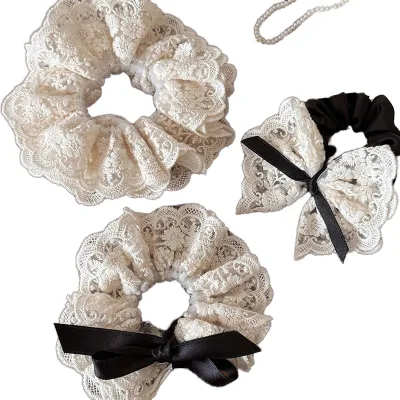
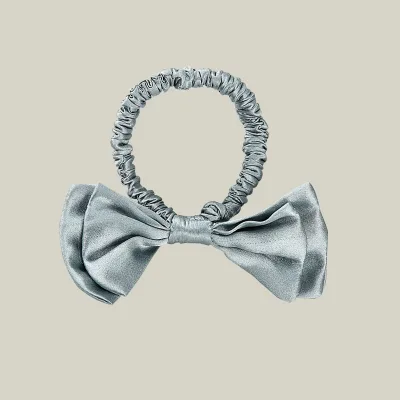
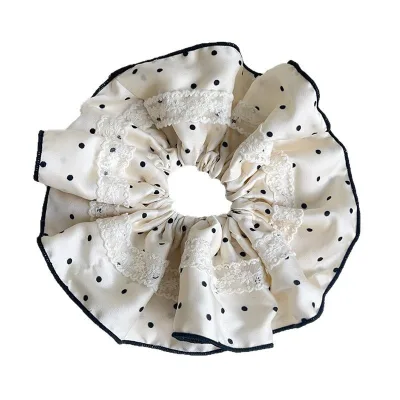
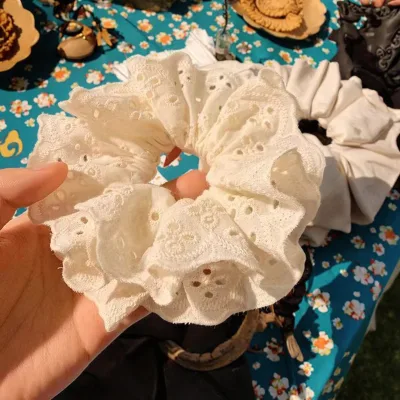
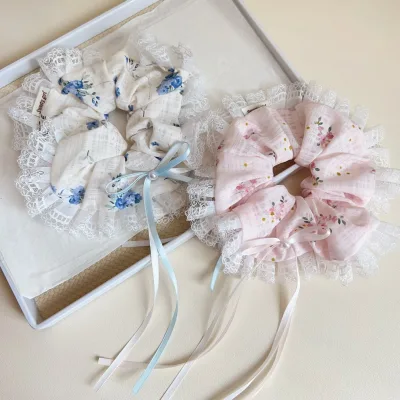
When sourcing lace bow linen hair ties, buyers must first navigate the diverse landscape of product attributes available in the global market. The core keyword implies a specific aesthetic combining delicate lace detailing, bow structures, and a linen-like texture, yet actual product listings often reveal significant variations in material composition and construction. While the search term suggests "linen," the observed market data indicates that products frequently utilize a broader range of fabrics, including general fabric, cotton, silk, and cloth. For instance, specific listings in the sector have identified materials ranging from cotton and silk to generic fabric and cloth, with some items explicitly noting "linen" as a style descriptor rather than a verified material composition.
The physical specifications of these hair ties are equally variable. Buyers should expect to encounter a wide spectrum of dimensions. Observed data points include sizes such as 15cm, 1414cm, and 1111cm, alongside "Large" and "Custom Size" options. The packaging dimensions also fluctuate, with single package sizes recorded at 10X10X1 cm, 15X15X1 cm, 15X15X4 cm, and 19X19X2 cm. This variance suggests that the "lace bow" element can be integrated into products of vastly different scales, from small, compact accessories to larger, statement pieces. The weight of individual units is similarly inconsistent, with observed single gross weights ranging from 0.020 kg to 0.030 kg.
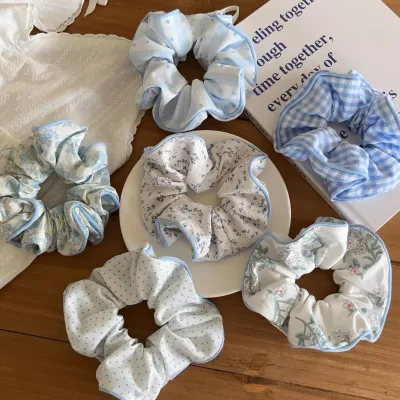
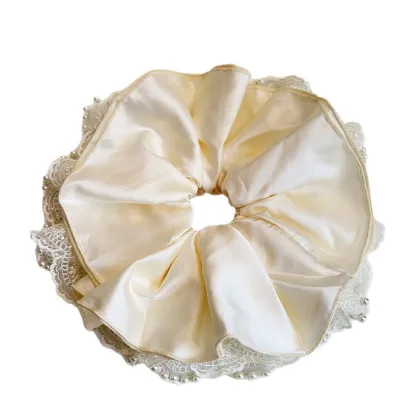
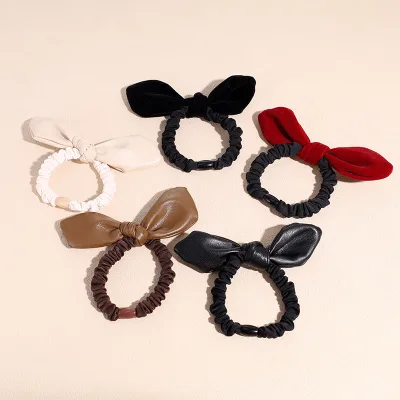
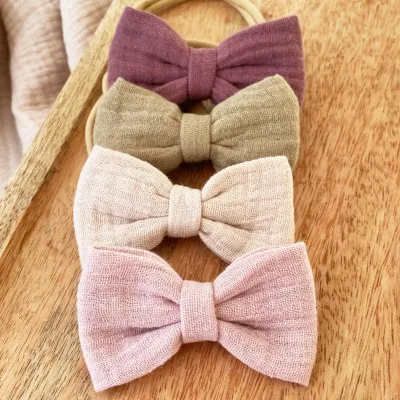
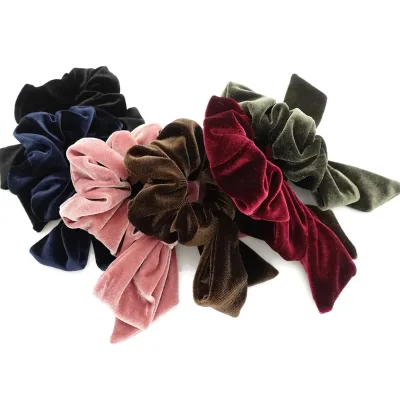
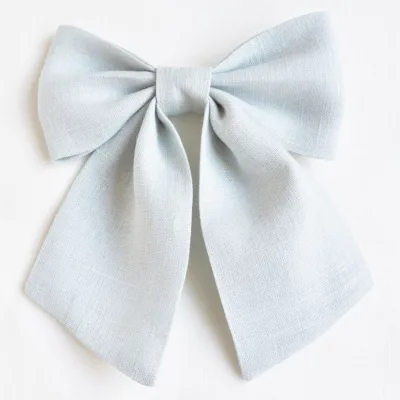
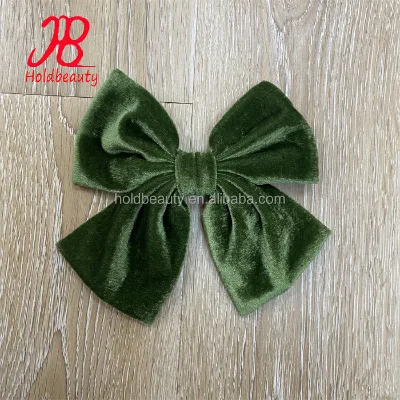
Design elements further complicate the specification landscape. While the target keyword focuses on lace and bows, the market data reveals a proliferation of other decorative elements. Products have been observed featuring flowers, polka dots, plaid patterns, musical notes, and pearls. Color palettes are diverse, extending beyond neutral tones to include specific blue variations like polka dots blue, grids blue, and floral prints blue, as well as beige and black options. The style descriptors range from "Fashion" and "Sweet" to "Casual," indicating that the product can be positioned for various market segments depending on the specific combination of elements.
Compliance, Certification, and Material Safety Standards
For buyers entering the hair accessory market, particularly those focusing on natural fiber aesthetics like linen, understanding the compliance landscape is critical. The supply chain for these items often originates from manufacturing hubs in China, specifically regions like Zhejiang and Guangdong. While the core keyword implies a natural material, the actual material composition can vary, necessitating rigorous verification of material safety.
In the context of textile sourcing, buyers should be aware of potential certifications such as GOTS (Global Organic Textile Standard) and OEKO-Tex. However, it is important to note that these certifications are not universally present in all product listings for hair ties. The presence of such certifications should be treated as a specific attribute to be verified on a per-supplier basis rather than an assumed standard for the entire category. If a buyer requires organic linen or certified safe textiles, they must explicitly request proof of certification from the supplier, as the general market data does not confirm that all lace bow hair ties meet these specific standards.
Furthermore, the "OEM/ODM" capability is a significant factor in compliance. Many suppliers in this sector offer acceptable OEM and ODM services, which allows buyers to specify their own material requirements and safety standards. This flexibility is crucial for ensuring that the final product meets the specific regulatory requirements of the target market, whether it involves chemical restrictions, allergen warnings, or fiber content labeling. Buyers should verify that the supplier's "sample making" and "mould making" services include the ability to test materials against relevant safety standards before mass production begins.
Cost Drivers and Pricing Dynamics
The pricing structure for lace bow linen hair ties is influenced by several key variables, including material composition, order volume, and customization levels. The observed market data indicates a price range in USD from 0.1 to 5.5. This wide disparity suggests that the final cost is heavily dependent on the specific attributes of the product. A basic fabric hair tie with a simple bow will likely sit at the lower end of this spectrum, while a product featuring silk, intricate lace detailing, pearl embellishments, or custom packaging will command a higher price point.
Minimum Order Quantity (MOQ) is another primary driver of unit cost. The market exhibits a broad range of MOQs, from as low as 2 pieces to as high as 2400 pieces. Specific listings have shown MOQs of 12pcs, 50pcs, and 100pcs. Buyers seeking to minimize initial capital outlay can find suppliers with low MOQs, often categorized under "Small Orders: Accepted." However, lower MOQs typically correlate with higher per-unit costs due to the setup and handling overheads associated with smaller production runs. Conversely, larger orders can leverage economies of scale to reduce the unit price, but they require a commitment to higher inventory levels.
Packaging and logistics also contribute to the overall cost structure. The "Packing" method varies, with "Opp Bag" being a common standard. However, custom packaging solutions, which might be required for branding purposes, will increase the cost. The single gross weight of the product, ranging from 0.020 kg to 0.030 kg, impacts shipping costs, particularly for air freight. Buyers must calculate the total landed cost, including shipping, duties, and packaging, rather than focusing solely on the FOB price. The "Selling Units" being listed as "Single item" suggests that the pricing is often presented per piece, but bulk discounts are likely available based on the negotiated MOQ.
Typical Applications and Market Segmentation
Lace bow hair ties serve a versatile range of applications, making them suitable for multiple market segments. The primary usage is for women, ladies, and girls, as indicated by the "Usage" attributes in the market data. The product is designed for both daily wear and special occasions. Specific listings highlight occasions such as "Gift," "Daily," "Party," "Holiday," and "Wedding." This versatility allows buyers to target different consumer needs with a single product line.
For the "Daily" segment, the focus is on functionality and comfort. Products in this category often feature "Elastic" properties, ensuring a secure hold without damaging hair. The "Casual" and "Fashion" styles are particularly relevant here, where the lace bow serves as a subtle accent to everyday outfits. In contrast, the "Party," "Holiday," and "Wedding" segments demand a more elevated aesthetic. Here, the inclusion of elements like pearls, intricate floral patterns, or silk materials becomes more critical. The "Sweet" and "Fashion" styles observed in the market data align well with gift-giving occasions, where the packaging and visual appeal are as important as the product itself.
The "Application" is explicitly defined as a "hair accessory," but the specific design elements allow for cross-category appeal. For example, a hair tie with "Flowers" or "Polka dot" elements might appeal to a younger demographic, while a "Beige" or "Silk" version with a "Pearl" element might target a more mature, luxury-oriented consumer. The "Brand Name" trendz, observed in the data, suggests that some suppliers are already positioning these products as branded fashion items, which can influence the perceived value and target market.
Supplier Evaluation and Sourcing Strategy
Evaluating suppliers for lace bow linen hair ties requires a multi-faceted approach, focusing on their technical capabilities, flexibility, and reliability. The "Place of Origin" is a critical factor, with major manufacturing hubs located in Zhejiang and Guangdong, China. Buyers should verify the specific location of the supplier to ensure they are dealing with established textile manufacturing regions known for quality control.
Key evaluation criteria include the supplier's ability to handle customization. The data shows that many suppliers offer "OEM/ODM: Acceptatble" services, along with "provide mould making and sample making service." This indicates that the supply chain is capable of adapting to specific buyer requirements, from custom logos to unique design elements. Buyers should prioritize suppliers who demonstrate a robust sample-making process, as this allows for the verification of material quality, lace durability, and bow construction before committing to a large order.
The "Logo" customization option is another vital consideration for brand building. Suppliers that accept "Customized Logo" enable buyers to create a distinct brand identity. However, buyers must verify the technical feasibility of logo application on the specific materials used, such as lace or silk, to ensure the branding does not compromise the product's integrity. Additionally, the "Feature" attributes, such as "Elastic" and "versatile," should be confirmed through physical samples to ensure the product performs as expected in real-world use.
Quality Control and Long-Term Procurement Considerations
Maintaining consistent quality in lace bow hair ties is essential for brand reputation. Given the delicate nature of lace and the potential for material variation (linen vs. cotton vs. silk), a rigorous quality control (QC) process is necessary. Buyers should establish clear acceptance criteria for the "Elements" of the product, such as the symmetry of the bow, the integrity of the lace, and the secure attachment of any embellishments like pearls.
Long-term procurement considerations involve building a sustainable relationship with suppliers who can scale production while maintaining quality. The "MOQ" flexibility observed in the market (ranging from 2 to 2400) suggests that suppliers are willing to accommodate different stages of business growth. However, buyers should be cautious of suppliers who cannot guarantee consistent quality across different batches, especially when dealing with natural fibers like linen or cotton which may have inherent variations.
To mitigate risks, buyers should implement a phased sourcing strategy. Start with small orders to test the supplier's quality and delivery performance. As confidence grows, gradually increase the order volume to leverage better pricing. It is also advisable to conduct regular factory audits or third-party inspections to ensure that the "Place of Origin" and manufacturing processes remain consistent. Finally, buyers should maintain open communication regarding any changes in material sourcing or design specifications to prevent unexpected quality issues in future production runs.
Comparative Analysis of Product Attributes
To assist in decision-making, the following table summarizes the key variations observed in the market for lace bow hair ties. This comparison highlights the diversity in specifications that buyers must navigate when selecting a supplier.
| Attribute Category | Observed Variations | Sourcing Implication |
|---|---|---|
| Material | Fabric, Cotton, Silk, Cloth | Verify fiber content; "Linen" may be a style descriptor. |
| Size | 1111cm, 1414cm, 15cm, Large, Custom | Define precise dimensions for packaging and fit. |
| MOQ | 2, 12, 50, 100, up to 2400 pcs | Balance inventory risk with unit cost efficiency. |
| Price Range | $0.10 - $5.50 USD | Correlates with material quality and customization. |
| Elements | Flowers, Polka dots, Plaid, Pearls, Musical notes | Select based on target demographic and occasion. |
| Origin | Zhejiang, China; Guangdong, China | Verify regional expertise in textile manufacturing. |
| Packaging | Opp Bag, Custom sizes (10-19cm) | Factor packaging costs into total landed price. |
| Customization | Logo, OEM/ODM, Mould making | Essential for brand differentiation and specific needs. |
This analysis underscores the importance of detailed specification sheets and clear communication with suppliers. By understanding these variations, buyers can make informed decisions that align with their specific market needs and quality expectations.
FAQs
What materials are used for lace bow linen hair ties?
Materials vary from fabric and cloth to cotton and silk. While the keyword suggests linen, actual listings often use generic fabric, cotton, or silk, so verify the specific material composition before ordering.
Can I place small orders for lace bow linen hair ties?
Yes, small orders are accepted with Minimum Order Quantities as low as 2 pieces. Some suppliers offer MOQs of 12, 50, or 100 pieces, allowing flexibility for initial procurement without large inventory commitments.
Which customization options are available for lace bow linen hair ties?
Suppliers accept customized logos, OEM, and ODM services. Many also provide sample making and mould making services to ensure the final product meets your specific design and branding requirements.
How do prices vary for lace bow linen hair ties?
Prices range from 0.1 to 5.5 USD depending on material and complexity. Basic fabric options cost less, while silk or pearl-embellished versions command higher prices due to material costs and intricate design elements.
Where are Lace Bow Linen Hair Tie manufacturers located?
Manufacturers are primarily located in Zhejiang and Guangdong, China. These regions are established hubs for textile production, offering a wide range of suppliers with varying capabilities in customization and volume.
What packaging is used for lace bow linen hair ties?
Standard packaging often includes Opp bags with single package sizes ranging from 10x10x1 cm to 19x19x2 cm. Custom packaging solutions may be available upon request to suit specific branding needs.