Source Ladies Knitted Sweater for Spring, Autumn, and Winter
Find 30 Ladies Knitted Sweater options from suppliers in China, including Nanchang and Hangzhou. Compare materials like wool and cotton, styles such as round neck and hooded, and certifications including SGS. Source OEM products with customization available for various seasons.
Updated
Key considerations
Products List


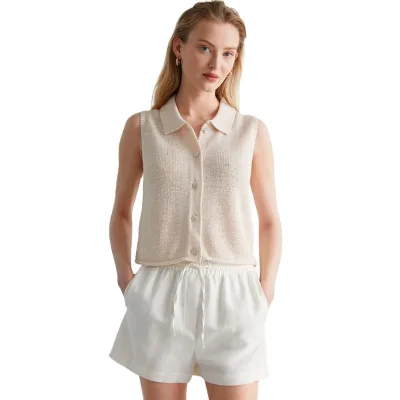
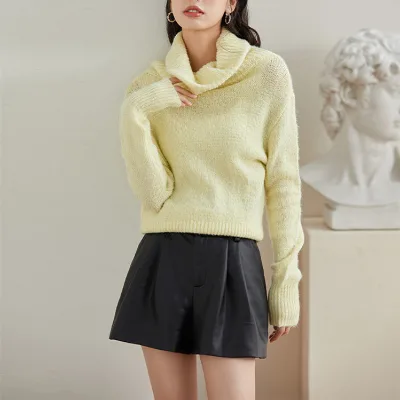


Pure 100% Cashmere Knitwear Chic Knitting Women Sweater Cashmere Sweater
$9.00 - $13.00
MOQ: 100 piece
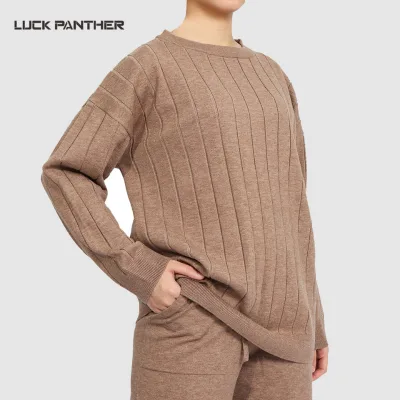
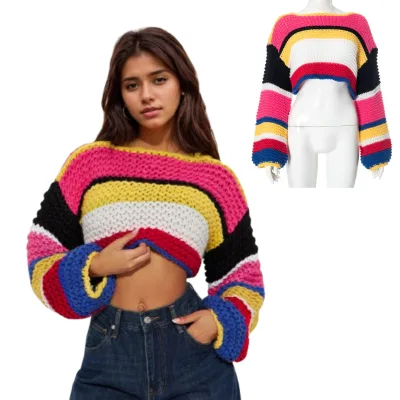
Comprehensive Sourcing Guide
Ladies Knitted Sweater Sourcing Guide
The global market for ladies knitted sweaters offers a diverse array of options, ranging from basic seasonal essentials to specialized technical garments. Buyers must navigate a landscape where product attributes vary significantly across suppliers, requiring careful verification of material composition and construction techniques. The observed product count indicates a robust supply base, yet the diversity in specifications means that generic searches often yield mixed results. Procurement teams need to establish clear internal requirements before engaging with suppliers to ensure alignment on style, fit, and functional performance.
Sourcing decisions are heavily influenced by the specific season and intended use of the garment. Listings indicate availability for spring, autumn, and winter collections, each demanding different weight and insulation properties. The presence of various collar styles, such as round neck, crew neck, and hooded designs, further complicates the selection process. Buyers should prioritize suppliers who demonstrate flexibility in customization, as this allows for better adaptation to brand-specific design languages and target demographic preferences.
Product Scope and Observed Listing Signals
The current market signals reveal a wide price range, observed between 3.1 and 130 USD, reflecting significant variation in quality, material, and brand positioning. This disparity suggests that buyers must look beyond unit cost to understand the value proposition of each supplier. Lower price points may correlate with basic cotton or acrylic blends, while higher tiers likely involve premium wool or complex knitting techniques. Understanding this spectrum helps in budgeting and setting realistic expectations for margin and quality.
Minimum Order Quantities (MOQs) are observed between 50 and 500 units, indicating a market that accommodates both small-batch testing and larger volume production. This flexibility is crucial for brands launching new lines or testing seasonal trends. Suppliers offering lower MOQs often provide greater agility, allowing for faster response to market changes. However, buyers should weigh this against potential unit price increases and ensure that the supplier can maintain consistent quality across smaller runs.
Technical Specifications to Verify
Material composition is a primary technical differentiator, with listings showing wool, cotton, and wool/acrylic blends. Buyers must verify the exact percentage of each fiber to ensure compliance with labeling regulations and performance expectations. Wool offers natural warmth and durability, while cotton provides breathability and comfort. The presence of acrylic often indicates a cost-effective alternative with specific care requirements. Confirming these details prevents discrepancies between samples and bulk production.
Knitting techniques and structural details also require close scrutiny. Products are described as knitted, with specific models like FY-0128 and IMN-16AW5014 indicating distinct design lines. Sleeve styles, such as long sleeve, and collar variations, including hooded and crew neck options, define the garment’s silhouette. Buyers should request detailed tech packs that specify stitch types, gauge, and seam constructions to ensure the final product matches the intended aesthetic and functional requirements.
Compliance and Safety Documentation
Regulatory compliance is non-negotiable in international apparel trade, and suppliers must provide relevant certifications to prove adherence to safety standards. Some listings mention SGS certification, a widely recognized standard for testing and inspection. Buyers should verify the scope of these certifications to ensure they cover the specific materials and processes used in production. This verification protects against potential recalls and ensures that products meet the legal requirements of the destination market.
Additional standards such as BV and WRAP may also be referenced, indicating broader compliance with labor and environmental practices. These certifications can serve as indicators of a supplier’s overall operational maturity and ethical standing. Buyers should request copies of valid certificates and check their expiration dates. Understanding the specific requirements of target markets, such as REACH in Europe or CPSIA in the US, is essential for ensuring that all documentation is up to date and applicable.
Cost Drivers and Commercial Terms
Several factors influence the final cost of ladies knitted sweaters, including material selection, customization complexity, and packaging requirements. The availability of customized patterns, colors, and weights allows for tailored solutions but can increase production costs. Suppliers offering OEM services often provide competitive pricing for larger volumes, leveraging economies of scale. Buyers should analyze the total cost of ownership, including shipping, duties, and potential rework costs, rather than focusing solely on the unit price.
Packaging and logistics also play a significant role in commercial terms. Options range from simple polybags to customized carton packaging, with some suppliers offering 1PCS/PP Bag or 50PCS/Carton configurations. Efficient packaging can reduce shipping volume and protect garments during transit. Buyers should negotiate clear terms regarding packaging standards and ensure that suppliers can accommodate specific branding or labeling requirements without incurring excessive additional fees.
Supplier Qualification and Quality Control
Supplier qualification involves assessing production capabilities, location, and quality management systems. Origins such as Nanchang, Tonglu, and Ningbo indicate key manufacturing hubs in China, each with distinct industrial strengths. Buyers should verify the supplier’s production capacity and lead times to ensure they can meet delivery deadlines. Understanding the supplier’s location can also help in assessing logistical efficiency and potential risks associated with regional disruptions.
Quality control processes must be robust to maintain consistency across batches. Suppliers should have clear protocols for inspecting raw materials, monitoring production stages, and conducting final inspections. Buyers should request sample approvals before bulk production and consider third-party inspections for large orders. Establishing a clear communication channel for addressing quality issues is essential for maintaining long-term partnerships and ensuring that products meet brand standards.
Long-Term Procurement Checks
Sustainable sourcing practices are increasingly important, with some suppliers highlighting eco-friendly features and the ability to produce any knitting yarn. Buyers should inquire about the environmental impact of materials and processes, seeking suppliers who use sustainable fibers or ethical manufacturing practices. This alignment with corporate social responsibility goals can enhance brand reputation and meet the expectations of environmentally conscious consumers.
Continuous monitoring of supplier performance is vital for long-term success. Buyers should track metrics such as on-time delivery, quality consistency, and responsiveness to issues. Regular audits and feedback sessions can help identify areas for improvement and strengthen the partnership. By maintaining a diversified supplier base and regularly evaluating performance, buyers can mitigate risks and ensure a stable supply of high-quality ladies knitted sweaters.
FAQs
What customization options are available for ladies knitted sweaters?
Customization is available for ladies knitted sweaters regarding size, color, and packing. Buyers can select from sizes like S, M, L, or request custom makes. Colors include black, beige, and many others, while packing can be customized to specific carton requirements.
Which materials are used to make these knitted sweaters?
These sweaters are primarily made from wool, cotton, or a wool and acrylic blend. The production techniques involve knitting, and the items are available in various styles such as round neck or hooded collars. Specific models like FY-0128 utilize these materials effectively.
Can I find suppliers with SGS certification for these products?
Yes, suppliers offering ladies knitted sweaters often hold SGS certification. Some vendors also provide BV or WRAP standards. These certifications ensure quality control and compliance with international safety and labor standards for the manufacturing process in locations like Nanchang or Tonglu.
What is the typical MOQ for ordering ladies knitted sweaters?
The minimum order quantity typically ranges from 50 to 500 pieces. This allows buyers to start with smaller batches while still accessing bulk pricing advantages. Specific models may have different thresholds, but the general range supports flexible procurement strategies for various business sizes.
How are the sweaters packed for shipment?
Sweaters are usually packed in polybags, with 50 pieces per carton as a standard option. Customized packing arrangements are also available to meet specific buyer requirements. This ensures the products remain protected during transit while allowing for efficient logistics management and inventory handling.
Which seasons are these knitted sweaters suitable for?
These sweaters are designed for spring, autumn, and winter seasons. The knitted construction provides warmth suitable for colder weather, while lighter variations may work for transitional periods. Buyers can select specific models based on the intended seasonal usage and climate conditions.
Where are these ladies knitted sweaters manufactured?
Manufacturing locations include Nanchang in Jiangxi Province, Tonglu in Hangzhou, and Ningbo in Zhenjiang. All these sites are within China, offering established supply chains for textile production. Buyers can source directly from these regions to ensure authenticity and quality control.