Find Land Rover Crankshaft Position Sensor for Engine Repair
Source 30 Land Rover Crankshaft Position Sensor options to compare specifications, pricing, and shipping terms. This listing helps buyers identify compatible parts for various engine models and verify supplier details before placing orders; compare the available evidence and request quotations based on your requirements.
Key considerations
Products List
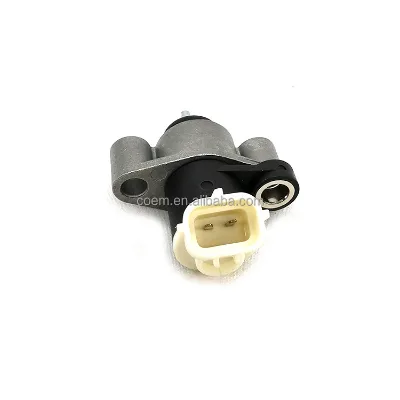


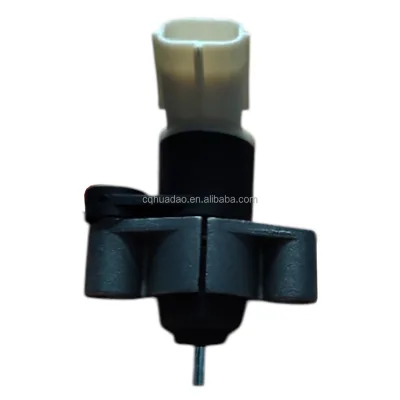


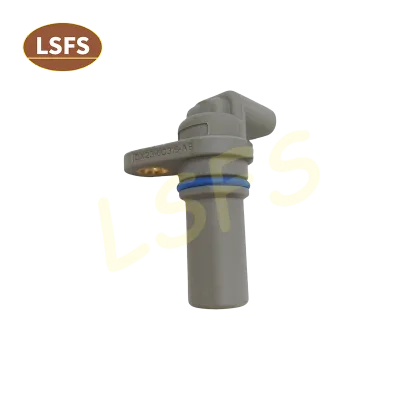

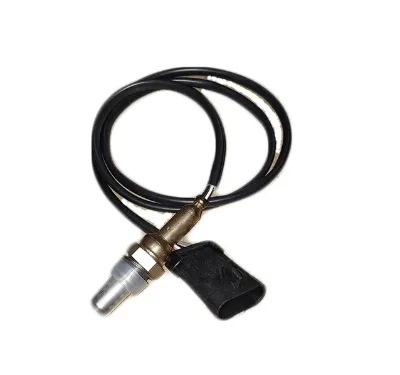


Comprehensive Sourcing Guide
Land Rover Crankshaft Position Sensor Sourcing Guide
Procuring a crankshaft position sensor for Land Rover vehicles requires careful attention to specific engine compatibility, as the component is critical for ignition timing and engine management. The market offers units designed for various engine models, including specific codes like 10758982 and 191-8303, which must match the vehicle's original equipment specifications. Buyers should verify that the sensor is explicitly listed as applicable to Land Rover models rather than assuming universal fitment, as incorrect part numbers can lead to engine performance issues or failure to start.
The sourcing landscape includes products labeled as "Original Renew" or new condition, often originating from manufacturing hubs in Guangdong, China. While some listings suggest broad applicability to automobiles, the specific engineering requirements for Land Rover engines demand precise verification of the sensor's physical dimensions and electrical characteristics. Sourcing guides must emphasize that generic descriptions like "For car" are insufficient; buyers need to cross-reference the model number ERR6119 or similar identifiers against their vehicle's service manual to ensure the replacement part will function correctly within the complex electronic architecture of the vehicle.
Product Scope and Observed Listing Signals
When evaluating product listings, buyers will encounter a wide range of price points and minimum order quantities, typically observed between 1 and 99 USD with MOQs ranging from 1 to 200 pieces. This variability often reflects differences in packaging, such as neutral cartons versus appointed boxes, and the specific condition of the item, whether it is brand new or an original renewed unit. Procurement teams must scrutinize these signals to understand the value proposition, as a lower price might indicate a different packaging standard or a lack of comprehensive warranty coverage compared to higher-priced alternatives.
Listing details frequently highlight shipping terms like DHL, FedEx, or UPS, with delivery times estimated around 3 to 5 working days for certain suppliers. However, the actual scope of supply can vary significantly based on the seller's location and their ability to provide video outgoing inspections. Buyers should note that while some products claim universal fitment, others explicitly state "No" for universal fitment, necessitating a strict check of the applicable models listed, such as C15 or C-18, to ensure the sensor is not being misidentified for a different vehicle class or engine type.
Technical Specifications to Verify
Technical verification begins with confirming the model number and engine compatibility, as sensors are often engineered for specific engine codes like 0281002434 or 191-8303. The physical specifications, including single package sizes of 9x6x5 cm or 15x10x8 cm, provide clues about the internal component density and connector types. Buyers must ensure that the sensor's electrical output and signal frequency align with the vehicle's ECU requirements, as a mismatch in these technical parameters can result in erratic engine behavior or complete failure to operate, regardless of the physical fit.
Dimensional standards and material quality are also critical verification points, with some listings citing standards like ISO9001:2008 or specific dimensions such as 100mm100mm100mm for packaging. The material composition, described as high-quality material, should be validated against the harsh operating conditions of an engine bay, including exposure to heat, vibration, and oil. Procurement teams should request detailed datasheets that confirm the sensor's durability and resistance to environmental factors, ensuring that the replacement part meets the rigorous engineering standards expected for Land Rover applications.
Compliance and Safety Documentation
Compliance documentation is essential for ensuring that the crankshaft position sensor meets international safety and quality standards. Listings often reference certifications such as CE and ISO9001, which indicate that the manufacturing process adheres to specific quality management protocols. Buyers should verify that these certifications are current and applicable to the specific batch of sensors being purchased, as the presence of a certification mark does not automatically guarantee that every unit in a shipment has undergone the necessary testing procedures.
Safety and regulatory compliance also extend to the packaging and shipping documentation, which must accurately reflect the product's origin and condition. The "Original Renew" status mentioned in some listings requires clear documentation regarding the refurbishment process to ensure the sensor has been restored to factory specifications. Procurement teams should demand proof of these processes, including video outgoing inspections provided by the supplier, to confirm that the sensor has been tested for functionality before leaving the facility, thereby mitigating the risk of receiving defective or non-compliant components.
Cost Drivers and Commercial Terms
Cost drivers in this market include the complexity of the sensor's design, the condition of the unit, and the level of after-sales support provided. While wholesale prices are often negotiable, the final cost is heavily influenced by the payment terms, which can range from UnionPay and PayPal to T/T and Western Union. Buyers must evaluate the total cost of ownership, considering that a lower upfront price might be offset by higher shipping costs or the need for expedited delivery to meet production schedules.
Commercial terms also encompass the warranty period and the availability of online support for troubleshooting. A standard one-year warranty is common, but the specific terms of coverage, such as whether it includes labor or just parts, can vary significantly between suppliers. Procurement teams should clarify these details before finalizing an order, ensuring that the commercial agreement provides adequate protection against defects and that the supplier is responsive to any issues that arise during the installation or operation of the sensor.
Supplier Qualification and Quality Control
Supplier qualification involves assessing the manufacturer's ability to consistently produce high-quality sensors that meet the stringent requirements of Land Rover vehicles. The presence of video outgoing inspections is a strong indicator of a supplier's commitment to quality control, allowing buyers to verify the condition of the product before shipment. Buyers should prioritize suppliers who offer this level of transparency and who have a track record of providing reliable after-warranty service, including online support for technical inquiries.
Quality control processes should also include rigorous testing of the sensor's performance under various conditions to ensure reliability. Suppliers who adhere to standards like ISO9001:2008 are more likely to have robust quality management systems in place, reducing the risk of defects. Procurement teams should request evidence of these quality control measures, such as test reports or certification documents, to ensure that the sensors being sourced will perform reliably in the demanding environment of a Land Rover engine bay.
Long-Term Procurement Checks
Long-term procurement checks focus on establishing a sustainable supply chain that can consistently meet the evolving needs of Land Rover maintenance and repair operations. This involves regular audits of supplier performance, including their ability to maintain stock levels, adhere to delivery timelines, and provide consistent quality. Buyers should develop a relationship with suppliers who demonstrate flexibility and responsiveness, ensuring that they can adapt to changes in demand or technical requirements over time.
Continuous monitoring of market trends and technological advancements is also crucial for maintaining a competitive edge in procurement. As engine technologies evolve, the specifications for crankshaft position sensors may change, requiring buyers to stay informed about new models and compatibility issues. Procurement teams should establish a system for regularly reviewing supplier capabilities and product specifications, ensuring that the sourcing strategy remains aligned with the latest industry standards and the specific needs of the Land Rover vehicle fleet.
FAQs
What is the warranty period for this crankshaft position sensor?
The warranty period is 1 year. This coverage applies to the new condition sensor provided by the supplier. Buyers receive online support for after-warranty service needs. The product is designed for replace or repair purposes in automotive applications. This ensures long-term reliability for engine parts installation.
Can I customize the packaging for bulk orders?
Customization is available for packaging requirements. The standard option uses neutral packing in cartons. Buyers can request appointed boxes or specific carton dimensions. This flexibility supports various logistics and branding needs. Contact the supplier to discuss specific packaging customization details before placing an order.
What is the minimum order quantity for this sensor?
The minimum order quantity is 5 pieces. Some listings may allow orders starting from 1 piece. This low MOQ supports small-scale procurement needs. Buyers can negotiate wholesale prices for larger volumes. Check specific supplier terms to confirm the exact MOQ applicable to your order.
Which certifications does this crankshaft sensor hold?
The sensor holds CE and ISO9001 certifications. These standards verify quality management and safety compliance. The product meets ISO9001:2008 standards for manufacturing processes. Buyers can rely on these certifications for quality assurance. Video outgoing inspections are provided to further verify product condition.
How long does delivery take after payment?
Delivery takes about 3-5 working days. Shipping is handled via DHL, FedEx, UPS, or EMS. These express carriers ensure fast transit times. Buyers can track shipments through standard courier services. Payment methods include UnionPay, PayPal, and TT for secure transactions.
Is this sensor compatible with Land Rover vehicles?
The sensor is applicable for Land Rover vehicles. It fits various automobile models requiring crankshaft sensors. The product is designed for engine part replacement. Buyers should verify specific model compatibility before purchase. The sensor supports repair and replacement needs for compatible car makes.