Source Diesel Gear Sulfuric Truck for Oil, Fuel, and Chemical Transport
Compare 30 Diesel Gear Sulfuric Truck listings from Hubei, China, featuring oil transport capabilities, varying tank volumes, and emission standards. Buyers can evaluate specifications like horsepower, transmission types, and load capacities to find suitable vehicles for industrial applications; compare the available evidence and request quotations based on your requirements.
Key considerations
Products List
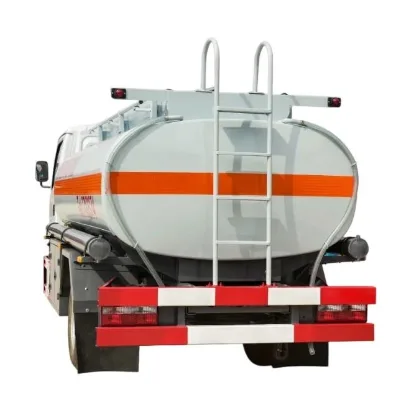


Dongfong Chassis 4X2 10-15cbm Chemical Sulfuric Acid Transport Truck
$27000.00 - $28200.00
MOQ: 1 Pieces


Dongfeng Furuika Diesel Waste Management Truck for Efficient Disposal
$12800.00 - $34000.00
MOQ: 1 Pieces


Underground Diesel Mining Truck – Front Drive/Side Drive Optional
$100000.00 - $150000.00
MOQ: 1 Pieces

Underground Mining Truck Wheel Dump Truck Underground Mining Trucked Dumper
$68800.00 - $76200.00
MOQ: 1 Pieces


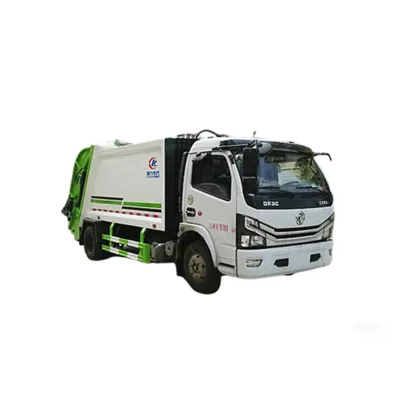


Energy Mining Fuel Trucksmineral Equipments Underground Truck Mining Trucks
$123000.00 - $125000.00
MOQ: 1 Pieces


Comprehensive Sourcing Guide
Diesel Gear Sulfuric Truck Sourcing Guide
Procurement teams searching for a Diesel Gear Sulfuric Truck are typically evaluating heavy-duty tank vehicles that combine a diesel drivetrain with specialized gearing and a tank body suitable for liquid cargo transport. In the observed category, listings center on fuel and oil transportation tank trucks built in Hubei, China, offered as new units with left- or right-hand drive configurations and single-unit selling terms. Before committing to a purchase order, buyers should treat each listing as a configuration baseline rather than a fixed offer, because tank volume, chassis layout, and drivetrain components vary substantially across the product range.
This guide walks through the decisions that matter most when sourcing this equipment: defining the product scope you actually need, verifying technical specifications against your duty cycle, assembling compliance documentation, understanding commercial cost drivers, qualifying the supplier's quality system, and planning for long-term fleet support. Each section highlights the verification steps that separate a successful procurement from an expensive mismatch between vehicle and application.
Product Scope and Observed Listing Signals
The listings observed in this category describe fuel tank trucks intended to transport oil, with tank volumes spanning under 5,000 liters, the 5,001–10,000 liter band, and the 10,001–15,000 liter band. One model reference cites a 10,000 liter configuration, and tank bodies are specified in carbon steel with rectangular construction noted as a product standard. Load capacities range from 1–10 tonnes up to 11–20 tonnes, so buyers should first fix their payload and volume requirement before comparing offers.
Other listing signals help narrow the field early. Gross vehicle weight is quoted in the 5–10 tonne class, drive wheels are 4X2, and transmission types include both manual and automatic options, with gearbox models such as Fast 9-speed, HOWO 9JSD, and 12JS referenced. Customization is explicitly available for color and size, and the keyword positioning emphasizes oil transportation tank trucks. Buyers should confirm that the listed volume, payload, and body material combination matches the cargo density and route profile they intend to run.
Technical Specifications to Verify
Drivetrain data in the observed listings includes diesel fuel type, engine capacity bands of under 4 liters and 4–6 liters, horsepower of 150–250 hp, maximum torque at or below 500 Nm, and fuel consumption quoted at 35–60 L/100 km. The vehicle's own fuel tank capacity is listed at 100–200 liters. Buyers should request the actual engine and gearbox datasheets for the configured unit, not just the range figures, and confirm that the forward shift count of four matches their route and terrain expectations.
Chassis and running gear specifications deserve equal scrutiny. Axle configurations reference heavy-duty tandem axles with ratios of 4.11, 4.56, or 5.12; suspension is offered as multi-leaf spring or air suspension; and brake systems are air brakes with ABS or EBS optional. Tire design appears as both radial and tubeless, with dimensions for one configuration cited as 6.98 × 2.37 × 3.56 meters. Verify axle ratio against typical loaded gradients, and confirm dumping or lifting arrangements—front lifting style is noted—suit your unloading infrastructure.
Compliance and Safety Documentation
Emission standards span Euro 2/3/4/5 across the listings, so the first compliance task is matching the emission level to your registration jurisdiction. A Euro 5 unit may be required in some markets while others accept lower tiers; confirm the target standard in the contract and require documentary evidence from the engine manufacturer rather than relying on listing labels. Left- and right-hand drive availability should be aligned with your market's road rules at the ordering stage.
Safety documentation should cover the braking and tank systems in detail. Require certification records for the tires—ECE, GCC, ISO, and DOT appear as tire certification references in the listings—and clarify which certification applies to the actual tires fitted, since listings also show ISO alone. Ask for tank welding records, pressure or leak test procedures applicable to liquid cargo tanks, and ABS/EBS configuration sheets. Because this vehicle carries oil, confirm the seller can support any hazardous-cargo documentation your national transport authority requires for the intended duty.
Cost Drivers and Commercial Terms
Observed listing prices range from $1,500 to $150,000, a spread that reflects the difference between base chassis configurations and fully built, customized tank units. Minimum order quantity is listed at one unit, which supports pilot purchases and fleet trials, and selling units are single items with naked packing for shipment. Buyers should decompose quoted prices into chassis, tank body, pumping or discharging equipment, and customization charges so that comparisons between offers are like-for-like.
Beyond the unit price, factor in the cost levers you control. Customization of color and size is available, but non-standard dimensions can affect shipping volume and port handling. Emission tier selection, axle ratio, and suspension type all influence both price and lifetime fuel cost—the quoted 35–60 L/100 km consumption range shows how much duty cycle affects operating expense. Agree in writing which after-sales services—onsite installation, overseas call centers, and online support are listed—are included free and which are billable, and clarify Incoterms and shipment responsibility before signing.
Supplier Qualification and Quality Control
The listings identify the brand as CLW with origin in Hubei, China, but brand names alone are not a quality guarantee. Qualify the manufacturer by auditing the production facility or commissioning a third-party inspection, focusing on tank welding quality, chassis mating accuracy, and the consistency of the emission and brake systems actually installed versus what the contract specifies. Request references from fleets operating similar tank volumes and payload classes in comparable climates and road conditions.
Define a pre-delivery quality control protocol in the purchase contract. Typical checkpoints include dimensional verification against the agreed size specification, functional testing of the gearbox and axles under load, brake and ABS/EBS function checks, and documentation review for all fitted components. Because customization is available, require approved drawings for any non-standard tank dimensions, body shape, or lifting arrangement before production begins, and hold final payment against a passed inspection. This protects you when a customized unit departs from the catalog configuration.
Long-Term Procurement Checks
After-sales support is listed as onsite installation, overseas call centers, and online support, but the depth of each service varies by destination market. Before ordering, confirm whether onsite installation covers commissioning at your depot or only port-side handover, what response times the call centers commit to, and whether technical documentation—wiring diagrams, parts catalogs, service manuals—is delivered in your working language. Secure a guaranteed spare-parts supply channel for wear items such as brake components, suspension parts, and tank fittings.
Plan fleet standardization from the first purchase onward. Locking a consistent configuration—gearbox model, axle ratio, emission tier, and tank specification—across subsequent orders simplifies driver training, maintenance stocking, and resale value. Re-verify that the chosen emission standard will remain registrable in your market over the vehicle's service life, since Euro 2/3/4/5 acceptance changes over time in many jurisdictions. Finally, document the as-delivered configuration carefully; when the time comes to expand the fleet or resell units, that record is your strongest negotiating asset.
FAQs
What is the typical tank volume for a Diesel Gear Sulfuric Truck?
The tank volume for these trucks typically ranges from under 5000L to over 15000L. Specific capacity depends on the model, with common options including 10000L. Buyers should verify the exact volume against their transport requirements to ensure adequate payload capacity for their specific operational needs.
What emission standards are available for diesel gear sulfuric trucks?
Available emission standards include Euro 2, Euro 3, Euro 4, and Euro 5. The specific standard depends on the engine configuration and regional regulatory requirements. Buyers must select the appropriate emission level to comply with local environmental laws and ensure the vehicle meets current operational compliance standards.
What is the load capacity of a Diesel Gear Sulfuric Truck?
Load capacity generally ranges from 1 to 20 tons, with specific models supporting 1-10T or 11-20T. The gross vehicle weight typically falls between 5 and 10 tons. Selecting the correct load capacity is essential for matching the truck to the specific weight of the sulfuric acid being transported.
Can diesel gear sulfuric trucks be customized for specific needs?
Yes, customization is available for these vehicles. Buyers can specify dimensions, color, and other features to suit their operational requirements. The tank body is made of carbon steel, and the size can be adjusted. Customization ensures the truck fits specific site constraints and transport logistics effectively.
What is the drive wheel configuration for diesel gear sulfuric trucks?
The standard drive wheel configuration is 4x2. This setup provides a balance between maneuverability and load-bearing capacity suitable for most transport routes. The transmission type can be manual or automatic, depending on the specific model and buyer preference for operational control.
What is the fuel type for diesel gear sulfuric trucks?
These trucks operate on diesel fuel. The engine capacity typically ranges from under 4L to 6L, with horsepower between 150 and 250hp. Fuel consumption is estimated at 35 to 60 liters per 100 kilometers, which helps buyers estimate operational costs for long-distance transport of sulfuric acid.
What after-sales services are provided for diesel gear sulfuric trucks?
After-sales services include onsite installation, overseas call centers, and online support. These services ensure that buyers receive technical assistance and maintenance guidance after purchase. Access to these support channels is critical for maintaining vehicle performance and resolving operational issues promptly.