Source Land Rover Ceramic Brake Pad for Fleet, Repair, and Racing
Source 30 Land Rover Ceramic Brake Pad options for fleet maintenance, repair services, and performance upgrades. Compare OEM-style models like LR036574 and GDB1319, noting dimensions, certifications, and customization availability for global automotive applications; compare the available evidence and request quotations based on your requirements.
Key considerations
Products List


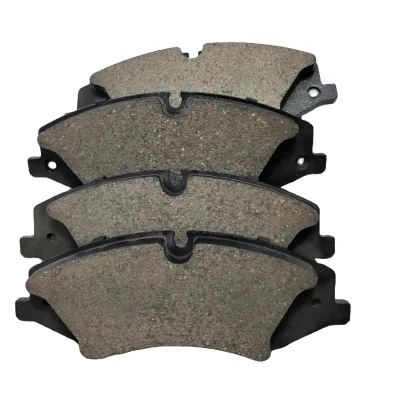


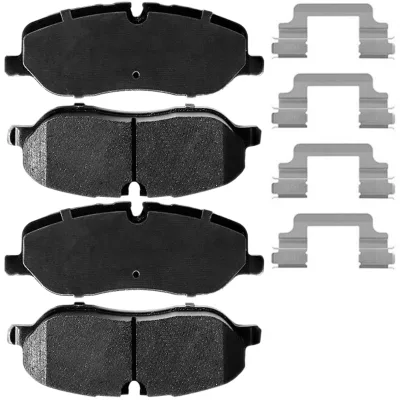


Comprehensive Sourcing Guide
Land Rover Ceramic Brake Pad Sourcing Guide
Procuring ceramic brake pads for Land Rover vehicles requires a precise understanding of the specific model compatibility and the distinct material properties that define this category. The available inventory indicates a diverse range of part numbers, including GDB1319, LP1109, and 21515, which correspond to specific vehicle applications and braking system configurations. Buyers must verify that the selected ceramic composition aligns with the thermal and frictional demands of their specific Land Rover model, as generic ceramic formulations may not deliver the necessary performance for heavy-duty or high-performance variants.
The sourcing landscape for these components reveals a global market presence with significant activity in North America, Europe, and Asia, suggesting a robust supply chain for international procurement. While the observed listings confirm that customization is available for color and packaging, the core technical specifications such as dimensions and material density remain critical verification points. Sourcing agents should prioritize suppliers who can demonstrate a clear mapping between their part numbers and the original equipment manufacturer (OEM) references to ensure seamless integration into existing vehicle maintenance programs.
Product Scope and Observed Listing Signals
The current market listings for Land Rover ceramic brake pads exhibit a wide variance in physical dimensions, with observed standard sizes ranging from approximately 129mm to 193mm in length. Specific configurations such as the 131.40x58.50x16.4MM and 192.70x72.20x18.5MM variants highlight the necessity for buyers to cross-reference exact measurements against their vehicle's brake caliper requirements. This dimensional diversity underscores the importance of matching the product model, such as D2464 or D1479, to the specific axle position, whether front or rear, to prevent installation errors and ensure optimal braking efficiency.
Commercial signals indicate that these products are frequently marketed as hot-selling items with a focus on replacement and retrofit applications, catering to both repair and upgrade scenarios. The availability of customized packaging options, including color boxes and carton pallets, suggests that suppliers are prepared to handle diverse logistical needs, from bulk industrial shipments to retail-ready units. However, buyers must remain vigilant regarding the minimum order quantities, which typically range from 10 to 200 sets, as this threshold can significantly impact the economic viability of small-scale procurement projects.
Technical Specifications to Verify
When evaluating ceramic brake pads, the primary technical verification must focus on the precise dimensional tolerances and the material composition of the friction surface. The supplied data confirms the use of ceramic fiber as the base material, a choice that offers superior heat resistance and reduced dust generation compared to traditional organic compounds. Buyers should rigorously check the listed dimensions, such as the 144.4mm length or 155.1mm height, against their vehicle's service manual to ensure a perfect fit, as even minor deviations can lead to premature wear or brake failure.
In addition to physical dimensions, the classification of the brake system, whether disc or drum, is a critical specification that dictates the design and mounting hardware of the pad. The observed listings distinguish between disc classifications and specific drum brake types, requiring buyers to confirm the exact system architecture of their Land Rover before placing an order. Furthermore, the condition of the product is consistently listed as new, but verifying the integrity of the backing plate and the uniformity of the ceramic friction material is essential to guarantee consistent stopping power and noise reduction.
Compliance and Safety Documentation
Ensuring that ceramic brake pads meet international safety and quality standards is paramount for maintaining vehicle integrity and regulatory compliance. The available documentation references certifications such as ISO/TS, IATF, and ECE, which indicate that the manufacturing processes adhere to rigorous automotive quality management systems. Buyers should request specific certification documents for each batch of ceramic pads to verify that the products have undergone the necessary testing for friction stability, wear resistance, and environmental safety before they are installed on commercial or personal vehicles.
Beyond general certifications, the specific classification of the product, such as Disc or Drum, must be clearly documented to align with the vehicle's original safety specifications. The presence of standards like GSV and GMP in the supplier's portfolio suggests a commitment to good manufacturing practices, yet buyers must ensure these certifications are current and applicable to the specific ceramic formulation being purchased. It is also advisable to confirm that the product meets the safety requirements of the destination market, particularly in regions with strict automotive safety regulations, to avoid potential legal or liability issues.
Cost Drivers and Commercial Terms
The pricing structure for Land Rover ceramic brake pads is influenced by several factors, including the complexity of the part number, the volume of the order, and the level of customization required. The observed price range of 0.5 to 30 USD per unit suggests a significant variance based on the specific model and the inclusion of additional features such as wear sensors or specialized coatings. Buyers should analyze the total cost of ownership, considering that higher-priced units may offer longer service life and better thermal performance, ultimately reducing the frequency of replacements and maintenance costs.
Commercial terms regarding delivery and payment are equally critical, with lead times typically ranging from 15 to 40 days depending on the supplier's production capacity and inventory levels. The availability of 24-hour service support and the option for customized packaging can add value to the procurement process but may also influence the final cost. Buyers must negotiate clear terms for delivery, ensuring that the supplier can meet the required timeline without compromising on quality, and clarify any additional costs associated with expedited shipping or special handling requirements.
Supplier Qualification and Quality Control
Selecting a qualified supplier for ceramic brake pads requires a thorough assessment of their quality control protocols and their ability to maintain consistent product standards. The fact that all listed products undergo 100% testing before shipment is a strong indicator of a supplier's commitment to quality, yet buyers should verify the specific testing methods used to ensure they align with industry best practices. It is essential to confirm that the supplier has a robust system for tracking production batches and that they can provide traceability for every set of brake pads delivered.
Furthermore, the supplier's ability to handle customization requests, such as specific colors or packaging, demonstrates their operational flexibility and responsiveness to buyer needs. Buyers should evaluate the supplier's track record in serving the automotive aftermarket, particularly their experience with Land Rover components, to ensure they understand the unique requirements of these vehicles. Establishing a long-term relationship with a supplier who can consistently deliver high-quality ceramic pads and provide technical support is crucial for maintaining a reliable supply chain and minimizing procurement risks.
Long-Term Procurement Checks
Sustaining a successful procurement strategy for Land Rover ceramic brake pads involves regular audits of supplier performance and continuous monitoring of product quality over time. Buyers should implement a system for tracking the performance of the ceramic pads in the field, noting any issues related to wear rates, noise, or braking efficiency that may indicate a deviation from the expected standards. This data-driven approach allows for early detection of potential quality issues and provides leverage for negotiating improvements or replacements with the supplier.
Additionally, maintaining a diversified supplier base can mitigate the risks associated with supply chain disruptions and ensure a steady flow of critical brake components. Buyers should periodically review the market for new ceramic formulations and technologies that may offer improved performance or cost savings, keeping their procurement strategy agile and responsive to industry advancements. By fostering strong relationships with multiple qualified suppliers and maintaining rigorous quality checks, organizations can ensure the long-term reliability and safety of their Land Rover fleet operations.
FAQs
What specifications are available for land rover ceramic brake pads?
Specifications vary by model, with dimensions such as 131.40x58.50x16.4MM and 193.1x65.5x18MM commonly listed. Models like LR036574 and GDB1319 correspond to specific standard sizes. Buyers should verify the exact length, height, and thickness against their vehicle requirements to ensure proper fitment and performance.
Can I customize the color and packaging for these brake pads?
Yes, customization is available for both color and packaging. The product accepts customized colors and typically comes in color boxes or cartons. Some suppliers offer carton pallets for bulk orders. Buyers can request specific packaging solutions to meet their branding or logistical needs during the sourcing process.
What certifications do these ceramic brake pads hold?
Certifications include ISO/TS, IATF, FSC, GSV, GMP, and ECE standards. These documents verify quality management and safety compliance for disc and drum brake classifications. Buyers should request specific certification copies to ensure the products meet international regulatory requirements for their target markets before placing orders.
What is the typical delivery time for land rover ceramic brake pads?
Delivery times generally range from 15 to 45 days, with some suppliers offering service within 40 days. The exact lead time depends on order volume and customization requirements. Buyers should confirm the specific delivery schedule with the supplier to align with their inventory planning and project timelines effectively.
What is the minimum order quantity for these brake pads?
The minimum order quantity typically ranges from 10 to 200 sets, with some listings specifying 50 sets as a baseline. MOQs may vary based on customization needs and packaging preferences. Buyers should negotiate the MOQ directly with suppliers to secure favorable terms for their initial purchase volume.
Where are these ceramic brake pads manufactured?
These brake pads are manufactured in China. The origin is clearly stated as China for the majority of listed products. Buyers sourcing from this region should consider logistics, import duties, and supply chain reliability when evaluating suppliers and planning their procurement strategy for these automotive components.