Source Laparoscope for Surgery, Endoscopy, and Medical Imaging
Find 30 Laparoscope options from verified Chinese manufacturers. Compare models like HP-R45 and MCFE-Laparoscopy-20 with ISO certifications, varying diameters, and electric power sources for surgical and diagnostic applications.
Key considerations
Products List

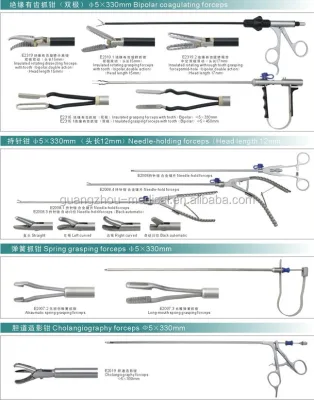


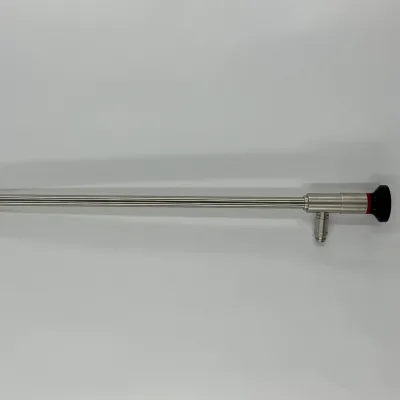
Medical Laparoscopic Endoscope High-Precision Rigid Laparoscope 10mm 0 Degree Laparoscope
$500.00 - $700.00
MOQ: 1 pieces

High Quality Laparoscopic Endoscope Rigid 5/10mm 0 Degree Laparoscope
$700.00 - $1000.00
MOQ: 1 pieces


Laparoscopic Endoscopy System Rigid Laparoscope Medical Endoscope HD 0 Degree 10mm
$400.00 - $600.00
MOQ: 1 pieces


High Quality Laparoscopic Medical Equipment Endoscope Laparoscope Optic
$350.00 - $990.00
MOQ: 1 Pieces


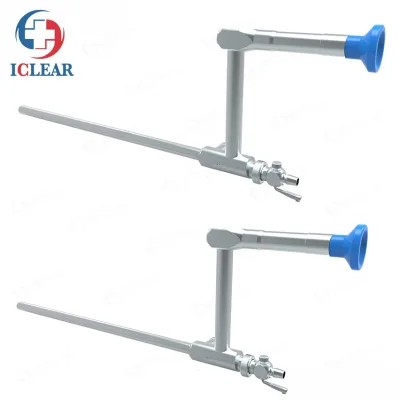


Laparoscopic Hysteroscopy Device Gynecological Surgical Instrument Endoscope
$200.00 - $10000.00
MOQ: 1 Sets


Comprehensive Sourcing Guide
Laparoscope Sourcing Guide
Selecting the right laparoscopic equipment requires a careful balance of optical precision, ergonomic design, and regulatory compliance. Buyers must navigate a market where products vary significantly in material composition, power source requirements, and intended surgical application. This guide provides a structured approach to evaluating Laparoscope listings, ensuring that procurement decisions are grounded in verified technical specifications and reliable supplier credentials rather than marketing claims.
The following sections outline the critical factors for sourcing high-quality laparoscopic instruments. By focusing on observable listing signals, technical verification, compliance documentation, and long-term quality control, procurement teams can mitigate risk and secure equipment that meets clinical standards. The guidance below is derived from observed market data and established industry practices for medical device acquisition.
Product Scope and Observed Listing Signals
The current market for laparoscopes presents a wide spectrum of options, with observed price points ranging from approximately $0.40 to $10,300 USD. This vast disparity reflects differences in manufacturing complexity, material quality, and included features such as integrated LCD displays or specialized tissue repair functionalities. Buyers should recognize that lower price points may correspond to basic metal or plastic instruments, while higher values often indicate advanced electronic endoscopes with enhanced optical clarity and durability.
Minimum Order Quantities (MOQs) in this category typically range from 1 to 2,000 units, offering flexibility for both small clinics and large hospital networks. Listings frequently highlight attributes such as "fast delivery" and "good service," which are critical for maintaining surgical schedules. However, buyers must distinguish between promotional language and substantive product details, such as the specific model numbers (e.g., HP-R45, MCFE-Laparoscopy-20) and physical dimensions like diameter and length, which directly impact surgical compatibility.
Technical Specifications to Verify
Technical verification begins with confirming the physical dimensions and structural integrity of the Laparoscope. Key specifications to validate include the diameter, which may be observed as 10mm or 4mm in various listings, and the length, which commonly measures around 330mm or 183.5mm depending on the specific model. The degree of view, often specified as 0 degrees, is crucial for procedures requiring a straight-line perspective, while the material composition—typically a combination of metal and plastic or pure steel—determines the instrument's durability and resistance to corrosion.
Power source and functional capabilities are equally important for modern laparoscopic setups. Many units are classified as electronic endoscopes requiring electric power sources, while others may be manual instruments. Buyers must verify if the device includes an LCD display for enhanced visualization and confirm its application scope, such as ENT procedures or general tissue repair. Additionally, the instrument classification, often listed as Class II, indicates the level of regulatory scrutiny and safety features inherent in the design, which should align with the intended clinical use.
Compliance and Safety Documentation
Regulatory compliance is non-negotiable in medical device procurement, and buyers must ensure that suppliers provide valid certification documentation. Observed listings frequently cite ISO13485, ISO, and FDA certifications, which are essential for verifying that the manufacturing process meets international quality management standards. It is critical to request copies of these certificates and verify their authenticity, as some listings may include generic or outdated references such as "ISOCE" or "others," which do not guarantee specific regulatory approval.
Safety features and sterilization compatibility are vital for infection control in surgical environments. Buyers should confirm that the Laparoscope is autoclavable at standard temperatures, such as 134°C at 2 Bar, to ensure it can withstand repeated sterilization cycles without degradation. The shelf life, often listed as one year, and the warranty period, typically one year, provide additional layers of assurance regarding product longevity and supplier support. Verifying these details helps prevent operational disruptions caused by equipment failure or non-compliance with hospital sterilization protocols.
Cost Drivers and Commercial Terms
Understanding the factors that influence pricing is essential for effective budget management. The cost of a Laparoscope is driven by its material quality, such as the use of high-grade steel versus standard plastic, and its technical complexity, including the presence of electronic components or LCD displays. Listings with "customized" options or specific packaging requirements, such as wooden packing for sea or air shipment, may incur additional costs that should be factored into the total procurement budget.
Commercial terms, including packaging details and port of dispatch, also impact the final cost and delivery timeline. Most suppliers offer standard or carton packaging, but specialized shipping requirements may apply for international orders. Buyers should clarify the selling units, which are typically single items, and negotiate terms related to after-sale service, such as online technical support. Clear communication regarding these commercial aspects ensures that there are no hidden fees or unexpected logistical challenges during the procurement process.
Supplier Qualification and Quality Control
Supplier qualification involves assessing the manufacturer's location and production capabilities. Many Laparoscope suppliers are based in regions such as Jiangsu, Guangdong, and Zhejiang in China, which are known for their manufacturing expertise in medical instruments. Buyers should verify the supplier's ability to provide consistent quality, as indicated by attributes like "good quality" and "reusable" design. Requesting samples or conducting factory audits can provide valuable insights into the manufacturing processes and quality control measures in place.
Quality control checks should include verifying the instrument's durability and performance under clinical conditions. Buyers should inquire about the supplier's testing procedures and whether they adhere to specific standards, such as those indicated by model numbers like HD0117 or HF2010.5. Ensuring that the supplier offers reliable after-sale support, including technical assistance and warranty claims, is crucial for maintaining the longevity and functionality of the Laparoscope. A qualified supplier will provide transparent information about their production standards and customer service capabilities.
Long-Term Procurement Checks
Long-term procurement success depends on establishing a robust relationship with suppliers who can provide consistent quality and support. Buyers should monitor the supplier's performance over time, tracking metrics such as delivery times, product defect rates, and responsiveness to technical issues. Regular reviews of the Laparoscope's condition after sterilization cycles can help identify potential wear and tear, ensuring that replacements are made before they impact surgical outcomes.
Continuous engagement with suppliers regarding updates in technology and regulatory requirements is also essential. As medical standards evolve, suppliers may introduce new models with enhanced features or improved compliance with international regulations. By maintaining open communication and staying informed about industry developments, buyers can ensure that their laparoscopic equipment remains up-to-date and compliant with the latest clinical and safety standards. This proactive approach minimizes risk and supports the efficient operation of surgical departments.
FAQs
What certifications do the laparoscopes hold?
The laparoscopes hold ISO13485 and ISO certifications. Some models also carry FDA and ISOCE certifications. These quality certifications ensure the instruments meet international medical device standards for safety and performance in surgical procedures.
Which Laparoscope models are available for purchase?
Available models include HP-R45, MCFE-Laparoscopy-20, SY-P003-1, HF0001, HD0117, and HF2010.5. These models vary in specifications such as diameter and length, offering options like 0-degree viewing angles and specific dimensions for different surgical needs.
Can I get customized Laparoscope instruments?
Yes, customized Laparoscope instruments are available upon request. The products support customization features to meet specific surgical requirements. Buyers should contact suppliers directly to discuss specific customization needs and associated production timelines.
How are the laparoscopes packaged for shipment?
The instruments are packaged in cartons or wooden packing suitable for sea or air shipment. Some items use standard packing details. This packaging ensures the metal and plastic components remain secure during transit from the port of dispatch in Guangzhou.
What is the shelf life of these instruments?
The shelf life is one year from the date of manufacture. This duration applies to the electronic endoscopes and other laparoscopic tools listed. Proper storage conditions are required to maintain the integrity of the metal and plastic materials during this period.
Where are these laparoscopes manufactured?
These instruments originate from Jiangsu, Guangdong, and Tonglu, Zhejiang in China. The products are manufactured by suppliers like Mecan. The diverse origins indicate a broad manufacturing base within China for these Class II medical devices.
What after-sale service is provided for these products?
Online technical support is provided as the primary after-sale service. This ensures buyers receive assistance with product usage and troubleshooting. The warranty period is typically one year, covering specific defects or performance issues under normal operating conditions.