Source Laparoscopy Bipolar Forceps for Abdominal Burns Surgery
Find 30 Laparoscopy Bipolar Forceps from verified manufacturers in Zhejiang, China. Compare Class II and Class I instruments with working lengths up to 330mm, CE and ISO 13485 certifications, and reusable designs for abdominal and laparoscopy operations.
Key considerations
Products List
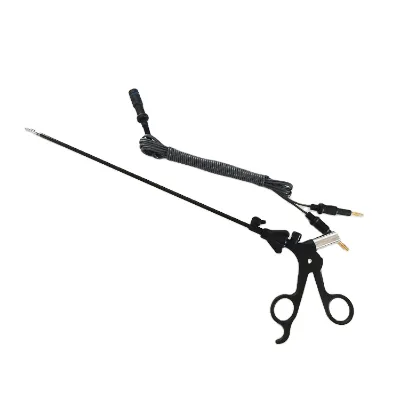
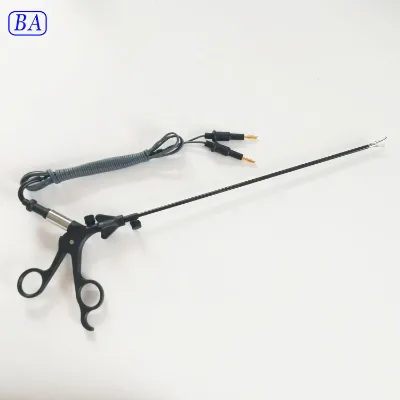
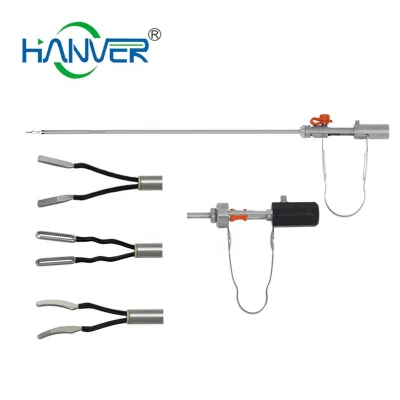
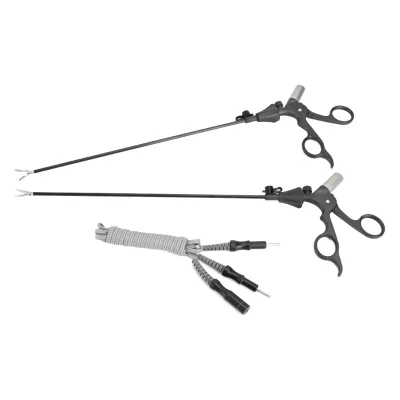


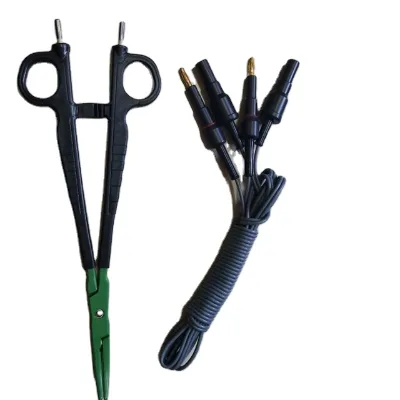
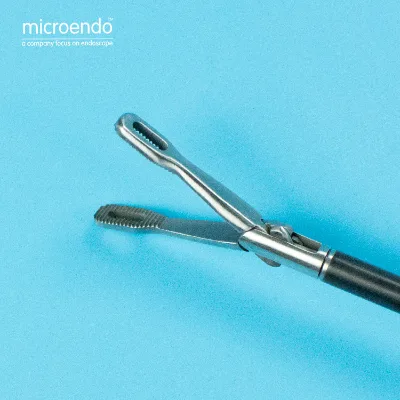
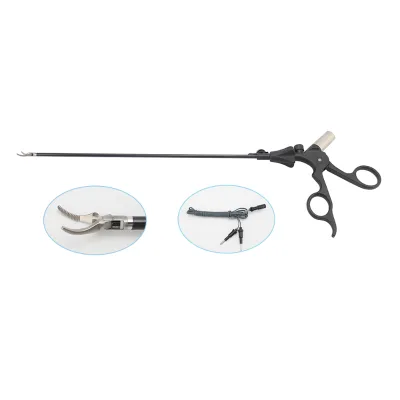
China Manufacture Factory Laparoscopic Bipolar Forceps Bipolar Forceps
$133.24 - $148.61
MOQ: 1 Minimum
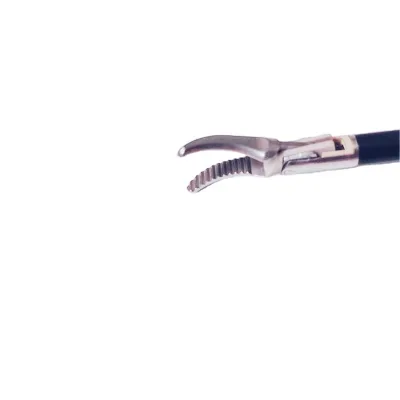
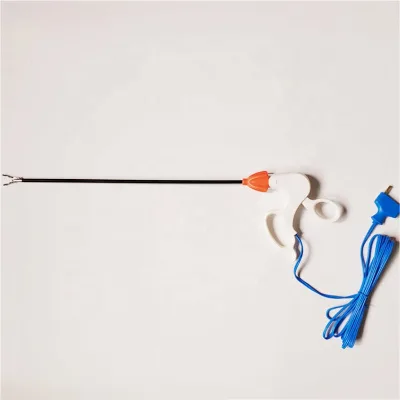
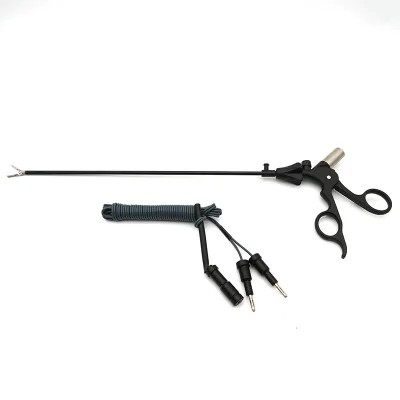
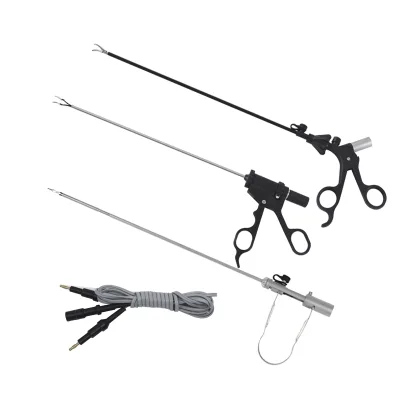


Comprehensive Sourcing Guide
Strategic Sourcing Guide for Laparoscopy Bipolar Forceps
Understanding Technical Specifications and Instrument Classification
When sourcing Laparoscopy Bipolar Forceps, the primary objective is to identify instruments that align with specific surgical requirements while maintaining rigorous safety standards. The market presents a diverse array of options, but buyers must first distinguish between the varying technical classifications and physical attributes of available units. A critical observation in the current supply landscape is the variation in instrument classification. Some listings explicitly categorize these devices as Class II, indicating a higher level of regulatory scrutiny due to the potential risks associated with their use, while other entries in the same category list them as Class I. This discrepancy necessitates a careful review of the specific product datasheet to ensure the classification matches the intended surgical environment and local regulatory requirements.
The physical construction of these forceps is equally vital. The core material composition is predominantly metal, with steel being the most frequently cited alloy. Some specific models incorporate a combination of steel and plastic, likely to reduce weight or enhance grip, while others maintain a pure metallic construction. The diameter of the working shaft is a standardized dimension in many high-volume listings, often observed at 5mm, which is the standard port size for many laparoscopic procedures. However, buyers must verify this dimension for every specific model, as variations exist. The working length is another critical specification; observed data points to a standard working length of 330mm, which is essential for ensuring adequate reach during abdominal and laparoscopic operations without compromising the surgeon's leverage or control.
Power delivery is the defining feature of bipolar instruments. Unlike monopolar tools that rely on a return pad, bipolar forceps deliver current directly between the two jaws. The electrical specifications in the market often include a dedicated bipolar cable, with some listings specifying a 4x3000mm cable configuration. This length is crucial for navigating the operating room setup and connecting to the electrosurgical generator. The power source is consistently electric, and the instruments are designed to be reusable, which significantly impacts the long-term cost of ownership. The color of the instrument is generally described as metallic or "Other," but this is often a secondary aesthetic detail compared to the functional specifications. The application is universally noted for laparoscopy operations, specifically for abdominal procedures, ensuring the tool is suitable for coagulating tissue in minimally invasive surgeries.
Compliance, Certification, and Regulatory Standards
Navigating the regulatory landscape is perhaps the most critical phase of sourcing medical devices. The safety and efficacy of Laparoscopy Bipolar Forceps depend heavily on the certifications held by the manufacturer. In the observed market data, a range of certifications appears, including CE, ISO 13485, FDA, and SGS. The presence of CE marking indicates conformity with health, safety, and environmental protection standards for products sold within the European Economic Area. ISO 13485 is a specific quality management system standard for medical devices, suggesting that the manufacturer has a robust system in place for design control, risk management, and production consistency.
However, buyers must exercise caution when interpreting these certifications. While some listings explicitly state "ISO 13485" and "CE" together, others list "FDA" and "SGS" alongside CE. It is important to note that the FDA is a regulatory body in the United States, and having FDA clearance or approval is a distinct process from the CE mark. Similarly, SGS is a third-party inspection and certification company, not a regulatory body itself, though their testing reports are often used to support compliance claims. The safety standard GB2626-2006 is also mentioned in specific product attributes, which is a Chinese national standard. This indicates that the product may be manufactured for the domestic Chinese market or that the manufacturer adheres to specific regional safety protocols.
The shelf life of these instruments is another compliance-related factor. Listings vary between 1 year and 2 years. This duration is critical for inventory management and sterilization planning. If a product has a shelf life of only one year, it requires tighter supply chain coordination to prevent expiration before use. Furthermore, the sterilization method is a key compliance point. High-temperature sterilization is the standard method observed for these reusable instruments. Buyers must ensure that the packaging and the instrument design are compatible with the sterilization cycles used in their specific facility. Failure to match the sterilization method with the instrument's design can lead to damage or ineffective sterilization, posing a direct risk to patient safety.
Cost Drivers and Pricing Dynamics
The pricing structure for Laparoscopy Bipolar Forceps is influenced by a complex interplay of factors, including material quality, certification status, and brand reputation. The observed price range in the market is substantial, spanning from approximately 20 USD to over 409 USD. This wide variance suggests that the market is segmented into different tiers of quality and functionality. Lower-priced items may be generic models with standard specifications, while higher-priced items likely include advanced features, superior materials, or more comprehensive certification packages.
Material costs are a primary driver. Instruments made from high-grade stainless steel with precise machining tolerances will naturally command a higher price than those with mixed material compositions or less rigorous manufacturing processes. The inclusion of plastic components, as seen in some listings, might reduce material costs but could also affect the durability and thermal conductivity of the instrument. The complexity of the design, such as the specific jaw configuration (e.g., Maryland grasper vs. standard forceps), also impacts the price.
Brand name is another significant factor. Listings feature brands such as BA, BRITESS, HANVER, and Medeasy. Established brands often carry a premium due to their reputation for reliability, after-sales support, and consistent quality. The "BA" brand, for instance, is associated with specific model numbers like BA017.7, while "BRITESS" is linked to models like BA017. The presence of a recognized brand can be a proxy for quality assurance, but it does not guarantee it without independent verification.
The minimum order quantity (MOQ) is another cost consideration. In the observed data, the MOQ is consistently listed as 1 unit. This low barrier to entry allows buyers to test specific models without committing to large inventory purchases. However, buyers should be aware that while the MOQ is low, the unit price may be higher for single-item purchases compared to bulk orders. The selling units are typically listed as "Single item," which simplifies the procurement process for small clinics or for initial trials.
Typical Applications and Surgical Utility
Laparoscopy Bipolar Forceps are designed for a specific set of surgical applications, primarily within the realm of minimally invasive surgery. The core application is for laparoscopy operations, where the instrument is used to grasp, manipulate, and coagulate tissue. The bipolar nature of the forceps allows for precise coagulation with minimal lateral thermal spread, which is essential for preserving surrounding healthy tissue during delicate procedures.
The specific applications noted in the market data include abdominal surgeries. This broad category encompasses a wide range of procedures, from diagnostic laparoscopy to complex therapeutic interventions. The instrument's ability to function as both a grasper and a coagulator makes it a versatile tool in the surgeon's arsenal. Some listings specifically mention "Maryland" and "Grasper" as color or style descriptors, indicating that the instrument may have a specific jaw shape designed for better tissue handling. The "Burns Surgery Instruments" property listed in some attributes suggests that these tools may also be utilized in burn care settings, although their primary design is for laparoscopic use.
The working length of 330mm is particularly relevant for laparoscopic applications. This length ensures that the surgeon can reach deep into the abdominal cavity while maintaining a comfortable distance from the patient's body. The 5mm diameter is standard for many laparoscopic ports, allowing the instrument to pass through standard trocars without requiring larger incisions. The electric cable length of 3000mm (3 meters) is crucial for connecting the instrument to the electrosurgical generator, providing enough slack for the surgeon to move freely without the risk of disconnection or tension on the cable.
Supplier Evaluation and Quality Assurance
Evaluating suppliers for Laparoscopy Bipolar Forceps requires a multi-faceted approach that goes beyond simply checking the listed price or certifications. The place of origin is a significant factor in the supply chain. The majority of the observed products originate from Zhejiang, China, a region known for its manufacturing capabilities in medical devices. While this location offers competitive pricing and a wide range of options, it also necessitates a thorough vetting process to ensure that the manufacturing standards meet international expectations.
Buyers should prioritize suppliers who offer comprehensive after-sales support. The market data indicates that "Online Technical Support" is a common feature, which is valuable for troubleshooting instrument issues or providing guidance on proper usage. Additionally, the availability of OEM (Original Equipment Manufacturer) services suggests that some suppliers are willing to customize products, which can be beneficial for hospitals looking to brand instruments or modify specific features. The "Customization: Available" attribute highlights the flexibility of the supply chain, allowing buyers to tailor instruments to their specific needs.
Quality control is paramount. The "Reusable" feature implies that the instrument must withstand multiple cycles of sterilization and use without degrading. Buyers should request documentation on the durability of the instrument, including the number of sterilization cycles it can withstand. The shelf life of 1 to 2 years must be clearly defined, and the supplier should provide evidence of the testing methods used to determine this duration. The "Single gross weight" and "Single package size" data points, such as 5.000 kg for a 56x16x7 cm package, are useful for logistics planning but should not be the sole criteria for quality assessment.
Long-Term Procurement and Lifecycle Management
Sourcing Laparoscopy Bipolar Forceps is not just a one-time transaction but a long-term commitment that involves lifecycle management. The "Reusable" nature of these instruments means that the total cost of ownership includes not only the initial purchase price but also the costs associated with sterilization, maintenance, and eventual replacement. The warranty period, typically listed as 1 year, is a key factor in this calculation. A robust warranty can provide peace of mind and financial protection against premature failure.
The "After-sale Service" aspect is critical for long-term procurement. Suppliers that offer online technical support and customization options are better positioned to support the buyer over the life of the instrument. The "Group: Adult" specification indicates that the instrument is designed for adult patients, which is a standard classification but should be verified if pediatric applications are ever considered.
Inventory management is another consideration. With a shelf life of 1 to 2 years, buyers must implement a first-in, first-out (FIFO) system to ensure that instruments are used before they expire. The low MOQ of 1 unit allows for flexible inventory management, enabling buyers to restock as needed without overstocking. However, the wide price range suggests that buyers should consider the trade-off between cost and quality when making bulk purchasing decisions.
Finally, the "Product name" and "Model Number" variations, such as BA017.7, BA017, HF6518.015, and M1775S, highlight the importance of maintaining accurate records. Buyers should ensure that their procurement systems track these specific model numbers to facilitate easy reordering and compatibility checks. The "Standard" and "Safety standard" references, such as GB2626-2006, should be integrated into the supplier evaluation criteria to ensure ongoing compliance with local and international regulations. By focusing on these long-term considerations, buyers can build a sustainable and efficient supply chain for their Laparoscopy Bipolar Forceps needs.
FAQs
What certifications do Laparoscopy Bipolar Forceps typically hold?
These instruments commonly hold CE and ISO 13485 certifications. Some listings also display FDA and SGS marks, while others reference the GB2626-2006 safety standard for domestic compliance.
How is the working length of these forceps defined?
The standard working length observed is 330mm. This dimension ensures adequate reach for abdominal and laparoscopic procedures while maintaining surgeon control during minimally invasive operations.
Which material composition is standard for these surgical tools?
The primary material is metal, specifically steel. Some models incorporate a combination of steel and plastic, while others maintain a pure metallic construction for durability and thermal conductivity.
Can these instruments be reused after sterilization?
Yes, the instruments are designed as reusable surgery tools. They typically undergo high-temperature sterilization cycles, with a shelf life ranging from one to two years depending on the specific model.
What is the minimum order quantity for purchasing these items?
The minimum order quantity is consistently one unit. This low barrier allows buyers to test specific models or purchase single items without committing to large inventory volumes.
Where are these Laparoscopy Bipolar Forceps typically manufactured?
The place of origin is predominantly Zhejiang, China. This region is a known manufacturing hub for medical devices, offering a wide range of options with competitive pricing structures.