Source Laptop Battery for Dell, Lenovo, and HP Notebooks
Explore 30 verified Laptop Battery options including models for Dell E6430u, Lenovo Y460, and HP 13-7368. Compare specifications like voltage, capacity, and certifications to find the right power solution for your business needs.
Key considerations
Products List


Cheap Price Laptop Battery Y460 11.1V 5000mAh Rechargeable Replacement Batteries
$10.55 - $13.99
MOQ: 10 Pieces


Replacement Laptop Battery for Z1401 11.1V Power Supply Electric Battery
$10.00 - $20.00
MOQ: 10 Pieces


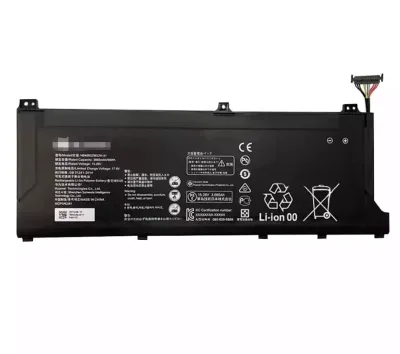


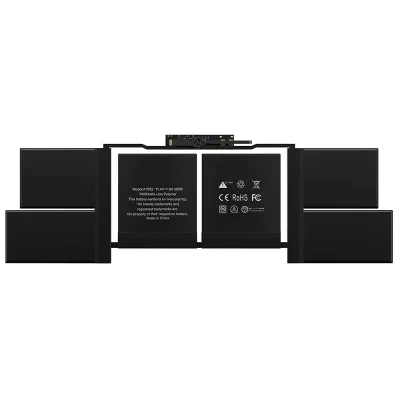
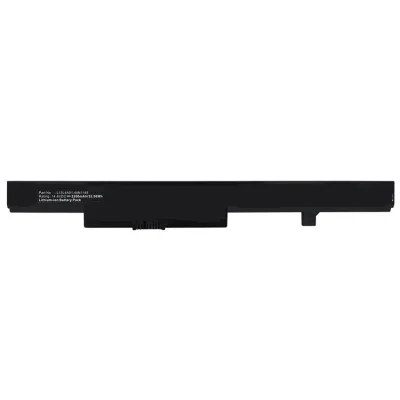


Hot Sales Replacement Battery Cells Laptop Battery CB502V7 14.8V for Lenovo
$28.50 - $29.00
MOQ: 1000 Pieces

Notebook Laptop Battery Ly9078c in Sale Replacement Cells Price for Applicable
$28.50 - $29.00
MOQ: 1000 Pieces

Factory Supply Replacement Endurance High-Power Laptop Battery Ly89vb5 with CE
$28.50 - $29.00
MOQ: 1000 Pieces
Comprehensive Sourcing Guide
Strategic Sourcing Guide for Laptop Battery Procurement
Understanding Technical Specifications and Compatibility
When initiating a procurement strategy for laptop batteries, the primary objective is to align technical specifications with the specific requirements of the target device. The market offers a diverse array of options, ranging from lithium polymer (Li-Po) to other lithium-based chemistries, each presenting distinct performance characteristics. Buyers must rigorously verify the nominal voltage and capacity to ensure compatibility with the host system. Observed data indicates that standard configurations often center around a nominal voltage of 11.1V, with capacities varying significantly based on the model, such as 4400mAh, 5000mAh, or 5200mAh. Some specialized units may operate at 11.4V or 12V, necessitating precise verification before bulk ordering.
The physical form factor is equally critical. Batteries are often categorized by their internal cell arrangement, with prismatic sizes being a common observation in the current supply landscape. The weight of the unit is a direct function of its capacity and material composition; for instance, units with capacities around 5000mAh may weigh approximately 280g to 350g, while higher capacity packs can reach similar or slightly higher weights depending on the packaging density. Buyers should also scrutinize the discharge characteristics, as these are frequently dependent on the specific datasheet provided by the manufacturer rather than a universal standard.
| Specification Parameter | Observed Range/Value | Verification Requirement |
|---|---|---|
| Nominal Voltage | 11.1V, 11.4V, 12V | Match exact device requirement |
| Capacity | 3800mAh to 5200mAh | Confirm based on model number |
| Material Type | Li Polymer | Verify chemical safety standards |
| Weight | 280g to 350g | Check physical constraints |
| Cycle Life | Over 500 Times | Confirm testing methodology |
Compliance and Certification Verification
In the global electronics supply chain, compliance is not merely a regulatory formality but a fundamental indicator of product safety and market eligibility. When sourcing laptop batteries, buyers must demand evidence of recognized international certifications. The observed market data highlights a cluster of certifications including CE, UL, CB, TUV, RoHS, CTIA, and KC. These certifications serve as proof that the product has undergone rigorous testing for electrical safety, electromagnetic compatibility, and environmental restrictions on hazardous substances.
The CE mark indicates conformity with health, safety, and environmental protection standards for products sold within the European Economic Area. Similarly, RoHS compliance ensures that the battery does not contain restricted hazardous materials, which is crucial for environmental regulations in many jurisdictions. For markets in North America, UL certification is often a prerequisite, while CB and TUV provide international recognition of safety standards. The presence of CTIA and KC certifications suggests suitability for specific regional markets, such as the United States and South Korea, respectively.
Buyers should treat the presence of these certifications as a baseline requirement rather than a guarantee of quality. It is essential to request valid test reports from accredited laboratories to verify that the certifications are current and applicable to the specific batch being purchased. Relying solely on a supplier's claim of compliance without documentary evidence introduces significant risk. Furthermore, the recyclability status of the battery must be clearly defined, as some products are labeled as recyclable while others may be classified as non-recyclable, impacting end-of-life disposal strategies and environmental compliance obligations.
Cost Drivers and Pricing Dynamics
The pricing structure for laptop batteries is influenced by a complex interplay of factors, including material costs, certification expenses, and order volume. The observed price range in the market spans from 1 to 99 USD, reflecting the vast diversity in product quality, capacity, and brand positioning. Several key drivers contribute to this variance. First, the capacity of the battery is a primary cost determinant; units with higher mAh ratings, such as 5200mAh compared to 3800mAh, generally command a higher price due to the increased amount of raw materials required.
Second, the level of certification held by the product significantly impacts the cost. Batteries that have undergone comprehensive testing for multiple international standards (e.g., CE, UL, TUV, KC) incur higher manufacturing and testing costs, which are passed on to the buyer. Third, the brand reputation and the grade of the product play a role. Products marketed as "a+ Grade" or "100% Original" often carry a premium compared to generic alternatives, reflecting perceived reliability and performance consistency.
Minimum Order Quantity (MOQ) is another critical factor in cost management. The observed MOQ range extends from 1 to 1000 units, offering flexibility for different procurement strategies. Small businesses or those testing the market may opt for lower MOQs, albeit at a higher unit cost, while large-scale distributors can leverage economies of scale by ordering in bulk to reduce the per-unit price. Additionally, customization options, such as specific branding or packaging requirements, can introduce additional costs that must be factored into the total cost of ownership. Buyers should analyze the total cost, including shipping and potential tariffs, rather than focusing solely on the unit price.
Typical Applications and Market Segmentation
Laptop batteries serve a wide range of applications, primarily driven by the specific needs of the end-user and the design of the host device. The core application for these products is clearly defined as powering laptop computers and tablet devices. However, the specific compatibility extends to various manufacturers and model lines. For example, specific model numbers like E6430u, SL410, and Y460 indicate targeted compatibility with Dell and Lenovo devices, respectively. This specificity underscores the importance of matching the battery model number to the laptop's original equipment manufacturer (OEM) specifications.
Beyond general computing, the market also sees applications in specialized sectors where portability and power density are paramount. The "Intelligent Charger" style and "USB Charger" attributes suggest that some battery solutions are integrated with advanced charging management systems, suitable for modern laptops that require precise power delivery. The "Socket Type" for E.U. indicates that certain accessories or charging interfaces are tailored for specific regional power standards, further segmenting the market.
The application scope also includes the need for high-reliability power sources in professional environments. Batteries with a cycle life of over 500 times are particularly valuable for business users who require long-term durability and consistent performance. The "Battery Pack" attribute confirms that these are complete units designed for direct replacement, eliminating the need for complex assembly. Buyers should categorize their procurement needs based on the intended device type, ensuring that the selected battery meets the specific power and physical requirements of the target laptop or tablet.
Supplier Evaluation and Origin Considerations
Evaluating potential suppliers requires a multi-faceted approach that goes beyond simple price comparisons. The origin of the product is a significant factor, with a high concentration of supply originating from Guangdong, China. This region is known for its robust electronics manufacturing ecosystem, offering a wide variety of suppliers with varying levels of expertise. However, the geographic origin should not be the sole determinant of supplier quality. Buyers must assess the supplier's track record, production capacity, and ability to meet quality standards.
Key evaluation criteria include the supplier's commitment to quality control and their willingness to provide detailed product documentation. The "a+ Grade" and "100% Original" claims observed in the market should be substantiated through third-party audits or verified quality reports. Additionally, the availability of customization services is a strong indicator of a supplier's flexibility and customer-centric approach. Suppliers that offer customization for branding, packaging, or specific technical requirements are better positioned to meet the unique needs of B2B buyers.
The warranty period is another critical metric for supplier evaluation. A standard warranty of 1 year is commonly observed, but buyers should negotiate terms that align with their risk tolerance and operational needs. The supplier's ability to honor warranty claims and provide timely replacements is essential for maintaining business continuity. Furthermore, buyers should verify the supplier's inventory management and lead time capabilities to ensure a steady supply chain. A supplier with a robust logistics network and clear communication channels is more likely to deliver consistent service.
Quality Control and Long-Term Procurement Strategy
Implementing a robust quality control (QC) process is essential for mitigating risks associated with battery procurement. Given the potential safety hazards and performance variability, buyers should establish clear QC protocols that include pre-shipment inspections and random sampling. The "Discharge" characteristics, which depend on the datasheet, must be verified against the supplier's specifications to ensure they meet the required performance standards. Testing for cycle life, voltage stability, and thermal performance should be part of the QC checklist.
Long-term procurement considerations involve building a sustainable relationship with suppliers who can adapt to changing market demands and technological advancements. Buyers should prioritize suppliers who demonstrate a commitment to continuous improvement and innovation. The ability to provide consistent quality over time is crucial for maintaining the reliability of the end-user experience. Additionally, buyers should consider the environmental impact of their procurement decisions, favoring suppliers who prioritize recyclability and adhere to strict environmental standards.
The "Product Name" and "Model Number" consistency is vital for long-term inventory management. Ensuring that the sourced batteries match the exact specifications of the devices they power prevents compatibility issues and reduces the risk of returns. Buyers should also monitor the market for emerging standards and certifications, adjusting their procurement strategy accordingly. By maintaining a proactive approach to quality control and supplier relationship management, buyers can secure a reliable supply of high-quality laptop batteries that meet their operational and strategic objectives.
FAQs
What certifications do laptop batteries typically have?
Laptop batteries typically hold certifications such as CE, UL, CB, TUV, RoHS, CTIA, and KC. These marks indicate compliance with international safety and environmental standards, ensuring the product meets regulatory requirements for specific regions like Europe, North America, and South Korea.
Which voltage and capacity options are available?
Available options include nominal voltages of 11.1V, 11.4V, and 12V with capacities ranging from 3800mAh to 5200mAh. Buyers must verify the exact voltage and capacity against their specific laptop model number to ensure proper compatibility and safe operation.
Can I find customizable Laptop Battery suppliers?
Yes, customization is available for laptop batteries to meet specific branding or packaging needs. Suppliers often offer flexible options for product names, model numbers, and packing configurations, allowing buyers to tailor orders to their unique business requirements.
What is the warranty period for these batteries?
The standard warranty period for these laptop batteries is 1 year. This coverage typically protects against manufacturing defects, though specific terms may vary by supplier and should be confirmed before placing a bulk order.
How does the material type affect performance?
Most observed units use Li Polymer material, which offers a balance of weight and energy density. The material choice influences the overall weight, which typically ranges from 280g to 350g, and impacts the cycle life, often exceeding 500 times.
Where are these laptop batteries manufactured?
These laptop batteries are primarily manufactured in Guangdong, China. This region is a major hub for electronics production, offering a wide range of suppliers with varying capabilities in terms of capacity, certification, and customization services.