Source Laptop Tables for Home Office, Bedroom, and Study
Find 30 Laptop Table options for home office, bedroom, and study use. Compare materials like plastic, ABS, and wood, along with features such as foldable designs, height adjustments, and lightweight portability for various indoor settings.
Key considerations
Products List

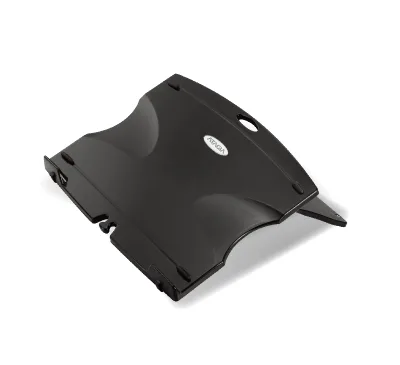


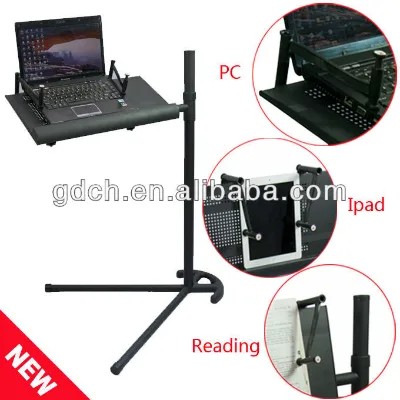


Comprehensive Sourcing Guide
Laptop Table Sourcing Guide
Sourcing laptop tables requires a nuanced understanding of diverse product categories, ranging from lightweight, portable stands designed for travel to sturdy, stationary desks intended for home office or bedroom use. Buyers must first distinguish between these distinct use cases, as the material composition, structural integrity, and ergonomic features vary significantly. For instance, plastic foldable trays are optimized for casual, on-the-go usage in environments like beaches or parks, whereas wooden or ABS-based desks are engineered for sustained professional work in offices or living rooms. This initial segmentation is critical for aligning supplier capabilities with specific operational needs, ensuring that the selected product meets both functional demands and aesthetic preferences.
The procurement landscape for laptop tables is characterized by a wide variance in customization options, material choices, and minimum order quantities (MOQs). Suppliers often offer OEM and ODM services, allowing brands to tailor products with specific branding, colors, or structural adjustments. However, this flexibility comes with varying MOQs, which can range from small batches for sample testing to large volumes for mass distribution. Buyers need to evaluate their inventory turnover rates and market demand forecasts carefully to determine the optimal order size, balancing the cost benefits of bulk purchasing against the risks of holding excess stock. Understanding these commercial dynamics is essential for negotiating favorable terms and maintaining healthy cash flow.
Product Scope and Observed Listing Signals
The market for laptop tables encompasses a broad spectrum of designs, including foldable TV trays, adjustable angle desks, and stationary bed tables. Observed listings indicate that materials such as plastic, ABS, and wood are prevalent, each offering distinct advantages in terms of durability, weight, and cost. Plastic models are often highlighted for their lightweight nature and portability, making them suitable for casual dining or temporary workspaces. In contrast, wooden desks with melamine paper faces and poplar core panels provide a more robust surface for serious computing tasks, often featuring higher weight capacities and enhanced stability. Buyers should carefully review product specifications to ensure the material aligns with the intended application, whether it is for frequent travel or permanent installation.
Another key signal in product listings is the emphasis on customization and feature sets. Many suppliers advertise adjustable angles, such as 15, 25, and 35 degrees, to enhance ergonomic comfort and reduce strain during prolonged use. Additionally, features like non-skid surfaces, height adjustments, and compact folded dimensions are frequently marketed to appeal to users seeking versatility. The presence of OEM and ODM capabilities suggests that buyers can request specific modifications, such as custom colors or branding, to differentiate their offerings in the market. However, it is important to verify that these customizations do not compromise the structural integrity or safety of the product, as excessive modifications can lead to quality issues.
Technical Specifications to Verify
When evaluating laptop tables, buyers must scrutinize technical specifications to ensure compatibility with their target devices and usage scenarios. Key parameters include the maximum compatible laptop size, weight capacity, and overall dimensions in both unfolded and folded states. For example, some models are designed to accommodate laptops up to 15 inches, while others may support larger screens. The folded dimensions are particularly important for products marketed as portable, as they determine the ease of storage and transport. Buyers should request detailed dimension charts and weight specifications from suppliers to verify that the product meets their specific requirements, avoiding assumptions based on generic product descriptions.
Structural components and assembly mechanisms are also critical technical aspects that require verification. The frame material, whether it is steel tubes, plastic, or wood, directly impacts the table's durability and stability. Buyers should inquire about the thickness of the frame tubes and the quality of the joints to ensure the table can withstand regular use without wobbling or breaking. Additionally, the type of hinges or adjustment mechanisms used for angle changes should be examined for smooth operation and long-term reliability. Suppliers may provide technical drawings or material certificates, which can help buyers assess the quality of construction and identify potential points of failure before placing large orders.
Compliance and Safety Documentation
Compliance with safety and quality standards is a non-negotiable aspect of sourcing laptop tables, particularly for products intended for use in regulated markets. Buyers should verify that suppliers hold relevant certifications, such as ISO standards, which indicate adherence to quality management systems. Additionally, materials used in the construction of the tables, especially plastics and woods, should comply with environmental and health regulations, such as restrictions on hazardous substances. Suppliers may provide test reports or material safety data sheets (MSDS) to demonstrate compliance, which buyers should review carefully to ensure that the products meet the legal requirements of their target markets.
Packaging and labeling standards are also important considerations for compliance and logistics. Proper packaging is essential to protect the product during transit and prevent damage, which can lead to customer complaints and returns. Buyers should ensure that the packaging meets the required durability standards and includes all necessary labeling, such as barcodes, safety warnings, and assembly instructions. Furthermore, compliance with labeling regulations in the destination country, such as language requirements and recycling symbols, must be verified. Suppliers should be able to provide samples of the packaging and labeling for approval before mass production begins, ensuring that all regulatory requirements are met.
Cost Drivers and Commercial Terms
The cost of laptop tables is influenced by several factors, including material costs, manufacturing complexity, and order volume. Plastic and ABS materials are generally more cost-effective than wood, but the latter may offer higher perceived value and durability. Manufacturing complexity, such as the inclusion of adjustable angles or folding mechanisms, can also increase production costs. Buyers should request detailed cost breakdowns from suppliers to understand how these factors impact the final price. Additionally, the MOQ plays a significant role in pricing, with larger orders typically benefiting from economies of scale. Negotiating favorable MOQs and pricing tiers can help buyers optimize their procurement costs and improve profit margins.
Commercial terms, such as payment terms, lead times, and shipping arrangements, are critical components of the sourcing process. Buyers should negotiate clear payment terms that align with their cash flow needs, such as partial payments upfront and the balance upon shipment. Lead times can vary depending on the order size and customization requirements, so it is important to establish realistic timelines and communicate them clearly with the supplier. Shipping arrangements, including the choice of port and mode of transport, also impact the overall cost and delivery schedule. Buyers should work with suppliers to optimize logistics, ensuring that products are delivered on time and within budget.
Supplier Qualification and Quality Control
Supplier qualification is a crucial step in the sourcing process, as it ensures that the selected partner has the capability and reliability to meet procurement requirements. Buyers should conduct thorough due diligence on potential suppliers, including verifying their business licenses, production capacity, and quality control systems. Site visits or third-party audits can provide valuable insights into the supplier's manufacturing processes and working conditions. Additionally, buyers should request references or case studies from previous clients to assess the supplier's track record and reliability. Establishing a strong relationship with a qualified supplier can help mitigate risks and ensure consistent product quality.
Quality control measures should be implemented throughout the production process to identify and address potential issues early. Buyers should establish clear quality standards and inspection criteria, which can be verified through pre-production samples, in-process inspections, and final random inspections. Suppliers should be required to provide detailed inspection reports and photos for each batch, allowing buyers to monitor quality closely. Additionally, buyers should consider implementing a penalty clause for non-conforming products to incentivize suppliers to maintain high quality standards. Regular communication and feedback with the supplier can also help improve quality over time and foster a collaborative partnership.
Long-Term Procurement Checks
Long-term procurement success depends on continuous monitoring and evaluation of supplier performance and product quality. Buyers should establish key performance indicators (KPIs) to track metrics such as on-time delivery, defect rates, and customer satisfaction. Regular reviews of these metrics can help identify areas for improvement and ensure that the supplier remains aligned with procurement goals. Additionally, buyers should stay informed about market trends and technological advancements in the Laptop Table industry, as this can inform future sourcing decisions and product development. Building a flexible and responsive supply chain is essential for adapting to changing market conditions and maintaining a competitive edge.
Sustainability and ethical sourcing practices are increasingly important considerations for long-term procurement. Buyers should evaluate suppliers' commitment to environmental responsibility and social compliance, such as their use of sustainable materials and fair labor practices. Incorporating these factors into the sourcing strategy can enhance brand reputation and meet the growing demand for ethically produced goods. Furthermore, buyers should consider developing contingency plans for supply chain disruptions, such as identifying alternative suppliers or diversifying sourcing locations. By proactively addressing these long-term challenges, buyers can build a resilient and sustainable procurement operation that supports business growth and success.
FAQs
Can I customize the Laptop Table design?
Yes, customization is available for many models. Buyers can request OEM or ODM services to tailor the product to specific brand needs. This allows for unique styling and functional adjustments to meet distinct market requirements or corporate identity standards.
What materials are used for laptop tables?
Laptop tables are commonly constructed from plastic, ABS, or wood. Some models feature steel tube frames for durability. The choice of material affects the weight, cost, and aesthetic, with options ranging from lightweight portable designs to sturdy wooden desks.
What is the typical MOQ for these products?
The minimum order quantity varies by supplier and product type. Observed MOQs range from 1 piece for stock items to 3500 pieces for bulk orders. Specific models may have a standard MOQ of 500 pieces, so buyers should verify requirements.
Are these tables suitable for outdoor use?
Certain models are designed for both indoor and outdoor dining. These tables are suitable for use in parks, beaches, and cafes. They typically feature lightweight and foldable designs, making them portable and practical for various environments beyond the home office.
What certifications do these products have?
Some laptop tables carry ISO certification, indicating adherence to quality management standards. Buyers should verify specific certifications for their target markets. Certification availability depends on the manufacturer and the specific product model being sourced for compliance and safety requirements.
How are the tables packaged for shipping?
Packaging details vary by model. Some are packed in cartons with specific quantities per box, such as 6 pieces or 20 pieces. Carton dimensions and gross weights are provided to assist with logistics planning. Proper packaging ensures product protection during transit.