Source Laptop Stands for Office, Home, and Travel
Find 29 Laptop Stand options for office desks, home study areas, and portable travel use. Compare bamboo, steel, and acrylic models with features like folding, 360-degree rotation, and custom branding to find the right fit for your business needs; compare the available evidence and request quotations based on your requirements.
Key considerations
Products List

$5.60 - $10.00
MOQ: 100 Pieces


Comprehensive Sourcing Guide
Laptop Stand Sourcing Guide
Procuring laptop stands requires a clear understanding of the diverse product landscape, which ranges from simple bamboo trays to complex adjustable steel frames. Buyers must first define the primary use case, whether for hotel amenities, office ergonomics, or industrial settings, as this dictates material selection and structural requirements. The observed market includes items made from bamboo, steel, and acrylic, each offering distinct aesthetic and functional benefits. Bamboo stands often appeal to eco-conscious buyers and home users, while steel and acrylic options provide durability and modern aesthetics suitable for corporate environments.
It is also critical to assess the customization capabilities of potential suppliers, as many manufacturers offer tailored solutions for branding and packaging. The supply chain shows a high degree of flexibility, with options for custom colors, logos, and packaging materials. This adaptability allows businesses to align the product with their brand identity, whether for retail distribution or corporate gifting. Understanding these variations early in the sourcing process helps in narrowing down the supplier pool to those who can meet specific design and volume requirements without compromising on quality or delivery timelines.
Product Scope and Observed Listing Signals
The current market signals indicate a wide variety of laptop stands, with observed prices ranging from $0.25 to $49 USD and minimum order quantities (MOQs) spanning from 1 to 5,000 units. This broad range suggests that buyers can find options for both small-scale trials and large-volume industrial contracts. The presence of foldable and portable designs, such as those with 360-degree rotation or multiple adjustment methods, highlights a trend toward user-centric ergonomics. These features are particularly relevant for office and study environments where space efficiency and comfort are paramount.
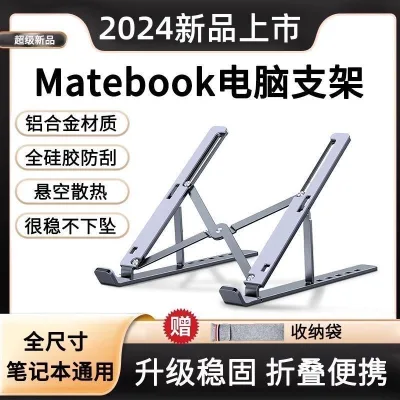
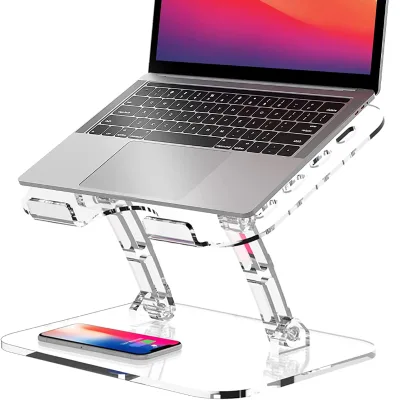
Additionally, the observed product attributes reveal a strong emphasis on customization and specific material compositions. Many listings highlight materials like bamboo and steel, with some products featuring acrylic components for display purposes. The availability of customized models, such as those with specific dimensions or branding, indicates that suppliers are equipped to handle bespoke orders. Buyers should pay close attention to these signals to identify suppliers who can deliver the specific form factor and material properties required for their target market, ensuring that the final product aligns with customer expectations.
Technical Specifications to Verify
When evaluating technical specifications, buyers should prioritize dimensions, weight, and structural integrity. Observed standard sizes include 2622.514.5cm and 152210cm, while smaller components may measure 8.89 X 6.35 X 0.64 Cm. It is essential to verify that the chosen stand can accommodate the specific laptop sizes intended for use, as compatibility is a key selling point. The weight of the product, such as the observed 245g for certain models, also plays a role in portability and user experience, so buyers should ensure that the weight aligns with the product’s intended use case, whether for travel or stationary office use.
Furthermore, the installation method and adjustment features are critical technical aspects to verify. Some stands are designed for external installation, while others may offer six methods of adjustment or 360-degree rotation. Buyers should confirm that these features are functional and durable, as they directly impact user satisfaction. Additionally, the packaging specifications, such as carton or standard packaging, should be reviewed to ensure that the product arrives in good condition. Verifying these technical details helps in avoiding post-purchase issues and ensures that the product meets the functional requirements of the end-user.
Compliance and Safety Documentation
Compliance and safety are paramount when sourcing laptop stands, especially for products intended for office or home use. Buyers should request documentation that verifies the materials used, such as bamboo, steel, or acrylic, ensuring they meet relevant safety standards. While specific certifications like ISO 9001 are mentioned in background data, buyers should not assume compliance without verification. It is crucial to ask suppliers for test reports or certificates that confirm the materials are free from harmful substances and meet local regulatory requirements.
Additionally, buyers should inquire about the product’s durability and stability, particularly for stands that support heavy laptops. Documentation should include information on load-bearing capacity and resistance to wear and tear. For products intended for industrial or exhibition use, additional safety features such as anti-theft mechanisms or secure locking systems may be required. Buyers should ensure that all safety-related claims are backed by verifiable data, as this protects both the buyer and the end-user from potential liabilities and ensures a safe product experience.
Cost Drivers and Commercial Terms
Cost drivers for laptop stands include material selection, customization level, and order volume. Bamboo and steel materials may have different cost implications compared to acrylic, and custom features such as logo printing or unique packaging can increase the unit price. Buyers should negotiate based on the observed MOQ ranges, which vary from 1 to 5,000 units, to secure favorable pricing. Understanding the cost structure helps in budgeting accurately and identifying opportunities for cost savings through volume discounts or simplified customization options.
Commercial terms also play a significant role in the overall procurement cost. Buyers should clarify payment terms, lead times, and shipping costs, as these can vary significantly between suppliers. The observed origin of products, primarily from China and Guangdong, may influence logistics costs and delivery times. It is advisable to establish clear communication regarding these terms to avoid unexpected expenses. By carefully evaluating cost drivers and commercial terms, buyers can make informed decisions that balance quality, customization, and budget constraints.
Supplier Qualification and Quality Control
Supplier qualification is a critical step in ensuring the reliability of the Laptop Stand supply chain. Buyers should verify the supplier’s production capabilities, including their ability to handle custom orders and maintain consistent quality. The observed customization options, such as color, logo, and packaging, indicate that many suppliers are equipped to handle bespoke requests. However, buyers should conduct due diligence to ensure that the supplier has the necessary infrastructure and expertise to deliver high-quality products consistently.
Quality control measures should be established to monitor the production process and final product inspection. Buyers should request samples to evaluate the build quality, material finish, and functionality of the stands. Additionally, implementing a quality assurance plan that includes regular audits and inspections can help identify and address potential issues early. By focusing on supplier qualification and robust quality control, buyers can mitigate risks and ensure that the final product meets their standards and customer expectations.
Long-Term Procurement Checks
Long-term procurement success depends on continuous monitoring of supplier performance and market trends. Buyers should establish key performance indicators (KPIs) to track delivery times, product quality, and customer satisfaction. Regular reviews of these metrics help in identifying areas for improvement and maintaining a strong supplier relationship. Additionally, staying informed about market trends, such as new materials or design innovations, can help buyers stay competitive and meet evolving customer demands.
It is also important to periodically reassess the cost structure and commercial terms to ensure they remain favorable. Market fluctuations in material costs or logistics can impact pricing, so buyers should be prepared to renegotiate terms as needed. By maintaining a proactive approach to supplier management and market analysis, buyers can ensure a stable and efficient procurement process. This long-term perspective helps in building a resilient supply chain that can adapt to changes and continue to deliver value to the business.
FAQs
Can I customize the Laptop Stand with my logo and packaging?
Yes, customization is available for color, logo, and packaging. The product supports custom-made options and is offered in a single item selling unit. You can request specific branding details to match your business needs while maintaining the modern style and durable construction.
What materials are used to construct these laptop stands?
The laptop stands are constructed from bamboo, steel, and acrylic materials. These durable and sturdy materials ensure the product remains stable during use. The design supports various applications including offices, homes, and schools while maintaining a modern aesthetic for different environments.
How portable and foldable are these laptop desk products?
These laptop stands are foldable and portable for easy transport. They feature a folded state and can be installed externally without complex tools. The lightweight design, weighing around 245 grams, makes them ideal for travel or moving between different workspaces like hotels and offices.
Which sizes of laptops are compatible with this stand?
The stand is compatible with all sizes of laptops. It features a 360-degree rotation and six adjustment methods to fit various devices. The product is designed to support computers in exhibition shows, specialty stores, and general home or office settings without size restrictions.
What are the standard specifications and dimensions for this product?
Standard specifications include dimensions like 26 by 22.5 by 14.5 cm or 15 by 22 by 10 cm depending on the model. The product originates from China Mainland and Guangdong. Customized standard specifications are also available to meet specific buyer requirements for size and shape.
Can I order a single item or do I need a bulk MOQ?
You can order a single item as the selling unit is listed as one. However, the minimum order quantity range spans from one to five thousand units. This flexibility allows buyers to test the product with a small order or scale up for larger industrial or retail needs.
Where is the product manufactured and what is the origin?
The product originates from China Mainland and specifically Guangdong, China. It is manufactured with high-quality materials like bamboo and steel. The origin ensures access to established supply chains while maintaining the modern style and durable features required for office and home applications.