Source Large Truck Dual Wheel Dolly for Tire, Truck, Industrial
Find and compare 30 Large Truck Dual Wheel Dolly options for moving heavy-duty tires, trucks, and industrial equipment. Buyers can review specifications like load capacity, wheel type, and customization features to select the right tool for their needs.
Key considerations
Products List
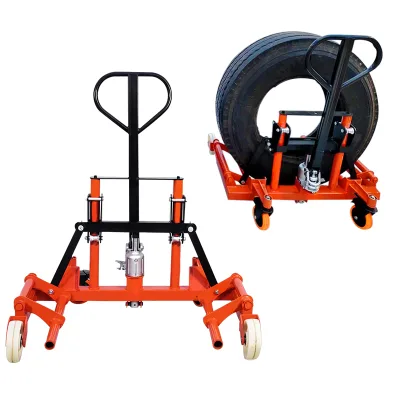
New Product Handler Dual Wheel Dolly 660 KG Truck Wheel Dolly for Large Trucks
$195.00 - $225.00
MOQ: 1 pieces


2-Pieces Best Sales Car Wheel Moving Dolly Cart Vehicle Positioning Wheel Dolly
$24.00 - $26.00
MOQ: 200 Pieces

Car Wheel Dolly Heavy Duty Vehicle Mover Dolly with Brakes for Moving Cars
$20.50 - $21.50
MOQ: 200 Pieces

Car Wheel Dolly Heavy Duty Vehicle Mover Dolly with Brakes for Moving Cars
$20.50 - $21.50
MOQ: 200 Pieces

Car Wheel Dolly Trailer Mover Vehicle Dolly with Brakes for Car Moving
$20.50 - $21.50
MOQ: 200 Pieces


Heavy Duty Hand Truck Sack Truck Dolly Prenumatic Rubber Wheel Hand Trolley
$14.00 - $17.00
MOQ: 500 Pieces


Durable Platform Hand Truck 120kg Adjustable Handle Anti-Slip Rolling Dolly
$26.88 - $27.68
MOQ: 50 Pieces

Heavy-Load 200kg Capacity with Dual-Wheel System & Reinforced Base Hand Truck
$15.68 - $17.38
MOQ: 100 Pieces
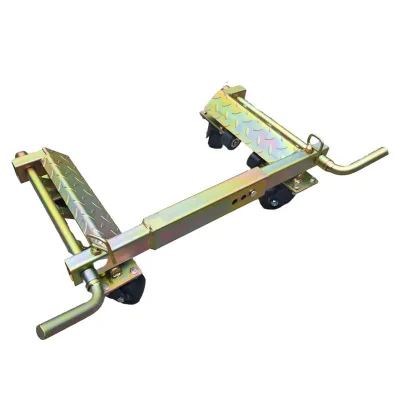


Comprehensive Sourcing Guide
Large Truck Dual Wheel Dolly Sourcing Guide
Procuring heavy-duty wheel dollies for large trucks requires a strategic approach that balances load capacity, structural integrity, and operational efficiency. These specialized tools are designed to facilitate the movement of heavy tires and wheels, significantly reducing labor intensity and minimizing the risk of workplace injuries associated with manual handling. Buyers must prioritize equipment that offers robust construction, typically utilizing durable steel materials, to withstand the substantial weights involved in commercial vehicle maintenance. The selection process should focus on verifying that the chosen dolly aligns with the specific dimensions and weight profiles of the tires being serviced, ensuring a secure and stable lifting mechanism.
The market offers a variety of configurations, including solid wheel types and folding or unfolding styles, each catering to different storage and mobility needs. Solid wheels provide consistent rolling resistance and durability, which is critical for smooth operation on uneven workshop floors. Meanwhile, folding designs offer space-saving advantages for facilities with limited storage areas. Understanding these variations is essential for procurement teams to select units that integrate seamlessly into existing workflow processes, thereby enhancing overall productivity and reducing downtime during tire changes or rotations.
Product Scope and Observed Listing Signals
Current market listings indicate a diverse range of products with observed price points spanning from five to two hundred eighty US dollars, reflecting variations in material quality, load capacity, and feature sets. The minimum order quantity (MOQ) typically ranges from one to one thousand units, providing flexibility for both individual workshop purchases and large-scale fleet maintenance operations. Buyers should note that while some listings advertise capacities up to 1500 pounds, others specify lower limits such as 600 kilograms or 990 pounds, necessitating careful verification of load ratings against specific tire weights. This variance underscores the importance of matching the dolly’s rated capacity to the heaviest tires in the inventory to prevent structural failure.
Product attributes observed in listings include customization options for color and specific design features, allowing businesses to brand equipment or meet specific aesthetic requirements. Materials are predominantly cited as durable or solid steel, with some entries specifying polypropylene (PP) for lighter-duty or specific component parts. Surface treatments such as paint and ribbed surfaces are common, enhancing corrosion resistance and grip. Additionally, packing methods vary from foam and honeycomb inserts to standard cartons and color boxes, which can impact shipping costs and product protection during transit. Buyers must evaluate these logistical details to ensure the product arrives in optimal condition and fits within budget constraints.
Technical Specifications to Verify
When evaluating technical specifications, the load capacity is the most critical parameter, with observed ratings including 600KG, 990lb, and 1500lbs. Buyers must ensure that the selected dolly exceeds the weight of the largest tires to be moved, incorporating a safety margin to account for dynamic loads during movement. The wheel type should be confirmed as solid, as pneumatic wheels may be prone to punctures in industrial environments. Additionally, the number of wheels on the dolly itself, typically two or four, affects stability and maneuverability; four-wheel configurations often provide better balance for heavier loads, while two-wheel designs may offer greater agility in tight spaces.
Dimensions and physical attributes also play a significant role in usability. Observed specifications include a maximum height of 440mm and a roller distance from the ground of 6 inches (152mm), which must be compatible with the axle height of the trucks being serviced. The overall size of the dolly, such as 84 x 21 x 13 inches or compact measurements like 45 x 36 x 10 cm, determines storage requirements and ease of transport within the facility. Buyers should verify the net weight of the product, which has been observed around 15kg, to ensure it is manageable for operators to position and adjust. Customization availability for specific dimensions or features should be discussed directly with suppliers to meet unique operational needs.
Compliance and Safety Documentation
Safety compliance is paramount when handling heavy truck components, and buyers should request documentation that verifies adherence to relevant industrial safety standards. While specific certification statuses vary by supplier, ISO certification has been observed in some listings, indicating a commitment to quality management systems. Buyers must ensure that the dolly is designed to prevent accidental slipping or tipping, which can be achieved through features like rear bumper positioning and ribbed surfaces that enhance grip and stability. It is essential to verify that the product meets local workplace safety regulations regarding manual handling equipment to mitigate liability and ensure operator safety.
Warranty terms provide an additional layer of protection and indicate the manufacturer’s confidence in their product’s durability. A standard warranty period of 12 months has been observed, which buyers should confirm includes coverage for structural defects and wheel mechanism failures. Clear warranty policies help in managing long-term maintenance costs and ensure that any manufacturing defects are addressed promptly. Buyers should also inquire about the availability of spare parts, such as replacement wheels or bearings, to extend the lifespan of the equipment and maintain operational continuity without significant downtime.
Cost Drivers and Commercial Terms
The cost of large truck dual wheel dollies is influenced by several factors, including the material grade of steel used, the complexity of the folding or unfolding mechanism, and the load capacity rating. Higher capacity models and those with specialized customization options typically command higher prices. Buyers should consider the total cost of ownership, which includes not only the initial purchase price but also shipping costs, import duties, and potential maintenance expenses. Understanding these cost drivers allows for more accurate budgeting and comparison of quotes from different suppliers.
Commercial terms such as MOQ, lead times, and payment conditions are critical for supply chain planning. While MOQs can range from single units to thousands, buyers should negotiate terms that align with their inventory management strategies. Lead times can vary based on customization requirements and production schedules, so early communication with suppliers is essential to avoid delays in procurement. Payment terms should be structured to protect the buyer’s interests, potentially including milestones for production completion and final delivery. Clear agreement on these terms helps in establishing a reliable and transparent procurement process.
Supplier Qualification and Quality Control
Supplier qualification involves assessing the manufacturer’s production capabilities, quality control processes, and track record in the industry. Buyers should verify the supplier’s origin, with many manufacturers located in regions like Zhejiang, China, known for industrial manufacturing. It is important to request evidence of quality control measures, such as material testing and load testing procedures, to ensure the dolly meets specified performance standards. Suppliers who provide detailed product specifications and transparent communication are often more reliable partners for long-term procurement relationships.
Quality control checks should include visual inspections for surface finish, weld integrity, and wheel alignment. Buyers may request pre-shipment inspections or third-party verification services to ensure that the products conform to the agreed-upon specifications. Establishing a clear quality assurance protocol helps in maintaining consistency across orders and reduces the risk of receiving defective or substandard equipment. Building a relationship with suppliers who prioritize quality and transparency ensures that the procurement process remains efficient and effective over time.
Long-Term Procurement Checks
Long-term procurement success depends on regular performance reviews and continuous improvement of the sourcing strategy. Buyers should monitor the durability and reliability of the dollies in real-world applications, tracking metrics such as frequency of repairs, wheel wear, and overall user satisfaction. Feedback from operators can provide valuable insights into usability issues or areas for improvement, which can be communicated to suppliers for future product iterations. Maintaining open lines of communication with suppliers facilitates collaborative problem-solving and ensures that any emerging issues are addressed promptly.
Additionally, buyers should stay informed about industry trends and technological advancements in wheel dolly design, such as improvements in materials or ergonomic features. Regularly reviewing supplier performance against key performance indicators (KPIs) helps in identifying potential risks and opportunities for optimization. By adopting a proactive approach to supplier management and quality assurance, buyers can ensure that their procurement of large truck dual wheel dollies continues to support operational efficiency and safety standards in the long run.
FAQs
What is the maximum load capacity for this dolly?
The maximum load capacity reaches 600KG or 1500lbs depending on the specific model configuration. Some units are rated for 990lb while others support over 200kg. Always verify the exact capacity against the product model number before purchase.
Can I customize the color and design of the dolly?
Yes, customization is available for both color and specific design requirements. The product accepts custom color requests and can be tailored to meet unique operational needs. This flexibility allows buyers to match branding or specific industrial standards.
Which materials are used to construct the heavy-duty dolly?
The dolly is constructed from durable steel and solid steel components to ensure longevity. Some variants utilize PP material for specific parts while maintaining a steel frame. The surface handling includes painting or plastic finishes for added protection against wear.
How many wheels does the standard folding dolly model have?
Standard models typically feature either two or four solid wheels depending on the specific type selected. The folding style allows for compact storage while the solid wheels provide stability. Check the product model to confirm the exact wheel amount for your needs.
What is the warranty period for the steel wheel dolly?
The product comes with a standard warranty period of 12 months for covered defects. This warranty applies to the structural integrity and functional components of the dolly. Buyers should retain proof of purchase to validate the warranty claim effectively.
Where are these industrial truck dollies manufactured and shipped from?
These industrial truck dollies are manufactured in China, specifically originating from Zhejiang. The products are packed in foam, honeycomb, or carton boxes for safe transport. Buyers can expect shipping from these established manufacturing hubs in the region.
What certifications do the large truck dual wheel dollies hold?
The products hold ISO certification ensuring they meet international quality and safety standards. This certification validates the manufacturing processes and material quality used in production. Buyers can rely on these certified units for compliant industrial applications.