Source Laser Engraved Brass Ring for Wedding, Decoration, and Gift
Compare 30 available listings for a Laser Engraved Brass Ring featuring exquisite engraved patterns and electroplating. Buyers can evaluate customization options, material choices like titanium or brass, and packaging details for wedding, decoration, and gift applications.
Key considerations
Products List


Two-Tone Brass Ring with Polished Yellow Gold and Rose Gold Plated Accents
$2.50 - $6.00
MOQ: 30 Pieces

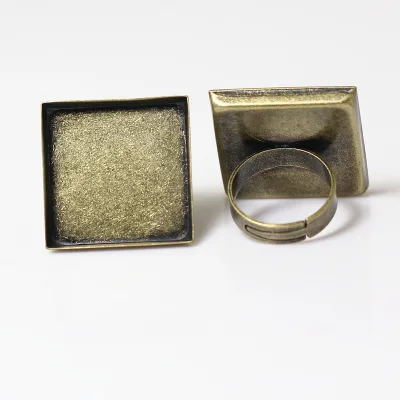


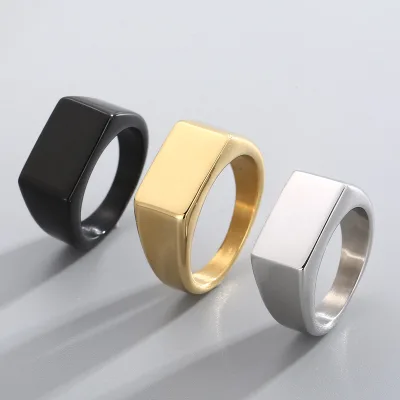


Comprehensive Sourcing Guide
Strategic Sourcing Guide for Laser Engraved Brass Rings
The procurement of laser engraved brass rings requires a nuanced understanding of material science, surface engineering, and supply chain verification. In the B2B market, these items often serve dual purposes as high-value fashion accessories and specialized industrial components. The specific intersection of brass as a base material and laser engraving as a finishing technique creates a unique set of sourcing criteria. Buyers must navigate a landscape where customization capabilities, such as OEM and ODM services, are standard, yet the underlying physical properties and compliance standards vary significantly between suppliers. This guide outlines the critical factors for evaluating potential vendors and ensuring the final product meets rigorous operational and aesthetic requirements.
Material Composition and Alloy Selection
The foundation of a high-quality brass ring lies in the precise selection of the raw alloy. While the core keyword specifies brass, the supplied data indicates that sourcing options may also include titanium or aluminum, depending on the specific application requirements. For a traditional brass ring, the material must be verified for its copper-zinc ratio, which directly influences color consistency, malleability, and corrosion resistance. The observed product attributes suggest that suitable materials for this category include titanium or brass, implying that buyers should explicitly confirm the alloy grade before placing an order.
When evaluating suppliers, it is essential to distinguish between rings intended for jewelry and those designed for industrial hardware applications. The data notes a specific product type labeled "Brass Ring by Powder Metallurgy," which suggests an alternative manufacturing route to traditional casting or forging. Powder metallurgy offers distinct advantages in achieving complex geometries and tight tolerances, particularly when the final product requires a specific density or porosity profile. Buyers must verify if the supplier utilizes standard casting methods or advanced powder metallurgy techniques, as this impacts the structural integrity and surface finish of the ring.
Furthermore, the material specification "Titanium" appears in the context of the same product category, indicating that some suppliers may offer hybrid options or that the term "brass ring" is sometimes used loosely to describe rings with brass plating over other substrates. To avoid ambiguity, procurement teams should request a mill certificate or material test report that explicitly states the chemical composition of the brass used. This verification is crucial for ensuring that the ring meets the desired weight, color, and durability standards, especially when the product is intended for long-term wear or harsh environmental conditions.
Surface Engineering and Laser Engraving Capabilities
The defining characteristic of the Laser Engraved Brass Ring is the precision of the surface marking. The supplied facts highlight "Laser Engraving Logo" as a key attribute, alongside "Exquisite Engraved Patterns" and "Electroplate" as a primary technology. This combination suggests a multi-step finishing process where the base material is first treated and then marked with high-precision lasers. The laser engraving process must be capable of creating deep, permanent marks that do not fade or rub off over time, which is critical for branding and identification purposes.
Buyers should assess the supplier's capability to handle different engraving depths and widths. The data mentions "Surface Finish: Coating" and "Surface Treatment: Burrs," indicating that post-engraving treatments are necessary to remove any rough edges or burrs created during the cutting or marking process. A high-quality supplier will employ a polishing step, as noted in the "Fabrication Processing: Polishing" attribute, to ensure the ring feels smooth to the touch. The sequence of operations is vital; typically, the ring is cast or formed, polished to a base finish, electroplated for color and protection, and finally laser engraved to add the custom logo or pattern.
The "Electroplating" process is also a significant cost and quality driver. This step provides the final color and protects the brass from oxidation. Buyers must verify the thickness of the plating and the type of metal used (e.g., gold, silver, or black coating). The observed "Color: Black" attribute suggests that some suppliers offer specialized coatings, which may require specific laser parameters to ensure the engraving reveals the underlying metal or creates a contrasting effect. The supplier's ability to manage these complex, multi-stage processes in-house is a strong indicator of their technical competence and quality control capabilities.
Technical Specifications and Dimensional Standards
Precision is paramount when sourcing rings, particularly those intended for industrial hardware or high-end fashion. The provided data lists specific model numbers such as "BR025-026," "MTS121-127," and "MI013-016," alongside dimensional standards like "6mm*2mm." These specifications indicate that suppliers often operate with defined size ranges, but customization is also a core service offering. The "Standard: Customer Designed" attribute reinforces the need for buyers to provide detailed technical drawings or CAD files when ordering custom dimensions.
Tolerance grades are another critical technical parameter. The data references a "Tolerance Grade: 6," which aligns with ISO standards for machining tolerances. For a ring, this level of precision ensures that the inner diameter and outer diameter remain consistent across a production batch, which is essential for fit and comfort. Buyers should verify that the supplier's machining centers, such as the "Machining Center" mentioned in the attributes, are capable of maintaining these tight tolerances. Inconsistent dimensions can lead to product rejection or customer dissatisfaction, particularly in applications where the ring must fit into a specific mechanism or wear comfortably on a finger.
The "Shape: Round" attribute is standard for rings, but the "Pressure Chamber Structure: Vertical" and "Die Casting Machine Type: Cold Chamber Die Casting Machine" details suggest that some rings may be produced via die casting. This method allows for high-volume production with excellent dimensional stability. However, buyers must ensure that the casting process does not introduce internal voids or porosity that could weaken the ring. The "Casting Surface Quality Level" and associated certifications should be reviewed to confirm that the casting process meets the required quality benchmarks.
Compliance, Certification, and Quality Assurance
In the global B2B market, compliance with international standards is non-negotiable. The supplied facts list several certifications, including "ISO 9001," "RoHS," "CE," and "ISOGS." These certifications indicate that the supplier adheres to specific quality management systems and environmental regulations. ISO 9001, in particular, is a standard for quality management systems that ensures consistent product quality and customer satisfaction. Buyers should request proof of current certification status, as these documents are subject to renewal and audit.
The "RoHS" (Restriction of Hazardous Substances) directive is especially relevant for rings intended for consumer use, as it restricts the use of certain hazardous materials like lead and cadmium. Given that brass alloys can sometimes contain lead to improve machinability, verifying RoHS compliance is essential to ensure the product is safe for skin contact and meets environmental regulations in target markets. Similarly, "CE" marking indicates conformity with health, safety, and environmental protection standards for products sold within the European Economic Area.
Quality assurance processes should be integrated into the procurement workflow. The data mentions "Casting Surface Quality Level: Certification:ISO 9001:CE," suggesting that the supplier has a documented process for inspecting surface quality. Buyers should inquire about the specific inspection protocols used, such as visual inspection, dimensional measurement, and coating adhesion tests. The "Condition: New" attribute implies that the products are manufactured to a new standard, but buyers must ensure that the supply chain does not introduce defects during packaging or shipping. The "Packing: Plywood Packing" and "Wooden Case" options suggest robust packaging solutions, which are necessary to protect the rings from damage during transit.
Cost Drivers and Procurement Economics
Understanding the cost structure of laser engraved brass rings is essential for effective budgeting and negotiation. The observed price range of 0-20 USD suggests a wide variance, likely driven by factors such as material grade, customization complexity, and order volume. The "Feature: Cost-Effective" attribute indicates that these products are generally positioned as affordable solutions, but the final price will depend on the specific requirements of the order.
Material costs are a primary driver, with brass being more expensive than some base metals but less costly than precious metals like gold or platinum. The choice between standard brass and specialized alloys, such as those produced via powder metallurgy, will significantly impact the unit cost. Additionally, the "Electroplate" and "Laser Engraving" processes add value but also increase production time and cost. Suppliers with in-house capabilities for these processes may offer more competitive pricing than those that outsource these steps.
Order volume plays a crucial role in pricing, as indicated by the observed MOQ range of 1-10000. High-volume orders typically benefit from economies of scale, reducing the per-unit cost. However, the "Serve: OEM/ODM" and "Customized Service" attributes suggest that even small orders can be accommodated, albeit at a higher unit price due to the setup costs associated with customization. Buyers should evaluate their total cost of ownership, including shipping, packaging, and potential rework costs, rather than focusing solely on the unit price. The "Packing: OPP Bag Paper Case" and "OPP Bag" options offer different levels of protection and presentation, which can also influence the overall cost.
Supplier Evaluation and Long-Term Partnership
Selecting the right supplier for laser engraved brass rings requires a comprehensive evaluation of their technical capabilities, quality systems, and business stability. The "Location: China" and "Ningbo" origins indicate that the majority of suppliers are based in China, a major hub for manufacturing. Buyers should verify the supplier's physical location and visit the facility if possible to assess their production capacity and quality control measures. The "Serve: OEM/ODM" capability suggests that the supplier is flexible and willing to work closely with buyers to develop custom products.
Long-term procurement considerations include the supplier's ability to scale production, maintain consistent quality, and adapt to changing market demands. The "Standard: JIS, GB, ASTM, DIN" list indicates that the supplier is familiar with various international standards, which is a positive sign for global trade. Buyers should establish clear communication channels and define expectations for lead times, quality inspections, and after-sales support. The "Product Name: Brass Ring by Powder Metallurgy" and other specific model numbers suggest that the supplier has a diverse product portfolio, which can be beneficial for buyers looking to expand their product lines.
Ultimately, the success of a procurement strategy for laser engraved brass rings depends on a thorough understanding of the product's technical specifications, material properties, and the supplier's ability to deliver high-quality, compliant products. By focusing on these key areas, buyers can mitigate risks and build a sustainable supply chain that meets their business objectives.
FAQs
What customization services are available for laser engraved brass rings?
OEM and ODM services are available for customizing these rings. Buyers can request specific designs, logos, or dimensions as the supplier offers customized service options to meet unique client requirements.
Which materials are suitable for manufacturing these laser engraved rings?
Titanium and brass are the suitable materials identified for this product category. Some specific models are produced using powder metallurgy techniques to achieve precise geometries and high-quality surface finishes.
Can I find rings with specific dimensional standards like 6mm by 2mm?
Yes, specific dimensional standards such as 6mm by 2mm are available in the product lineup. These dimensions are part of the standard specifications offered alongside other model numbers for consistent sizing.
What certifications do the Laser Engraved Brass Ring manufacturers hold?
Manufacturers hold ISO 9001, RoHS, and CE certifications for quality and safety compliance. These standards ensure the products meet international requirements for hazardous substances and quality management systems.
How are these rings typically packaged for shipment?
Rings are packaged in OPP bags, paper cases, or wooden cases depending on the order. Plywood packing is also available for larger shipments to ensure protection during transit from the origin.
What is the minimum order quantity for laser engraved brass rings?
The minimum order quantity ranges from 1 to 10,000 units based on the supplier. Small orders are accommodated through customized service options, while larger volumes benefit from cost-effective pricing structures.
Where are the Laser Engraved Brass Ring factories located?
The factories are located in China, with specific origins noted in Ningbo. Buyers can source directly from these locations to access the manufacturing capabilities and established supply chains.