Source Laser Engraved Crystal Cube for Souvenir, Gift, and Decoration
Compare 30 Laser Engraved Crystal Cube options from suppliers in Zhejiang, China. Buyers can evaluate materials, customization, and pricing for business gifts, home decor, and event souvenirs.
Key considerations
Products List
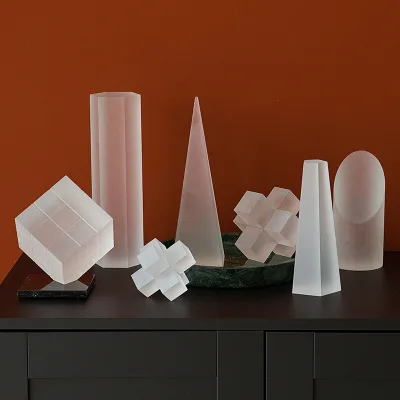
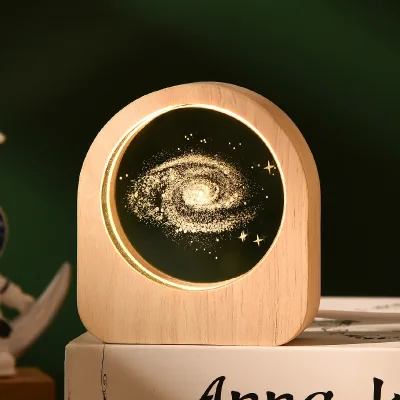

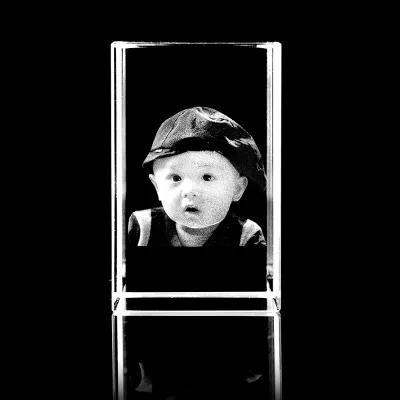
Transparent K9 Crystal Block 3D Laser Engraved Crystal Cube for Color Print
$2.00 - $8.00
MOQ: 50 Pieces


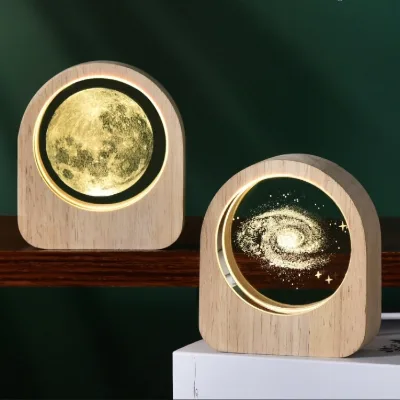
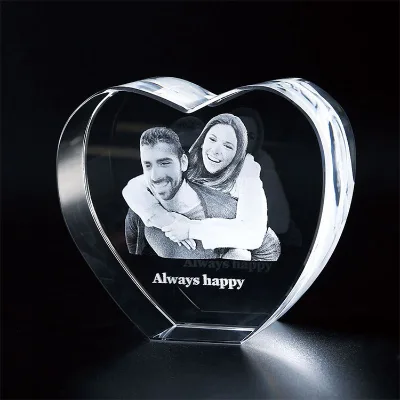
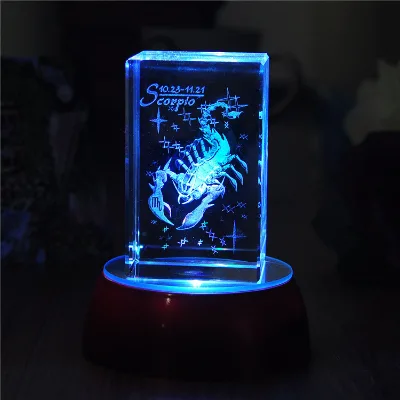
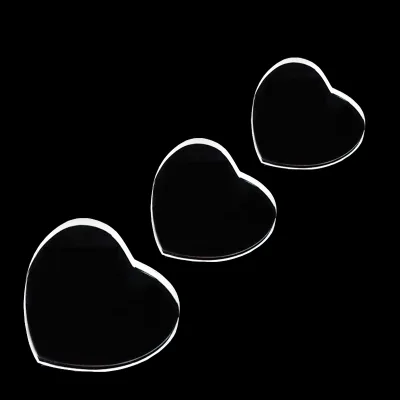
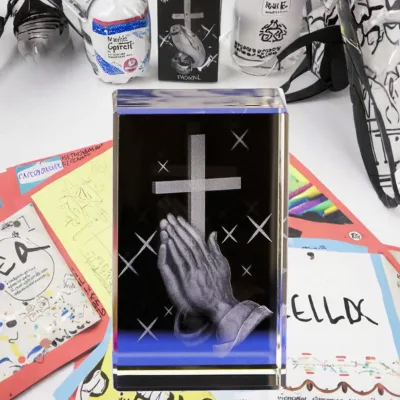
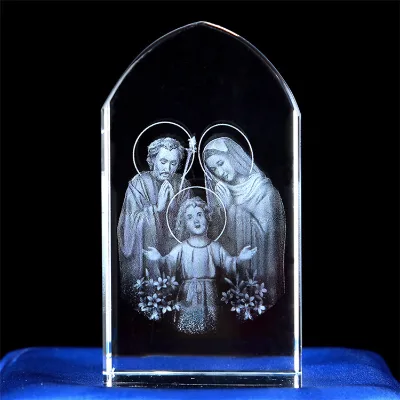
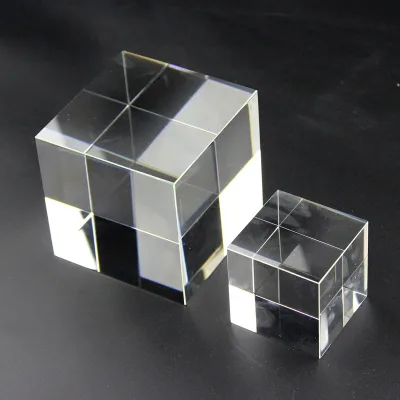
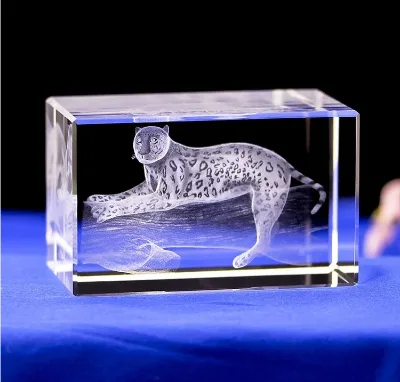
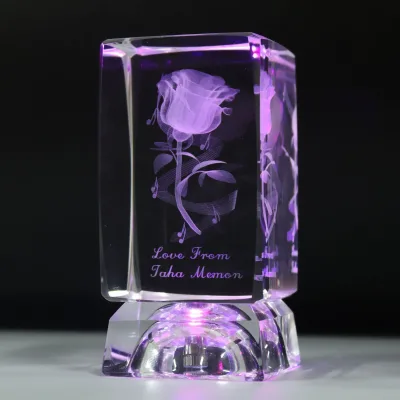
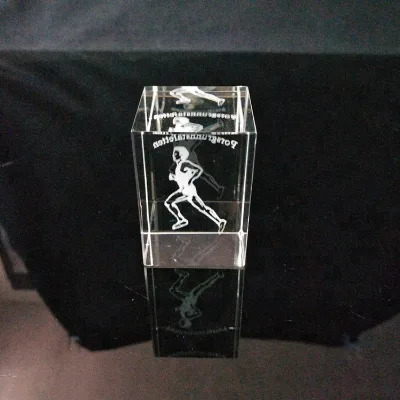
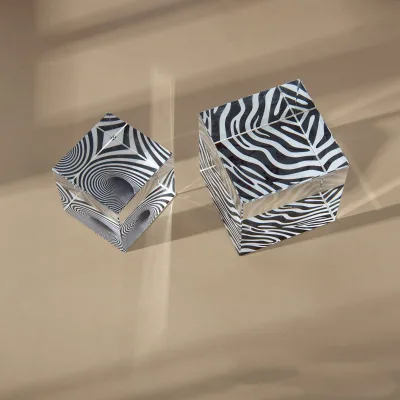
HBL Inner Laser Engraving Crystal Cube and the Motion Sculpting Pendulum
$1.80 - $5.80
MOQ: 50 Minimum




Comprehensive Sourcing Guide
Strategic Sourcing Guide for Laser Engraved Crystal Cubes
Understanding Product Variants and Technical Specifications
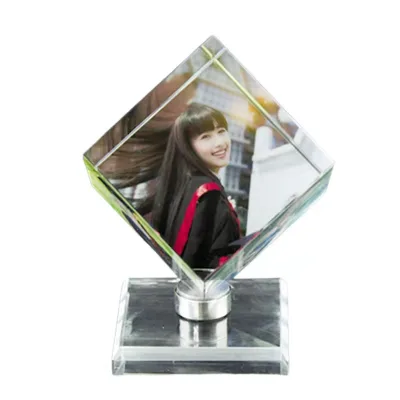
The market for laser engraved crystal cubes presents a diverse array of configurations, primarily distinguished by material composition, geometric precision, and intended application. Buyers must first distinguish between products described as "Crystal," "Crystal Glass," and "Artificial Crystal," as these terms denote different material properties and optical characteristics. The observed product landscape includes specific model numbers such as JN-061832 and JN-1127, which serve as identifiers for distinct manufacturing lines. One variant is explicitly categorized as a "Crystal geometric cube" with a "One Size" specification, while another is defined as a "3d Laser Crystal Photo Cube" featuring a "Diamond" shape and "Polished" technique.
Material selection is a critical technical decision. The supply data indicates the presence of "100% Natural Healing" claims associated with certain crystal products, alongside "Artificial Crystal" options. For buyers requiring optical clarity, the "Transparent" attribute is a standard observation, with specific references to "IColor:Transparent" and "IMaterial:Artificial Crystal." The physical dimensions vary significantly across the catalog, with some products offering standard sizes ranging from 30mm to 80mm, while others are listed with specific single package sizes in centimeters. The "Single volume" and "Single gross weight" are often recorded as zero in initial listings, necessitating direct verification with the supplier for accurate logistics planning.
The manufacturing techniques employed are equally varied. While the core keyword focuses on laser engraving, the available data lists a broad spectrum of printing and finishing methods, including "Letterpress Printing," "Gravure Printing," "Silk Screen Printing," "Digital Printing," "Offset Printing," "uv printing," "Thermal Transfer Printing," "Embossing Printing," and "Die Cutting Printing." For the specific laser engraved cube, the "Logo" customization is achieved through "Sandblasting," "3D Laser Engraving," and "Print" techniques. The "Polished" technique is highlighted as a key attribute for the diamond-shaped cube, ensuring high light refraction. Buyers should verify that the specific model they select supports the desired engraving depth and resolution, as the "3D Laser Engraving" capability is distinct from surface-level printing methods.
Compliance, Certification, and Material Verification
When sourcing crystal cubes, particularly those marketed with health-related attributes, buyers must exercise rigorous due diligence regarding compliance and certification. The provided data includes a specific attribute stating "100% Natural Healing." In the context of B2B procurement, such claims often fall under regulatory scrutiny regarding health and wellness products. Buyers should not assume that a product listing with this attribute automatically possesses medical or therapeutic certifications. Instead, the procurement strategy must involve requesting valid test reports or certification documents that substantiate any health-related claims. Without explicit supplier-provided documentation, these attributes should be treated as marketing observations rather than verified technical facts.
Material safety is another paramount compliance consideration. The distinction between "Natural Crystal" and "Artificial Crystal" is vital for regulatory adherence, especially if the products are intended for export to regions with strict chemical safety standards. Artificial crystal, often composed of lead glass or acrylic alternatives, may require specific declarations regarding heavy metals or lead content. Buyers must verify the material composition against the destination market's regulations. For instance, if the product is intended for children or food-adjacent applications, the material safety data sheet (MSDS) must be reviewed to ensure compliance with standards such as REACH in Europe or CPSIA in the United States.
Regarding manufacturing standards, the data mentions a "prod_standard" listing specific dimensions like 30mm, 40mm, 50mm, 60mm, and 80mm. While these represent available sizes, they do not constitute a formal international standard (such as ISO) unless explicitly stated by the supplier. Buyers should not assume that a product labeled with these dimensions meets a specific ISO tolerance unless the supplier provides a certificate of conformity. The "Safe Package" attribute is a general claim that requires validation through actual packaging tests to ensure the product survives shipping without damage, particularly given the fragile nature of crystal materials.
Cost Drivers and Pricing Dynamics
The pricing structure for laser engraved crystal cubes is influenced by a complex interplay of material costs, customization levels, and order volume. The observed price range in the market spans from $0.20 to $15,800, a variance that reflects the difference between simple promotional items and high-end, custom-engineered pieces. The lower end of the spectrum likely corresponds to mass-produced artificial crystal cubes with minimal customization, while the higher end may involve large-scale, high-clarity natural crystal blocks with intricate 3D laser engraving.
Order volume is a primary cost driver. The Minimum Order Quantity (MOQ) varies significantly across suppliers, with observed ranges from 1 piece to 1,000 pieces. Specific listings indicate MOQs of 10 pieces for certain models and 50 pieces for others. This variability allows for flexibility in sourcing but also impacts the unit cost. Buyers purchasing small quantities, such as single items for event souvenirs, will face a higher per-unit price compared to bulk orders. The "Selling Units" are often listed as "Single item," which suggests that the pricing model is flexible but may not include economies of scale for very small orders.
Customization is another significant factor affecting cost. The ability to accept "Customized Logo" and the choice between different printing techniques (e.g., 3D Laser Engraving vs. Sandblasting) directly influence the final price. The "Style" options, which include themes like "Love," "Milky Way galaxy," "Happy birthday!," and "Merry Christmas," suggest that pre-designed templates may be available at a lower cost than fully custom designs. However, the "Custom" printing attribute indicates that bespoke designs are possible, likely incurring additional setup fees. Buyers should request a detailed cost breakdown that separates the base unit cost from setup fees, tooling charges, and engraving costs to understand the true cost drivers.
Typical Applications and Usage Scenarios
Laser engraved crystal cubes serve a versatile range of applications, driven by their aesthetic appeal and durability. The primary usage categories identified include "Event Souvenir," "Gift," "Home Decoration," "Business Gift," and "Art & Collection." The "Crystal paperweight" classification highlights their utility in corporate environments as desk accessories that also serve as branding vehicles. The "Block & Cube" type is particularly suited for commemorative gifts, where the transparency and weight of the material convey a sense of value and permanence.
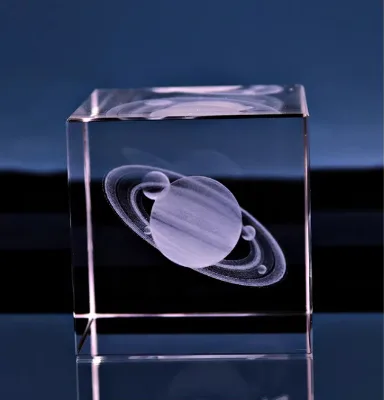
In the context of business gifting, the "Application" field lists "Business Gift" explicitly. The ability to customize the logo via "3D Laser Engraving" makes these cubes ideal for corporate annual awards, client appreciation gifts, and conference souvenirs. The "Style" options, such as "The Little Prince of the Starry Sky" or "Saturn," suggest that these products are also marketed toward specific demographic interests, making them suitable for themed events or hobbyist gatherings. The "Holiday Gifts" usage indicates their relevance during seasonal periods like Christmas, where items like "Merry Christmas" and "Love Love Rose" styles are in high demand.
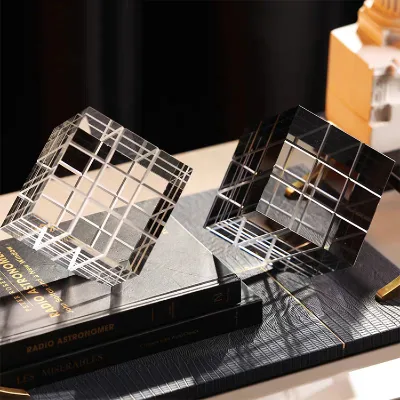
For home decoration, the "Transparent" and "Polished" attributes ensure that these cubes can function as decorative accents that interact with light. The "Crystal geometric cube" description aligns with modern interior design trends that favor clean lines and reflective surfaces. The "Art & Collection" usage suggests that higher-quality, larger, or more intricate cubes may be sought after by collectors or art enthusiasts. The "Single volume" and "Single gross weight" data, even if currently listed as zero, are critical for logistics planning when shipping these items as art pieces or high-value gifts.
Supplier Evaluation and Selection Criteria
Selecting the right supplier for laser engraved crystal cubes requires a multi-faceted evaluation process that goes beyond price comparison. The "Place of Origin" is consistently listed as "Zhejiang, China," indicating a specific manufacturing hub known for glass and crystal production. Buyers should verify the supplier's location within this region, as proximity to raw material sources and specialized finishing facilities can impact quality and lead times. The "Brand Name" JN appears in the data, but buyers should not limit their search to a single brand; instead, they should evaluate multiple suppliers based on their specific capabilities.
Key evaluation criteria include the supplier's technical capacity for "3D Laser Engraving" and "Sandblasting." Buyers should request samples to verify the clarity, precision, and depth of the engraving. The "Clarity" attribute, described as "Transparent," must be visually confirmed, as artificial crystal can sometimes exhibit slight haziness or bubbles that affect the final appearance. The "Customization" availability is another critical factor; suppliers must demonstrate the ability to handle custom designs, logos, and specific color styles like "style 1" through "style 9."
Logistics and payment terms are also essential for supplier evaluation. The data indicates "Shipment" options via "Air, Sea or Courier," and "Payment" methods including "T/T, Western Union, Paypal." Buyers should assess the supplier's flexibility in shipping methods and their ability to provide reliable tracking. The "Packing" attribute, described as "Safe Package" or "Gift Box," should be verified to ensure that the packaging is robust enough to prevent breakage during transit. A supplier that offers "Simple White Box or Gift Box" options provides flexibility for different branding needs.
Quality Control and Long-Term Procurement Considerations
Implementing a robust quality control (QC) protocol is essential for maintaining the integrity of laser engraved crystal cubes. Given the fragile nature of the material, QC should focus on both the physical condition of the cube and the quality of the engraving. Buyers should establish clear acceptance criteria for surface defects, such as scratches, chips, or bubbles, which are common in crystal manufacturing. The "Polished" technique requires inspection to ensure a high-gloss finish without imperfections that could scatter light or detract from the visual appeal.
For the engraving itself, QC should verify the accuracy of the logo or design, the depth of the cut, and the clarity of the 3D effect. Since the "Logo" can be applied via "Sandblasting, 3D Laser Engraving, Print," buyers must define which method is required for their specific application and test for consistency across the batch. The "Single gross weight" and "Single volume" should be measured to ensure that the product meets the specified dimensions, especially for larger cubes where weight discrepancies might indicate material density issues.
Long-term procurement considerations involve building a sustainable relationship with suppliers who can maintain consistent quality over time. The "MOQ" of 10 or 50 pieces suggests that suppliers are willing to accommodate small orders, but buyers planning for long-term growth should negotiate volume discounts and ensure the supplier has the capacity to scale production. The "Custom" printing capability should be evaluated for its ability to handle design changes and updates without significant lead time delays. Additionally, buyers should consider the environmental impact of the materials used, particularly if sourcing "Artificial Crystal" versus "Natural Crystal," and request information on the sustainability of the manufacturing process.
| Feature | Observation from Data | Buyer Verification Action |
|---|---|---|
| Material | Crystal, Crystal Glass, Artificial Crystal | Request Material Safety Data Sheet (MSDS) and composition certificate. |
| Engraving | 3D Laser Engraving, Sandblasting, Print | Request physical samples to verify depth and clarity. |
| MOQ | 10 pcs, 50 pcs, up to 1000 pcs | Negotiate tiered pricing based on volume tiers. |
| Origin | Zhejiang, China | Verify factory location and audit if necessary. |
| Packing | Safe Package, Gift Box, Simple White Box | Conduct drop tests to validate packaging integrity. |
| Standards | 30mm, 40mm, 50mm, 60mm, 80mm | Confirm tolerance levels against ISO or internal standards. |
By adhering to these guidelines and leveraging the specific data points available, buyers can navigate the complex landscape of laser engraved crystal cubes with confidence, ensuring they source products that meet their technical, aesthetic, and commercial requirements.
FAQs
What customization options are available for logos on these cubes?
Suppliers accept customized logos using sandblasting, 3D laser engraving, and print techniques. The specific method depends on the chosen model, such as the JN-1127 or JN-061832, which support various engraving depths and surface finishes.
Which materials are used to manufacture these crystal cubes?
Products are made from crystal, crystal glass, or artificial crystal. Some listings claim natural healing properties, while others specify transparent artificial crystal, so buyers must verify the exact material composition for their specific needs.
Can I order a single item as a sample or gift?
Yes, single item selling units are available for event souvenirs and gifts. However, minimum order quantities vary by model, with some requiring 10 pieces and others 50 pieces, so check the specific model details before ordering.
How are these cubes packaged for safe shipping?
Items are packed in safe packages, gift boxes, or simple white boxes. The packaging is designed to protect the fragile crystal during transit, but buyers should verify the specific box type for large orders or international shipping.
What printing techniques are supported for these products?
Supported techniques include letterpress, gravure, silk screen, digital, offset, UV, thermal transfer, embossing, and die cutting printing. Laser engraving is also available for specific models to create detailed 3D images inside the crystal.
Which payment methods do suppliers typically accept?
Common payment methods include T/T, Western Union, and PayPal. Buyers should confirm the specific payment terms with the supplier, as options may vary based on order volume and the specific manufacturer's policies.