Source Latex Resistance Yoga Rope for indoor, outdoor, and home exercise
Find 30 verified listings for Latex Resistance Yoga Rope suitable for indoor, outdoor, and home exercise. Buyers can compare materials like latex and TPE, sizes, and customization options from manufacturers in China.
Key considerations
Products List


Hot Selling Elastic Latex Fitness Yoga Sport Exercise Bands for Training
$0.50 - $1.99
MOQ: 10000 Pieces


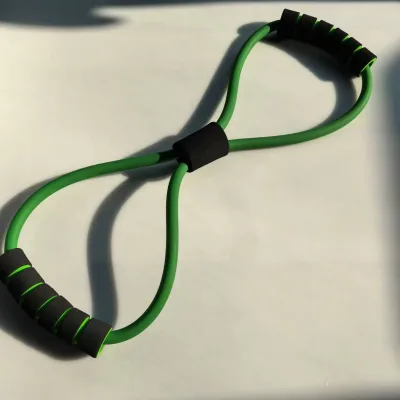


Gym Yoga Product Natural Latex Powerlifting Workout Stretch Resistance Band
$2.00 - $2.90
MOQ: 30 Pieces


Comprehensive Sourcing Guide
Strategic Sourcing Guide for Latex Resistance Yoga Ropes
The global market for fitness equipment has seen a significant surge in demand for portable, versatile, and cost-effective training tools. Among these, the Latex Resistance Yoga Rope stands out as a critical component for home workouts, rehabilitation, and professional athletic training. For B2B procurement professionals, sourcing this specific category requires a nuanced understanding of material science, manufacturing capabilities, and supply chain logistics. This guide provides a comprehensive framework for evaluating potential suppliers and products, ensuring that procurement decisions are grounded in verified data and industry best practices rather than marketing assertions.
Material Composition and Performance Characteristics
The foundation of any high-quality resistance yoga rope lies in its material composition. The supply data indicates that the primary materials utilized in this category are Latex and TPE (Thermoplastic Elastomer). These materials offer distinct advantages that directly influence the product's performance, durability, and user experience. Latex is renowned for its superior elasticity and snap-back capability, providing a consistent resistance curve that is essential for effective strength training. However, sourcing latex products requires careful attention to potential allergen concerns, as natural latex can trigger reactions in sensitive individuals.
In contrast, TPE offers a synthetic alternative that mimics the elasticity of latex while eliminating the risk of latex allergies. The presence of both materials in the market suggests a diverse supplier base catering to different consumer segments. When evaluating product specifications, buyers must verify the specific material ratio and the quality of the raw materials used. The observed product attributes list "Latex Band" and "TPE elastic rope" as distinct types, indicating that the material choice is a primary differentiator. Procurement teams should request material safety data sheets (MSDS) to confirm the purity of the latex or the formulation of the TPE, ensuring that the final product meets the intended safety and performance standards.
Technical Specifications and Product Variations
Understanding the technical specifications is vital for aligning product selection with end-user requirements. The observed data reveals a wide range of model numbers, such as LA-RB04-#4431 and LA-RB04-#3005, alongside descriptive models like "Yoga belt" and "Latex Pull Band." These variations often correspond to differences in dimensions, resistance levels, and intended applications. The specifications explicitly mention lengths ranging from 1.1m to 2.5m, providing flexibility for various exercises and user heights.
Furthermore, the product attributes highlight specific color options including Red, Yellow, Green, Blue, and Black. In the fitness industry, color coding is frequently used to denote resistance levels, allowing users to quickly identify the appropriate intensity for their training phase. The data also notes handle variations, such as "Green Black," "Blue Black," and "Purple Black," which suggests that some products include integrated handles for grip and comfort. Buyers must verify if the handles are made of the same material as the band or if they utilize a different, more durable material to prevent slippage during high-intensity workouts.
The standard size is listed as "Normal Size" and "Standard size," with specific dimensions like 10.5503.5cm noted for certain configurations. This inconsistency in standardization across different listings underscores the importance of requesting detailed dimension sheets for every SKU. Procurement professionals should not assume that "Standard Size" implies a universal measurement but rather verify the exact length and width for each batch to ensure compatibility with existing inventory or customer expectations.
Compliance, Certification, and Safety Standards
While the core product data does not explicitly list third-party certifications for every item, the mention of "OEKO-TEX" in the background context suggests that this standard may be relevant for textile or elastomer components in the fitness industry. OEKO-TEX certification typically verifies that a product is free from harmful substances, which is a critical consideration for items that come into direct contact with human skin. Although this standard is noted as low-confidence background information, it serves as a benchmark for buyers to inquire about.
Suppliers should be asked to provide documentation regarding the safety of their materials, particularly regarding phthalates, heavy metals, and other toxic substances often found in low-quality rubber products. The product attributes indicate that the items are suitable for "All" genders and ages, including adults, which necessitates rigorous safety testing. Buyers must verify that the manufacturing process adheres to international safety standards, such as ISO 9001 for quality management, and specific product safety regulations for the target export markets.
Additionally, the "prod_standard" field lists "OEM" and "Normal Size," which implies that some products are manufactured to custom specifications rather than a universal standard. In these cases, the buyer assumes a greater responsibility for defining the safety parameters. It is essential to establish clear quality acceptance criteria in the purchase agreement, ensuring that the supplier commits to testing the final product against these defined standards before shipment.
Cost Drivers and Pricing Dynamics
The pricing landscape for latex resistance yoga ropes is influenced by several key factors, including material costs, production volume, and customization requirements. The observed price range in the market spans from $0.10 to $37.90 USD, a significant variance that reflects differences in product complexity, material quality, and order quantity. The lower end of the spectrum likely corresponds to basic, unbranded bands with minimal packaging, while the higher end may include premium TPE materials, custom handles, or specialized packaging.
The Minimum Order Quantity (MOQ) is another critical cost driver, with observed ranges from 10 to 10,000 units. Suppliers offering low MOQs, such as 100 PCS or even smaller quantities, often charge a premium per unit to cover setup costs and maintain flexibility. Conversely, larger orders typically benefit from economies of scale, reducing the unit cost significantly. The data indicates that "Small Orders" are accepted by many suppliers, which is beneficial for startups or buyers testing the market. However, procurement teams must balance the convenience of low MOQs against the higher per-unit cost when planning long-term inventory strategies.
Customization is a major factor in pricing. The product attributes confirm that "Customization" and "Logo" services are available. Adding custom branding, specific color schemes, or unique packaging designs incurs additional tooling and labor costs. Buyers should request a detailed cost breakdown that separates the base product cost from customization fees to accurately assess the total cost of ownership.
Supplier Evaluation and Production Capacity
Selecting the right supplier requires a thorough evaluation of their production capacity, operational flexibility, and track record. The data reveals that suppliers have varying production capacities, with figures such as 100,000 and 500,000 pieces mentioned. These numbers indicate the scale of operations and the ability to fulfill large orders without significant delays. A supplier with a capacity of 500,000 pieces is better positioned to handle bulk orders and maintain consistent supply during peak demand periods.
The origin of the products is consistently listed as China, with specific mentions of Shanghai as a production hub. This geographic concentration suggests a mature supply chain ecosystem with access to raw materials and specialized manufacturing expertise. However, buyers should verify the specific factory location to assess logistics costs and lead times. The "Sample Time" is noted as 2-5 working days, which is a positive indicator of supplier responsiveness and efficiency.
When evaluating suppliers, procurement professionals should look for those who offer OEM (Original Equipment Manufacturer) and ODM (Original Design Manufacturer) services. The data confirms that "OEM/ODM" models are available, allowing buyers to create unique products tailored to their brand identity. It is crucial to assess the supplier's ability to manage the entire production process, from raw material sourcing to final packaging. The "prod_packing" options, ranging from simple "OPP Bag" to "PP Bag Colorful Cardboard Box," highlight the supplier's flexibility in meeting diverse packaging requirements.
Quality Control and Long-Term Procurement Considerations
Ensuring consistent quality is paramount in the fitness equipment sector, where product failure can lead to user injury and brand damage. The "Sample Time" of 2-5 working days allows buyers to evaluate product quality before committing to large orders. It is recommended to conduct rigorous testing on samples, focusing on elasticity, tensile strength, and durability under repeated stretching. The "Payment" terms listed, including Trade Assurance, Western Union, and TT, offer various levels of financial security, with Trade Assurance providing an additional layer of protection for international transactions.
Long-term procurement strategies should focus on building strong relationships with suppliers who demonstrate reliability and transparency. The availability of "Customized" logos and "OEM" services suggests that suppliers are willing to collaborate closely with buyers to meet specific needs. Buyers should establish clear communication channels and regular quality audits to ensure that the supplier maintains high standards over time.
Furthermore, the "Application" of these products spans both "Indoor" and "Outdoor" environments, which necessitates materials that can withstand varying weather conditions. Buyers should verify that the latex or TPE used is UV-resistant and capable of maintaining its properties in different temperatures. The "Power Source" is listed as "Non Power," confirming that these are passive resistance tools, which simplifies the quality control process by eliminating electronic components.
In conclusion, sourcing latex resistance yoga ropes requires a balanced approach that considers material quality, technical specifications, cost efficiency, and supplier reliability. By adhering to the guidelines outlined in this guide, B2B buyers can navigate the complex landscape of fitness equipment procurement, ensuring that they secure high-quality products that meet the demands of their customers while maintaining a sustainable and profitable supply chain. The diversity of options available, from basic bands to customized solutions, offers significant opportunities for strategic sourcing, provided that buyers remain vigilant in their verification and evaluation processes.
FAQs
What materials are used for latex resistance yoga ropes?
These ropes are primarily made from Latex or TPE materials. Latex offers superior elasticity while TPE provides a hypoallergenic alternative suitable for sensitive users.
Can I order small quantities of these fitness bands?
Yes, small orders are accepted with a minimum order quantity as low as 10 units. This flexibility allows buyers to test products before committing to larger bulk purchases.
Which customization options are available for branding?
Customization is available including customized logos and specific product models. Buyers can request OEM or ODM services to tailor the product to their brand identity.
How long does it take to receive product samples?
Sample time is typically 2 to 5 working days. This quick turnaround allows procurement professionals to evaluate quality and specifications before placing a full order.
What are the standard specifications for these yoga bands?
Specifications include lengths ranging from 1.1m to 2.5m and various colors like Red, Yellow, and Blue. Standard sizes are available alongside custom dimensions for specific needs.
Where are these resistance bands manufactured?
The products originate from China, with specific production hubs located in Shanghai. This location supports a mature supply chain for fitness equipment manufacturing.
What is the production capacity of these manufacturers?
Manufacturers report production capacities of up to 500,000 pieces. This high capacity ensures the ability to fulfill large orders without significant supply delays.