Source Lavender Fabric Starch Spray for Clothes, Wrinkle Removal, and Stiffening
Find 30 options for Lavender Fabric Starch Spray designed for clothes care, wrinkle removal, and fabric stiffening. Compare specifications like 20 oz and 22.5g sizes, packaging details, and OEM support from Guangzhou suppliers to find the right fit for your business needs.
Key considerations
Products List


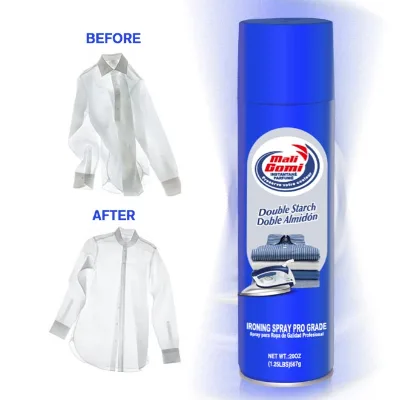
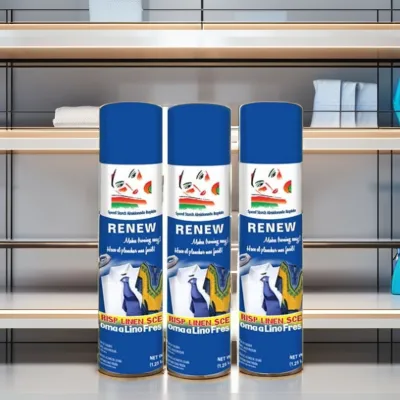
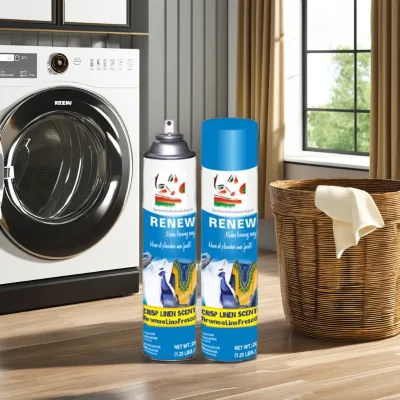
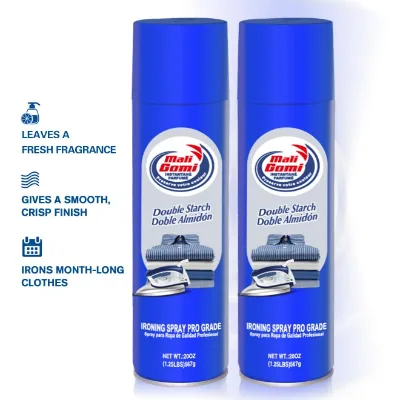


Fabric Spray Original Ironing Starch Spray for Quilting Adds Stiffness to Fabric
$0.35 - $0.55
MOQ: 20000 Pieces


Smooth Ironing Fragranced Spray Starch Restores Crisp/Fresh Look of Fabric
$0.35 - $0.55
MOQ: 20000 Pieces



Comprehensive Sourcing Guide
Lavender Fabric Starch Spray Sourcing Guide
Sourcing Lavender Fabric Starch Spray requires a nuanced understanding of both the chemical formulation and the sensory expectations of the end-user. This product category sits at the intersection of laundry care and textile finishing, serving buyers who need to balance fabric crispness with aesthetic appeal. The presence of a natural lavender fragrance is not merely a marketing flourish; it is a functional attribute that influences consumer acceptance in personal care and household cleaning segments. Procurement teams must recognize that "lavender" in this context often refers to a specific scent profile derived from natural fragrances, which demands stricter quality control regarding consistency and stability compared to synthetic alternatives.
The commercial landscape for these products is diverse, ranging from small sachet-based powders to large-volume liquid sprays. Buyers will encounter variations in packaging, from individual rolls of sachets to bulk cartons of cans, each implying different logistical and handling requirements. Understanding these physical formats is critical for determining storage capacity, shelf-life management, and final distribution channels. The guide below outlines the essential verification steps, technical parameters, and commercial considerations necessary to secure a reliable supply chain for lavender-infused fabric starch products.
Product Scope and Observed Listing Signals
The current market signals indicate a wide variance in product forms, primarily distinguishing between powder-based starches and liquid spray formulations. Observations show products labeled as "powder" with specific weights like 22.5g, often packaged in rolls of sachets, suggesting a focus on single-use or portion-controlled applications. Conversely, liquid starch sprays are frequently listed with volumes such as 20 oz or 567ml, packaged in cans for direct application. These distinct physical states dictate different manufacturing processes and quality assurance protocols; powder forms require attention to moisture content and clumping, while liquid sprays demand stability checks for separation and nozzle functionality.
Functional claims observed in listings highlight dual benefits: fabric stiffening and wrinkle removal. This dual functionality is a key selling point for B2B buyers targeting the home care or hospitality sectors. The products are explicitly categorized under "clothes" and "washing clothes" applications, with some extending to "personal care," indicating versatility in marketing. Buyers should note that while the core function is starching, the addition of lavender scent positions the product as a premium laundry aid. The presence of "Eco-Friendly" attributes suggests a growing market segment that prioritizes sustainable ingredients, requiring verification of what specific components qualify the product for this label.
Technical Specifications to Verify
Volume and weight specifications vary significantly across suppliers, necessitating precise verification to avoid inventory discrepancies. Listings show sizes ranging from 22.5g powder sachets to 20 oz (approximately 567ml) liquid cans. Buyers must confirm the net content versus gross weight, especially for liquid sprays where packaging material adds substantial weight. The specification "0-500ml" suggests a customizable volume range, which is common in OEM arrangements. It is essential to validate the actual fill volume against the labeled capacity to ensure compliance with local weighing and measuring regulations, particularly when importing into markets with strict consumer protection laws.
Packaging configurations directly impact logistics efficiency and cost. Observed packing methods include "10 Sachet Per Roll, 30rolls to a Carton" for powder variants and "24cans Per Carton" or "12PCS Per Carton" for liquid sprays. These configurations influence palletization strategies and warehouse storage requirements. Buyers should verify the structural integrity of the cartons, especially for liquid products, to prevent leakage during transit. Additionally, the "best starch spray for clothes" and "RENEW" model identifiers suggest specific product lines that may have unique handling instructions or compatibility requirements with certain laundry systems.
Compliance and Safety Documentation
Safety data sheets (MSDS) are a critical component of the documentation package for fabric starch sprays. The presence of MSDS indicates that the product contains ingredients that require hazard communication, even if they are generally safe for household use. Buyers must request the most recent version of the MSDS to verify the chemical composition, particularly regarding the "natural fragrance" and any preservatives or propellants used in the spray mechanism. This document is essential for determining safe storage conditions, handling procedures, and emergency response protocols in the warehouse.
Regulatory compliance extends beyond MSDS to include specific product standards and certifications. While "MSDS" is listed as a standard, buyers should verify if additional certifications are required for the target market, such as REACH compliance for Europe or EPA registration for certain claims in the United States. The "Eco-Friendly" claim, if made, should be backed by verifiable criteria, such as biodegradability rates or the absence of specific harmful chemicals. Without clear certification details, buyers risk mislabeling products or facing regulatory penalties. It is advisable to request third-party test reports that confirm the safety of the lavender fragrance and the efficacy of the starching agents.
Cost Drivers and Commercial Terms
Pricing for Lavender Fabric Starch Spray is influenced by several factors, including the form of the product, packaging complexity, and order volume. The observed price range of $0.07 to $400 USD reflects the disparity between single sachets and bulk container loads. Buyers must distinguish between unit price and total landed cost, which includes freight, insurance, and duties. The "Factory Supply Directly" advantage suggests potential cost savings by eliminating intermediaries, but this must be weighed against the minimum order quantities (MOQ) required.
MOQs vary widely, from 500 cartons to 2320 cartons per 20-foot container, or specific piece counts like 6000 PCS. These thresholds are designed to optimize production runs and shipping efficiency. Buyers with smaller volume requirements may face higher per-unit costs or limited supplier options. Lead times are typically cited as 18-25 days, which impacts inventory planning and cash flow. Understanding the payment terms and the flexibility of MOQs for trial orders is crucial for establishing a sustainable procurement relationship. The "OEM&ODM" support indicates that customization is possible, which may involve additional setup costs or longer lead times for the first production run.
Supplier Qualification and Quality Control
Supplier qualification begins with verifying the origin and manufacturing capabilities. Most listed products originate from Guangzhou, China, a major hub for chemical and consumer goods manufacturing. Buyers should assess the supplier's production capacity and quality management systems to ensure consistent output. The "Quality Assurance" advantage mentioned in listings should be substantiated by internal QC processes, such as in-line monitoring of fill weights and seal integrity. For OEM orders, the supplier's ability to maintain brand consistency and adhere to specific formulation requirements is paramount.
Quality control protocols must address both product performance and packaging integrity. For starch sprays, key quality indicators include spray pattern consistency, fragrance longevity, and starch effectiveness in removing wrinkles. Buyers should request sample batches to test these attributes under real-world conditions. Additionally, shelf-life verification is critical, as the listed 2-year shelf life must be confirmed through stability testing. Suppliers should provide batch-specific test reports that verify the product meets the specified standards throughout its intended shelf life. Establishing a clear defect rate tolerance and return policy is also essential for mitigating supply chain risks.
Long-Term Procurement Checks
Sustaining a reliable supply of Lavender Fabric Starch Spray requires ongoing monitoring of supplier performance and market trends. Buyers should regularly review supplier audits, focusing on changes in raw material sources, particularly for the natural lavender fragrance. Fluctuations in agricultural yields or extraction methods can impact scent consistency and cost. Establishing a long-term contract with clear quality benchmarks and penalty clauses for non-compliance can help mitigate these risks. Regular communication with the supplier regarding new product developments or regulatory changes is also vital.
Market dynamics in the personal care and laundry sectors are evolving, with increasing demand for eco-friendly and sustainable products. Buyers should stay informed about emerging standards and consumer preferences to ensure their procurement strategy remains competitive. This includes evaluating the supplier's commitment to sustainability initiatives, such as recyclable packaging or reduced carbon footprint in manufacturing. By maintaining a proactive approach to supplier management and market analysis, buyers can secure a stable supply of high-quality Lavender Fabric Starch Spray that meets both current and future business needs.
FAQs
What is the primary function of this Lavender Fabric Starch Spray?
The primary function is fabric stiffening and wrinkle removal for clothes. This product serves as a starch spray designed to apply natural fragrance and floral scent while treating laundry items effectively.
Can I customize the packaging for this Lavender Fabric Starch Spray?
Yes, customization is available for this product. Buyers can select from options like 10 sachets per roll or 24 cans per carton, with specific volume specifications such as 20 oz or 567g available for different orders.
What is the minimum order quantity for this Lavender Fabric Starch Spray?
The minimum order quantity varies by supplier but can be as low as 500 cartons or 6000 pieces. Some suppliers require larger volumes like 2320 cartons per 20-foot container for bulk procurement needs.
How long is the shelf life of this Lavender Fabric Starch Spray?
The shelf life is two years from the date of manufacture. This ensures the product remains effective for fabric stiffening and wrinkle removal during storage before being applied to washing clothes.
Where is this Lavender Fabric Starch Spray manufactured?
This product originates from Guangzhou, China, or generally from Guangdong, China. The manufacturing location ensures compliance with standards like MSDS for safety and quality assurance in the global supply chain.
Does this Lavender Fabric Starch Spray come with safety certifications?
Yes, the product includes MSDS certification for safety compliance. This documentation verifies the chemical composition and handling requirements for the starch spray used in personal care and clothes applications.
What is the lead time for delivery of this Lavender Fabric Starch Spray?
The delivery time typically ranges from 18 to 25 days after order confirmation. This lead time applies to factory supply directly, ensuring quality assurance and timely arrival of the starch spray products.