Source Lavender Mint Scented Nasal Strips for congestion relief
Compare 30 listings of Lavender Mint Scented Nasal Strips from verified Chinese manufacturers. Buyers can evaluate MOQs, certifications, and custom packaging options for wholesale sourcing needs.
Key considerations
Products List
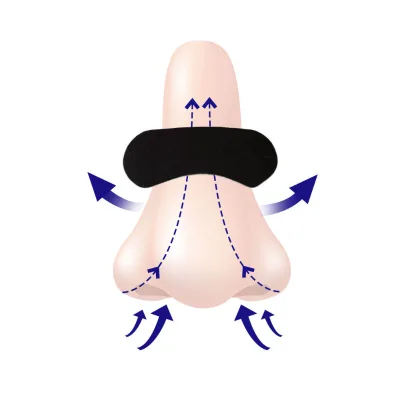
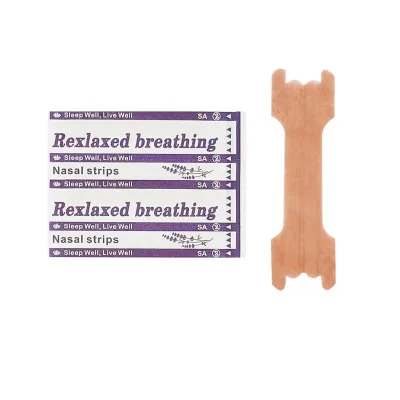
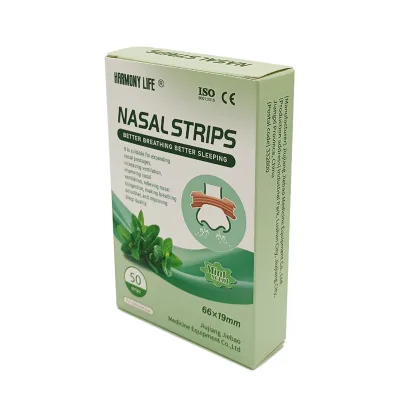
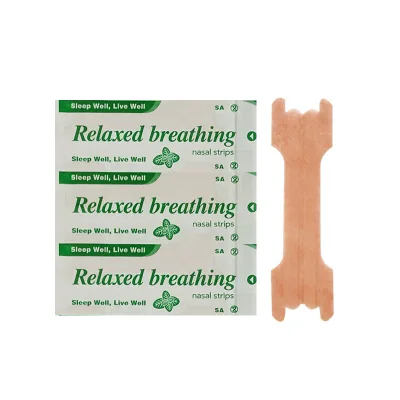
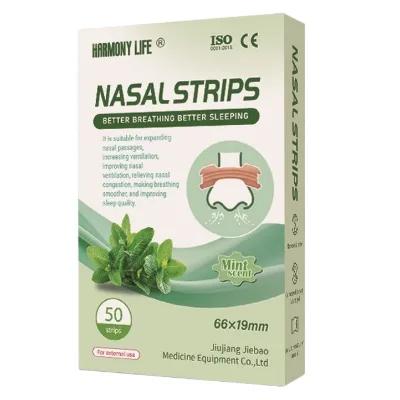
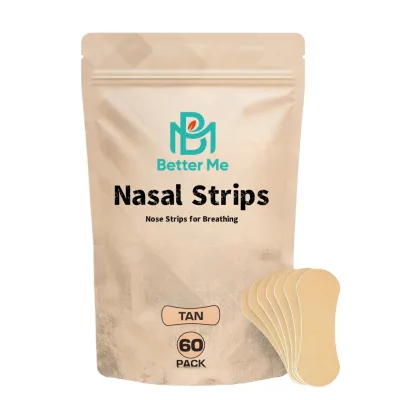
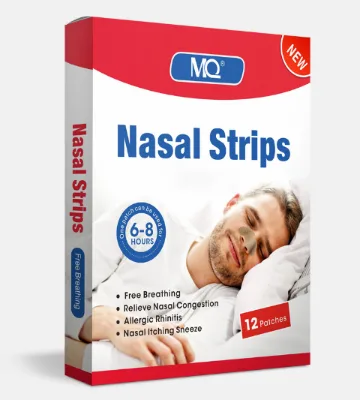
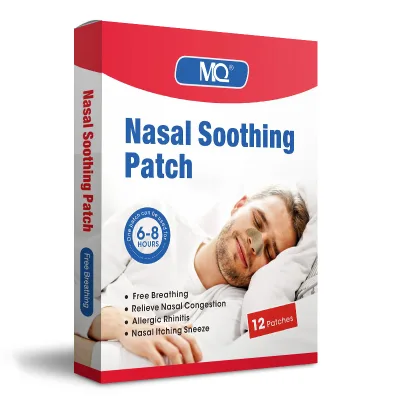
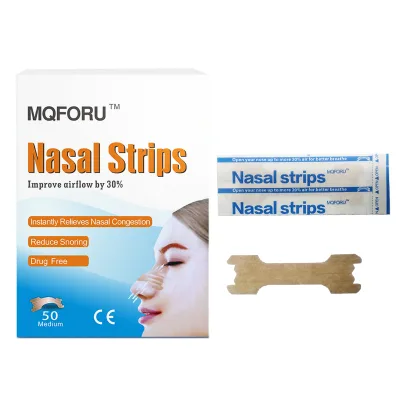
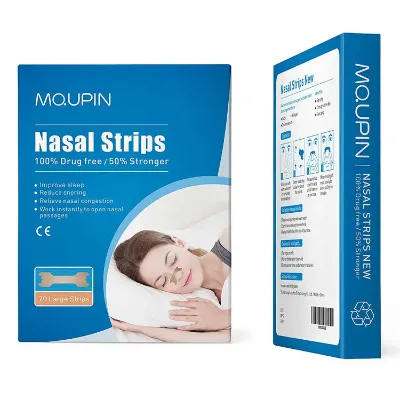
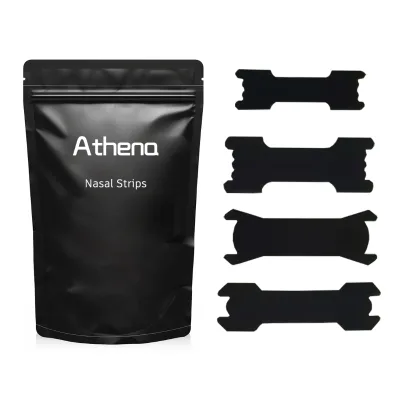


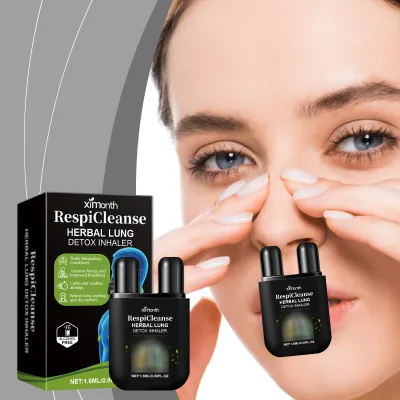
Comprehensive Sourcing Guide
Strategic Sourcing Guide for Lavender Mint Scented Nasal Strips
Understanding Product Variants and Functional Claims
When initiating a procurement search for Lavender Mint Scented Nasal Strips, buyers must first navigate the complex landscape of product categorization. The core keyword suggests a specific sensory experience—aromatherapy combined with mechanical ventilation—yet the market data reveals a fragmented supply chain where functional claims vary significantly. In the observed product pool, items are listed under diverse functional headers such as "Nasal Patch Ventilation," "Nasal Congestion," and "Anti Snoring Sleep Aids." This variance indicates that a single SKU may be marketed differently depending on the target demographic or the specific formulation of the adhesive and scent profile.
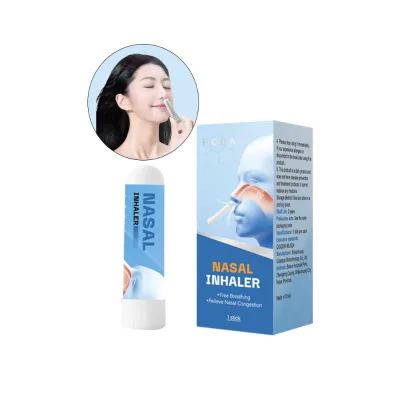
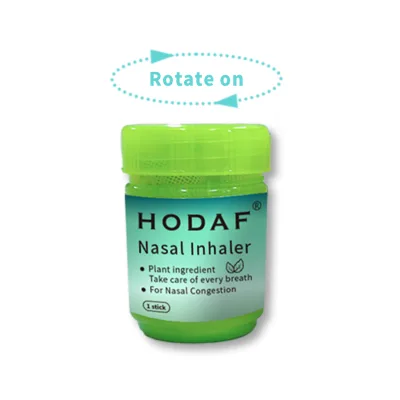
The term "lavender mint" implies a specific ingredient profile, likely involving plant essential oils or herbal extracts. However, the provided facts list "Main Ingredient" as "Vitamin E," "herbal," or "plant essential oil" across different listings. This discrepancy highlights a critical sourcing risk: the assumption that all "nasal strips" contain the same active ingredients. A buyer seeking a lavender mint profile must explicitly verify the ingredient list, as some products in the category are classified as "Herbal Supplements" or "Nasal Inhalers" rather than simple adhesive strips. The physical form is consistently described as a "Strip," but the application ranges from "nose" to "Personal Care" and "Nasal," suggesting that the delivery mechanism and intended use case must be rigorously defined before placing an order.
Technical Specifications and Physical Attributes
Technical due diligence is paramount when sourcing adhesive nasal products. The physical dimensions of the strip and its packaging are not merely aesthetic details but critical factors for logistics and user experience. Observed data indicates a wide range in single package sizes, from compact 6x2x1 cm units to larger 7x5x5 cm boxes. Similarly, the gross weight of individual packages varies from 0.015 kg to 0.300 kg. These variations suggest differences in the number of strips per box, the thickness of the packaging material, or the inclusion of additional components like inhalers or separate scent pads.
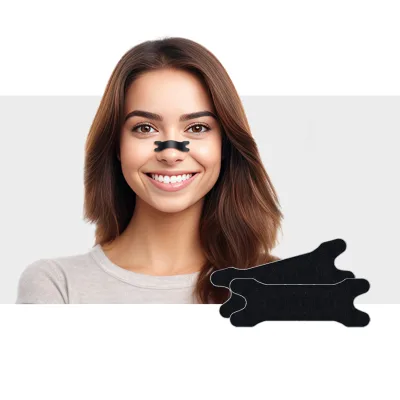
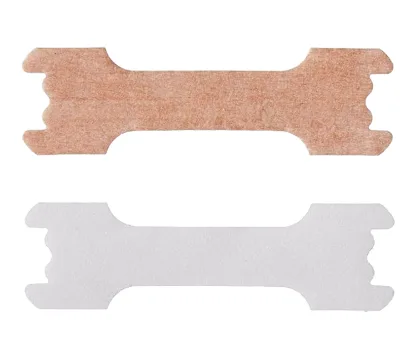
For a lavender mint product, the material composition is a key technical specification. The supply data lists "Herbal" as a primary material, which aligns with the scent profile. However, the color options observed include "skin color," "transparent," "black," "white," and "green." While "skin color" and "transparent" are standard for medical-grade adhesive strips to ensure discretion, the presence of "black" or "green" options may indicate a different manufacturing batch or a specific branding choice that could affect the perceived medical efficacy. Buyers must confirm that the chosen color does not compromise the adhesive's ability to bond to the skin or the visibility of the scent delivery mechanism. Furthermore, the size specification of 66mm*19mm is a precise metric that should be cross-referenced with the intended anatomical fit for the target market, as nasal bridge dimensions vary globally.
Compliance, Certification, and Regulatory Standards
Navigating the regulatory landscape is perhaps the most critical aspect of sourcing nasal products, particularly those claiming health benefits like "Anti Snoring" or "Breath Improvement." The observed product data lists several certifications, including "ISO," "CE," and "MSDS." The presence of ISO and CE certifications suggests that some suppliers adhere to international quality management and safety standards, which is essential for entering regulated markets like the European Union or North America. However, the data also notes "Quality Certification: ISO, MSDS" for some items while others list only "ISO." This inconsistency requires buyers to demand specific certificate documentation for every batch, rather than relying on general supplier claims.
The "MSDS" (Material Safety Data Sheet) is particularly relevant for products containing essential oils like lavender and mint. This document details the chemical composition, handling procedures, and potential hazards of the ingredients. Since the product is applied directly to the skin and near the respiratory tract, verifying the MSDS ensures that the essential oil concentration is within safe limits and that no prohibited allergens are present. Additionally, the shelf life data presents a notable variation, with listings showing "2 Years," "2," and "3 Years." This inconsistency underscores the need for buyers to verify the stability testing data for the specific lavender mint formulation, as the volatility of essential oils can impact the product's efficacy over time. A standard shelf life of two to three years is typical, but the specific expiration date must be clearly marked on the packaging to ensure compliance with local labeling laws.
Cost Drivers and Economic Considerations
The economic landscape for nasal strips is influenced by several distinct cost drivers, primarily related to customization, volume, and material quality. The observed Minimum Order Quantity (MOQ) ranges from 2 to 50,000 units, indicating a highly flexible supply chain that can accommodate both small startups and large distributors. However, the specific listing for a high-volume item shows an MOQ of 30,000, suggesting that premium or custom-formulated products may require larger commitments. The price range observed in the market spans from $0.02 to $4.83 USD, a wide disparity that reflects differences in packaging, branding, and ingredient sourcing.
Customization is a significant cost factor. The data confirms that "OEM ODM Private Label" services are available, and suppliers accept "Customized Logo" and "Customized Package." These services inevitably increase the unit cost due to the setup fees for printing, mold creation, and quality control adjustments. The "Single gross weight" variations also impact shipping costs; a product weighing 0.300 kg per package will incur significantly higher freight charges than one weighing 0.015 kg. Buyers must calculate the total landed cost, including freight, duties, and insurance, rather than focusing solely on the unit price. Additionally, the "Sample Provided" and "Support" options allow buyers to test the product before committing to large orders, which is a prudent financial strategy to avoid the costs associated with defective or non-compliant batches.
Supplier Evaluation and Capacity Verification
Selecting the right supplier requires a thorough evaluation of their operational capacity and geographic location. The supply data identifies origins in "Hebei, China" and "Guangwell, China," which are known manufacturing hubs. However, the specific brand names observed, such as "HD" and "Byphane," indicate that the market includes both generic manufacturers and established brands. Buyers should verify the "Max. Capacity" of potential suppliers, as one listing notes a capacity of 300,000 pieces per month. This metric is crucial for ensuring that the supplier can meet demand during peak seasons without compromising quality or delivery timelines.
The "Service" attribute of "OEM ODM Private Label" suggests that many suppliers are equipped to handle custom orders, but the level of expertise varies. Buyers should assess the supplier's experience with herbal formulations, as the integration of lavender and mint essential oils requires specialized knowledge to prevent separation or degradation. The "Sample" availability is a strong indicator of supplier confidence; a reputable supplier should be willing to provide samples for testing the scent profile, adhesive strength, and overall user experience. Furthermore, the "Logo" customization options imply that the supplier has the infrastructure for branding, but buyers must verify the quality of the printing and the durability of the logo on the packaging.
Quality Control and Long-Term Procurement Strategy
Establishing a robust quality control (QC) protocol is essential for maintaining brand reputation in the nasal strip market. Given the "Hypoallergenic" claims observed in the product data, rigorous testing for skin irritation is mandatory. Buyers should implement a QC plan that includes visual inspection of the strips for defects, verification of the adhesive bond strength, and sensory testing of the lavender mint scent. The "Single package size" and "Single gross weight" should be monitored to ensure consistency across batches, as deviations can indicate packaging errors or ingredient inconsistencies.
Long-term procurement considerations involve building a relationship with suppliers who can scale with the buyer's growth. The "Shelf life" of 2 to 3 years allows for inventory planning, but buyers must ensure that the supplier can maintain consistent quality over time. The "Application" of the product in "Personal Care" and "Nasal" categories suggests a recurring purchase pattern, making supply chain stability a priority. Buyers should also consider the environmental impact of the packaging, as "Customized Packing" options may include eco-friendly materials that align with modern consumer preferences. Finally, maintaining open communication regarding "Test results" and "Performance claims" will help mitigate risks and ensure that the lavender mint nasal strips continue to meet the evolving needs of the market.
Comparative Analysis of Product Attributes
To facilitate decision-making, the following table summarizes the key attributes observed in the market for nasal strip products. This comparison highlights the diversity in specifications that buyers must navigate when sourcing lavender mint scented variants.
| Attribute Category | Observed Variations | Sourcing Implication |
|---|---|---|
| Function | Nasal Patch Ventilation, Nasal Congestion, Anti Snoring Sleep Aids | Define the primary medical or wellness claim required for the target market. |
| Main Ingredient | Vitamin E, Herbal, Plant Essential Oil | Verify the specific scent source (lavender/mint) and ensure it is listed as an essential oil. |
| Certification | ISO, CE, MSDS | Demand specific certificates for the batch; do not assume all products have the same compliance. |
| Shelf Life | 2 Years, 3 Years | Confirm the expiration date and stability testing for the specific herbal formulation. |
| MOQ | 2, 3000, 30000 | Align order volume with cash flow and storage capacity; negotiate for lower MOQs if possible. |
| Package Size | 6x2x1 cm, 7x5x5 cm, 4x4x10 cm | Calculate freight costs accurately based on the actual packaging dimensions. |
| Color | Skin, Transparent, Black, White, Green | Ensure the color choice aligns with brand identity and does not compromise product perception. |
| Origin | Hebei, China; Guangdong, China | Consider logistics and lead times based on the specific manufacturing location. |
This structured approach ensures that buyers can effectively evaluate the diverse offerings in the nasal strip market, focusing on the specific requirements for lavender mint scented products while adhering to the constraints of the available data. By prioritizing verification of ingredients, certifications, and supplier capacity, buyers can mitigate risks and secure a reliable supply chain for their procurement needs.
FAQs
What certifications do lavender mint nasal strips typically have?
Products often carry ISO and CE certifications to ensure safety and quality. Some listings also include MSDS documentation for essential oil safety. Buyers must verify specific certificates for each batch rather than assuming universal compliance.
How long is the shelf life of herbal nasal strips?
Shelf life varies between two and three years depending on the formulation. Stability testing is required for herbal ingredients like lavender and mint to ensure efficacy. Always check the expiration date on the specific packaging before purchase.
Can suppliers provide custom packaging for these nasal strips?
Yes, most manufacturers accept customized packaging and private label services. This includes options for logos and specific box dimensions like 6x2x1 cm or 7x5x5 cm. Customization may affect unit pricing and minimum order quantities.
What is the minimum order quantity for these products?
MOQs range widely from 2 units to 50,000 units depending on the supplier. High-volume custom orders often require commitments of 30,000 units. Buyers should negotiate based on their specific inventory needs and cash flow.
Which materials are used for the main ingredient in these strips?
Main ingredients include herbal extracts, plant essential oils, and sometimes Vitamin E. The material is classified as herbal to support soothing and anti-snoring functions. Verify the exact ingredient list to confirm the lavender and mint scent profile.
How can I verify the capacity of a potential supplier?
Check the supplier's stated maximum capacity, which can reach 300,000 pieces per month. This metric ensures they can meet large order volumes during peak seasons. Request proof of capacity to avoid supply chain disruptions.
What are the available color options for nasal strips?
Options include skin color, transparent, black, white, and green. Skin color and transparent are standard for medical discretion, while others may be for branding. Confirm that the chosen color does not compromise adhesive performance or user perception.