Source Leakproof D Size Battery for Toys, Flashlights, and Electronics
Compare 30 listings for Leakproof D Size Battery options including zinc carbon and zinc manganese dioxide types. Buyers can evaluate specifications, certifications, and pricing for applications in toys, consumer electronics, and flashlights.
Key considerations
Products List


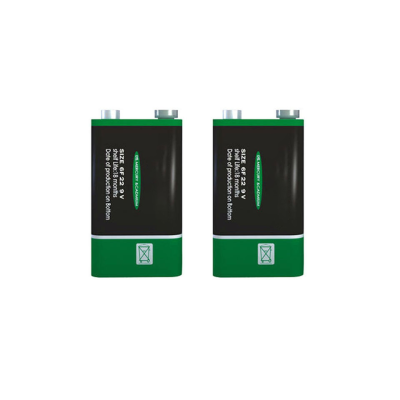


LR03 Alkaline battery AAA 1.5v Batteries Super Durable Non-Rechargeable Leakproof
$0.07 - $0.08
MOQ: 10000 Pieces


Um2 Battery 1.5V Lr14 Size C Super Alkaline Primary Dry Battery Leakage Proof
$0.61 - $0.63
MOQ: 10000 PCS

Long-Lasting & Leak-Proof Heavy Duty R03 Battery 1.5V AAA Dry Battery
$0.03 - $0.04
MOQ: 500000 Pieces


Comprehensive Sourcing Guide
Strategic Sourcing Guide for Leakproof D-Size Batteries
The global demand for reliable primary power sources continues to drive the procurement of D-size batteries, particularly for high-drain applications where longevity and structural integrity are paramount. For buyers seeking "leakproof" solutions, the terminology often points to advanced sealing technologies and robust casing materials designed to prevent electrolyte leakage, a common failure mode in zinc-carbon and alkaline chemistry batteries. This guide synthesizes observed market data and technical attributes to provide a disciplined framework for evaluating suppliers, verifying product specifications, and mitigating supply chain risks. The focus remains on the D-size form factor, which corresponds to specific international standards and physical dimensions critical for compatibility with industrial and consumer devices.
Technical Specifications and Chemical Composition
Understanding the underlying chemistry is the first step in sourcing a battery that meets leakproof requirements. The supplied data indicates a prevalence of Zinc Carbon (Zn/MnO2) and Zinc Manganese Dioxide chemistries in the D-size market. These are classified as non-rechargeable primary cells with a nominal voltage of 1.5V. The specific model identifiers observed in the market include "size d," "R20," and "D/Um-1," all of which refer to the same physical form factor. The R20 designation is the international standard for the D-cell, while "LR03" and "LR6" refer to AAA and AA sizes respectively, highlighting the importance of distinguishing between model codes during procurement.
The physical construction plays a significant role in leak prevention. High-confidence facts reveal that the jacket material is often PVC or a combination of PVC and Metal Jacket. The casing shape is consistently cylindrical, and the internal structure utilizes a "Metal Top and Bottom" technology criterion. This metal construction is essential for maintaining the seal integrity under varying temperature conditions. Buyers must verify that the specific unit they are sourcing possesses a robust metal top and bottom interface, as this is the primary barrier against electrolyte migration. The discharge time for these units varies, with observed ranges between 250 and 800 minutes, depending on the load and specific manufacturing batch. Capacity metrics such as "310 Mins" or "380 Mins" are also cited, suggesting that performance is highly dependent on the specific application's drain rate.
Compliance and Certification Verification
In the B2B sector, compliance is not merely a formality but a critical risk management tool. The market data presents a wide array of certifications, including CE, CB, TUV, RoHS, CTIA, PSE, KC, GOST-R, and SASO. However, a prudent buyer must recognize that these certifications are not universally present on every single SKU. The observed data shows varying certification clusters; some products list "CE, RoHS, SASO," while others may only list "CE, RoHS." This variance suggests that certification status is product-specific rather than a blanket attribute of all D-size batteries from a supplier.
When evaluating a potential supplier, procurement teams should demand proof of current certification for the specific batch or model intended for purchase. The presence of RoHS compliance is particularly relevant for environmental regulations in the European Union and other jurisdictions, ensuring the product is free of hazardous substances. Similarly, SASO certification is mandatory for sales into Saudi Arabia, and PSE is required for the Japanese market. Buyers should not assume that a supplier's general capability includes these certifications for every product line. Verification of the "zinc manganese dioxide" standard and adherence to specific national standards is essential. The data also notes a "Mercury: 0%" attribute, which is a significant environmental and safety claim that should be verified through third-party testing reports rather than accepted solely on marketing materials.
Cost Drivers and Pricing Dynamics
The pricing landscape for D-size batteries is characterized by significant volatility, with observed listed prices ranging from $0.02 to $600 USD. This extreme range indicates that the final cost is heavily influenced by factors beyond the unit itself, such as packaging, certification levels, order volume, and logistics. The minimum order quantity (MOQ) observed spans from 1 unit to 500,000 units, suggesting that economies of scale are a primary cost driver. For small procurement needs, the unit cost will be significantly higher, whereas bulk orders can drive the price down to the lower end of the spectrum.
Packaging is another critical cost component. The data lists "Simple," "Shrink," "Carton," and "By Sea" as packaging options. Shrink packaging may offer better protection against moisture and physical damage, potentially justifying a higher unit cost compared to simple bulk packing. The "422820cm/carton" specification provides a concrete metric for logistics planning, allowing buyers to calculate shipping efficiency and container utilization. Furthermore, the "Delivery Time" is noted as 30 days, which is a standard lead time that impacts inventory holding costs. Buyers should factor in the total landed cost, including the 30-day production window, sea freight expenses, and any customs duties associated with the "China" origin location.
Typical Applications and Performance Expectations
The versatility of the D-size battery is evident in its diverse application profile. The observed data explicitly lists "Toys, Consumer Electronics, and Flashlight" as primary use cases. However, the "Heavy Duty Battery" classification suggests suitability for more demanding applications as well. The "310 Mins" to "380 Mins" capacity figures indicate that these batteries are suitable for moderate-drain devices but may struggle in high-drain scenarios without careful load management.
For applications requiring leakproof performance, such as remote controls, wall clocks, or emergency lighting, the integrity of the seal is paramount. The "PVC" or "PVC/Metal Jacket" construction provides a necessary barrier against the corrosive electrolyte found in zinc-carbon cells. Buyers should match the battery's discharge characteristics to the device's power consumption. Devices that are left in storage for long periods require batteries with low self-discharge rates to prevent leakage caused by internal pressure buildup. The "3 Years" warranty mentioned in the data offers a benchmark for expected shelf life, though this should be treated as a supplier promise rather than a guaranteed industry standard for all units.
Supplier Evaluation and Service Capabilities
Selecting the right supplier requires a deep dive into their service capabilities and customization options. The data confirms that "Customization" is available, and "OEM" (Original Equipment Manufacturer) services are explicitly offered, with a specific "OEM: Yes" attribute noted. This indicates that suppliers can produce batteries with custom branding, such as the "Powershiba" brand observed in the dataset, or modify packaging to meet specific client requirements. The "Label: Aluminium Foil" attribute suggests that high-quality labeling materials are available, which can be crucial for brand differentiation and anti-counterfeiting measures.
Payment terms are standardized, with "T/T" (Telegraphic Transfer) being the primary method observed. This is a common practice in international trade but requires buyers to establish clear trust mechanisms, such as letters of credit or escrow services, for large orders. The "Service: OEM" attribute implies that the supplier is willing to engage in collaborative development, which is beneficial for companies looking to create proprietary battery solutions. However, buyers must verify the supplier's capacity to maintain consistent quality across customized batches. The "Simple" versus "Carton" packaging options also reflect the supplier's flexibility in meeting different logistical needs.
Quality Control and Long-Term Procurement Considerations
Ensuring long-term supply chain stability requires rigorous quality control measures. The "Recycling" attribute presents a dichotomy, with some data points indicating "Recyclable" and others "Non-Recyclable." This inconsistency highlights the need for buyers to specify their sustainability requirements clearly. If a company has strict environmental goals, they must verify the recyclability of the specific D-size model before committing to a large order. The "Mercury: 0%" claim is a positive indicator for environmental compliance, but it should be backed by independent test results.
For long-term procurement, the "30days" delivery time should be integrated into inventory planning. Buyers should maintain a safety stock to mitigate risks associated with potential supply chain disruptions. The "By Sea" shipping method is cost-effective for bulk orders but introduces longer transit times compared to air freight. Quality control should extend to the packaging stage; the "Shrink" and "Carton" options offer different levels of protection during transit. A robust quality assurance protocol should include random sampling for leakage tests, voltage stability checks, and verification of the "Metal Top and Bottom" construction integrity.
Comparative Analysis of D-Size Battery Attributes
To facilitate decision-making, the following table summarizes the key attributes observed in the market data for D-size batteries. This comparison helps buyers identify which specifications align with their specific procurement needs.
| Attribute Category | Observed Options | Procurement Consideration |
|---|---|---|
| Chemistry | Zinc Carbon, Zn/MnO2 | Verify suitability for intended device drain rate. |
| Voltage | 1.5V | Standard for most consumer electronics; ensure compatibility. |
| Model Codes | R20, Size D, Um-1 | Confirm physical dimensions match device requirements. |
| Jacket Material | PVC, PVC/Metal Jacket | Metal jacket offers superior leak protection. |
| Certifications | CE, RoHS, SASO, TUV, etc. | Verify specific certs required for target market. |
| Packaging | Simple, Shrink, Carton | Choose based on storage conditions and shipping method. |
| Lead Time | 30 Days | Plan inventory levels accordingly. |
| Origin | China | Factor in logistics and potential tariff implications. |
| Warranty | 3 Years | Treat as a supplier commitment; verify terms. |
| Recycling | Recyclable / Non-Recyclable | Align with corporate sustainability policies. |
In conclusion, sourcing leakproof D-size batteries requires a meticulous approach that balances technical specifications, regulatory compliance, and supply chain logistics. By focusing on the verified attributes such as the R20 standard, metal jacket construction, and specific certification clusters, buyers can navigate the complex market to find reliable partners. The availability of OEM services and customization options further enhances the potential for tailored solutions, provided that quality control and verification processes are strictly enforced.
FAQs
What battery chemistry ensures leakproof performance for D-size cells?
Zinc Carbon and Zinc Manganese Dioxide chemistries are used for these batteries. The construction often includes a PVC or metal jacket to prevent electrolyte leakage during storage and use.
Which certifications are available for sourcing these batteries from China?
Available certifications include CE, RoHS, SASO, TUV, and CB. Buyers must verify that the specific batch holds the required certifications for their target market rather than assuming all units are certified.
Can I order custom branded D-size batteries with OEM services?
Yes, customization and OEM services are available for these products. Suppliers can provide custom branding and packaging options like shrink or carton packaging to meet specific client requirements.
What is the typical delivery time for bulk orders of these batteries?
The standard delivery time is 30 days from the order date. Buyers should plan their inventory accordingly to account for this production lead time and potential sea freight transit.
How does the minimum order quantity affect the unit price?
Prices range from 0.02 to 600 USD depending on the order volume. The minimum order quantity can be as low as 1 unit or as high as 500,000 units, significantly impacting the final cost.
What is the nominal voltage for non-rechargeable D-size batteries?
The nominal voltage is 1.5V for these non-rechargeable primary cells. This standard voltage ensures compatibility with most consumer electronics, toys, and flashlights designed for D-size power sources.
Are these batteries recyclable or non-recyclable?
Product data indicates both recyclable and non-recyclable options exist. Buyers must specify their sustainability requirements clearly and verify the recyclability status of the specific model before placing a large order.