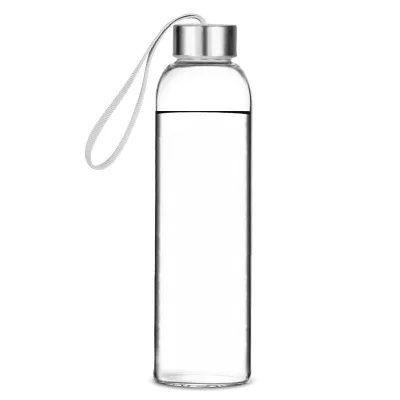
Source Leakproof Reusable Glass Water Bottle for Travel, Gym, and Office
Find a Leakproof Reusable Glass Water Bottle from 30 verified listings. Compare bamboo lids, double-wall insulation, and custom logos. View pricing, MOQs, and certifications like FDA and CE for your sourcing needs; compare the available evidence and request quotations based on your requirements.
Key considerations
Products List


Factory-Price 400ml Sustainable Water Bottle Creative Glass Water Bottle
$0.15 - $0.25
MOQ: 1000 Pieces


10oz 16oz Transparent Glass Custom Logo Water Bottles with Portable Lid
$0.10 - $1.00
MOQ: 5000 Pieces




Comprehensive Sourcing Guide
Leakproof Reusable Glass Water Bottle Sourcing Guide
Procuring leakproof reusable glass water bottles requires a strategic balance between aesthetic appeal, functional integrity, and supply chain reliability. Glass remains a premium material choice for beverage containers due to its inert nature, which ensures that flavors remain pure and no chemical leaching occurs during storage or consumption. Buyers must prioritize suppliers who demonstrate rigorous quality control over the sealing mechanisms, as the "leakproof" claim is entirely dependent on the precision of the lid-to-body interface. This guide outlines the critical verification steps necessary to secure a reliable supply of high-quality glass bottles that meet international safety and performance standards.
The market offers a diverse range of configurations, from simple screw-top designs to complex double-wall constructions that provide thermal insulation. Sourcing decisions should be driven by the specific end-use case, whether for sports, daily hydration, or commercial beverage distribution. Understanding the interplay between material thickness, lid design, and packaging methods is essential for minimizing breakage rates during transit. This document provides a structured approach to evaluating suppliers, verifying technical specifications, and establishing commercial terms that protect your brand’s reputation for quality and durability.
Product Scope and Observed Listing Signals
The current market landscape for glass water bottles reveals a wide spectrum of product attributes, with observed price points ranging from $0.10 to $6.30 USD. This variance reflects differences in glass thickness, lid complexity, and customization levels. Minimum Order Quantities (MOQs) typically span from 40 to 10,000 pieces, allowing flexibility for both small boutique brands and large-scale distributors. Buyers should note that while some listings offer free samples, others may require payment for shipping or sample production, which should be factored into the initial sourcing budget.
Observed product models include specific identifiers such as 211, 001, and BWB-9001, indicating standardized manufacturing lines. Capacities vary significantly, with common standards including 300ml, 400ml, 500ml, and 550ml, alongside imperial measurements like 16 Oz. The presence of features such as double-wall construction and bamboo screwed lids suggests a trend toward eco-friendly and premium design elements. Buyers must carefully cross-reference these observed signals with their specific technical requirements to ensure alignment between supplier offerings and end-user expectations.
Technical Specifications to Verify
Verifying the physical dimensions and material integrity of the glass bottles is the first critical step in the qualification process. Buyers should request detailed technical drawings that specify wall thickness, overall height, and diameter to ensure compatibility with existing packaging lines or retail displays. The standard packing methods observed include carton and pallet configurations, with some suppliers offering customized packaging solutions. It is essential to confirm the weight of individual units, as heavier glass increases shipping costs and carbon footprint, while thinner glass may compromise durability.
The sealing mechanism is paramount for achieving a leakproof performance. Most observed products utilize screw cap designs, often paired with silicone or rubber gaskets to create an airtight seal. Buyers must verify the compatibility of the lid material with the glass neck, ensuring that thermal expansion differences do not compromise the seal over time. Additionally, check if the bottles include accessories such as covers or handles, and confirm whether the design allows for easy cleaning, as some complex structures may require hand washing only, impacting user convenience.
Compliance and Safety Documentation
Ensuring that the glass bottles meet international safety and food-contact standards is non-negotiable for global distribution. Suppliers should provide valid certification documents, with common observed certifications including FDA, CE/EU, CIQ, LFGB, EEC, and SGS. These certifications verify that the glass material and any accompanying components, such as lids or gaskets, are safe for contact with water, beverages, and other consumables. Buyers must request recent test reports to confirm that the products do not contain harmful substances like lead or cadmium, which can leach from low-quality glass or decorative inks.
Beyond material safety, buyers should verify compliance with specific regional standards, such as the EN71 standard for children’s products if applicable. The presence of RoHS certification indicates that the product is free from hazardous substances, which is particularly important for electronic components if the bottle includes features like temperature displays. It is crucial to ensure that all certifications are current and issued by accredited third-party laboratories. Buyers should also confirm that the supplier’s quality management system is certified, providing an additional layer of assurance regarding consistent production quality.
Cost Drivers and Commercial Terms
Understanding the factors that influence pricing is essential for negotiating favorable commercial terms. The primary cost drivers include the type of glass used, the complexity of the lid design, and the level of customization required. Customized logos and printed designs add to the production cost, but they are often necessary for brand differentiation. Buyers should clarify whether the quoted price includes packaging materials, as some suppliers offer basic carton packaging while others provide premium paper boxes or customized pallet configurations.
MOQs play a significant role in unit pricing, with lower quantities typically commanding higher per-unit costs. Buyers should assess their volume requirements against the supplier’s MOQ thresholds to optimize economies of scale. Sample times, often ranging from 3 to 7 days, should be considered in the overall procurement timeline. Additionally, buyers should inquire about the availability of free samples, as this can reduce initial testing costs. Clear communication regarding payment terms, shipping responsibilities, and return policies for defective items is crucial to avoid unexpected expenses.
Supplier Qualification and Quality Control
Selecting a reliable supplier involves a thorough evaluation of their manufacturing capabilities and quality control processes. Buyers should verify the supplier’s place of origin, with Jiangsu, China, being a common hub for glass product manufacturing. This region often offers a mature supply chain for glass and packaging materials, which can contribute to consistent quality and competitive pricing. It is advisable to request a virtual or physical factory audit to assess production lines, storage conditions, and employee training programs.
Quality control measures should include pre-production sample approval, in-process inspections, and final random inspections before shipment. Buyers should establish clear acceptance criteria for defects, such as cracks, chips, or seal failures, and agree on the supplier’s responsibility for replacing defective items. The availability of OEM and ODM services indicates the supplier’s flexibility in meeting specific design requirements. Buyers should also evaluate the supplier’s responsiveness and communication skills, as these factors are critical for resolving issues quickly and maintaining a smooth supply chain.
Long-Term Procurement Checks
Establishing a long-term partnership with a glass bottle supplier requires ongoing monitoring and periodic re-evaluation. Buyers should conduct regular performance reviews based on key metrics such as on-time delivery rates, defect rates, and responsiveness to issues. Maintaining open communication channels allows for continuous improvement and adaptation to changing market demands. It is also important to stay updated on regulatory changes in target markets, ensuring that the supplier remains compliant with evolving safety and environmental standards.
Supply chain resilience is another critical aspect of long-term procurement. Buyers should assess the supplier’s ability to handle volume fluctuations and potential disruptions in raw material supply. Diversifying the supplier base can mitigate risks associated with single-source dependencies. Additionally, buyers should explore opportunities for innovation, such as new lid designs or sustainable packaging options, to keep their product offerings competitive. By maintaining a proactive approach to supplier management, buyers can ensure a steady supply of high-quality glass water bottles that meet their brand’s standards.
FAQs
What certifications do the glass water bottles have?
The glass water bottles hold FDA, CE, LFGB, and SGS certifications. These standards ensure safety for drinking water and food contact. Some listings also mention CIQ and EEC compliance. Buyers should verify specific certification documents for their target market requirements before placing large orders.
Can I get free samples for this product?
Free samples are available for many of the listed glass water bottle models. Buyers typically need to cover shipping costs while the product itself is complimentary. Sample preparation usually takes between three to seven days. This allows buyers to verify quality and customization options before committing to bulk production.
What is the minimum order quantity for these bottles?
Minimum order quantities vary significantly across different suppliers and models. Some listings require as few as 500 pieces, while others set the threshold at 2000 or even 5000 units. Buyers must check the specific MOQ for their chosen model and customization level to ensure it fits their procurement budget.
Which capacities are available for the glass bottles?
Available capacities include 300ml, 400ml, 500ml, 550ml, and 16 ounces. The 16-ounce option corresponds to approximately 473ml, fitting standard sport bottle sizes. Buyers can select specific volumes based on their target audience needs, with some models offering customized capacity options upon request from the manufacturer.
How are the bottles packaged for shipping?
Bottles are typically packed in cartons and then stacked on pallets for safe transport. Some suppliers offer customized packing solutions to meet specific logistics requirements. Individual units may come in paper boxes, while bulk shipments often use carton packaging with palletization to prevent breakage during international shipping.
Can I customize the logo on the glass bottles?
Yes, customized logos are acceptable and widely available for these glass water bottles. Suppliers welcome OEM and ODM requests to brand the products for specific clients. Buyers can request printed designs or other branding methods, ensuring the final product aligns with their corporate identity or marketing campaign goals.
Where are these glass water bottles manufactured?
The primary manufacturing location for these products is Jiangsu, China. This region is known for its glass production capabilities and export infrastructure. Buyers sourcing from this area should consider the logistics and lead times associated with shipping from this specific province to their destination markets.