Source Leakproof Lid Glass Tumbler with Straw for Juice, Water, and Cocktail
Explore 30 listings of a Leakproof Lid Glass Tumbler with Straw designed for beverages like juice, water, and cocktails. Buyers can compare options featuring hand-blown borosilicate glass, customizable logos, and various accessories such as silicone sleeves and straws from Chinese manufacturers.
Key considerations
Products List


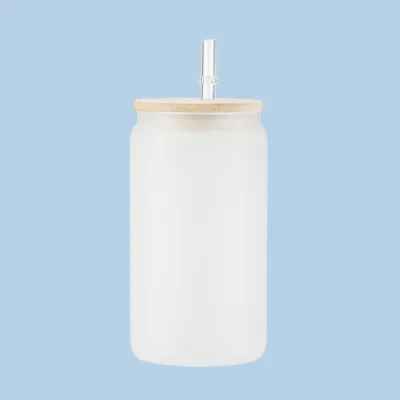


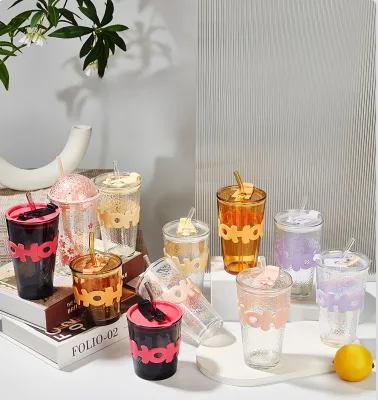


50oz Glass Tumbler with Bamboo Lid and Straw Glass Water Bottles with Handle
$2.00 - $10.00
MOQ: 200 Pieces


480ml 20oz Clear Glass Water Bottle Glass Tumbler with Silicone Protective Sleeve
$2.00 - $10.00
MOQ: 200 Pieces


1200ml/40oz Clear Glass Tumbler with Lid and Straw Travel Mug Drinking Cup
$2.60 - $3.98
MOQ: 200 Pieces


Comprehensive Sourcing Guide
Strategic Sourcing Guide for Leakproof Lid Glass Tumblers with Straw
Understanding Product Architecture and Material Specifications
When sourcing a leakproof lid glass tumbler with a straw, the primary focus must be on the intersection of material integrity and sealing mechanics. The core product category involves glass vessels designed for cold beverages such as juice, water, and cocktails, often featuring a single-wall construction. The material composition is a critical determinant of performance; the supplied data indicates that high borosilicate glass is a prevalent specification for these items. This material choice is significant because borosilicate glass offers superior thermal shock resistance compared to standard soda-lime glass, making the vessels applicable for boiling water and safe for use in microwaves, dishwashers, ovens, and freezers.
The physical form of these tumblers varies, with observed specifications including cylindrical shapes and irregular shapes. Dimensions are not uniform across the market; buyers must verify specific standard thicknesses which can range from 8mm to 14mm, or specific packaging dimensions such as 10x10x15cm and 15x15x20cm. The "leakproof" attribute is achieved through specific accessory configurations. The product data confirms that these units often come with lids, straws, and silicone sleeves. The inclusion of a silicone sleeve is particularly notable for grip and thermal insulation, while the lid and straw assembly provides the necessary sealing mechanism. The glass type is typically clear, though customization options allow for color variations including blue, green, pink, amber, yellow, and black. The manufacturing process is frequently described as handmade or mouth-blown, which introduces a unique aesthetic but requires careful quality control to ensure consistency in wall thickness and seal fit.
Compliance, Certification, and Safety Standards
Navigating the regulatory landscape is essential for B2B procurement, particularly when dealing with food-contact materials. The supplied product attributes highlight a robust set of certifications that buyers should verify during the supplier vetting process. Key certifications observed in the market include CE, EU, LFGB, and CIQ. LFGB (Lebensmittel- und Futtermittelgesetzbuch) is a German standard that is often stricter than general EU regulations, indicating a high level of safety for food contact. CE marking suggests conformity with health, safety, and environmental protection standards for products sold within the European Economic Area. CIQ (China Inspection and Quarantine) is a mandatory inspection and quarantine system for Chinese exports, ensuring that goods meet the requirements of the importing country.
Safety attributes extend beyond certifications to functional performance. The products are explicitly noted as safe for microwave, dishwasher, oven, and freezer use. This implies that the glass and the accompanying plastic or silicone accessories must withstand thermal cycling without degrading or leaching harmful substances. For the leakproof mechanism, buyers must ensure that the lid materials are food-grade and that the silicone sleeves are free from BPA and other harmful phthalates. The "Sustainable" feature mentioned in the product data suggests that some manufacturers are focusing on eco-friendly production methods or recyclable materials, which aligns with modern procurement trends. However, buyers should not assume all products meet these sustainability claims without specific documentation or third-party verification.
Cost Drivers and Pricing Dynamics
The pricing structure for leakproof lid glass tumblers with straws is influenced by several variable factors, with the observed market range falling between $0.14 and $10.00 USD. This wide disparity is not indicative of quality variance alone but rather reflects differences in customization, volume, and manufacturing complexity. The minimum order quantity (MOQ) ranges from 10 to 1000 units, suggesting that small-batch buyers can access these products, though unit costs will likely be higher at the lower end of the MOQ spectrum.
Key cost drivers include the customization of the logo and the complexity of the glass shape. The data confirms that logo customization is acceptable and that OEM services are offered. Customizing a logo on a handmade, mouth-blown glass surface often requires additional tooling or manual labor, which increases the unit price. Similarly, the choice of glass thickness (8mm vs. 14mm) and the inclusion of accessories like silicone sleeves and specific straw types will impact the final cost. The packaging method, whether standard paper cartons or custom packaging, also plays a role in the total landed cost. Buyers should note that "Handmade" and "Mouth Blown" processes generally command a premium over mass-produced, machine-pressed glass due to the labor intensity involved.
Typical Applications and Usage Scenarios
The versatility of these glass tumblers makes them suitable for a broad spectrum of applications. The primary use cases identified include serving juice, water, cocktails, and other beverages. The specific product names, such as "Can Beer Glass Cup" and "Glass Drinking Water Bottle," indicate that these items are marketed for both casual drinking and specific beverage types. The "Glass Office Cup" designation suggests a professional setting where aesthetics and functionality are paramount.
The durability of the glass, specifically the high borosilicate variety, allows for use in various environments. The ability to withstand freezing temperatures makes these tumblers ideal for iced drinks and smoothies, while the heat resistance permits the serving of warm beverages or the cleaning in industrial dishwashers. The inclusion of a straw and lid makes them particularly suitable for on-the-go consumption, reducing spillage risks in transit. The "Irregular Shape" and "Simple Style" options cater to different aesthetic preferences, allowing businesses to select products that align with their brand identity, whether for a modern café, a resort, or a corporate office. The "Colorless" and "Fancy" attributes further expand the potential for decorative use in events or retail displays.
Supplier Evaluation and Verification Protocols
Evaluating suppliers for glass tumblers requires a rigorous approach to verify the claims made in product listings. The origin of these products is predominantly China, with specific mentions of Hebei as a manufacturing hub. Buyers should prioritize suppliers who can provide clear evidence of their certifications (CE, EU, LFGB, CIQ) and demonstrate a track record of consistent quality in handmade or mouth-blown glass production.
When assessing a supplier, the following criteria should be applied:
- Customization Capability: Verify if the supplier can handle logo customization and OEM requests. The data indicates that "Customization" and "Logo" are standard offerings, but the extent of this service (e.g., screen printing vs. decal) should be clarified.
- Production Process: Confirm whether the glass is truly "Handmade" or "Mouth Blown" as claimed, as this affects the uniqueness and potential price point of the product.
- Accessory Integration: Ensure the supplier can provide the complete assembly, including the lid, straw, and silicone sleeve, and that these components are compatible and durable.
- Packaging Standards: Check if the supplier offers "Paper Carton" or "Carton Box" packaging, and whether "Custom Packing" is available to meet specific branding or shipping requirements.
Buyers should request samples to physically test the leakproof capability of the lid and the durability of the straw attachment. It is crucial to verify that the "OEM Service Offered" includes the ability to produce the specific models mentioned, such as JNG202305253, JNGLASS1686, or ZZX462, depending on the desired specifications.
Quality Control and Long-Term Procurement Considerations
Maintaining quality in glass procurement involves a multi-stage approach, from raw material inspection to final packaging. Given the "Handmade" nature of many of these products, variability in wall thickness and shape is a natural occurrence. Quality control protocols must focus on identifying defects such as air bubbles, uneven rims, or weak points in the glass that could lead to breakage. The "Decal DECORATED" attribute suggests that printed logos must be checked for adhesion and resistance to washing, especially since the products are dishwasher safe.
For long-term procurement, consistency in the supply chain is vital. Buyers should establish clear specifications for the "Standard" dimensions (e.g., 10mm, 12mm) and ensure that the supplier can maintain these tolerances over time. The "Capacity" of 12 oz is a common specification, but buyers must verify if this holds true for all models, as some may differ. Additionally, the "Sustainable" feature should be backed by concrete evidence, such as the use of recycled glass or eco-friendly packaging materials.
To mitigate risks, buyers should implement a phased ordering strategy. Start with a small order to test the supplier's ability to meet the "Leakproof" and "Safe" claims. Once quality is verified, scale up to larger orders to benefit from economies of scale. Regular audits of the supplier's production line can help ensure that the "Mouth Blown" process remains consistent and that the "Silicone Sleeve" and "Lid" components continue to meet safety standards. Finally, maintaining open communication regarding lead times and potential supply chain disruptions will help in planning inventory effectively, ensuring that the procurement of these essential glassware items remains uninterrupted.
Comparative Analysis of Product Attributes
To facilitate decision-making, the following table summarizes the key attributes observed in the market for leakproof lid glass tumblers with straws. This comparison highlights the diversity in specifications and helps buyers identify the features most relevant to their specific needs.
| Attribute Category | Observed Specifications | Notes for Procurement |
|---|---|---|
| Glass Material | High Borosilicate Glass, Clear Glass | Verify thermal shock resistance for microwave/freezer use. |
| Manufacturing Process | Handmade, Mouth Blown | Expect slight variations; check for consistency in wall thickness. |
| Shape & Style | Cylindrical, Irregular, Simple, Fancy | Select based on brand aesthetic; irregular shapes may require custom packaging. |
| Accessories | With Cover, With Straw, Silicone Sleeve | Ensure lid seal integrity and straw durability in samples. |
| Customization | Logo Acceptable, OEM Service Offered | Confirm logo placement and printing method (Decal vs. others). |
| Certifications | CE, EU, LFGB, CIQ | Request valid certificates for food safety compliance. |
| Dimensions | 8mm-14mm thickness; 10x10x15cm to 15x15x20cm | Verify specific model dimensions against shipping constraints. |
| Packaging | Paper Carton, Carton Box, Custom Packing | Assess packaging for breakage protection during transit. |
| Origin | China (Hebei region noted) | Factor in logistics and potential tariffs for international shipping. |
By adhering to these guidelines and leveraging the specific data points available, buyers can make informed decisions when sourcing leakproof lid glass tumblers with straws, ensuring that the final products meet both functional requirements and regulatory standards.
FAQs
What certifications do leakproof lid glass tumblers with straw have?
These products typically hold CE, EU, LFGB, and CIQ certifications. These marks confirm compliance with food safety and European standards, ensuring the glass and accessories are safe for contact with beverages like juice and water.
Can I customize the logo on these glass tumblers?
Yes, logo customization is acceptable and OEM services are offered. Buyers can request specific branding on the clear glass, often using decal decoration techniques, though this may affect the unit price and minimum order quantity.
Which glass material is used for these drinking vessels?
High borosilicate glass is the prevalent material for these items. This composition provides superior thermal shock resistance, making the tumblers safe for use in microwaves, dishwashers, ovens, and freezers without breaking.
How are these tumblers manufactured and shaped?
The manufacturing process is often handmade or mouth-blown, resulting in unique shapes like cylindrical or irregular forms. This artisanal approach creates distinct aesthetics but requires quality control to ensure consistent wall thickness and seal fit.
What accessories come with the leakproof lid glass tumbler?
Units typically include a cover, straw, and silicone sleeve. These components work together to provide a leakproof seal and thermal insulation, making the product suitable for on-the-go consumption of cold beverages.
What is the price range for these glass drinking bottles?
The observed market price ranges from 0.14 to 10 USD per unit. This variation depends on factors like customization, glass thickness, and order volume, with minimum order quantities spanning from 10 to 1000 units.