Source leakproof refillable travel kit bottle for Perfume, Cosmetics, Liquids
Compare 30 leakproof refillable travel kit bottle options from Chinese manufacturers. Buyers can evaluate customization, sealing methods, and packaging for perfume, cosmetic, and liquid applications with MOQs ranging from 12 to 10,000 units; compare the available evidence and request quotations based on your requirements.
Key considerations
Products List




Comprehensive Sourcing Guide
Leakproof Refillable Travel Kit Bottle Sourcing Guide
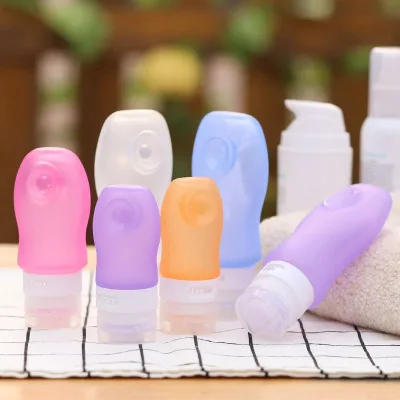
Buyers seeking leakproof refillable travel kit bottles must first distinguish between general cosmetic containers and specialized travel solutions designed for repeated handling. The observed product range includes models like R-TB10230 and DSC00561, which feature twist caps or press caps to ensure secure sealing during transit. These mechanisms are critical for preventing spills in luggage, particularly when the bottles are used for liquids, hand sanitizers, or perfumes.
Procurement decisions should prioritize the specific sealing method required for the intended liquid viscosity. While some listings indicate a standard 30/40ml capacity, others offer 50ml or 100ml options with varying shapes such as round, oval, or square. Verifying that the selected model matches the exact volume and shape needs of the travel kit is essential before committing to a bulk order, as the physical dimensions directly impact packing efficiency.
Product Scope and Observed Listing Signals
The market for these bottles demonstrates significant variation in customization options, with many suppliers offering customized colors and logos via silk printing or other methods. Buyers should note that while some products are listed with a "customized colors" attribute, others specify standard color options, requiring clear communication to ensure brand alignment. The availability of sample units, including free samples in some cases, allows for practical testing of the leakproof claims before scaling production.
Material composition is another key signal, with plastic being the dominant material observed across the listed models. This material choice supports the feature of being refillable, which is a primary requirement for sustainable travel kits. However, the transparency of the bottles varies, with some listed as transparent and others potentially opaque depending on the specific model and color customization. Buyers must verify the exact finish, such as matte surface handling, to match their aesthetic requirements.
Technical Specifications to Verify
Technical verification must begin with the bottleneck and sealing mechanism, as these are the primary points of failure for leakproof performance. The observed listings specify sealing methods like twist caps and press caps, which function differently under pressure changes during air travel. A narrow mouth bottle design is often preferred for controlled dispensing, but the compatibility between the cap thread and the bottle neck must be confirmed for every specific model number, such as LH801-13 or HY-TB006.
Capacity and volume standards require precise attention to ensure the bottles fit within airline carry-on regulations or specific kit dimensions. The data indicates standards ranging from 15ml to 100ml, with specific mentions of 30/40ml and 50ml configurations. Buyers should not assume all listed models meet a single volume standard; instead, they must cross-reference the specific product model against the required capacity to avoid purchasing bottles that are either too small for the product volume or too large for the travel kit packaging.
Compliance and Safety Documentation
Safety documentation for plastic bottles intended for personal care and cosmetic use must address material safety and chemical compatibility. While the supplied facts do not list specific certification numbers, buyers should request documentation confirming that the plastic material is safe for contact with perfumes, hand sanitizers, and other cosmetic liquids. The recyclable feature mentioned in some listings suggests an environmental consideration, but this should be backed by verifiable material safety data sheets rather than marketing claims alone.
Regulatory compliance varies by destination market, and buyers must ensure the products meet local standards for cosmetic packaging. The origin of the products is listed as China, specifically Yuyao, which is a known manufacturing hub, but this does not automatically guarantee compliance with international safety standards. Procurement teams should verify that the supplier can provide necessary documentation for the specific application, such as FDA compliance for US markets or EU regulations for European sales, to mitigate liability risks.
Cost Drivers and Commercial Terms
Cost drivers for these bottles are heavily influenced by the level of customization, including logo printing, color selection, and specific packaging requirements. The observed MOQ ranges from 12 units to 10,000 units, indicating that smaller orders may carry a higher per-unit cost due to setup fees for custom molds or printing. Buyers should analyze the trade-off between the unit price and the minimum order quantity to determine the most economical batch size for their initial market entry or restocking needs.
Commercial terms regarding shipping and packaging also impact the total landed cost. The observed shipping methods include sea and air freight, with packaging options ranging from individual boxes to corrugated brown cartons and PVC boxes. The choice of packaging affects both the protection of the bottles during transit and the volume efficiency of the shipment. Buyers must calculate the cost implications of different packing methods, such as standard shipping cartons versus protective PVC boxes, to optimize their logistics budget.
Supplier Qualification and Quality Control
Supplier qualification should focus on the ability to maintain consistent quality across large production runs, especially given the wide range of observed MOQs. The presence of OEM and ODM acceptance indicates that suppliers are capable of custom manufacturing, but buyers must verify their quality control processes for critical attributes like sealing integrity and color consistency. Requesting a detailed quality assurance plan that covers the entire production cycle is essential to ensure that every bottle meets the leakproof and refillable standards.
Quality control checks must include physical testing of the sealing mechanisms under simulated travel conditions. Since the products are designed for travel, they must withstand pressure changes and physical jostling without leaking. Buyers should insist on pre-shipment inspections that specifically test the twist caps and press caps for tightness and durability. Additionally, verifying the surface handling, such as matte finishes, ensures that the aesthetic quality remains consistent with the approved samples throughout the production batch.
Long-Term Procurement Checks
Long-term procurement success depends on establishing a reliable supply chain that can adapt to changing volume requirements and design updates. The observed product models suggest a diverse catalog, but buyers should secure agreements that allow for flexibility in order quantities and lead times. Maintaining a relationship with a supplier who can consistently deliver the specific model numbers, such as R-TB1341 or JL-CM200, ensures continuity in product availability and brand consistency.
Continuous monitoring of product performance and market feedback is necessary to validate the long-term suitability of the chosen bottles. Buyers should track any issues related to leakage, cap failure, or material degradation over time to identify potential supply chain risks early. Establishing a feedback loop with the supplier allows for rapid adjustments to the product design or manufacturing process, ensuring that the leakproof refillable travel kit bottles continue to meet the evolving needs of the end consumer.
FAQs
Can these bottles be customized with my brand logo?
Yes, customized logos are available for these leakproof refillable travel kit bottle products. Buyers can choose from options such as silk printing or custom logo application to match their brand identity. This customization service allows businesses to create unique packaging solutions that stand out in the market while maintaining the functional integrity of the container.
What materials are used to make these refillable bottles?
These bottles are primarily manufactured using plastic materials, ensuring durability and leakproof performance for various liquid applications. The plastic construction supports features like recyclability and transparency, making them suitable for cosmetics, perfumes, and hand sanitizers. This material choice balances cost-effectiveness with the functional requirements of modern personal care packaging solutions.
What sealing methods are available for these travel bottles?
The available sealing methods include twist caps and press caps, depending on the specific model selected. These mechanisms ensure secure containment of liquids, preventing leaks during travel or storage. The choice of sealing method allows buyers to select the most appropriate option for their product viscosity and user experience requirements.
What are the standard capacity options for these bottles?
Standard capacity options include 15ml, 20ml, 30ml, 40ml, 50ml, and 100ml sizes. These volumes cater to different usage scenarios, from small travel samples to larger personal care containers. The variety of capacities allows buyers to choose the most suitable size for their specific product line and market demands.
Is it possible to order samples before bulk production?
Yes, samples are available for evaluation before committing to bulk orders. Some suppliers offer free samples to help buyers assess quality, fit, and functionality. This practice allows businesses to verify that the leakproof refillable travel kit bottle meets their specifications and branding requirements before proceeding with larger production runs.
What packaging options are provided for these plastic bottles?
Packaging options include corrugated brown cartons, standard shipping cartons, plastic bags, and PVC boxes. These packaging methods ensure safe transit and protection of the bottles during shipping. The variety of packaging choices allows buyers to select the most cost-effective and protective solution for their logistics and distribution needs.