Source LED Light Soap Flower for Wedding, Home, and Party Decor
Find 30 LED Light Soap Flower options from verified manufacturers. Compare features like artificial silk materials, customizable logos, and OEM designs for bedding, wedding layouts, and festival decorations. Source high-quality, long-lasting products with bulk packaging; compare the available evidence and request quotations based on your requirements.
Updated
Key considerations
Products List


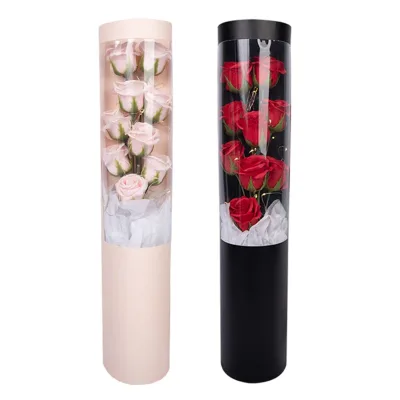
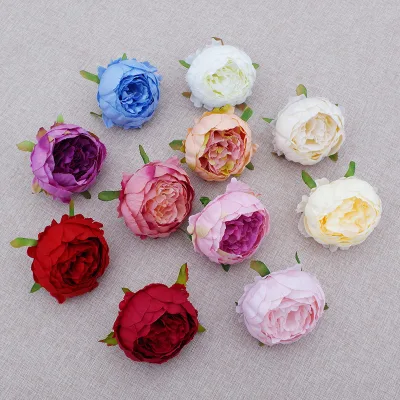
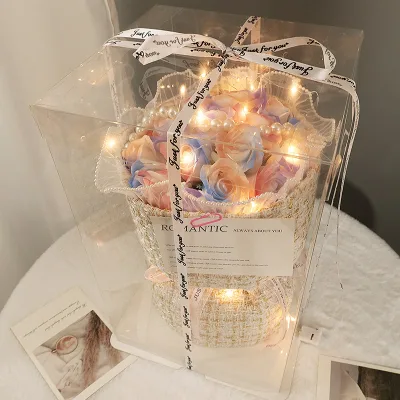
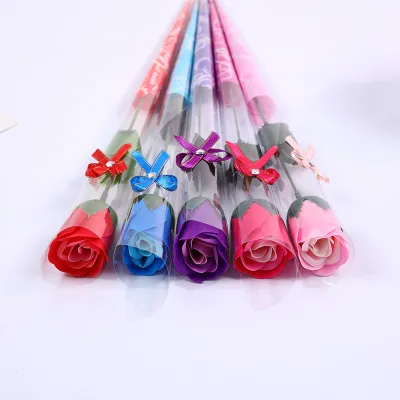
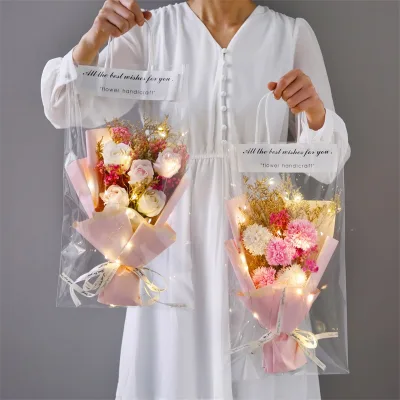
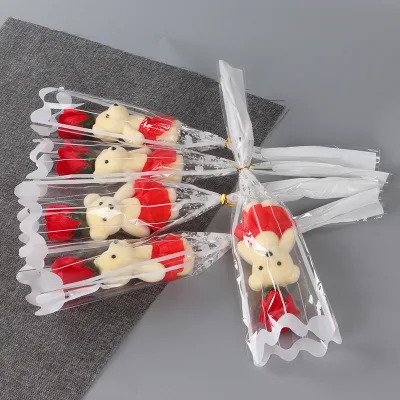

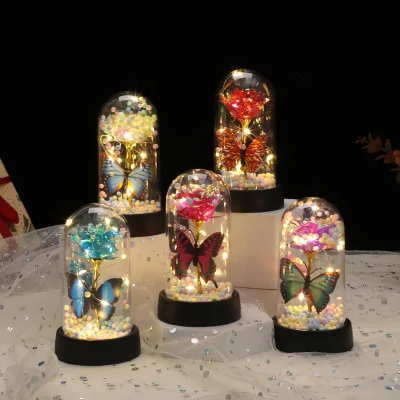
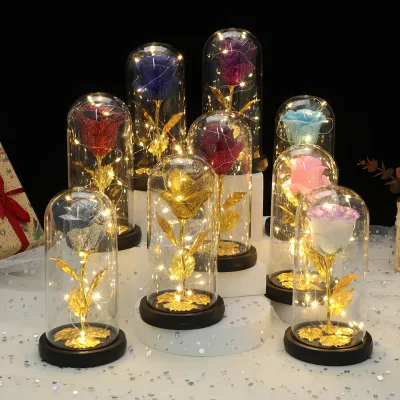

Comprehensive Sourcing Guide
LED Light Soap Flower Sourcing Guide
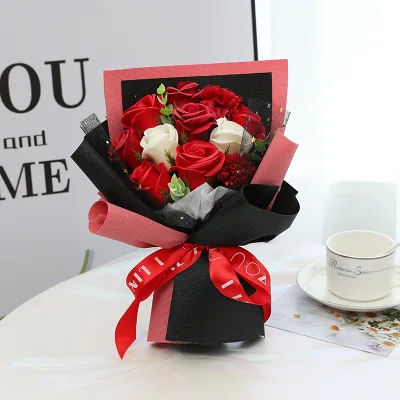
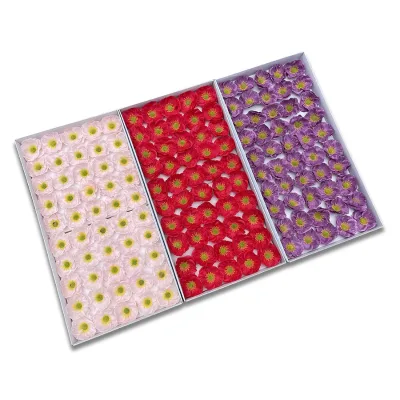
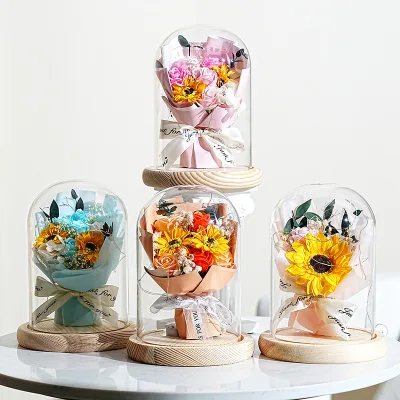
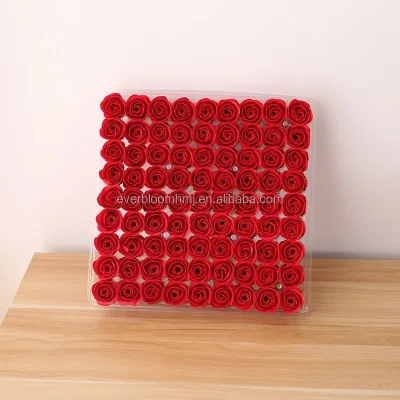
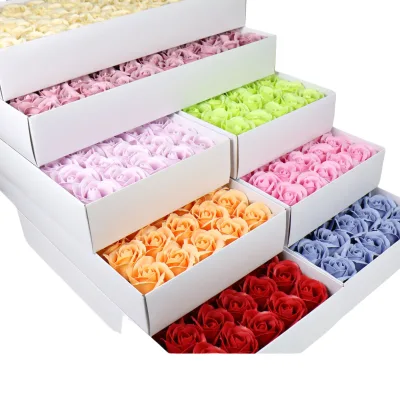
Sourcing led light soap flowers requires balancing aesthetic appeal with functional safety, as these hybrid products combine decorative lighting with personal care items. Buyers must recognize that the core keyword suggests a fusion of two distinct product categories: artificial floral decor and scented soap. The supplied data indicates that manufacturers offer items described as "soap flowers" with features like "very real" appearance and "colorful" designs, often intended for bedding, wedding layouts, or home party decorations. Understanding this duality is critical for defining precise technical requirements and ensuring that the final product meets both visual expectations and material safety standards.
Procurement teams should approach this category by verifying whether the "led light" component is integrated into the soap structure or serves as a separate decorative element. The observed listings highlight attributes such as "unscented" or "good smell" options, alongside materials like silk or soap. This variability means that a single specification sheet may not cover all supplier offerings. Buyers need to establish clear boundaries between the decorative aspect, which may involve artificial materials like silk, and the functional aspect, which involves soap ingredients such as milk or minerals. Clarifying these distinctions early in the sourcing process prevents miscommunication regarding product composition and intended use.
Product Scope and Observed Listing Signals
The market for soap flowers exhibits a wide range of product variations, with observed prices spanning from $0.04 to $8.10 USD and minimum order quantities (MOQs) ranging from 1 to 500 pieces. This broad spectrum suggests that suppliers cater to both small-scale trial orders and large-volume commercial projects. The presence of "customized" options and OEM/ODM design capabilities indicates that buyers can tailor the product’s appearance, size, and branding. However, the term "led light" is not explicitly confirmed in the high-confidence facts, so buyers must verify if the lighting feature is standard or an optional upgrade, as some listings focus solely on the visual realism and color of the soap or silk flower.
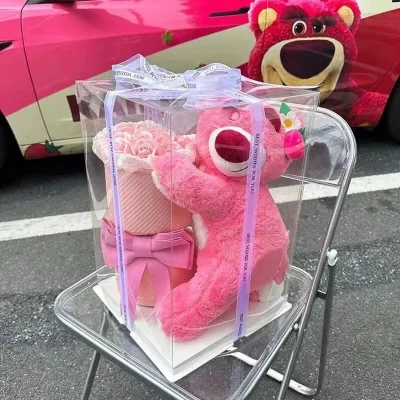
Listing signals also reveal diverse usage scenarios, including festival decoration, wedding layouts, and bedding arrangements. Products are described with attributes such as "well designed," "high quality," and "long-lasting durability," which are key selling points for event planners and gift retailers. The "artificial" property noted in some listings contrasts with the "soap" material in others, highlighting a potential confusion in product categorization. Buyers should carefully review whether the item is a purely decorative artificial flower or a functional soap item that may include lighting elements. This distinction impacts storage requirements, shelf life, and the overall value proposition for the end consumer.
Technical Specifications to Verify
Technical verification must begin with the material composition, as the supplied data lists both "silk" and "soap" as potential materials. Buyers need to confirm if the product is a solid soap bar shaped like a flower, potentially containing ingredients like milk or minerals, or if it is an artificial silk flower used for decoration. The "form" is listed as "solid," and the "transparency" is "not transparent," which helps in visualizing the physical product. Additionally, the "fragrance" attribute varies between "unscented" and "good smell," requiring buyers to specify their preference for scented or unscented variants to align with customer expectations and potential allergen concerns.
The integration of lighting technology, if applicable, requires scrutiny of the power source and durability. The data mentions "non power" as a source, which may imply battery-operated or passive designs, but this needs explicit confirmation for any "led light" claims. Buyers should verify the size specifications, which range from "small" to "customized size," and ensure that the packaging, whether "carton" or "bulk," protects both the delicate flower structure and any electronic components. The "model" numbers, such as "WM-MB09" or "artificial tulip flower," serve as unique identifiers that help in tracking specific product iterations and ensuring consistency across reorder cycles.
Compliance and Safety Documentation
Safety documentation is paramount when sourcing products that may come into contact with skin or be used in intimate settings like bedding. Although the data mentions "reach" as a low-confidence certification, buyers must insist on verified compliance reports for any soap-based products, including ingredient safety and heavy metal testing. For items marketed as "medicated" or containing specific ingredients like milk, buyers should request detailed ingredient lists and allergen warnings. The "non-medicated" attribute in some listings simplifies compliance but does not eliminate the need for general cosmetic safety standards, especially if the product is intended for personal use rather than purely decorative purposes.
If the product includes electronic components for lighting, electrical safety certifications become critical. Buyers should verify that any included LEDs meet relevant international safety standards for low-voltage devices. The "alkalescence" and "weak-acid" attributes suggest pH considerations for soap products, which must be documented to ensure skin compatibility. Additionally, the "logo printing" and "customized logo" options require verification of ink safety and durability, ensuring that branding does not compromise the product’s integrity or safety. Clear documentation of these compliance aspects protects buyers from liability and ensures market access in regulated regions.
Cost Drivers and Commercial Terms
Cost structures for soap flowers are influenced by material complexity, customization levels, and packaging requirements. The observed MOQ of 200 pieces for some items suggests that smaller orders may incur higher per-unit costs, while larger volumes could benefit from economies of scale. The "customized" nature of the product, including OEM/ODM design and logo printing, adds to the production cost but offers significant branding value. Buyers should negotiate terms that clearly define the cost implications of custom sizes, colors, and scents, as these variables can significantly impact the final price point.
Commercial terms also involve logistics and packaging efficiency. The "by sea" shipping method and "carton" or "bulk" packaging options affect freight costs and handling requirements. Buyers should assess the weight and volume of the products to optimize shipping strategies, especially when dealing with mixed orders of different sizes and designs. The "manufacturer" attribute indicates direct sourcing opportunities, which can reduce intermediary costs. However, buyers must account for potential setup fees for custom designs and verify lead times to ensure timely delivery for seasonal events like weddings or festivals.
Supplier Qualification and Quality Control
Supplier qualification should focus on verifying manufacturing capabilities and quality control processes. The "manufacturer" status suggests that suppliers have direct control over production, which can enhance consistency and responsiveness. Buyers should request samples to evaluate the "very real" appearance, color accuracy, and structural integrity of the flowers. For soap-based products, testing the hardness, scent longevity, and ingredient purity is essential. For artificial versions, assessing the durability and material quality, such as the silk texture, ensures that the product meets the "high quality" and "long-lasting" claims.
Quality control protocols must include regular inspections during production and pre-shipment checks. Buyers should establish clear acceptance criteria for defects, such as broken petals, uneven coloring, or packaging damage. The "customized" aspect requires strict adherence to design specifications, so suppliers should provide detailed production samples for approval before mass production. Additionally, verifying the supplier’s ability to handle "logo printing" and other branding elements ensures that the final product aligns with the buyer’s marketing strategy. Regular communication and clear documentation of quality standards help maintain consistency across batches.
Long-Term Procurement Checks
Long-term procurement success depends on continuous monitoring of supplier performance and market trends. Buyers should track supplier reliability, including on-time delivery rates and responsiveness to issues. The "evergreen" attribute suggests that these products have sustained demand, but buyers must stay alert to changes in consumer preferences, such as shifts towards more natural ingredients or sustainable packaging. Regularly reviewing product performance in the market helps identify opportunities for improvement or new product variations that align with emerging trends.
Building a strong relationship with the supplier facilitates better pricing and priority service for future orders. Buyers should conduct periodic audits of the supplier’s quality control systems and compliance documentation to ensure ongoing adherence to standards. The ability to customize products allows for flexibility in responding to market changes, so maintaining open lines of communication about new design ideas or material innovations is crucial. By focusing on these long-term checks, buyers can secure a stable supply chain and maximize the value of their procurement investments in the soap flower category.
FAQs
What materials are used in soap flowers?
Soap flowers are primarily crafted from soap and milk ingredients. They are designed to be artificial yet realistic, offering a long-lasting decorative solution. These items are unscented or feature a good smell, making them suitable for various decorative purposes without the need for water or maintenance.
Can I customize the logo on soap flowers?
Yes, customization is available for soap flowers. Manufacturers accept customized logos and offer OEM and ODM design services. Buyers can request specific branding to align with their event themes or corporate identity, ensuring a personalized touch for weddings, parties, or home decorations.
What is the minimum order quantity for soap flowers?
The minimum order quantity for soap flowers is typically 200 pieces. This MOQ allows buyers to secure bulk pricing while testing market demand. Suppliers may offer flexible packaging options, such as bulk or carton packing, to accommodate different shipping and storage requirements for large orders.
Where are soap flowers manufactured?
Soap flowers are manufactured in China. This location provides access to established supply chains and competitive pricing for artificial floral products. Buyers can source directly from Chinese factories that specialize in OEM production, ensuring quality control and efficient logistics for international shipments via sea freight.
What are the primary uses for soap flowers?
Soap flowers are primarily used for bedding, wedding layouts, and festival decorations. Their tranquilizing and beautiful colorful design makes them ideal for home parties and event styling. They serve as durable, long-lasting alternatives to fresh flowers, providing aesthetic appeal without the risk of wilting or allergens.
Are soap flowers suitable for women as gifts?
Yes, soap flowers are suitable for women as gifts. They are marketed as beautiful, colorful, and well-designed items that appeal to female recipients. Their non-medicated and solid form ensures safety, while their decorative nature makes them a thoughtful present for birthdays, anniversaries, or special celebrations.