Source LED Lighted Racing Ignition Switch for Cars, Machinery, and Electronics
Find and compare 30 LED Lighted Racing Ignition Switch options from verified suppliers. Evaluate models like MY-02 and YJ-SP-014 based on certifications such as CE and RoHS, materials including aluminum alloy, and applications for vehicles and digital products.
Key considerations
Products List


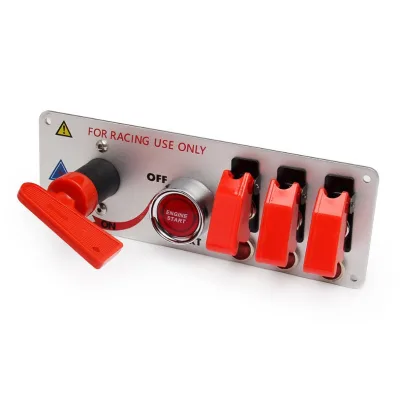
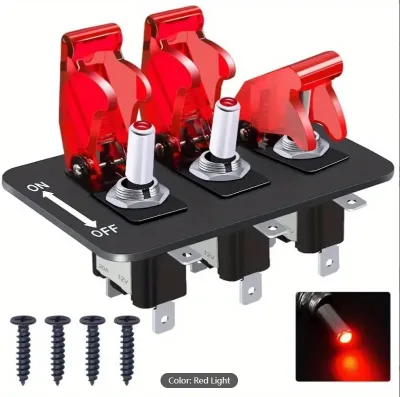

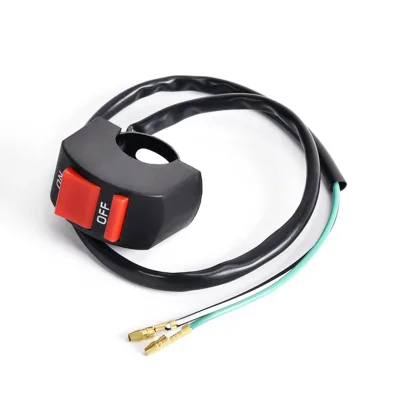
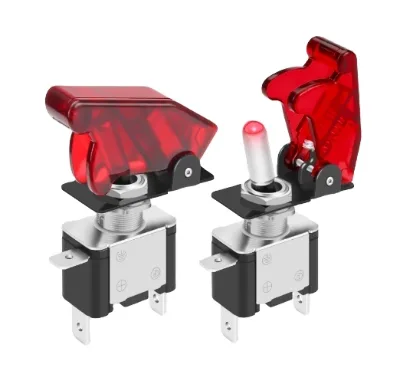
Racing Ignition Switch Motorcycle Brake Handle Switch Button Spare Parts
$1.02 - $20.56
MOQ: 1 Minimum
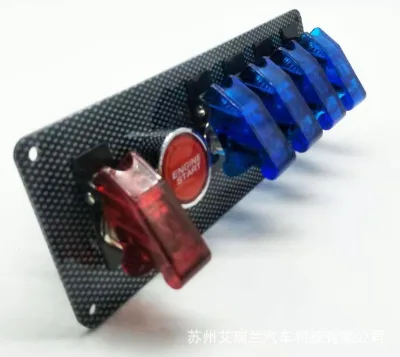

$2.50 - $10.00
MOQ: 100 Pieces
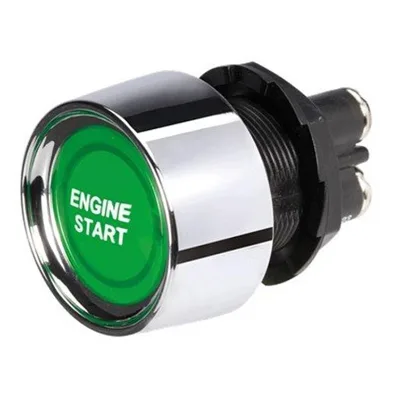
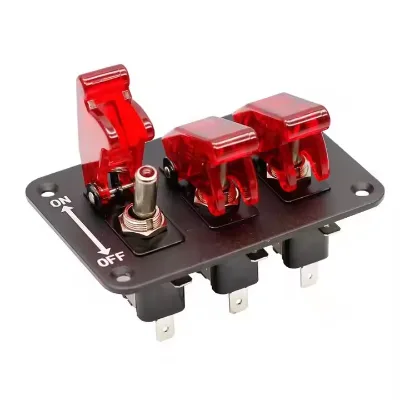


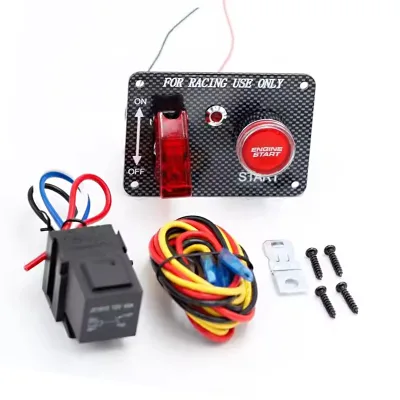
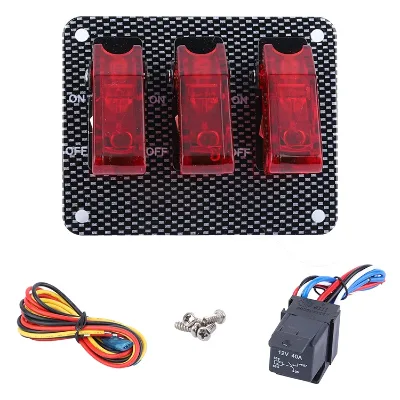
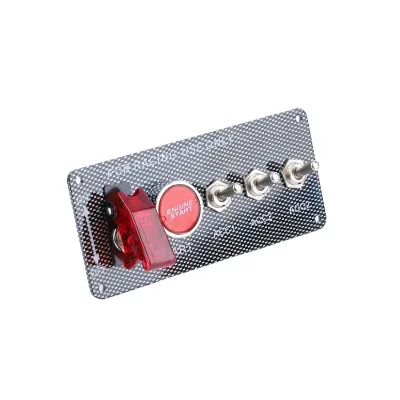


Racing Motorcycle Horn Switch/Light Switch/Turning Switch/Starting Switch
$0.10 - $0.25
MOQ: 500 Pieces


Jfa Motorcycle Light Switch/Turning Switch/Starting Switch Motorcycle Parts
$0.10 - $0.25
MOQ: 500 Pieces

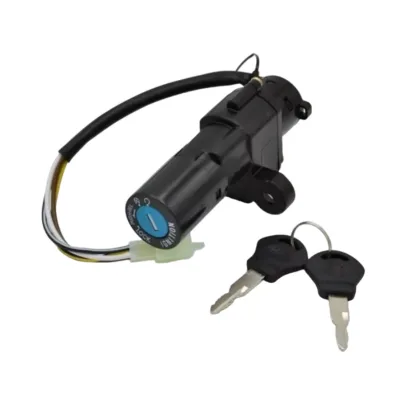
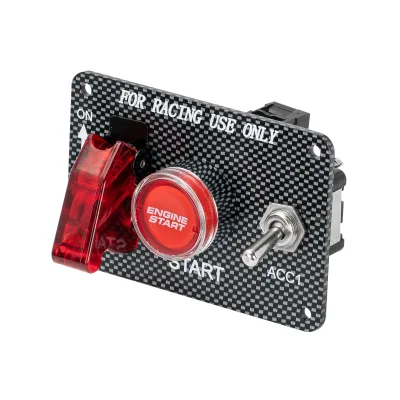
Comprehensive Sourcing Guide
LED Lighted Racing Ignition Switch Sourcing Guide
Sourcing led lighted racing ignition switches requires a disciplined approach to balancing aesthetic customization with rigorous electrical safety standards. These components serve as critical interface points in high-performance vehicles, custom machinery, and specialized electrical appliances, where reliability under vibration and extreme conditions is paramount. Buyers must navigate a market characterized by diverse material compositions, varying certification landscapes, and specific technical requirements for voltage and contact types. The following guide outlines the essential verification steps, compliance checks, and commercial considerations necessary to secure a supply chain that meets professional engineering standards.
The procurement process begins with a clear definition of the end-use environment, whether it involves automotive racing applications, digital product integration, or industrial machinery control. Observed market listings indicate a wide range of product models, from professional 12V toggle buttons to capacitive push-start panels, each serving distinct functional roles. Understanding the specific operational principle—whether mechanical, capacitive, or retro-reflective—is the first step in filtering suppliers. This guide focuses on the technical and commercial realities of sourcing these components, ensuring that buyers can make informed decisions based on verified attributes rather than marketing claims.
Product Scope and Observed Listing Signals
The current market for led lighted racing ignition switches presents a diverse array of product configurations, primarily driven by the need for customization in both form and function. Listings frequently highlight specific models such as the "Professional 12V 4+1 LED Toggle Button Racing Car" and the "MY-02," indicating a strong demand for tailored solutions in the racing and automotive sectors. These products are often described with specific physical attributes, such as white or blue color options, and are constructed from materials like aluminum alloy combined with plastic, or metal and carbon fiber composites. The presence of integrated lamps is a standard feature, providing visual feedback for the switch state, which is crucial for driver awareness in low-light racing environments.
Commercial signals from suppliers reveal significant variability in packaging and origin, with many products originating from Dongguan, China, a known hub for electronic component manufacturing. Packaging methods range from individual blister boxes to bulk carton shipments, with some suppliers offering 100 pieces per blister box for easier inventory management. The observed minimum order quantities (MOQs) span from as low as one unit for sampling purposes up to 2,000 units for bulk production, reflecting the flexibility of the supply chain to accommodate both prototyping and large-scale manufacturing needs. Buyers should note that while customization is widely available, the specific implementation details, such as wiring configurations or voltage ratings, must be explicitly confirmed with the supplier to ensure compatibility with the final assembly.
Technical Specifications to Verify
Technical verification is the most critical phase in sourcing these switches, as performance failures can lead to catastrophic outcomes in racing or industrial applications. Buyers must prioritize the verification of voltage ratings, with 12V being a common standard observed in professional racing applications, though other voltages may be available for different vehicle types. The contact type and wiring configuration are equally important; some switches utilize Type C contacts with null line and live line wiring, while others may employ capacitive principles for a more modern, tactile-free operation. The structure of the switch, whether it is a power built-in type or a standard mechanical toggle, dictates the installation method and the required panel cutout dimensions, which can vary significantly between models.
Material composition and physical dimensions directly impact the durability and fit of the switch within the final product. Aluminum alloy and plastic combinations offer a balance of lightweight properties and structural integrity, while metal and carbon fiber options provide enhanced aesthetic appeal and robustness for high-end racing builds. Buyers should verify the total size and panel dimensions, such as the 95*65mm footprint observed in certain models, to ensure compatibility with existing dashboards or control panels. Additionally, the detection method, whether it be a standard mechanical action or a retro-reflective mode, must align with the system's control logic. The number of switches and their control functions, such as multi-control or change-over capabilities, should be clearly defined to prevent integration errors during assembly.
Compliance and Safety Documentation
Compliance with international safety and environmental standards is non-negotiable for led lighted racing ignition switches, particularly those intended for use in vehicles or machinery. Buyers must request and verify certification documents, with common standards including ISO, GS, RoHS, CE, CCC, and UL. The presence of multiple certifications, such as ISO, GS, and RoHS, indicates a supplier's commitment to quality management and environmental safety, while CE and CCC certifications are essential for market access in Europe and China, respectively. UL certification is particularly relevant for products intended for the North American market, ensuring that the electrical components meet rigorous safety testing requirements.
Beyond certifications, the protection features and operational principles of the switch must be documented to ensure long-term reliability. Features such as explosion-proof capabilities and durable construction are critical for switches used in hazardous or high-vibration environments. The kind of switch, whether it is a double-pole on-off switch or a normal open type, must be clearly specified in the technical documentation to prevent misapplication. Buyers should also verify the warranty terms, with a one-year warranty being a common offering, as this reflects the supplier's confidence in the product's longevity. Ensuring that all documentation is up-to-date and matches the specific model being ordered is essential for maintaining regulatory compliance and minimizing liability.
Cost Drivers and Commercial Terms
The cost of led lighted racing ignition switches is influenced by several key factors, including material quality, certification levels, and order volume. Products constructed from premium materials like carbon fiber or high-grade aluminum alloy typically command higher prices due to the increased manufacturing complexity and material costs. Similarly, switches with multiple certifications, such as CCC, CE, UL, and SGS, may have higher upfront costs due to the expense of testing and compliance verification. Buyers should expect price variations based on these factors, with observed ranges reflecting the diversity of product quality and supplier positioning in the market.
Commercial terms, including minimum order quantities and packaging specifications, play a significant role in the total cost of ownership. Suppliers often offer tiered pricing structures, where larger order volumes result in lower per-unit costs, making it essential for buyers to accurately forecast their needs. Packaging options, such as blister boxes or normal cartons, can also impact logistics costs, with bulk packaging being more cost-effective for large shipments. Buyers should negotiate clear terms regarding lead times and payment methods, ensuring that the supplier can meet production deadlines without compromising quality. Understanding these cost drivers allows buyers to make informed decisions that balance budget constraints with performance requirements.
Supplier Qualification and Quality Control
Supplier qualification is a critical step in ensuring the reliability and consistency of led lighted racing ignition switches. Buyers should prioritize suppliers with a proven track record in manufacturing electronic components for the automotive and industrial sectors, particularly those located in established manufacturing hubs like Dongguan, China. Verification of the supplier's production capabilities, including their quality control processes and testing facilities, is essential to ensure that every unit meets the specified technical and safety standards. Buyers should request samples for rigorous testing before committing to large orders, evaluating factors such as switch durability, LED brightness, and electrical stability under various conditions.
Quality control measures should be clearly defined and agreed upon with the supplier, including inspection protocols for incoming materials, in-process checks, and final product testing. Buyers should verify that the supplier adheres to standard operating procedures for handling sensitive electronic components, ensuring that products are free from defects such as short circuits, loose connections, or cosmetic imperfections. The use of standardized packaging, such as normal cartons or blister boxes, helps protect the switches during transit and reduces the risk of damage. Establishing a clear communication channel with the supplier for addressing quality issues and implementing corrective actions is vital for maintaining a high standard of product quality throughout the supply chain.
Long-Term Procurement Checks
Long-term procurement success depends on establishing a robust relationship with suppliers who can provide consistent quality and support over time. Buyers should conduct periodic audits of the supplier's production facilities and quality management systems to ensure ongoing compliance with agreed-upon standards. Regular review of product performance data, including failure rates and customer feedback, can help identify potential issues early and drive continuous improvement. Maintaining a diverse supplier base can also mitigate risks associated with supply chain disruptions, ensuring that production can continue even if one supplier faces challenges.
Additionally, buyers should stay informed about changes in regulatory requirements and industry standards that may impact the sourcing of led lighted racing ignition switches. Keeping abreast of new certifications, material restrictions, and safety regulations ensures that the products remain compliant and competitive in the market. Building a strong partnership with suppliers based on mutual trust and clear communication fosters collaboration on product development and innovation, allowing buyers to access the latest technologies and features. By focusing on long-term relationship building and continuous quality improvement, buyers can secure a reliable supply of high-performance ignition switches that meet their evolving needs.
FAQs
What certifications do these switches have?
These switches carry ISO, GS, RoHS, CE, CCC, and UL certifications. The specific certification set depends on the model, with some units featuring ISO, GS, and RoHS while others include CCC, CE, and UL to meet regional safety standards.
Can I get these switches with custom features?
Yes, customization is available for these products. Buyers can request specific modifications to meet unique requirements, ensuring the final product aligns with their specific application needs for vehicles or machinery.
What is the warranty period for this switch?
The standard warranty period for this switch is one year. This coverage applies to the new condition units supplied, providing assurance against manufacturing defects during the initial operational phase.
Which materials are used in the construction?
The switches are constructed from aluminum alloy combined with plastic or metal and carbon fiber. This material selection ensures durability and protection, making them suitable for use in vehicles, electrical appliances, and machinery.
What is the typical packaging for bulk orders?
Packaging options include normal cartons or blister boxes depending on the quantity. Specific configurations may involve 100 pieces per blister box, with dimensions around 10cm by 10cm by 20cm for individual units.
How is the switch voltage specified?
The switch operates at a standard 12V voltage. This specification is consistent across models like the Professional 12V 4+1 LED Toggle Button, ensuring compatibility with standard vehicle electrical systems.
Where are these products manufactured?
These products originate from Dongguan, China. The manufacturing location ensures adherence to standard production protocols and facilitates efficient logistics for international buyers seeking reliable sourcing partners.