Source Modern Led Pendant Light for Bedroom, Restaurant, and Home
Explore 30 verified listings for led pendant light options featuring modern styles and various certifications like CE and RoHS. Compare specifications such as size, voltage, and light source types to find suitable fixtures for bedrooms, restaurants, and general home decor applications.
Key considerations
Products List




Comprehensive Sourcing Guide
Led Pendant Light Sourcing Guide
Procuring LED pendant lights requires a clear understanding of the diverse product landscape available from manufacturers in Guangdong, China. Buyers should note that observed listings feature a wide price range from $0.60 to $500,000, reflecting significant variations in design complexity, material quality, and included light sources. The minimum order quantity typically starts at 10 pieces, though some suppliers may list lower thresholds, necessitating careful review of individual supplier terms before committing to volume.
Designers and procurement officers must prioritize the specific style and functional requirements of their projects, as modern fixtures often come in various sizes ranging from 60cm to 800cm diameters. The product catalog includes options with or without integrated light sources, utilizing technologies such as halogen, energy-saving bulbs, or high-power LEDs. Understanding these distinctions is critical for aligning the purchase with the intended aesthetic and operational needs of spaces like bedrooms or restaurants.
Product Scope and Observed Listing Signals
The market for LED pendant lights presents a spectrum of customization options, with many suppliers offering tailored solutions to meet specific architectural demands. Buyers should verify that the "Modern" style is consistent with their design brief, as this attribute appears frequently across the observed product range. Customization availability allows for adjustments in frame color, such as brown iron frames, and specific dimensions like D100+D80W50H200CM, ensuring the fixture fits the intended spatial constraints.
Observations indicate that packaging standards vary, with most suppliers utilizing standard export cartons, while some specify foam packaging for added protection. The origin of these products is predominantly Guangdong, China, a hub known for its lighting manufacturing capabilities. When evaluating listings, buyers must distinguish between models with integrated light sources and those sold as bare frames, as this distinction significantly impacts the final installation cost and timeline.
Technical Specifications to Verify
Technical due diligence begins with confirming the voltage compatibility, which typically ranges from 110V to 250V to ensure global usability. Buyers must explicitly verify the beam angle, such as the observed 60° specification, to ensure adequate illumination coverage for the target area. Additionally, the quantity of lights and the specific model numbers, like OM619 or OM820818, should be cross-referenced against the project bill of materials to prevent ordering errors or incompatible components.
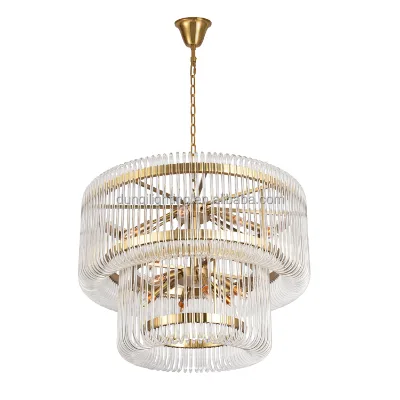
Material composition is another critical technical factor, with iron frames and acrylic crystals being common observations in the current market. The presence of high-power LEDs within acrylic components suggests a focus on brightness and energy efficiency, yet buyers should confirm the actual lumen output and color temperature. It is essential to validate whether the listed size specifications, such as Dia60cm or Dia800, refer to the fixture diameter or the overall installation footprint to avoid spatial conflicts during installation.
Compliance and Safety Documentation
Safety compliance is non-negotiable when sourcing lighting fixtures, and buyers must demand evidence of certifications such as CE, RoHS, UL, and CCC. The observed product data frequently lists multiple certifications, including VDE and CUL, which indicate adherence to rigorous international safety standards. Procurement teams should request valid test reports for each specific model to ensure that the claimed certifications are current and applicable to the batch being purchased.
Documentation verification extends beyond simple certification labels to include detailed product standards that govern electrical safety and material toxicity. Buyers should ensure that the supplier provides a certificate of conformity that matches the specific model number and production batch. Relying on general claims without specific documentation can lead to customs delays or safety liabilities, particularly when importing into regions with strict electrical codes.
Cost Drivers and Commercial Terms
The final cost of LED pendant lights is influenced by several variables, including the complexity of the design, the type of light source included, and the chosen packaging method. While the observed price range is vast, the minimum order quantity of 10 pieces often serves as a baseline for unit pricing, with larger volumes potentially unlocking better rates. Buyers should analyze whether the price includes the light source or if it is sold as a fixture only, as this distinction can drastically alter the total project budget.
Commercial terms regarding shipping and lead times are equally important for supply chain planning. Suppliers typically offer shipping via express courier, air, or sea, each with different cost implications and delivery speeds. The standard export carton packaging is common, but specialized foam packaging may incur additional costs. Procurement officers must clarify the Incoterms and expected lead times to ensure that the delivery schedule aligns with the project timeline and installation requirements.
Supplier Qualification and Quality Control
Supplier qualification should focus on verifying the factory location and production capacity, with many manufacturers based in Guzhen Town, Zhongshan City. This region is a recognized center for lighting production, yet buyers must confirm that the specific factory has the capacity to meet their volume and quality expectations. Requesting a factory audit or video tour can provide insight into the production processes and quality control measures in place.
Quality control protocols must be established before production begins, focusing on critical attributes like frame material integrity and crystal clarity. Buyers should define clear acceptance criteria for defects, such as scratches on the iron frame or inconsistencies in the acrylic finish. Implementing a pre-shipment inspection is highly recommended to catch any deviations from the agreed specifications, ensuring that the delivered goods meet the required standards before they leave the factory.
Long-Term Procurement Checks
Establishing a long-term relationship with a supplier requires ongoing monitoring of product consistency and after-sales support. Buyers should verify that the supplier can maintain the same quality levels across multiple production runs, especially when reordering popular models like OM66148. Consistency in certifications and materials is vital for maintaining the aesthetic and safety standards of the entire lighting installation over time.
Future procurement strategies should include regular reviews of the supplier's ability to adapt to changing market demands and regulatory updates. As standards evolve, suppliers must demonstrate their capacity to update their products to remain compliant with new regulations. Building a robust communication channel ensures that any potential issues regarding product performance or supply chain disruptions can be addressed promptly, securing a reliable supply of LED pendant lights for future projects.
FAQs
What certifications do these led pendant lights have?
These led pendant lights hold CE, RoHS, UL, CCC, and VDE certifications. Such documentation ensures compliance with international safety and environmental standards. Buyers can verify specific certificates like CE UL CCC or RoHS CE depending on the model. This variety supports global distribution requirements and reduces regulatory hurdles for importers seeking compliant lighting solutions.
Can I customize the design of these led pendant lights?
Yes, customization is available for these led pendant lights. The Ocean Lamp brand offers modern styles that can be tailored to specific project needs. Buyers can request modifications to frame colors, such as brown iron, or adjust dimensions like Dia60cm or Dia800. This flexibility allows for unique decorative ceiling light installations in bedrooms or restaurants.
What is the minimum order quantity for these led pendant lights?
The minimum order quantity is typically 10 pieces for these led pendant lights. This low MOQ allows buyers to test market demand with minimal initial investment. Some listings specify 10PCS as the standard threshold. This accessible entry point supports small businesses and interior designers who require small batches for custom residential or commercial lighting projects.
Where are these led pendant lights manufactured?
These led pendant lights are manufactured in Guangdong, China, specifically in Guzhen Town, Zhongshan City. This region is a major hub for lighting production, offering robust supply chains and manufacturing expertise. Buyers benefit from established industrial clusters that ensure consistent quality and efficient logistics for both domestic and international shipping requirements.
What light sources are used in these led pendant lights?
These led pendant lights utilize LED bulbs, halogen bulbs, or energy-saving bulbs. Many models come with integrated high-power LEDs and acrylic crystals for decorative effects. Some variants are sold without light sources, requiring separate procurement. The voltage range supports 110 to 250V operation, ensuring compatibility with diverse electrical systems across different global markets.
How are these led pendant lights packaged for shipping?
These led pendant lights are packaged in standard export cartons or foam packages to ensure safe transit. Each unit is typically packed individually, such as 1PCS per carton. This protective packaging minimizes damage risks during long-distance shipping by express courier, air, or sea. Buyers receive products in durable containers suitable for international logistics and handling.