Source LED Music Hover Soccer Ball for Outdoor Play, Indoor Games, and Exercise
Find 30 listings for the LED Music Hover Soccer Ball suitable for group play and physical exercise. Buyers can compare specifications like battery type, material, and customization options from suppliers in China.
Key considerations
Products List


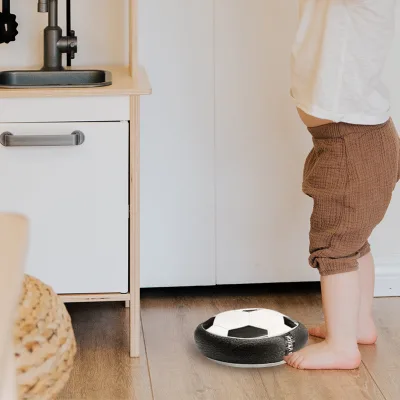
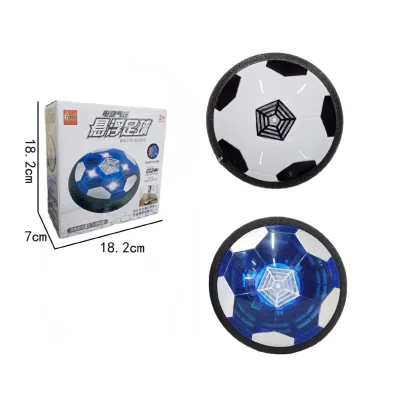

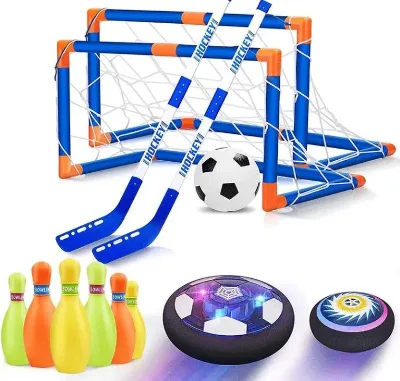
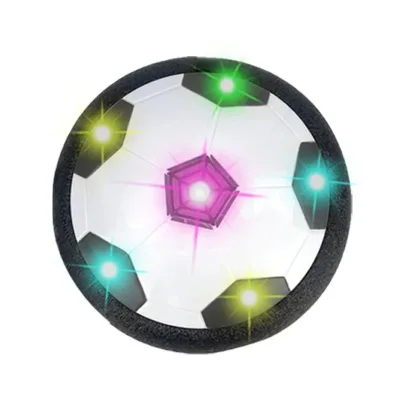

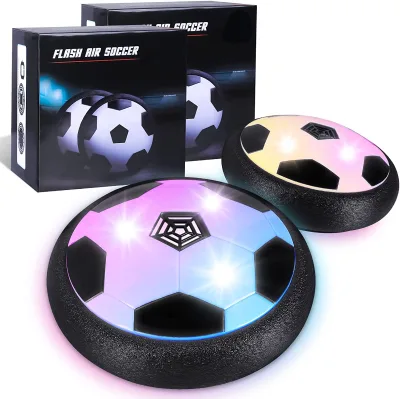
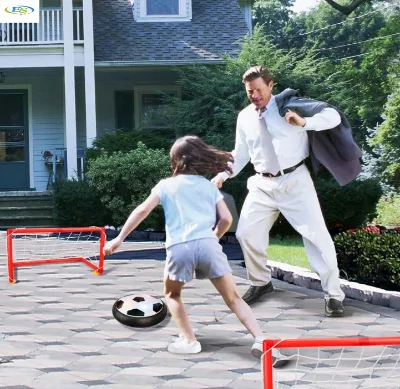
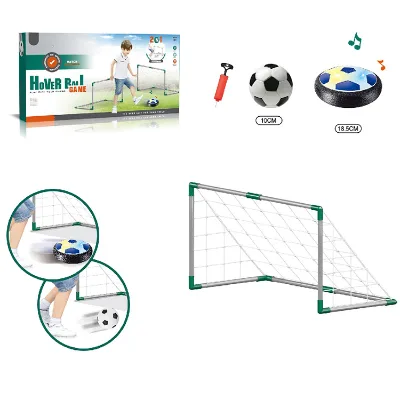


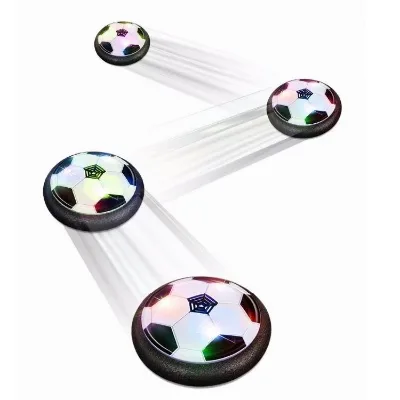
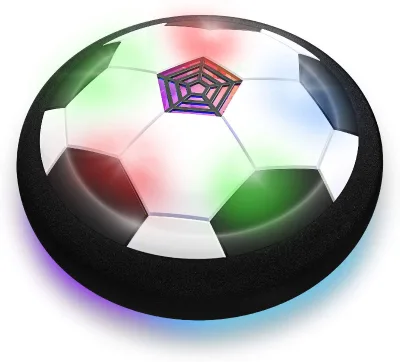


10354022 Sport Toys USB Rechargeable Hover Air Soccer Football with Light and Music
$6.00 - $11.00
MOQ: 120 Pieces



Comprehensive Sourcing Guide
Sourcing Guide for LED Music Hover Soccer Balls
Understanding Product Variants and Core Specifications
The market for LED music hover soccer balls presents a diverse array of options for B2B buyers, characterized by significant variation in technical specifications despite a shared functional premise. When researching the core keyword "LED Music Hover Soccer Ball," procurement teams must first distinguish between product models that may share the same general category but differ in critical attributes. Based on available product data, these toys are primarily constructed from durable plastics, with specific listings identifying ABS and PP as the primary materials used. The choice of material often influences the product's durability, weight, and cost structure, making it a primary factor in supplier selection.
A critical observation in this category is the variance in age recommendations. While some product listings target a specific demographic of 4-8 years, others offer broader age ranges extending from 2 to 4 years up to 14 years and older. This discrepancy suggests that "hover soccer ball" is a broad category encompassing different power levels and safety features. Buyers must verify the specific age range for each model to ensure compliance with safety regulations in their target market. Furthermore, the physical dimensions vary; observed specifications include models with a size of 18.5cm and others with a standard package size of 19x19x7cm or 30x30x20cm. These dimensional differences directly impact shipping logistics and packaging costs.
The power source is another defining characteristic. Most units in this category utilize lithium batteries, which are essential for the electric levitation mechanism. However, the specific battery capacity and type are not always standardized across all listings. Some products explicitly mention "Lithium Batteries" while others simply state "Lithium Battery," indicating potential variations in cell configuration. The functional capabilities also extend beyond simple levitation; many units are equipped with music and light features, with noise levels observed to be at or below 60 dB. This auditory and visual feedback is a key selling point for children's toys but requires careful verification to ensure the noise output meets local safety standards for children's products.
Compliance and Certification Verification
Navigating the regulatory landscape for children's toys requires rigorous attention to certification and safety standards. In the context of sourcing LED music hover soccer balls, buyers must verify that suppliers possess valid certifications for the specific markets they intend to serve. The observed product data indicates the presence of certifications such as ENASTM and CE. These are critical indicators of compliance with European and American safety standards, respectively. The "ENASTM" designation likely refers to a combination of European Norm (EN) and American Society for Testing and Materials (ASTM) standards, which are fundamental for toy safety. The "CE" mark is a mandatory conformity mark for products sold within the European Economic Area, indicating that the manufacturer declares the product meets EU safety, health, and environmental requirements.
However, the presence of these certifications in a product listing does not guarantee that every unit in a batch is certified. Buyers must treat these as observations of the supplier's capability rather than automatic guarantees. It is essential to request current, valid certificates from the supplier and verify their authenticity with the issuing bodies. The data also lists "EnCe" as a certification, which may be a variation or typo for CE, further emphasizing the need for clarity. For markets outside Europe and North America, such as the Middle East or Southeast Asia, buyers must determine if additional local certifications are required, as the provided data does not cover these specific regional standards.
Safety is paramount when dealing with toys that incorporate electric components and moving parts. The "LED" and "Music" features introduce electrical safety risks, including battery leakage, overheating, and short circuits. Buyers should verify that the lithium batteries used comply with international transport regulations, such as UN38.3, especially for air freight. Additionally, the "Plastic Type" (ABS or PP) must be non-toxic and free from harmful chemicals like BPA or phthalates, which are strictly regulated in many jurisdictions. The supplier should provide a Material Safety Data Sheet (MSDS) or a test report confirming the chemical composition of the plastic materials used.
Cost Drivers and Pricing Dynamics
The pricing structure for LED music hover soccer balls is influenced by a complex interplay of factors, including material costs, customization levels, and order volume. The observed price range in the market spans from $1.08 to $13.80 USD, a significant variance that reflects differences in product quality, feature sets, and order quantities. This wide range suggests that the lower end of the spectrum may correspond to basic models with minimal features, while the higher end likely includes premium versions with advanced LED patterns, higher-quality sound systems, and more durable construction.
The Minimum Order Quantity (MOQ) is a critical cost driver in this category. The observed MOQ range is between 10 and 720 units, with specific listings showing an MOQ of 100 pieces. Suppliers with lower MOQs may charge a higher unit price to cover setup and production costs, whereas larger orders typically benefit from economies of scale. Buyers must balance their inventory needs with their budget constraints. For new market entrants, an MOQ of 100 pieces might be a manageable entry point, while established retailers might negotiate for lower unit costs by committing to orders closer to the 720-unit range.
Customization is another significant factor affecting the final cost. The product data indicates that customization is available, with options for OEM and ODM services, including custom logo printing and color variations. While some listings mention "Customized" and "Logo Sticker" or "Full Color" printing, the extent of these services varies. Adding a custom logo, changing the color scheme from standard black/white or blue to a specific brand color, or altering the packaging (e.g., from a standard color box to a custom design) will increase the unit cost. Buyers should request a detailed cost breakdown that separates the base product cost from the customization fees to understand the true cost structure.
Typical Applications and Market Segmentation
The applications for LED music hover soccer balls extend beyond simple play, targeting various market segments based on age and usage environment. The product data highlights "Outdoor" and "Indoor" usage, indicating versatility in where these toys can be deployed. However, the specific design of the hover mechanism often dictates the optimal environment. Models with larger diameters and more stable levitation are better suited for indoor use on smooth surfaces, while those designed for outdoor play may require more robust construction to handle uneven terrain.
The age segmentation is particularly important for marketing and safety compliance. The observed age ranges include 2-4 years, 5-7 years, 8-13 years, and 14 years and up. This broad range suggests that the product line includes different power settings and safety features tailored to different developmental stages. For younger children (2-4 years), the focus is on simple, safe interaction, while older children (8-13 years) may engage in more competitive play. The "Group" player attribute indicates that these toys are designed for social interaction, making them suitable for parties, school events, and family gatherings.
Beyond individual play, these products have applications in commercial settings such as arcades, entertainment centers, and promotional events. The "Portable" feature and "Easy Play" description suggest that the toys are easy to transport and set up, making them ideal for mobile entertainment services or temporary installations. The "Sports Toy" style and "Soccer" type attributes align with the growing trend of active play, appealing to parents and educators looking for toys that encourage physical exercise and balance. The "Strengthen The Physical Exercise" and "Exercise Kids Balance Concept" usage claims highlight the educational and developmental benefits, which can be leveraged in marketing to schools and youth organizations.
Supplier Evaluation and Sourcing Strategy
Evaluating suppliers for LED music hover soccer balls requires a multi-faceted approach that goes beyond price comparison. The product data indicates origins in Shantou and Zhejiang, China, which are known manufacturing hubs for toys. Buyers should verify the specific location of the factory to assess the supply chain stability and logistics capabilities. Suppliers located in these regions may have established logistics networks, but buyers must also consider the potential for supply chain disruptions.
A key aspect of supplier evaluation is the assessment of their customization capabilities. The data shows that suppliers offer OEM and ODM services, including custom logo printing and color options. Buyers should request samples of previous customization work to evaluate the quality of the printing and the precision of the color matching. The "Logo Sticker" and "Full Color" options suggest different levels of customization; buyers should clarify whether the logo is printed directly on the plastic or applied as a sticker, as this affects durability and aesthetic quality.
Quality control is another critical factor. Buyers should inquire about the supplier's quality assurance processes, including in-line inspections and final random inspections. Given the electrical nature of the product, suppliers should have protocols for testing battery safety, LED functionality, and sound output. The "Noise Level" of ≤ 60 dB is a specific observation that buyers should verify through independent testing to ensure consistency across batches. Additionally, the "Single gross weight" of 3.000 kg for some models indicates the weight of the packaged product, which is crucial for calculating shipping costs and determining the appropriate packaging materials.
Quality Control and Long-Term Procurement Considerations
Implementing a robust quality control (QC) strategy is essential for mitigating risks associated with LED music hover soccer balls. Given the electrical components and moving parts, buyers should establish clear acceptance criteria for product performance. This includes testing the levitation stability, the brightness and color consistency of the LEDs, the clarity of the music, and the battery life. The "Product Name" and "Model Number" variations (e.g., 789-13, 789-43C, GT-LTB01) indicate that different models may have different performance characteristics, so QC protocols must be model-specific.
Long-term procurement considerations involve building a sustainable relationship with suppliers that can scale with demand. Buyers should assess the supplier's production capacity and lead times to ensure they can meet peak season demands. The "Single package size" and "Product Packing" details are important for optimizing storage and shipping efficiency. For long-term contracts, buyers should negotiate terms that allow for flexibility in order quantities and pricing adjustments based on raw material costs.
Sustainability is also becoming a key consideration in the toy industry. Buyers should inquire about the environmental impact of the materials used, such as the recyclability of the ABS or PP plastics and the disposal of lithium batteries. Suppliers that can provide eco-friendly packaging or use recycled materials may offer a competitive advantage in markets with growing environmental awareness. Finally, buyers should establish a clear communication channel for after-sales support, including warranty terms and procedures for handling defective units, to ensure a positive experience for end consumers.
Comparative Analysis of Key Product Attributes
To facilitate decision-making, the following table summarizes the key attributes observed in the product data, highlighting the variations that buyers must consider during the sourcing process.
| Attribute | Observed Variations | Sourcing Implication |
|---|---|---|
| Material | ABS, PP | ABS is generally more durable; PP may be lighter. Verify material grade for safety. |
| Age Range | 2-4, 4-8, 5-7, 8-13, 14+ | Critical for safety compliance. Match product to target demographic. |
| Battery | Lithium Battery (various types) | Verify battery capacity and safety certifications (UN38.3). |
| Certification | ENASTM, CE, EnCe | Must verify validity and scope for target markets. |
| Customization | Logo Sticker, Full Color, OEM/ODM | Higher cost for full customization; verify print quality. |
| Dimensions | 18.5cm, 19x19x7cm, 30x30x20cm | Affects shipping volume and packaging costs. |
| Features | LED, Music, Light, Noise ≤60dB | Test functionality in samples; ensure noise levels meet standards. |
| MOQ | 10, 100, 720 | Lower MOQ allows testing; higher MOQ reduces unit cost. |
| Origin | Shantou, Zhejiang | Verify factory location for logistics and supply chain stability. |
By carefully analyzing these attributes and adhering to the verification protocols outlined in this guide, buyers can effectively navigate the complex landscape of LED Music Hover Soccer Ball sourcing, ensuring they secure high-quality products that meet their specific business needs and regulatory requirements.
FAQs
What certifications do these hover soccer balls have?
These toys typically carry ENASTM and CE certifications to meet safety standards. Some listings also reference EnCe, which likely indicates CE compliance. Buyers must verify valid certificates for their specific target market before purchasing.
How are the batteries powered in these electric toys?
The products utilize lithium batteries to power the levitation mechanism and electronic features. Both singular and plural references to lithium batteries appear in the data. Ensure the specific battery type complies with transport regulations for safety.
Which materials are used to construct these balls?
Manufacturers primarily use durable plastics such as ABS and PP for the ball body. The choice of material affects durability and weight. Verify that the plastic is non-toxic and free from harmful chemicals like BPA for child safety.
Can buyers customize the logo and colors on the product?
Yes, customization is available including full color logo printing and custom stickers. OEM and ODM services are accepted for branding needs. Specific options may vary by supplier, so confirm the printing method and color availability before ordering.
What is the typical age range for these soccer toys?
The products target various age groups ranging from 2 to 4 years up to 14 years and older. Some specific models are recommended for children aged 4 to 8 years. Always check the specific age range for each model to ensure safety compliance.
Where are these hover soccer balls manufactured?
Products originate from manufacturing hubs in China, specifically Shantou and Zhejiang provinces. These locations are known for toy production capabilities. Buyers should verify the exact factory location to assess supply chain stability and logistics efficiency.
What is the minimum order quantity for these items?
The minimum order quantity ranges from 10 to 720 pieces depending on the supplier and model. Specific listings show an MOQ of 100 pieces. Lower MOQs may result in higher unit costs, while larger orders benefit from economies of scale.
How loud is the music feature on these balls?
The noise level is observed to be at or below 60 decibels during operation. This ensures the sound is safe for children's hearing. Verify the actual output with independent testing to ensure consistency across different production batches.