Source LED Neon Sign for Home Decor, Advertising, and Events
Compare 30 LED Neon Sign options from verified Chinese suppliers offering customizable sizes, multiple voltage inputs, and CE certifications. Buyers can evaluate specifications like 2835 SMD LEDs, IP ratings, and packaging details to find suitable solutions for indoor and outdoor applications.
Key considerations
Products List







Comprehensive Sourcing Guide
Strategic Sourcing Guide for LED Neon Signs
The global shift toward energy-efficient and aesthetically versatile lighting solutions has positioned LED neon signs as a dominant category in both commercial advertising and residential decor. For procurement professionals, sourcing these products requires a nuanced understanding of the underlying technology, supply chain logistics, and compliance frameworks. Unlike traditional glass neon, LED neon signs utilize flexible printed circuit boards encased in diffusers to mimic the glow of gas discharge tubes. This guide provides a disciplined framework for evaluating suppliers, verifying technical specifications, and mitigating risks associated with this specific product category.
Technical Specifications and Material Composition
Understanding the physical and electrical characteristics of LED neon signs is the first step in defining a precise procurement requirement. The core component of these signs is the LED strip, which typically utilizes SMD (Surface-Mounted Device) technology. In the observed market data, specific configurations such as the 2835 SMD LED type are prevalent, offering a balance between brightness and power consumption. The emitting color capabilities are a critical differentiator; while some units offer fixed colors, advanced models provide changeable or multi-color options, allowing for dynamic branding applications.
The physical construction relies heavily on the materials used for the diffuser and the backing. Common materials identified in the supply chain include PVC and a combination of Acrylic and PC (Polycarbonate). PVC offers flexibility and cost-effectiveness, making it suitable for custom shapes, while Acrylic and PC provide superior durability and optical clarity. The dimensions of the product vary significantly based on the application. Standard roll sizes may be observed at 50 meters per roll, with specific product dimensions such as 13.5x27mm for the strip itself. However, finished sign sizes are often customized, with standard packaging dimensions ranging from 20cm x 15cm x 10cm to larger formats like 120cm x 60cm x 10cm depending on the model.
Electrical specifications must be matched precisely to the installation environment. The voltage requirements for these signs are diverse, with common options including 12V, 24V, 120V, and 220V. This variability necessitates careful verification of the power supply compatibility before ordering. Power consumption is another vital metric; some units are rated with power levels such as 6W or 10W per section, while others specify LED density, such as 120 LEDs per meter. The PCB color is typically white to maximize light reflection, and the coating process is often single-sided to ensure uniform light diffusion.
Compliance and Certification Verification
In the B2B procurement landscape, regulatory compliance is non-negotiable, particularly for products intended for public spaces or international export. Buyers must rigorously verify that suppliers possess valid certifications from recognized bodies. The observed market data indicates that CE (Conformité Européenne) and RoHS (Restriction of Hazardous Substances) are standard certifications for LED neon signs originating from major manufacturing hubs like China. These certifications ensure that the product meets European safety, health, and environmental protection requirements.
For markets in North America, the UL (Underwriters Laboratories) and SAA (Australian Standards) certifications are critical indicators of electrical safety and fire resistance. The presence of a Factory Certificate is also a positive signal, suggesting that the manufacturing facility has undergone internal or external audits regarding quality management systems. However, buyers should not assume that all listed products automatically satisfy these standards. The procurement process must include a request for current, valid certification documents for the specific model number being purchased.
Furthermore, the IP (Ingress Protection) rating is a key compliance metric for environmental durability. While specific IP ratings vary by model, the distinction between indoor and outdoor applications is paramount. Outdoor-rated signs must demonstrate resistance to moisture and dust, often requiring higher IP ratings than indoor variants. Buyers should explicitly confirm the IP rating for the specific unit, as the data suggests some products are rated for specific power conditions but may not be universally rated for harsh outdoor environments without additional verification.
Cost Drivers and Pricing Dynamics
The pricing structure for LED neon signs is influenced by a complex interplay of factors, including customization, material quality, and order volume. The observed price range in the market spans from $0.50 to $200, reflecting the vast difference between simple, pre-fabricated strips and complex, custom-designed signage. Several key drivers influence where a specific order falls within this spectrum.
First, the level of customization is a primary cost factor. Customized logos, specific sizes, and unique color combinations require additional engineering and production time, which increases the unit cost. Standard models with fixed dimensions and colors generally command lower prices. Second, the material composition plays a significant role. Signs utilizing high-grade Acrylic and PC materials will be more expensive than those using standard PVC, due to the superior optical properties and longevity of the former.
Order volume also dictates pricing tiers. While some suppliers accept small orders, the Minimum Order Quantity (MOQ) typically ranges from 1 to 100 units. Larger orders often benefit from economies of scale, reducing the per-unit cost. Additionally, the complexity of the packaging and shipping requirements affects the final landed cost. Products requiring specialized packaging, such as plywood cases or vacuum bubble wrapping to prevent damage during transit, incur higher logistics costs. Buyers should request a detailed breakdown of costs to understand the proportion of material, labor, and logistics expenses in the quoted price.
Typical Applications and Usage Scenarios
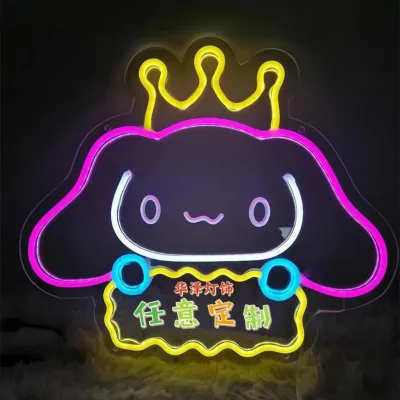
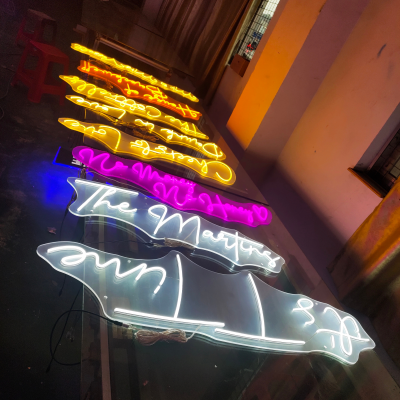
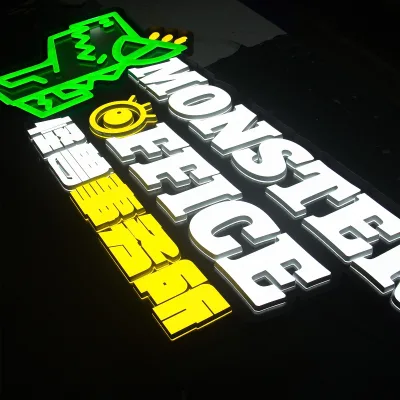
LED neon signs are versatile lighting solutions suitable for a wide array of applications, ranging from commercial advertising to residential decoration. The ability to bend the signs horizontally and customize their shape makes them ideal for creating unique brand identities. In commercial settings, these signs are frequently used for storefronts, restaurant menus, and bar decor, where their high brightness and eye-catching multi-color capabilities attract customer attention.
The distinction between indoor and outdoor applications is crucial for selection. Indoor applications, such as home decor, gaming rooms, and office spaces, prioritize aesthetic appeal and color customization. Outdoor applications, including signage for retail stores and event venues, require robust construction to withstand weather elements. The observed data confirms that these products are designed for both environments, but the specific IP rating and material durability must be verified for outdoor use.
Furthermore, the emitting color capabilities allow for dynamic advertising. Changeable color options enable businesses to update their messaging or mood lighting without replacing the entire sign. This flexibility is particularly valuable for seasonal promotions or event-based marketing. The high brightness of the SMD lamps ensures visibility even in well-lit environments, making these signs effective for 24-hour advertising.
Supplier Evaluation and Sourcing Strategy
Selecting the right supplier is critical to ensuring product quality and supply chain reliability. Buyers should prioritize suppliers who demonstrate transparency in their manufacturing processes and provide clear documentation. The origin of the products is a significant factor; many LED neon signs are manufactured in China, with specific hubs like Chengdu noted in the supply chain. While this location offers competitive pricing and manufacturing expertise, buyers must verify the supplier's ability to meet international shipping and quality standards.
When evaluating suppliers, look for those who offer flexible order terms, such as acceptance of small orders, which can be beneficial for testing new designs before committing to large volumes. The availability of customization services is another key indicator of a supplier's capability. A supplier that can handle customized logos, sizes, and voltage requirements demonstrates a higher level of technical proficiency.
Shipping terms should also be carefully considered. Options such as shipping by sea or by express courier offer different trade-offs between cost and speed. For large orders, sea freight is often more cost-effective, while express shipping is suitable for urgent, smaller orders. Buyers should verify the supplier's lead times and packaging standards to ensure that products arrive in pristine condition. The use of protective packaging, such as bubble bags, foam, and plywood cases, is essential for preventing damage during transit.
Quality Control and Long-Term Procurement Considerations
Implementing a robust quality control (QC) strategy is essential for minimizing defects and ensuring customer satisfaction. Buyers should establish clear acceptance criteria based on technical specifications, such as LED density, color consistency, and electrical safety. Regular inspections during the production process can help identify issues early, reducing the risk of receiving substandard goods.
Long-term procurement considerations involve assessing the warranty and after-sales support provided by the supplier. A warranty time of "Yes" indicates that the supplier stands behind their product, but the specific terms and duration should be clearly defined in the contract. Buyers should also consider the lifecycle of the product; LED neon signs are designed for long-term use, but the quality of the components, such as the SMD lamps and PCB, will determine their actual lifespan.
Maintenance and replacement parts should also be factored into the procurement decision. Suppliers who offer spare parts or have a reliable supply chain for replacements can reduce downtime for businesses relying on these signs. Additionally, the environmental impact of the product, including the recyclability of materials like PVC and Acrylic, is becoming an increasingly important factor for corporate sustainability goals. Buyers should inquire about the environmental certifications and disposal recommendations for the products they source.
Summary of Key Product Attributes
To assist in the final selection process, the following table summarizes the key attributes observed in the market for LED neon signs. This comparison highlights the variability in specifications and helps buyers identify the features most relevant to their specific needs.
| Attribute Category | Observed Specifications | Procurement Consideration |
|---|---|---|
| LED Technology | 2835 SMD, SMD Lamp Body | Verify brightness and color rendering index (CRI). |
| Voltage Options | 12V, 24V, 120V, 220V | Match power supply to local grid standards. |
| Materials | PVC, Acrylic, PC | Select based on durability and optical clarity needs. |
| Certifications | CE, RoHS, UL, SAA | Request valid certificates for target markets. |
| Packaging | Bubble Bag, Foam, Plywood Case | Ensure robust packaging for long-distance shipping. |
| Customization | Logo, Size, Color Available | Confirm lead times for custom designs. |
| Application | Indoor & Outdoor | Verify IP rating for outdoor durability. |
| Origin | China (e.g., Chengdu) | Assess logistics and import regulations. |
By adhering to these guidelines and maintaining a disciplined approach to verification, procurement professionals can effectively source high-quality LED neon signs that meet both functional and regulatory requirements. The market offers a wide range of options, but success lies in the ability to match specific product attributes to the unique demands of the application.
FAQs
What materials are used for LED neon signs?
Common materials include PVC, Acrylic, and PC. PVC offers flexibility for custom shapes, while Acrylic and PC provide superior durability and optical clarity for high-end applications.
Which voltage options are available for these signs?
Available voltages include 12V, 24V, 120V, and 220V. You must match the power supply to your local grid standards to ensure safe and correct operation of the unit.
Can I get custom logos and sizes for the sign?
Yes, customization for logos and sizes is available. This service allows for unique branding but typically increases the unit cost and may require additional engineering time.
What certifications do these products usually have?
Standard certifications include CE, RoHS, UL, and SAA. These documents verify compliance with safety and environmental standards, which is essential for international export and public installations.
How are the signs packaged for shipping?
Packaging often involves bubble bags, foam, and plywood cases. This protective layering prevents damage during transit, especially for larger units shipped via sea or express courier.
Where are these LED neon signs manufactured?
Products originate from China, with specific hubs like Chengdu noted. Sourcing from this region offers competitive pricing but requires verification of shipping terms and quality control standards.
What is the typical MOQ for small orders?
The Minimum Order Quantity ranges from 1 to 100 units. Suppliers often accept small orders, allowing buyers to test designs before committing to larger volume purchases.