Source LED Pumpkin Candle for Halloween, Home, and Commercial Use
Source the LED Pumpkin Candle from 30 verified listings to compare features like LED power, battery operation, and plastic or wax materials. Evaluate options for Halloween, home, and commercial applications to find the right fit for your needs; compare the available evidence and request quotations based on your requirements.
Key considerations
Products List


Glitter Santa Claus Candle Night Light Christmas Glow LED Light Candle Decoration
$3.99 - $4.59
MOQ: 500 Pieces




Comprehensive Sourcing Guide
LED Pumpkin Candle Sourcing Guide
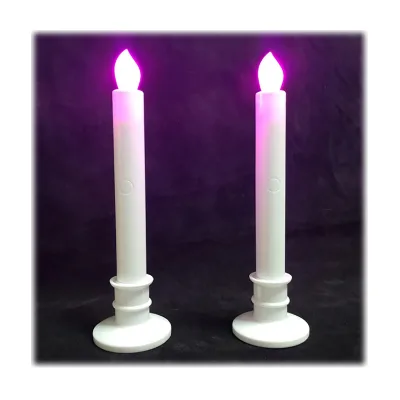
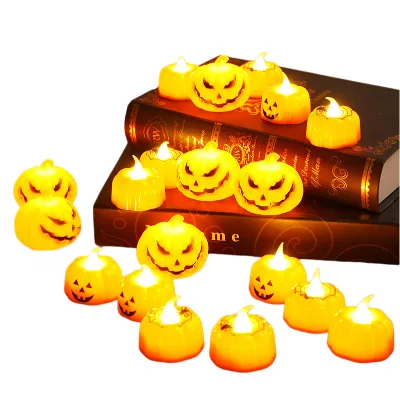
Sourcing LED pumpkin candles requires distinguishing between decorative seasonal items and functional lighting solutions, as the market presents a mix of battery-operated wax replicas and electric plastic fixtures. Buyers must carefully evaluate the product model and material composition, noting that observed listings include both soybean wax pillar candles and plastic Halloween pumpkin types with varying power sources. The distinction is critical because the operational requirements for a battery-operated wax candle differ significantly from those of an electric LED fixture intended for commercial landscaping or home decoration.
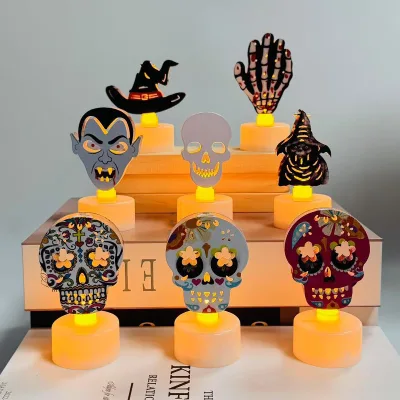
Procurement decisions should be driven by the specific usage scenario, whether for festivals, weddings, or holiday parties, as the observed product range supports diverse applications from religious ceremonies to SPA decoration. While some items feature changeable emitting colors and modern styles, others are strictly themed for Halloween with specific shapes and orange or beige color options. Understanding these variations ensures that the selected inventory aligns with the intended event atmosphere and functional needs, preventing mismatches between the product's physical attributes and the buyer's operational requirements.
Product Scope and Observed Listing Signals
The observed product scope reveals a wide spectrum of specifications, with sizes ranging from compact 5x5x7cm units to larger 7.5x10cm pillars, indicating that volume and physical footprint are primary differentiators. Buyers should verify the exact dimensions and weight, as some listings specify a standard of 45g while others provide packing dimensions like 12x5.5cm, which directly impacts shipping costs and storage logistics. The material composition varies between wax and plastic, necessitating a clear definition of the desired aesthetic and durability profile before engaging with suppliers.
Listing signals also highlight significant variations in power sources, with some products utilizing three AG10 batteries while others rely on electric power sources or LED modules with specific wattage ratings. The presence of customization options, such as logo printing and OEM design services, suggests that many suppliers are prepared to tailor products for specific branding needs, though some listings explicitly state that logo printing is not available. Buyers must cross-reference these signals with their specific order requirements to ensure that the selected items can be customized or remain standard, depending on the procurement strategy.
Technical Specifications to Verify
Technical verification must begin with the power source and battery configuration, as the market includes items requiring three AG10 batteries alongside those with direct electric power or LED light sources. It is essential to confirm the wattage, which ranges from low-power options under 5W to higher output units, ensuring compatibility with the intended lighting environment and energy efficiency goals. The switch type, often a push-button mechanism, should be tested for reliability, as this is the primary user interface for activating the lighting function in both battery and electric models.
Lighting performance and physical construction are equally critical, with observed attributes including changeable emitting colors and specific shapes like pillars or Halloween pumpkins. Buyers should verify the IP rating and material durability, noting that while some products are made of wax, others utilize plastic for enhanced weather resistance in outdoor landscaping applications. The inclusion of a light source within the product packaging is a key specification to confirm, ensuring that the unit is ready for immediate deployment without the need for additional component procurement or assembly.
Compliance and Safety Documentation
Compliance verification is paramount when sourcing electrical lighting products, as the observed listings frequently cite certifications such as CE, RoHS, EMC, LVD, FCC, SAA, and GS. Buyers must request valid test reports for these specific standards to ensure that the electrical components meet international safety requirements, particularly for products intended for export to markets with strict regulatory frameworks. The presence of these certifications indicates a baseline level of safety, but independent verification is necessary to confirm that the specific batch of goods adheres to the claimed standards.
In addition to electrical safety, material compliance is a key consideration, especially for products made of wax or plastic that may be used in close proximity to food or in indoor environments. The RoHS standard, which restricts hazardous substances, is explicitly mentioned in the product data and should be validated for all material components. Buyers should also check for any additional regional standards, such as ASTM D6413 for biodegradability if soybean wax is used, to ensure that the product meets environmental expectations and regulatory requirements in the target market.
Cost Drivers and Commercial Terms
Cost drivers in this category are heavily influenced by the material composition, with wax-based candles often carrying different cost structures compared to plastic or electronic fixtures. The inclusion of a light source, battery configuration, and packaging type, such as inner boxes or master cartons, adds layers to the final unit price that must be accounted for in the total landed cost calculation. Buyers should analyze the price range of 0.16 to 15.38 USD to understand the correlation between product complexity, material quality, and the final cost per unit.
Commercial terms vary significantly, with observed MOQs ranging from 10 units to 3000 units, allowing flexibility for both small trial orders and large-scale procurement. Lead times are another critical factor, with sample production taking approximately seven days and bulk production requiring 45 to 50 days, which must be factored into the supply chain planning. Packaging specifications, such as OPP bags or color boxes, also impact costs and should be negotiated to align with branding requirements while minimizing unnecessary packaging expenses.
Supplier Qualification and Quality Control
Supplier qualification should focus on verifying the origin and production capabilities, as the data indicates a concentration of manufacturers in Jiangmen, Guangdong, and other regions in China. Buyers must assess the supplier's ability to handle customization requests, such as logo printing and OEM design, while ensuring that the production process, including filling and processing steps, maintains consistent quality. The availability of samples within seven days is a positive indicator of responsiveness, but the actual quality of these samples must be rigorously tested before committing to bulk orders.
Quality control protocols must address the variability in product attributes, such as color consistency between beige and orange options and the reliability of the emitting color changes. Inspections should verify that the physical dimensions, such as the 7.5x10cm size or 5x5x7cm standard, match the specifications provided in the listing to prevent discrepancies in the final shipment. Additionally, checking the packaging integrity, including the inner box and master carton arrangements, ensures that products arrive in perfect condition, ready for retail display or immediate use.
Long-Term Procurement Checks
Long-term procurement success depends on establishing a reliable supply chain that can consistently deliver products meeting the evolving demands of seasonal markets. Buyers should monitor the supplier's ability to maintain lead times of 45 to 50 days for bulk orders while accommodating the high variability in product models and specifications. Building a relationship with suppliers who offer flexible MOQs and customization options will provide the agility needed to respond to fluctuating market trends and consumer preferences.
Continuous quality monitoring is essential to ensure that the products, whether wax candles or plastic pumpkins, maintain their performance and safety standards over time. Buyers should implement regular audits of the production process and material sourcing to verify that certifications like CE and RoHS remain valid and that the products continue to meet the required specifications. Establishing clear communication channels for feedback and issue resolution will help mitigate risks and ensure a steady flow of high-quality LED pumpkin candles for future procurement cycles.
FAQs
What materials are used for led pumpkin candles?
These products are primarily constructed from plastic and wax materials. Some variants utilize soybean wax for a more natural feel, while others rely on durable plastic shells to house the LED components. The choice of material affects the weight and texture, ensuring the candle remains stable and safe for various decorative settings without compromising the visual appeal of the Halloween pumpkin design.
Can I customize the logo on these candles?
Customization options vary by product type. While some items explicitly state that logo printing is not available, others offer OEM customized logo design services. Buyers seeking branded merchandise should verify the specific customization capabilities for each model, as some products allow for tailored branding while others remain standard stock items without any additional printing or engraving options for corporate identity.
What certifications do these led candles hold?
Manufacturers typically provide products with CE, RoHS, EMC, LVD, FCC, SAA, and GS certifications. These standards ensure electrical safety and environmental compliance for international markets. Buyers should confirm the specific certification list for each model, as compliance requirements may differ based on the target export region and the specific electrical components used within the LED lighting system of the candle.
What is the typical lead time for bulk orders?
Bulk production generally requires 45 to 50 days to complete. Sample orders can be prepared much faster, often within seven days. These timelines apply to standard manufacturing processes and may vary based on order volume and customization requirements. Buyers should plan their procurement schedules accordingly to ensure timely delivery for seasonal events like Halloween or other holiday decorations.
How are these candles powered and switched?
Power sources include electric connections, USB inputs, and battery options such as three AG10 cells. Switch types typically feature push-button mechanisms for easy operation. Some models are designed for specific wattages, while others offer changeable emitting colors. Buyers should select the power configuration that best suits their installation environment, whether for indoor home use or outdoor landscaping applications.
What is the minimum order quantity for these items?
The minimum order quantity ranges from 10 to 3000 units depending on the specific product model. Lower MOQs are available for standard items, while higher volumes may be required for customized designs. Buyers should check the specific MOQ for their desired product to ensure it aligns with their inventory needs and budget constraints, as quantities can significantly impact pricing and production scheduling.