Source Cat Climbing Frame for Medium Cats, Dogs, and Homes
Find 30 Cat Climbing Frame options suitable for medium cats and dogs. Compare specifications including materials like wood and jute, sizes, and customization features from verified suppliers in China.
Key considerations
Products List


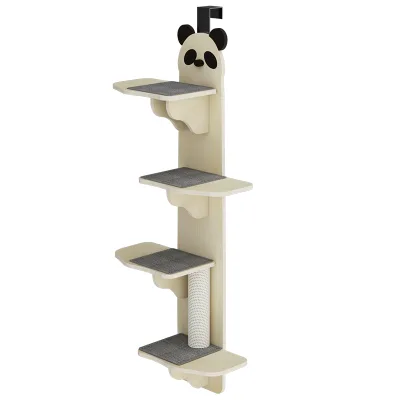




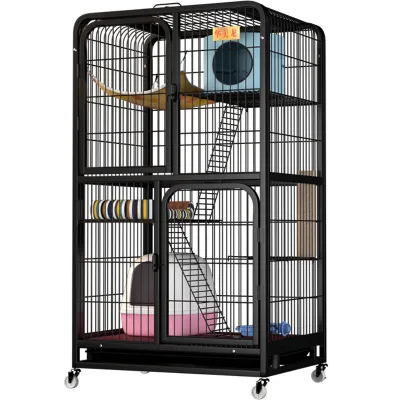
Luxury Modern Solid Wood Cat Tree Wall Climbing Frame with Springboard
$30.00 - $40.00
MOQ: 100 Pieces

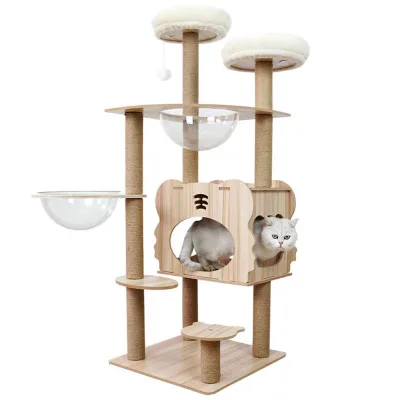
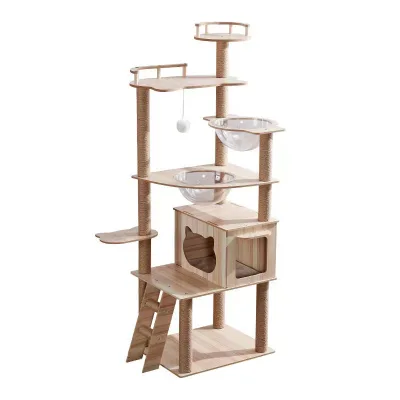


Comprehensive Sourcing Guide
Strategic Sourcing Guide for Cat Climbing Frames
Understanding Product Specifications and Material Composition
When sourcing cat climbing frames, buyers must first establish a clear understanding of the technical specifications that define the product's utility and durability. The market offers a diverse range of configurations, but the core construction materials are a primary determinant of longevity and safety. Based on current market observations, the primary structural material for many units is wood, providing a robust framework capable of supporting the weight of medium-sized cats. This wooden base is often complemented by other materials such as jute and fabric, which serve specific functional roles. Jute is frequently utilized for scratching posts and climbing surfaces, offering a texture that satisfies the natural scratching instincts of felines while being durable enough for repeated use. Conversely, fabric components are often employed for hammocks, beds, or soft enclosures, adding a layer of comfort and aesthetic variety.
The physical dimensions of these frames vary significantly to accommodate different spatial requirements and cat sizes. Buyers should expect to encounter models with lengths ranging from 1.2 meters to 2.0 meters, allowing for customization based on available floor space. The diameter of the posts, a critical factor for climbing stability, typically falls within the 20mm to 30mm range. Height standards are also a key specification, with some units adhering to a 47cm standard, while others may vary based on the specific model number, such as the HU20260812 series or the Cat Climbing Frame series. The overall weight of the units is another vital metric; for instance, specific models may weigh approximately 7.15kg, with footprint dimensions around 41.5cm by 41.5cm by 65cm. These numerical values are not universal but represent observed data points that buyers must verify against their specific inventory needs.
| Specification Category | Observed Range/Value | Functional Implication |
|---|---|---|
| Primary Material | Wood, Jute, Fabric | Structural integrity and scratching surface texture |
| Length | 1.2m, 1.3m, 1.5m, 1.6m, 2m | Spatial footprint and climbing complexity |
| Post Diameter | 20mm, 30mm | Grip stability for medium-sized cats |
| Weight | 7.15kg (observed example) | Portability and floor stability |
| Suitable Cat Size | Medium Cat | Load-bearing capacity and design scale |
| Product Origin | China, Nantong | Manufacturing hub and logistics baseline |
Design Styles and Functional Customization
The aesthetic and functional design of cat climbing frames is a significant driver for procurement decisions, as these products often serve as furniture pieces within a home. The market exhibits a wide spectrum of styles, including Luxury, Modern, Classic, and Simple designs. Buyers should note that multifunctional attributes are a common selling point, with frames designed to integrate scratching posts, sleeping areas, and climbing structures into a single unit. The installation type is predominantly floor-based, requiring a stable base that does not rely on wall mounting, which simplifies the setup process for end-users.
Customization is a critical capability for B2B buyers looking to differentiate their offerings. Many suppliers support OEM and ODM services, allowing for the integration of specific branding elements such as logos. The customization options extend to the product's appearance, with color variations ranging from Multicolor to specific shades like Gray or White. Furthermore, the packing requirements can be tailored, with standard options including cartons and the possibility for customer-specific packaging. This flexibility is essential for brands aiming to create a cohesive product line or to meet specific retail presentation standards. The availability of samples is another important factor, enabling buyers to physically inspect the quality of the customization before committing to large-scale orders.
Compliance, Safety, and Certification Verification
While the provided data does not list specific certification bodies or test results, the procurement of pet products inherently requires rigorous attention to safety and compliance. Buyers must verify that the wooden structures are treated with non-toxic finishes and that the jute and fabric materials are free from harmful chemicals that could be ingested by pets. The observation that the product is "New" and "Stocked" suggests current availability, but it does not guarantee compliance with international safety standards.
Buyers should actively request documentation regarding the materials used. For instance, the wood should be sourced from sustainable forests if eco-friendly claims are made, as indicated by the "Eco-Friendly" attribute observed in some listings. The "Waterproof: Not Waterproof" attribute is a crucial piece of information; it implies that the products are not suitable for outdoor use or areas with high moisture, and buyers must ensure their marketing and distribution channels do not misrepresent this limitation. Additionally, the suitability for "Cats" is explicitly stated, though some listings also mention "Dog," which requires clarification to ensure the product is marketed and used correctly for its intended feline audience. Verification of these attributes is the first step in mitigating liability and ensuring product safety.
Cost Drivers and Pricing Dynamics
The pricing of cat climbing frames is influenced by a complex interplay of factors, including material costs, labor, customization, and order volume. The observed price range in the market spans from $0.89 to $130, a wide variance that reflects differences in size, material quality, and functional complexity. Smaller, simpler models or individual components like ropes may sit at the lower end of this spectrum, while large, multifunctional wooden frames with premium finishes and custom branding will command higher prices.
The Minimum Order Quantity (MOQ) is another significant cost driver. The observed MOQ range is 1 to 500 units, with a specific observation of 50 pieces for certain models. Buyers must balance their inventory needs against the MOQ to optimize cash flow. Higher order volumes typically negotiate better unit prices, but the initial investment required to meet the MOQ can be substantial. The "Carton" packing standard is a baseline cost, but "Customer Required" packing options will add to the overall expense. Additionally, the "Sample: Yes" attribute indicates that buyers should budget for sample costs and shipping, which are often separate from the bulk order pricing. Understanding these variables is essential for accurate budgeting and margin analysis.
Supplier Evaluation and Operational Capabilities
Selecting the right supplier requires a thorough evaluation of their operational capabilities and reliability. The product origin is consistently listed as China, with Nantong specifically mentioned as a manufacturing location. This regional concentration suggests a specialized supply chain for pet furniture, but buyers must verify the specific factory's capacity and quality control processes. The support for OEM/ODM indicates that the supplier is capable of handling custom orders, but the extent of this support—such as design assistance, mold creation, or branding integration—must be clarified during negotiations.
Buyers should assess the supplier's ability to manage the "Customized" nature of the product. This includes their responsiveness to design changes, their ability to source specific materials like bamboo for scratchers or specific fabric types, and their capacity to maintain consistency across large production runs. The "Condition: New" attribute is a basic requirement, but buyers must also evaluate the supplier's track record for delivering products that meet the "Eco-Friendly" and "Multifunctional" expectations. The availability of the "Cat Climbing Rope" as a separate or integrated component suggests a modular approach to production, which can be advantageous for scaling production or managing inventory.
Quality Control and Long-Term Procurement Strategy
Implementing a robust quality control (QC) strategy is paramount for maintaining brand reputation in the pet product sector. Given the "Waterproof: Not Waterproof" limitation, QC checks must include rigorous testing for structural stability and material durability under normal indoor conditions. The "Folded: Unfolded" attribute suggests that some models may have collapsible features, which introduces a potential point of failure that requires specific attention during the QC process. Buyers should verify that the "With Mattress" feature is securely attached and that the mattress material is resistant to tearing and soiling.
For long-term procurement, buyers should focus on building a relationship with suppliers who can consistently deliver on the "Multicolor" and "Style" variations required by the market. The "Season: Spring & Autumn" attribute may indicate specific marketing cycles or usage patterns, but the product should ideally be available year-round. Establishing a clear communication channel for addressing "prod_model" variations, such as the HU20260812 series or WJ0008, is essential to prevent confusion and ensure the correct products are shipped. Finally, buyers should consider the environmental impact of the "Bamboo" and "Wood" materials, ensuring that the supply chain aligns with any sustainability goals the brand may have. By focusing on these technical and operational details, buyers can secure a reliable supply of high-quality cat climbing frames that meet both regulatory standards and consumer expectations.
FAQs
What materials are used for cat climbing frames?
The primary structural material is wood, often complemented by jute for scratching surfaces and fabric for soft enclosures. Some models also incorporate bamboo for specific scratcher components, ensuring durability and safety for medium-sized cats.
Which dimensions are available for these climbing frames?
Available lengths range from 1.2 meters to 2 meters, with post diameters typically measuring 20mm or 30mm. Specific models may adhere to height standards like 47cm or have footprint dimensions around 41.5cm by 41.5cm by 65cm.
Can buyers request custom logos and packaging?
Yes, suppliers support OEM and ODM services, allowing for logo acceptance and custom packaging requirements. Standard packing is in cartons, but customer-specific packaging options are available to meet retail presentation standards.
What is the minimum order quantity for these products?
The observed minimum order quantity ranges from 1 to 500 units, with specific models requiring 50 pieces. Buyers should verify the exact MOQ for their selected model to optimize inventory and cash flow.
Are these frames suitable for outdoor use?
No, the products are not waterproof and are designed for indoor environments only. Buyers must ensure marketing and distribution channels do not misrepresent this limitation to avoid liability and ensure proper product usage.
Which styles and colors are offered for these frames?
Styles include Luxury, Modern, Classic, and Simple designs, with multifunctional attributes being common. Colors vary from multicolor options to specific shades like gray or white, catering to diverse aesthetic preferences.
Where are these cat climbing frames manufactured?
The products originate from China, with Nantong specifically mentioned as a manufacturing location. This regional concentration suggests a specialized supply chain for pet furniture, though specific factory capacities should be verified.