Source LED Stage Light DMX Controller for Clubs, Events, and Theaters
Explore 30 options for the LED Stage Light DMX Controller to find reliable DMX512 solutions for professional venues. Compare models like HM-1024 and Pearl 192, checking power specs, channel counts, and certifications to match your stage lighting needs; compare the available evidence and request quotations based on your requirements.
Key considerations
Products List


for Madrix LED Show Artnet Controller 12-Universe DMX512 for Stage Lights
$350.00 - $400.00
MOQ: 1 Pieces
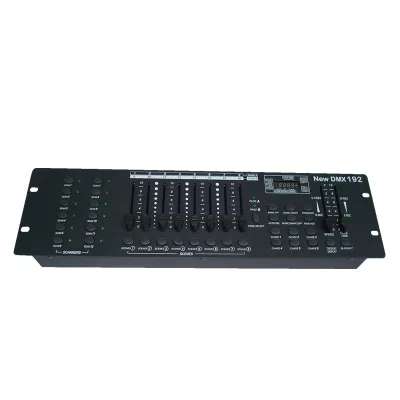
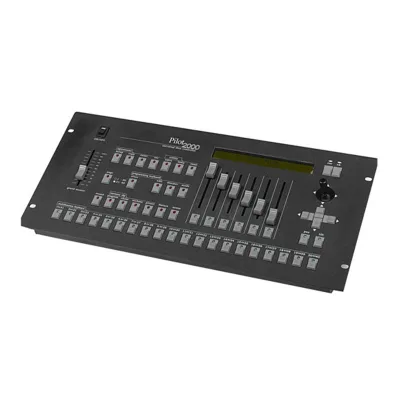


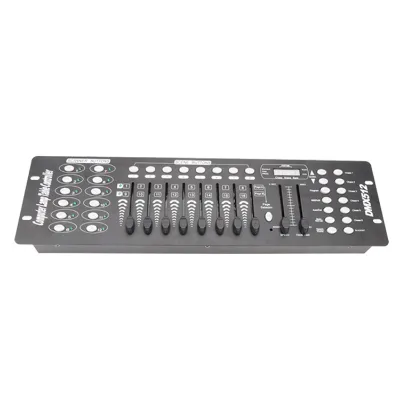
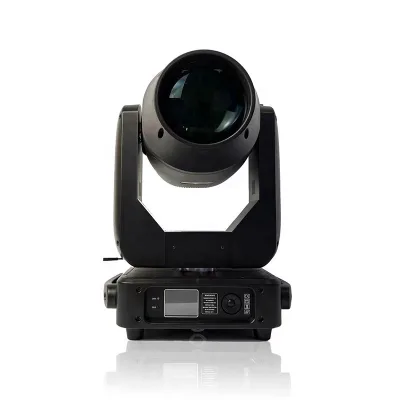
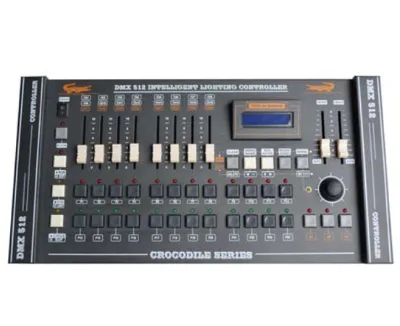

Comprehensive Sourcing Guide
LED Stage Light DMX Controller Sourcing Guide
Procuring LED stage light DMX controllers requires distinguishing between signal processing units and integrated lighting fixtures, as the market offers both standalone controllers and all-in-one systems. Buyers must verify whether the product is a dedicated controller like the Pearl 192 DMX Controller or a lighting unit with built-in control capabilities, such as the HM-DMX19 series. Understanding this distinction is critical for ensuring the selected hardware matches the specific architectural needs of the stage setup, whether it involves direct load switching or complex channel mapping.
The observed product range includes diverse models with varying power requirements and physical dimensions, necessitating a careful review of the technical datasheet before finalizing a purchase. Some units operate on AC90-240V power supplies, while others rely on DC inputs ranging from 5V to 24V, which dictates the compatibility with existing power distribution infrastructure. Buyers should prioritize models that explicitly state their control signal protocols, such as DMX512, to ensure seamless integration with existing lighting consoles and software libraries.
Product Scope and Observed Listing Signals
The current market listings reveal a wide spectrum of product configurations, ranging from compact 71x63x38mm units to larger systems measuring up to 739x603x157mm. This variation in physical size often correlates with the intended application, such as dance effect lights or general stage entertainment, and influences the logistics of shipping and on-site installation. Procurement teams must evaluate the packaging specifications, noting that some items arrive in standard carton boxes while others require robust flight cases for protection during transport.
Listing signals indicate that customization is available for many of these units, allowing buyers to tailor specific attributes to their project requirements. However, the presence of different model numbers, such as HM-1024, HM-DMC240, and HM-DMX192, suggests that features like channel count and output capacity vary significantly between SKUs. Buyers should scrutinize the listed channel outputs, which can range from 8 channels to 192 channels, to ensure the selected controller can handle the complexity of the intended lighting design without requiring additional hardware.
Technical Specifications to Verify
Technical verification must begin with the power supply and current requirements, as inconsistencies here can lead to system instability or equipment failure. While some controllers support a broad AC input range of 90-240V, others are designed for specific DC voltages like 15V or 5-24V, and the current draw must not be less than 300mA for reliable operation. It is essential to confirm the power consumption figures, which can range from 2W to over 28W depending on the model and LED quantity, to prevent overloading the power distribution system.
Signal compatibility and control logic are equally critical, with DMX512 being the standard protocol observed across the majority of listings. Buyers should verify the software library availability, noting that some units come with pre-loaded libraries containing up to 30 programs, while others allow for up to six custom programs to be set as defaults. Additionally, the load type must be confirmed as direct to ensure the controller can safely manage the connected lighting fixtures without requiring intermediate dimming modules or relays.
Compliance and Safety Documentation
Safety compliance is non-negotiable for stage equipment, and buyers must demand documentation proving adherence to international safety standards. The observed listings frequently cite certifications such as CCC, RoHS, and CE, which indicate that the products meet specific regulatory requirements for electrical safety and environmental restrictions. Procurement teams should request valid certificates for each batch to ensure that the devices do not contain hazardous materials and are safe for use in public venues.
Beyond general certifications, specific safety ratings like IP ratings are vital for determining the suitability of the equipment for different environments. While some listings mention IP ratings for dimming lights, the exact protection level against dust and water ingress must be verified against the venue's conditions. Buyers should also check for active switch devices and ensure that the lighting variation features, such as sectional changes, are implemented in a way that does not compromise the electrical safety of the installation.
Cost Drivers and Commercial Terms
Cost drivers in this category are heavily influenced by the complexity of the control system, the number of channels supported, and the quality of the LED components used. Models with higher channel counts, such as those offering 192-channel outputs, typically command higher prices due to the increased processing power and memory required. Additionally, the inclusion of extensive software libraries and programmable features adds value, but buyers must weigh these costs against their actual project needs to avoid overspending on unnecessary capabilities.
Commercial terms, including Minimum Order Quantities (MOQ) and lead times, vary significantly across the supplier base, with observed MOQs ranging from single units to 100 pieces. Buyers should negotiate based on their specific volume requirements, as larger orders may unlock better pricing tiers or more favorable shipping terms. It is also important to clarify the origin of the goods, as products originating from Guangdong or Shenzhen may have different logistical implications compared to those from other regions, affecting both cost and delivery speed.
Supplier Qualification and Quality Control
Supplier qualification should focus on the manufacturer's ability to maintain consistent quality across different production batches, particularly for electronic components like Epistar LEDs. Buyers must verify that the supplier has a robust quality control process in place to ensure that the LED quantity, whether 32, 64, 128, or 256 pixels, matches the specifications exactly. Inconsistent pixel counts or LED types can lead to uneven lighting effects, which is unacceptable for professional stage applications.
Quality control also extends to the physical construction of the units, including the tube diameter and overall weight. For instance, a tube diameter of 30mm and a net weight of 39kg for certain models indicate a heavy-duty build, while lighter units weighing 3kg may be more suitable for portable setups. Buyers should request sample units to test the durability of the casing and the reliability of the control signals before committing to a large-scale purchase, ensuring that the product can withstand the rigors of touring and frequent setup.
Long-Term Procurement Checks
Long-term procurement success depends on establishing a reliable supply chain that can support future expansion and maintenance needs. Buyers should assess the supplier's capacity to provide spare parts and technical support, especially for complex systems like the Pearl 192 DMX Controller which may require specialized troubleshooting. A supplier with a strong track record in the entertainment lighting sector is more likely to offer timely assistance and updates for their software libraries.
Finally, buyers must plan for the lifecycle of the equipment, considering factors like the obsolescence of control protocols and the availability of replacement components. While DMX512 is the current standard, the industry is evolving, and suppliers should be able to guide buyers on future-proofing their investments. Regular audits of the installed equipment and periodic reviews of the supplier's performance will help ensure that the lighting control system remains reliable and efficient throughout its operational life.
FAQs
What control signal does an LED Stage Light DMX Controller use?
These controllers use the DMX512 control signal, the standard protocol for stage and entertainment lighting. Many listed models, such as the HM-1024 and Pearl 192, support DMX512 input with channel outputs ranging from 8 channels up to 192 channels. Confirm the channel count and connector type with the supplier before ordering, since configurations vary across models.
Which channels are available on the Pearl 192 DMX controller?
The Pearl 192 DMX controller provides 8 channels of DMX control with 192 channel output capability. It includes a software library of 30 fixtures and supports 6 programs that can be programmed to default settings. This makes it suitable for small to mid-sized stage rigs where multiple fixture types must be controlled from a single console.
Can I customize an LED Stage Light DMX Controller before ordering?
Yes, customization is listed as available for these products. You can typically discuss configuration options with suppliers before placing an order, including packaging choices such as carton box or flight case. Customization requirements may affect minimum order quantities and lead times, so confirm details such as MOQ, size specifications, and any certification needs directly with the supplier.
How are led stage light dmx controllers packed for shipping?
Packing options listed include carton box, flight case, and box packing depending on the model. Flight case packing offers stronger protection for touring or rental use, while carton packing suits standard freight shipments. Models vary in weight, from about 3 kilograms for compact units up to 39 kilograms for larger consoles, so confirm packing and freight costs with your supplier.
What power supply do these dmx controllers require?
Listed stage lighting controllers operate on AC90-240V at 50-60Hz, making them compatible with power grids in most regions. Some accessory units use DC power instead, with input voltage ranging from DC5V to DC24V. Always verify the power specification for your chosen model and match it to your venue supply before installation to avoid compatibility issues.
Which certifications should I check when sourcing these controllers?
Listed products carry CE, RoHS, and CCC certifications, which cover safety, environmental compliance, and the Chinese market respectively. For European projects, prioritize CE and RoHS compliance in supplier discussions. Certification availability can differ by model and supplier, so request documentation for the specific unit you plan to order and verify certificates are current before confirming a purchase.
Where are these led stage light dmx controllers produced?
The listed products originate from Guangdong, China, with some models specifically from Shenzhen, a major hub for entertainment lighting equipment. Sourcing from this region gives access to a concentrated cluster of manufacturers for stage lighting and control equipment. You can discuss lead times, MOQ, and shipping arrangements directly with factories in this area.
What size and weight should I plan for when installing a controller?
Listed controller models vary considerably in physical dimensions. For example, the HM-1024 measures 485 by 420 by 405 millimeters and weighs 39 kilograms net, while compact units like the HM-DMX19 measure 739 by 603 by 157 millimeters and weigh 3 kilograms. Check the specific model dimensions against your console or rack space and confirm shipping weight for freight planning.