Source Leg Warmer for Shoulder, Knee, and Back Warmth
Find 30 Leg Warmer options with customizable sizes and features like keep warm functionality. Buyers can compare specifications including weight, heating time, and application areas for arthritis or general warmth needs from verified Chinese manufacturers.
Key considerations
Products List


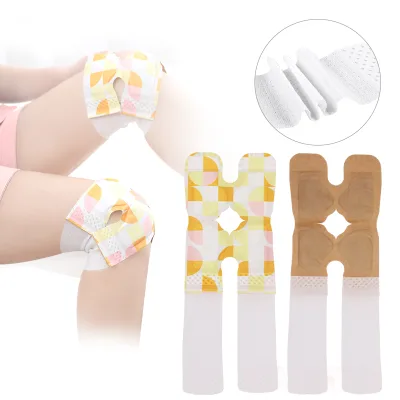


Good Selling Self Heating Knee Bamboo Protector Pad Snow Patch Down Leg Warmers
$0.52 - $0.58
MOQ: 100 Pieces


Comfortable Shoulder Warmer Adjustable Shoulder Warmerback Support Strap Back Warmer
$2.30 - $2.83
MOQ: 100 Pieces

Hot Selling Shoulder Warmer Lumbar Back Support Belt Shoulder Warmer Brace
$1.08 - $1.53
MOQ: 100 Pieces

Self Heating Mugwort Pain Relief Warming Knee Elbow Patch Knee Warmer Heat
$0.42 - $0.52
MOQ: 3000 pieces


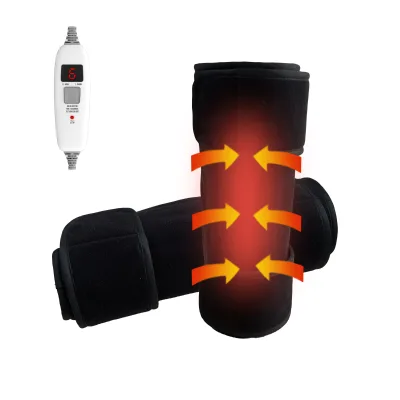


Comprehensive Sourcing Guide
Strategic Sourcing Guide for Leg Warmer Procurement
Understanding Product Specifications and Variability
When sourcing leg warmers or related thermal support products, buyers must first navigate a complex landscape of technical specifications that vary significantly between manufacturers. The core product category often encompasses items ranging from simple thermal patches to structured wearable supports. In the current market, observed product models such as JT-JD001 and JT-A0001 indicate a diversity in design, with specific dimensions like 9070mm and 13095mm being common for smaller thermal applications. However, for larger leg warmers or full-coverage thermal pads, specifications can expand dramatically to sizes like 532448cm or 14*39 cm, depending on the intended coverage area.
The physical attributes of these products are critical for procurement decisions. Weight is a primary differentiator, with observed units ranging from 152g to 162g for specific thermal patches. This variance suggests differences in material density, insulation layers, or the inclusion of active heating elements. Buyers should note that some products are designed as disposable units, while others may be intended for repeated use. The shape of the product also dictates its application; while some models are rectangular, others feature irregular shapes to better conform to the anatomy of the knee, thigh, or calf. Understanding these dimensional and weight variations is essential before initiating any supplier engagement, as a mismatch in size specifications can lead to immediate rejection of a shipment.
Compliance, Certification, and Safety Standards
Compliance is a non-negotiable aspect of sourcing thermal products, particularly those involving chemical reactions for heat generation. A high-confidence fact in the current market is the presence of MSDS (Material Safety Data Sheet) certification for certain products. This document is vital for understanding the chemical composition of the product, especially for items containing iron powder as a main ingredient. The presence of iron powder indicates a chemical heating mechanism, which requires strict adherence to safety protocols during manufacturing and transport.
Furthermore, specific regional standards must be verified. For instance, the MFDS (Ministry of Food and Drug Safety) standard has been observed in relation to certain thermal products, indicating compliance with South Korean regulatory frameworks. Buyers sourcing from regions like Zhejiang or Henan in China must ensure that the supplier can provide documentation proving adherence to these standards. The absence of such certification can lead to customs delays or legal liabilities in the destination market. Additionally, the "Keep Warm" and "Keep Warmer" features often imply specific performance claims regarding temperature retention. While some products list an average temperature of 53 °C, buyers should treat this as an observation of a specific batch rather than a universal guarantee. Verification of the actual heating time, which ranges from 8 to 12 hours in some models, is necessary to ensure the product meets the functional requirements of the end-user.
Cost Drivers and Pricing Dynamics
The pricing structure for leg warmers and thermal patches is influenced by several factors, including material costs, customization levels, and order volume. The observed price range in the market spans from $0.01 to $145, a vast disparity that reflects the difference between single-use disposable patches and more complex, reusable thermal devices. The lower end of this spectrum typically corresponds to simple, disposable heating pads with minimal packaging, such as the "1 PCS/Grinding Sandbag" or "1 Pad/Polybag" configurations. In contrast, higher-priced items likely involve more sophisticated engineering, durable materials, or specialized packaging that enhances the product's perceived value.
Customization is a significant cost driver. The market data confirms that customization is available for these products, allowing buyers to tailor the size, shape, and branding to their specific needs. However, this flexibility often comes with a minimum order quantity (MOQ) that can range from 1 to 100,000 units. Suppliers may charge a premium for custom molds or unique packaging designs, such as the "1 Pair/Polybag" or "1 Pair/Bag" configurations. Buyers must balance the desire for customization against the budget constraints, keeping in mind that higher MOQs generally result in lower unit costs. The origin of the product, whether from Zhejiang or Henan, may also influence pricing due to local labor costs and supply chain efficiencies, though specific price differentials should be verified directly with suppliers rather than assumed.
Typical Applications and Functional Requirements
Leg warmers and thermal patches serve a wide array of applications, primarily focused on pain relief and thermal therapy. The observed product attributes highlight usage on the shoulder, waist, abdomen, back, and knee, indicating that these products are versatile tools for managing musculoskeletal discomfort. Specific applications include arthritis, scapulohumeral periarthritis, and rheumatism, suggesting that the products are often marketed toward medical or therapeutic markets. The "Warm knee" function is explicitly noted for certain models, emphasizing their utility in joint-specific therapy.
The durability of these products is another critical functional aspect. Some models are rated for 12 hours of durability, which is a key selling point for overnight therapy or long-duration use. The heating time, typically ranging from 8 to 12 hours, aligns with this durability claim, ensuring that the product provides consistent warmth throughout the day or night. For buyers targeting the medical sector, the ability to target specific areas like the shoulder, back, or knee is paramount. The irregular shape of some products further supports their application in anatomically complex areas, ensuring a snug fit that maximizes heat transfer to the affected region. Understanding these functional requirements helps buyers select the right product for their specific target audience, whether it be general consumers seeking comfort or medical professionals requiring therapeutic tools.
Supplier Evaluation and Origin Verification
Evaluating suppliers requires a keen eye on origin and production capabilities. The market data indicates that products originate from specific regions in China, notably Zhejiang and Henan. These regions are known for their manufacturing clusters, but buyers must verify the specific capabilities of each supplier. For instance, the presence of "OEM, ODM: Acceptable" suggests that many suppliers are equipped to handle private label orders and custom design requests. This is a crucial factor for buyers looking to build their own brand or modify existing products.
When evaluating a supplier, buyers should request evidence of their production standards and quality control processes. The observation of specific product models like PT-3623, PT-3622(HC), and PT-3622(HCV) indicates that suppliers often have multiple SKUs ready for production. Buyers should verify if the supplier can consistently produce these models or if they are capable of scaling up production for custom orders. Additionally, the packaging standards, such as "1 pcs/Grinding sandbag" or "1 pad/polybag," should be confirmed to ensure they meet the buyer's logistical requirements. It is also important to check if the supplier has experience with international shipping and compliance with destination country regulations, as this can significantly impact the overall procurement timeline and cost.
Quality Control and Long-Term Procurement Considerations
Quality control is essential to ensure that the thermal products meet the promised specifications and safety standards. Buyers should implement a rigorous QC process that includes checking the weight, dimensions, and heating performance of the products. For example, verifying that the weight is within the observed range of 152g to 162g and that the size matches the specified dimensions (e.g., 1013 cm or 79 cm) is a basic but necessary step. Additionally, testing the heating time and temperature output is crucial to ensure the product performs as advertised.
Long-term procurement considerations involve building a sustainable relationship with suppliers who can maintain consistent quality and supply stability. Buyers should look for suppliers who offer OEM and ODM services, as this allows for continuous product improvement and adaptation to market trends. The availability of customization and the ability to meet varying MOQs are also key factors in long-term planning. By selecting suppliers who are transparent about their origins, certifications, and production capabilities, buyers can mitigate risks and ensure a steady supply of high-quality leg warmers and thermal patches. Regular communication and periodic audits of the supplier's facilities can further strengthen this relationship and ensure that the procurement process remains efficient and effective over time.
Comparative Analysis of Product Attributes
To facilitate informed decision-making, the following table summarizes key product attributes observed in the market. This comparison highlights the diversity in specifications, certifications, and applications available to buyers.
| Attribute | Observation 1 | Observation 2 | Observation 3 |
|---|---|---|---|
| Product Model | JT-JD001 | PT-3623 | G-W1013 |
| Size | 90*70mm | 532448cm | 14*39 cm |
| Weight | 152g | 162g | N/A |
| Certification | MSDS | N/A | MFDS |
| Main Ingredient | Iron Powder | N/A | N/A |
| Heating Time | 8-12 Hours | N/A | N/A |
| Average Temp | 53 °C | N/A | N/A |
| Origin | Zhejiang, China | Henan, China | China |
| Packing | 1 PCS/Grinding Sandbag | 1 Pad/Polybag | 1 Pair/Polybag |
| Application | Shoulder, Waist, Abdomen | Shoulder, Back, Knee | Arthritis, Rheumatis |
This table underscores the importance of verifying specific attributes against the buyer's requirements. While some products offer comprehensive thermal therapy with high durability and specific certifications, others may be simpler, disposable units. Buyers must carefully review these attributes to ensure the selected product aligns with their strategic goals and customer expectations. By leveraging this data, procurement teams can make evidence-based decisions that optimize cost, quality, and functionality in the competitive Leg Warmer market.
FAQs
What certifications are available for Leg Warmer thermal patches?
MSDS certification is available for products containing iron powder as the main ingredient. Some models also meet MFDS safety standards, ensuring compliance with regulatory frameworks for chemical heating mechanisms during transport and use.
Which product sizes are offered for Leg Warmer thermal applications?
Available sizes include 90*70mm, 130*95mm, 10*13 cm, 7*9 cm, and larger formats like 53*24*48cm. Specific dimensions vary by model, such as JT-JD001 or PT-3623, to suit different body areas like shoulders, knees, or backs.
Can buyers request customization for Leg Warmer thermal patches?
Yes, customization is available for these products, allowing adjustments to size, shape, and branding. Buyers can select from various packaging options like 1 PCS/Grinding Sandbag or 1 Pair/Polybag, though minimum order quantities may apply.
How long do Leg Warmer thermal patches typically last?
Heating time ranges from 8 to 12 hours for most models, with some rated for 12 hours of durability. The average temperature reaches 53 °C, providing consistent warmth suitable for overnight therapy or long-duration use.
Where are Leg Warmer thermal patches manufactured?
Products originate from manufacturing clusters in Zhejiang and Henan, China. Suppliers in these regions offer OEM and ODM services, enabling private label orders while adhering to specific regional production standards and safety protocols.
What are the main ingredients in Leg Warmer thermal patches?
Iron powder is the main ingredient used to generate heat through a chemical reaction. This composition requires strict adherence to safety protocols, often verified by MSDS documentation to ensure safe handling and transport of the product.