Find Left Steering Used Car with Rear Camera for fleets, rentals, and logistics
Source 30 listings of Left Steering Used Car with Rear Camera from verified Chinese suppliers. Compare specifications like drive type, power, and condition to find suitable vehicles for commercial fleets, rental agencies, or logistics operations.
Key considerations
Products List


1.5t Used Car for Family Driving with Automatic Transmission System
$8200.00 - $10200.00
MOQ: 1 Pieces


Used Hondacr-V Car Automatic Left Steering R18 Tires Dark Interior Rear Camera
$16000.00 - $20000.00
MOQ: 1 Pieces


Left Hand Drive Vehicles Import Made in Manufacturer Electric China Used Cars
$1000.00 - $2950.00
MOQ: 5 Pieces


Secure Driving Mechanism Long Term Daily Utilization Vehicle Used Gasoline Car
$1000.00 - $20000.00
MOQ: 1 Pieces


High Quality New Auto Energy Vehicle Car with Rear-Engine Rear-Drive
$7745.00 - $8925.00
MOQ: 1 Pieces


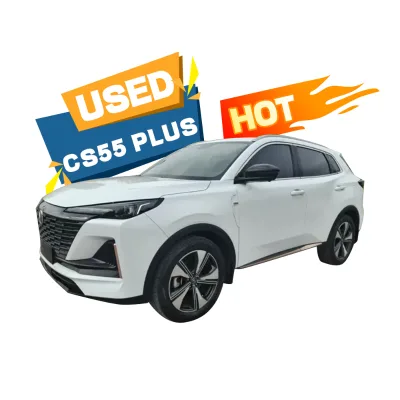

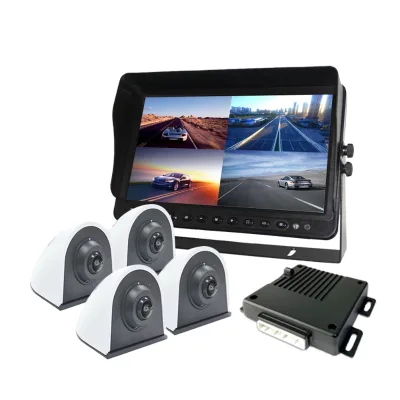


Comprehensive Sourcing Guide
Strategic Sourcing Guide for Left-Steering Used Vehicles with Rear Camera Systems
The global B2B market for pre-owned automotive inventory presents a complex landscape where technical specifications, regulatory compliance, and supply chain logistics intersect. For procurement professionals specifically targeting left-steering used cars equipped with rear camera systems, the sourcing strategy must be grounded in verified data rather than marketing assertions. The current inventory landscape reveals a diverse array of vehicles, ranging from heavy-duty SUVs to compact electric sedans, each with distinct operational parameters. This guide outlines the critical factors buyers must evaluate to ensure a compliant, cost-effective, and reliable acquisition of vehicles matching the core keyword profile.
Technical Specification Analysis and Vehicle Classification
When sourcing used vehicles, the first step is a rigorous analysis of technical specifications to ensure the unit meets operational requirements. The observed market data indicates a significant variance in vehicle types, including SUVs with specific body structures and electric sedans with different powertrains. For a buyer seeking a left-steering configuration, the steering orientation is a non-negotiable attribute that must be explicitly confirmed in the product listing. The data shows listings where "Steering: Left" is explicitly stated, but this must be cross-referenced with the vehicle's intended market of operation.
The powertrain and propulsion systems vary widely in the available inventory. Some units are listed with gasoline fuel types, featuring internal combustion engines with specific displacement ranges such as 2500-4000CC, while others are electric vehicles with power outputs measured in kilowatts or horsepower. For instance, one observed model lists a maximum power of 202kW, whereas another electric variant specifies a motor output of 154HP. Buyers must verify the actual condition of the engine or motor, as the "Used" condition tag implies potential wear that affects performance. The braking systems also differ; while some listings specify electromagnetic braking systems, others rely on standard Antilock Braking Systems (ABS). The presence of a rear camera is a critical safety feature, often correlated with radar systems. The data confirms that rear radar is a documented attribute in certain listings, suggesting that vehicles with rear cameras often include complementary sensor technology.
Compliance, Certification, and Regulatory Standards
Navigating the regulatory landscape is paramount when importing used vehicles. The market data highlights specific management certifications and standards that serve as indicators of supplier reliability and product adherence to international norms. One observed listing includes an "ISOSeats:Steering:Left" certification, which suggests a management system certification related to seating and steering configurations. Another entry lists an FSC (Forest Stewardship Council) certification, which, while often associated with packaging materials, indicates a supplier's commitment to broader environmental standards.
Buyers must verify that the vehicle meets the safety standards of the destination country. The "prod_standard" field in the data provides dimensional benchmarks, such as 489218621837mm or 5050x1995x1750, which are essential for customs clearance and garage fitment. However, these dimensions are specific to individual models and do not represent a universal standard. The condition of the vehicle, marked as "Used" in several listings, necessitates a thorough inspection of the vehicle's history and maintenance records. Unlike "New" condition units, used vehicles require a more granular verification of their structural integrity and safety systems, particularly the rear camera functionality, which must be operational and compliant with local traffic laws regarding visibility and safety.
Cost Drivers and Pricing Variables
The pricing structure for used vehicles is influenced by a multitude of factors, including age, mileage, condition, and specific equipment configurations. The observed price range in the market spans from $5.5 to $85,504.75, reflecting the vast diversity of inventory available. This wide variance suggests that the cost is heavily dependent on the specific model, year, and the extent of refurbishment. For a buyer targeting a left-steering used car with a rear camera, the price will likely be influenced by the presence of advanced features such as automatic gearboxes, specific drive modes (e.g., Front Drive), and the overall condition of the vehicle.
Minimum Order Quantity (MOQ) is another significant cost driver. The data indicates an MOQ range of 1 to 1000 units. While some suppliers may accept single-unit orders, larger procurement volumes often unlock better pricing tiers. However, the specific MOQ of 1000 observed in certain listings suggests that some suppliers operate on a bulk-wholesale model, which may not be suitable for buyers seeking a single unit or a small fleet. Buyers must carefully calculate the total cost of ownership, including shipping, insurance, and potential refurbishment costs, as the base price of the vehicle is only one component of the final expenditure.
Typical Applications and Operational Use Cases
The operational utility of a left-steering used car with a rear camera depends heavily on the vehicle's body style and intended application. The inventory includes 5-door, 7-seat SUVs with a closed body structure, which are ideal for family transport, corporate fleets, or off-road logistics. These vehicles, with a wheelbase of 2850mm and a weight of 2335kg, offer a balance of stability and capacity. In contrast, electric sedans with a curb weight of 2460kg and a maximum speed of 180 km/h are better suited for urban delivery services or executive transport where fuel efficiency and low emissions are priorities.
The rear camera system is particularly valuable in applications requiring frequent reversing or maneuvering in tight spaces, such as urban logistics, construction sites, or parking-intensive environments. For SUVs, the rear camera enhances safety for passengers and cargo, while for sedans, it aids in efficient navigation through congested city streets. The drive system, whether Front Drive or Rear Drive, also dictates the vehicle's suitability for specific terrains. Front Drive models are generally preferred for stable, all-weather performance in urban settings, while Rear Drive models may offer better traction for specific load-carrying applications.
Supplier Evaluation and Verification Protocols
Evaluating suppliers requires a methodical approach to ensure that the vendor can consistently deliver vehicles that meet the specified criteria. The data shows that suppliers originate from various locations within China, including Zhejiang and Fujian provinces. Buyers should verify the supplier's production capabilities and their ability to handle "Nude Packing" or "Color Box" packaging, as this affects the condition of the vehicle upon arrival. The "OEM: Acceptable" attribute indicates that some suppliers are open to customization, which can be a significant advantage for buyers seeking specific branding or modifications.
A critical aspect of supplier evaluation is the verification of the "Used" condition. Buyers should request detailed inspection reports, including engine diagnostics, chassis history, and a functional test of the rear camera system. The production time, listed as 15-25 days in some cases, provides a timeline for delivery but must be confirmed with the specific supplier. Additionally, the presence of certifications like ISO or FSC should be validated through official documentation to ensure they are current and applicable to the specific vehicle being purchased.
Quality Control and Long-Term Procurement Considerations
Quality control is essential when sourcing used vehicles to mitigate the risk of acquiring units with hidden defects. The procurement process should include a pre-shipment inspection that verifies the functionality of the rear camera, the integrity of the braking system, and the condition of the tires, which are specified as 265/50 R20 in some listings. The "Maximum Torque" and "Maximum Power" ratings must be tested to ensure the vehicle performs within the expected parameters.
Long-term procurement considerations involve establishing a relationship with suppliers who can provide consistent quality and support. Buyers should consider the availability of spare parts and the ease of maintenance for the specific vehicle models they acquire. The "Standard Export Packing" and "Standard Export Packing" options suggest that suppliers are equipped to handle international shipping, but buyers must ensure that the packaging is robust enough to prevent damage during transit. Furthermore, the "Production Time" of 15-25 days should be factored into the supply chain planning to avoid delays. By maintaining a rigorous quality control protocol and fostering strong supplier relationships, buyers can ensure a steady supply of reliable, left-steering used cars with rear camera systems that meet their operational needs.
Comparative Overview of Key Vehicle Attributes
To facilitate decision-making, the following table summarizes the key attributes observed in the current market data, highlighting the diversity in specifications that buyers must navigate.
| Attribute | Observed Value 1 | Observed Value 2 | Observed Value 3 |
|---|---|---|---|
| Steering | Left | Left | Left |
| Condition | Used | Used | New |
| Fuel Type | Gasoline | Electric | Electric |
| Body Style | SUV | SUV | Sedan |
| Drive System | FWD | RWD | Front Drive |
| Max Speed | 175 km/h | 180 km/h | 150 km/h |
| Rear Camera | Implied via Radar | Implied via Radar | Not Specified |
| Origin | China | Zhejiang, China | Fujian, China |
| Certification | ISO (Seats/Steering) | FSC | None Listed |
| MOQ | 1000 | 1 | 1 |
This comparison underscores the necessity of precise specification matching. A buyer seeking a specific configuration must filter through these varied options to find the unit that aligns with their operational requirements. The presence of "Rear" radar in some listings serves as a proxy for rear camera systems, but direct verification is always recommended. By adhering to the principles outlined in this guide, procurement professionals can effectively navigate the complexities of the used vehicle market, ensuring the acquisition of high-quality, compliant, and cost-effective assets.
FAQs
What is the typical MOQ for Left Steering Used Car with Rear Camera suppliers?
The minimum order quantity can range from 1 to 1000 units depending on the supplier. Some vendors require bulk orders of 1000 units, while others accept single unit purchases for specific models.
How long is the production time for Left Steering Used Car with Rear Camera orders?
Production time typically spans 15 to 25 days for confirmed orders. This duration allows for vehicle preparation, inspection, and packaging before shipment to the destination.
Which certifications are available for Left Steering Used Car with Rear Camera inventory?
Certifications include ISO management systems for seating and steering, as well as FSC standards for packaging materials. Buyers should verify specific documentation for each listed vehicle.
Can suppliers customize Left Steering Used Car with Rear Camera units for specific needs?
Yes, OEM customization is acceptable for many suppliers offering these vehicles. This allows buyers to request specific branding or modifications aligned with their operational requirements.
What is the price range for Left Steering Used Car with Rear Camera listings?
Prices vary widely from 5.5 to 85,504.75 USD based on model and condition. The cost depends heavily on factors like fuel type, power output, and vehicle age.
Where are the suppliers of Left Steering Used Car with Rear Camera located?
Suppliers are primarily located in China, including provinces like Zhejiang and Fujian. Buyers should confirm specific origin details as they vary by model and vendor.