Source Left Steering Wheel Compact Sedan for Daily Commute
Source a left steering wheel compact sedan from 30 verified listings. Compare key attributes including drive modes, braking systems, and power outputs to find the right fit for your fleet needs; compare the available evidence and request quotations based on your requirements.
Key considerations
Products List


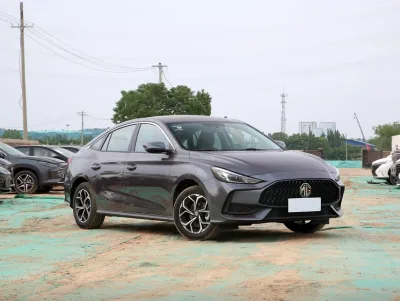
Gray Left-Hand Drive Hybrid Sedan - Eco-Friendly Electric & Gasoline Vehicle
$47000.00 - $54200.00
Moq: 1






Comprehensive Sourcing Guide
Left Steering Wheel Compact Sedan Sourcing Guide
Procuring a left-hand drive compact sedan requires careful alignment of vehicle specifications with target market regulations. The observed product landscape includes models such as the Benz A, Ford Focus, and Benz C, each presenting distinct engineering profiles. Buyers must distinguish between internal combustion, hybrid, and electric powertrains, as the supplied data reveals a mix of gasoline, electric, and dual-fuel configurations. This diversity necessitates precise verification of the drivetrain type to ensure compatibility with local infrastructure and consumer expectations.
The physical dimensions and seating capacity are critical for urban logistics and parking feasibility. Observed wheelbases range from 2705mm to 2789mm, indicating a tight footprint suitable for dense city environments. With body structures consistently noted as four-door five-seat sedans, these vehicles offer practical utility for both personal and commercial fleet use. Sourcing teams should prioritize vehicles with closed body types and specific exterior color options to meet brand identity requirements while maintaining structural integrity.
Product Scope and Observed Listing Signals
The current market signals indicate a high volume of available inventory, with thirty distinct product listings observed. Pricing ranges significantly from 6500 to 75000 USD, reflecting variations in model year, trim level, and powertrain technology. Minimum order quantities vary between one and fifty units, allowing for both single-unit pilot purchases and larger fleet deployments. This flexibility supports buyers in testing market response before committing to substantial capital expenditure on vehicle acquisitions.
Exterior color options are diverse, including gold, red, white, gray, blue, and black, providing aesthetic customization for different regional preferences. The presence of customization availability suggests that suppliers can tailor vehicles to specific corporate or governmental branding needs. Buyers should verify whether color customization affects lead times or incurs additional costs, as these factors can impact overall project budgets and delivery schedules.
Technical Specifications to Verify
Powertrain performance metrics vary considerably across the observed models. Maximum power outputs range from 120 Kw to 130 Kw, while torque figures span from 243 Nm to 270 Nm. These specifications suggest a focus on efficient urban driving rather than high-performance applications. Buyers must verify the actual engine displacement, which is noted to range from 2500-4000CC for some models, to ensure compliance with local emission standards and tax brackets.
Braking and steering systems are critical safety components that require thorough inspection. Observed braking systems include electromagnetic, hydraulic, and disc types, each offering different maintenance profiles and stopping power characteristics. The steering configuration is consistently left-hand drive, aligning with markets in North America, Europe, and parts of Asia. Verification of the gearbox type, predominantly automatic, is essential to ensure smooth operation and driver comfort in stop-and-go traffic conditions.
Compliance and Safety Documentation
Safety features such as Anti-lock Braking Systems (ABS) are standard across the observed listings, providing essential stability during emergency stops. The presence of rear radar systems indicates advanced driver assistance capabilities, which may be required for insurance discounts or regulatory compliance in certain jurisdictions. Buyers must confirm that these safety systems meet the specific technical standards of their target import markets, as certification requirements can vary significantly between regions.
Management certifications, such as ISO standards, are noted for some suppliers, indicating a baseline level of organizational quality control. However, buyers should request specific documentation for each vehicle model to verify compliance with local safety and environmental regulations. This includes verifying that the vehicle’s structural integrity and crashworthiness meet or exceed the mandatory standards of the destination country.
Cost Drivers and Commercial Terms
Packaging methods, such as nude packing or roll-on-roll-off shipping, directly influence logistics costs and vehicle condition upon arrival. Nude packing may reduce shipping volume but requires additional protection measures to prevent damage during transit. Buyers should evaluate the total landed cost, including insurance, freight, and handling fees, rather than focusing solely on the unit price. This holistic approach ensures accurate budgeting and prevents unexpected expenses that can erode profit margins.
Lead times and production schedules are influenced by customization requests and order volume. With MOQs as low as one unit, buyers can negotiate favorable terms for small batches, but larger orders may benefit from volume discounts. It is crucial to establish clear communication channels with suppliers to monitor production progress and address any potential delays proactively, ensuring timely delivery to meet market demand.
Supplier Qualification and Quality Control
Supplier verification should include a thorough review of their manufacturing capabilities and quality assurance processes. Buyers should request evidence of past performance, including references from previous clients and detailed quality control reports. The presence of specific product standards, such as dimensions 463017961459mm, indicates a standardized production process, but buyers must verify that these standards are consistently applied across all units.
Inspection protocols should be established before shipment to ensure that each vehicle meets the agreed-upon specifications. This includes visual inspections for exterior finish, functional tests for electrical and mechanical systems, and verification of documentation accuracy. Engaging third-party inspection services can provide an unbiased assessment of vehicle quality, reducing the risk of receiving non-conforming products and protecting the buyer’s investment.
Long-Term Procurement Checks
Sustainability and after-sales support are critical factors for long-term procurement success. Buyers should inquire about the availability of spare parts and technical support for the specific models being sourced. A robust supply chain for components ensures minimal downtime and maintains vehicle reliability over its operational lifespan. This is particularly important for fleet operators who depend on consistent vehicle availability for their business operations.
Environmental regulations are increasingly stringent, requiring buyers to stay informed about evolving emission standards and recycling requirements. Vehicles with hybrid or electric powertrains may offer advantages in markets with strict environmental policies. Buyers should assess the long-term viability of their chosen models in light of potential regulatory changes, ensuring that their procurement strategy remains compliant and competitive in the future.
FAQs
What is the maximum speed of the left steering wheel compact sedan?
The maximum speed reaches 230 kilometers per hour for the gold exterior model. Other variants like the red sedan achieve 220 kilometers per hour. These speeds depend on the specific model configuration and engine power output available from the manufacturer.
Which drive type is available for the left steering wheel compact sedan?
Front wheel drive is the standard configuration for most models listed. Some specific variants offer rear wheel drive options. Buyers should verify the exact drive mode when selecting a specific vehicle model from the available inventory.
Can the left steering wheel compact sedan be customized?
Yes, customization is available for these vehicles to meet specific buyer requirements. Buyers can request changes to exterior colors or specific features. This flexibility allows for tailored solutions while maintaining the core structural integrity of the sedan body.
What is the weight range for the left steering wheel compact sedan?
The vehicle weight ranges from 1418 kilograms to 1433 kilograms depending on the model. Heavier models often feature larger tires or additional structural components. This weight range ensures stability while maintaining fuel efficiency for the gasoline or hybrid powertrains.
How is the braking system configured in the left steering wheel compact sedan?
Braking systems vary between electromagnetic and hydraulic types across different models. All units are equipped with an Antilock Braking System for safety. Buyers should confirm the specific brake type required for their operational needs before finalizing the purchase order.
What is the minimum order quantity for the left steering wheel compact sedan?
The minimum order quantity ranges from one unit to fifty units depending on the supplier. Specific MOQ values are determined by the manufacturer and the chosen model configuration. Buyers can negotiate terms based on their volume requirements and the specific supplier selected.
Which tire size is standard for the left steering wheel compact sedan?
Standard tire sizes include 205/55 R17 and 235/40 R18 depending on the specific model. Larger wheels are often paired with higher performance variants. The correct tire size must be verified against the vehicle specifications to ensure proper fitment and safety.
What is the origin location for the left steering wheel compact sedan?
The products originate from China as indicated in the product specifications. This location influences shipping logistics and lead times for international buyers. Buyers should account for the origin when planning their supply chain and import procedures.