Source Lifelike Traveller Artificial Plant for Home, Office, Supermarket
Compare 30 listings of Lifelike Traveller Artificial Plant options suitable for indoor and outdoor decoration. Buyers can evaluate models like the SD-39-01 Banana Plant and Sansevieria Snake Plant with varying heights and customization features.
Key considerations
Products List

Export Quality Corrosion-Resistance Lifelike Exquisite Indoor Artificial Large Plant
$10.83 - $72.68
MOQ: 50 Pieces

Lifelike Corrosion-Resistance Elegant 50cm Indoor Artificial Large Plant
$10.83 - $72.68
MOQ: 50 Pieces

Easy-Care Lifelike Vibrant Various Sizes Plastic Fake Indoor Artificial Plant
$10.83 - $72.68
MOQ: 50 Pieces


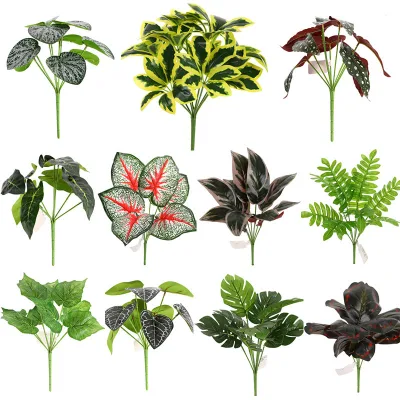


35mm 16 Stitches Artificial Plant Synthetic Plant Landscape Plant for Home Decoration
$5.80 - $6.90
MOQ: 500 Square Meters


Comprehensive Sourcing Guide
Lifelike Traveller Artificial Plant Sourcing Guide
Sourcing high-quality artificial greenery for travel-friendly or compact display applications requires a nuanced understanding of material durability, aesthetic realism, and logistical efficiency. The market for lifelike traveller artificial plants is characterized by a wide variance in simulation quality, ranging from basic plastic foliage to high-end, handcrafted botanicals that mimic natural textures and growth patterns. Buyers must navigate a landscape where "lifelike" is a subjective descriptor, necessitating rigorous verification of material composition, construction techniques, and visual fidelity before committing to bulk orders. This guide provides a structured approach to evaluating suppliers, verifying technical specifications, and ensuring that the final product meets both aesthetic expectations and commercial viability for end-users.
The procurement process for these items is heavily influenced by customization capabilities, packaging constraints, and the specific use cases intended by the buyer, whether for home decor, office environments, or commercial spaces like supermarkets. Because these products are often marketed as eco-friendly or easy to maintain, buyers must critically assess the validity of such claims against the actual material properties, such as plastic composition and cleaning requirements. Furthermore, the ability to customize logos, sizes, and styles plays a pivotal role in brand differentiation, making supplier flexibility a key metric in vendor selection. This guide outlines the essential steps to mitigate risk and secure a supply chain that delivers consistent quality and timely delivery.
Product Scope and Observed Listing Signals
The observed market signals indicate a diverse range of artificial plant products, with prices ranging from $0.24 to $72.68 USD and minimum order quantities (MOQs) varying significantly from 4 to 1000 pieces. This wide price band suggests a spectrum of quality tiers, where lower-priced items may utilize simpler plastic molds and basic assembly, while higher-priced options likely involve more complex handcrafting, realistic texturing, and premium materials. Buyers should interpret these price points as indicators of potential value rather than absolute quality metrics, recognizing that the cost difference often reflects the level of detail, such as the inclusion of realistic leaf veins, varied green shades, and sturdy potting or mounting systems. Understanding this variance is crucial for aligning product selection with target market expectations and budget constraints.
Listing attributes reveal that common materials include plastic, with styles ranging from modern to artificial sansevieria snake plants and banana plants, often available in standardized heights such as 60, 90, 150, 180, 210, and 240 cm. The presence of specific model numbers like SD-39-01 and HFHL016A, along with dimensions like 84/119 cm or 30 cm diameter, highlights the importance of precise specification matching. Additionally, features such as "realistic & lifelike," "high simulation," and "easy to attach" suggest that buyers are prioritizing visual authenticity and ease of installation. However, these claims should be treated as observations rather than guaranteed outcomes, requiring physical sampling to verify the actual tactile and visual experience of the product.
Technical Specifications to Verify
Verifying the physical dimensions and material composition is the first critical step in ensuring the product meets design requirements. Buyers must confirm the exact height, width, and weight specifications, as discrepancies can impact shipping costs and display aesthetics. For instance, products listed with weights of 30g or 68g indicate lightweight, portable options suitable for travel or small spaces, while larger items may require more robust packaging and handling. It is essential to request detailed technical drawings or product sheets that specify the material grade, such as the type of plastic used, and to verify that the color consistency matches the desired aesthetic, particularly for green foliage that needs to appear natural under various lighting conditions.
Construction methods and surface treatments also play a significant role in the longevity and realism of the artificial plant. Handmade processes and weaving techniques often result in higher quality and more natural-looking foliage compared to mass-produced molded items. Buyers should inquire about surface treatments, such as plating or UV-resistant coatings, which can enhance durability and prevent fading when exposed to sunlight. Additionally, the presence of certifications like SGS, CE, UV test, and fireproof test results provides objective evidence of material safety and performance, offering reassurance that the product meets international standards for flammability and environmental impact.
Compliance and Safety Documentation
Compliance with safety and environmental standards is non-negotiable for B2B buyers, especially when products are intended for indoor use in homes, offices, or public spaces. Certifications such as SGS and CE indicate that the product has undergone testing for chemical safety and electrical components, if applicable, ensuring it is free from harmful substances like lead or phthalates. Buyers should request copies of these certificates and verify their validity with the issuing bodies, as counterfeit documentation is a risk in some supply chains. Furthermore, UV test results are crucial for products that may be exposed to sunlight, as they confirm the material's resistance to fading and degradation over time.
Fireproof test results are another critical documentation requirement, particularly for commercial applications where fire safety regulations are strict. Buyers must ensure that the artificial plants meet the relevant flammability standards for their target market, whether it is the European Union, North America, or Asia. Additionally, while some listings mention eco-friendly attributes, buyers should seek clarification on the recyclability of the materials and the environmental impact of the manufacturing process. Understanding the full scope of compliance documentation helps mitigate legal risks and enhances the brand's reputation for safety and sustainability.
Cost Drivers and Commercial Terms
The cost of artificial plants is influenced by several factors, including material quality, customization complexity, and order volume. Customization options, such as logo printing and specific size adjustments, can increase production costs and lead times, so buyers should clearly define their requirements early in the negotiation process. The observed MOQ range of 4 to 1000 pieces suggests that suppliers are flexible, catering to both small trial orders and large bulk purchases. Buyers should leverage this flexibility to negotiate favorable terms, such as reduced MOQs for initial samples or volume discounts for larger orders, while being mindful of the potential impact on unit prices.
Payment terms and lead times are also key commercial considerations that affect cash flow and inventory management. Suppliers offering payment via PayPal provide convenience for smaller orders, but buyers should explore more secure payment methods for larger transactions. Lead times of 10-15 days are typical, but this can vary based on customization requirements and production capacity. Buyers should establish clear communication channels with suppliers to monitor production progress and address any potential delays proactively. Additionally, understanding the packaging standards, such as standardized carton packing for bulk orders, is essential for optimizing logistics and minimizing damage during transit.
Supplier Qualification and Quality Control
Supplier qualification involves assessing the manufacturer's production capabilities, quality control processes, and reputation in the market. Buyers should verify the supplier's origin, such as Zhejiang, China, and inquire about their experience in producing artificial plants for international markets. Requesting references or case studies from previous clients can provide insights into the supplier's reliability and consistency. Additionally, buyers should evaluate the supplier's ability to handle customization requests and their responsiveness to communication, as these factors are critical for a smooth procurement process.
Quality control measures should be implemented at various stages of production, from raw material inspection to final product packaging. Buyers should request samples to evaluate the product's quality firsthand, checking for details such as color accuracy, material texture, and structural integrity. Establishing clear quality standards and inspection criteria with the supplier can help prevent defects and ensure that the final product meets expectations. Implementing third-party inspection services for bulk orders can provide an additional layer of assurance, identifying any issues before shipment and reducing the risk of returns or disputes.
Long-Term Procurement Checks
Long-term procurement success depends on building a sustainable and resilient supply chain that can adapt to changing market demands and customer preferences. Buyers should regularly review supplier performance metrics, such as on-time delivery rates, product quality consistency, and responsiveness to issues. Establishing a partnership based on mutual trust and clear communication can facilitate continuous improvement and innovation in product offerings. Additionally, staying informed about industry trends and emerging technologies in artificial plant manufacturing can help buyers identify new opportunities for differentiation and value creation.
Continuous monitoring of market dynamics and competitor activities is essential for maintaining a competitive edge. Buyers should analyze customer feedback and sales data to identify areas for product improvement or expansion. Engaging in regular dialogue with suppliers about future product developments and potential collaborations can foster innovation and ensure that the supply chain remains aligned with strategic business goals. By prioritizing long-term relationships and strategic planning, buyers can secure a reliable source of high-quality artificial plants that meet the evolving needs of their customers.
FAQs
What sizes are available for the Lifelike Traveller Artificial Plant?
The artificial banana traveller plant is offered in 60, 90, 150, 180, 210, and 240 cm heights, with some potted snake plant styles at 63 cm and wall frames at a 30 cm diameter. Confirm the exact size option with the supplier before ordering, since available specifications can vary between listings.
What is the minimum order quantity for these artificial plants?
The minimum order quantity starts at 4 pieces for some listings, while others require 50 pieces. Small orders are accepted, which makes trial purchases and sample evaluation practical. Always verify the MOQ tied to your chosen size and customization level before confirming an order.
Can I customize the Lifelike Traveller Artificial Plant for my brand?
Yes, customization is available and products are listed as customized-capable, though the current listings show no logo printing by default. Discuss logo placement, packaging, and specification changes with the supplier early, as custom requirements can affect the quoted price and the stated 10 to 15 day lead time.
How long does production and delivery take after ordering?
The listed lead time is 10 to 15 days, supported by the supplier's fast delivery advantage. Bulk orders ship in standardized carton packing. Actual timing can shift with order size and customization, so confirm the schedule for your specific quantity before placing the order.
How should I clean and maintain the artificial plant?
Wipe the plant clean with a dry or slightly damp cloth and avoid soaking it, since the material is plastic and not designed for water immersion. Because the product is waterproof in some styles, outdoor display is possible, but regular gentle dusting keeps it looking realistic and lifelike over time.
Where are these artificial plants manufactured and shipped from?
The products originate from China, with Zhejiang listed as the production origin for the banana plant items. Orders ship in cartons suitable for bulk handling. Buyers outside the region should factor international freight and import requirements into total landed cost and delivery planning.
What payment options are accepted for orders?
PayPal is listed as an accepted payment method, which offers buyers a degree of transaction protection. Payment terms for larger custom orders may differ, so confirm accepted methods, deposit requirements, and balance terms with the supplier before finalizing a purchase agreement.
Which occasions and settings suit these artificial plants best?
They suit home, office, and supermarket decoration, and are used for occasions including Christmas, Easter, Halloween, Thanksgiving, weddings, housewarming, and New Year. Indoor and outdoor applications are both listed. The modern, realistic style makes them versatile year-round decorative pieces.