Source Copier Toner Chip for HP, Sharp, and Laserjet Printers
Find and compare 30 listings for Copier Toner Chip compatible with HP, Sharp, and Laserjet printers. Buyers can review specifications, pricing, and supply details for models including 19A, 219A, and TN114 with options for customization and sample orders.
Key considerations
Products List


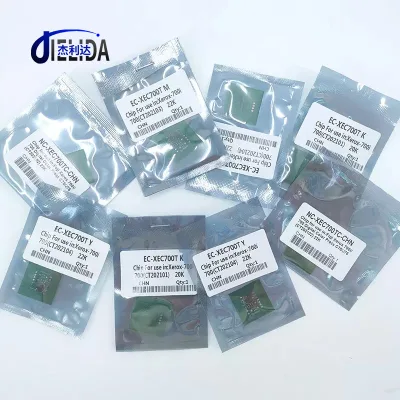
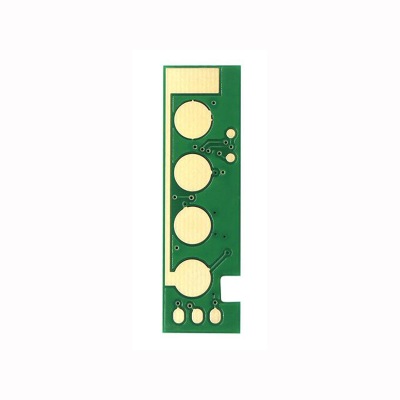
Toner Chip for Cc530A/Cc531A/Cc532A/Cc533A for HP Printer Cartridge Reset
$1.00 - $10.00
MOQ: 100 Pieces




Comprehensive Sourcing Guide
Strategic Sourcing Guide for Copier Toner Chips
Navigating the global market for copier toner chips requires a disciplined approach that balances technical compatibility with rigorous supplier verification. The core keyword "Copier Toner Chip" encompasses a diverse range of components, from universal integration modules to specific replacements for major printer brands like HP and Sharp. Buyers must distinguish between generic observations and verified product attributes to mitigate procurement risks. This guide outlines the critical factors for sourcing these components, focusing on technical specifications, compliance standards, cost structures, and quality assurance protocols derived from current market data.
Technical Specifications and Compatibility Matrix
The technical landscape for toner chips is defined by specific model numbers and printer brand compatibility. Unlike generic consumables, these chips often require precise engineering to communicate with the printer's firmware. Market observations indicate that models such as the IMC300, 19A, 219A, 76A, 276A, AR016, TN114, CF217A/17A, and the CC530A/CC531A/CC532A/CC533A series are prevalent in the supply chain. These identifiers are not merely labels but critical data points for ensuring the chip functions within the intended device architecture.
Compatibility is a primary attribute, with many suppliers offering "Compatible" and "Original" feature sets. The "Universal" edition type suggests a broad applicability across different machine generations, yet buyers must verify this against their specific hardware. For instance, while some chips are designed specifically for HP Laserjet printers, others are engineered for Sharp copiers. The "Integration" combination type indicates that these chips are often part of a broader system, potentially working in tandem with OPC drums or other internal components.
The following table summarizes the observed model variations and their associated printer brand contexts to assist in initial filtering:
| Model Identifier | Primary Printer Brand Context | Feature Classification |
|---|---|---|
| IMC300 | General / Universal | Compatible |
| 19A, 219A, 76A, 276A | HP Laserjet | Compatible, Original |
| AR016 | Sharp | Compatible |
| TN114 | General Copier | Compatible |
| CF217A/17A | HP Series | Compatible |
| CC530A-CC533A | HP Series | Compatible |
Buyers should note that while "Regular" specifications are common, the "Replacement: 1:1" attribute implies a direct swap capability without the need for complex reconfiguration. However, the presence of "Grade a" quality designations and "Defective Rate" metrics suggests that not all chips in the market meet the same performance threshold, necessitating careful selection based on the specific model requirements.
Compliance, Certification, and Quality Standards
In the B2B procurement of electronic components like toner chips, compliance with international standards is non-negotiable for ensuring long-term reliability. The supply chain for these components often cites adherence to ISO 9001, ISO 14001, and CE standards. Specific product listings have referenced ISO9001:2008 and ISO9001, indicating a commitment to quality management systems. Additionally, some suppliers mention SGS standards and STMC certifications, which serve as third-party validations of manufacturing processes.
It is crucial for buyers to verify these certifications rather than accepting them as universal truths for all listed products. The distinction between "Grade A" quality and standard grading is significant; "Grade A" typically denotes a higher tier of performance and consistency. Furthermore, the "Defective Rate" is a critical metric, with observed data showing rates below 0.3% and 0.5% for specific high-quality listings. These figures are not guaranteed for every supplier but serve as a benchmark for what a reputable vendor should aim to achieve.
When evaluating a supplier, procurement teams should request current certification documents. The presence of "ISO 9001" in a product description is a strong indicator of a structured quality management system, but the specific version (e.g., 2008 vs. newer iterations) and the scope of the certification should be confirmed. Similarly, environmental standards like ISO 14001, while noted in background data, should be verified if sustainability is a corporate priority. The "SGS" standard mentioned in specific product attributes provides a concrete reference point for physical and chemical testing compliance.
Cost Drivers and Pricing Dynamics
The pricing structure for copier toner chips is influenced by several variables, including the complexity of the chip, the brand compatibility, and the volume of the order. The observed market price range spans from $0.10 to $62.00 USD. This wide variance reflects the difference between basic reset chips and more sophisticated integration modules that mimic original manufacturer data.
Cost drivers include the "Type" of the component, such as "Toner Chip" versus "OPC Drum" integration, and the "Packing" requirements. Products listed with "Neutral Packing" or "Oat, Nuetral, OEM" options often carry different price points compared to those in "Original Packing" or "Carton" packaging. The "Sample" availability is another cost factor; while samples are accepted, the cost of obtaining them can impact the initial procurement budget.
Buyers must also consider the "MOQ" (Minimum Order Quantity) as a driver of unit cost. The market shows an MOQ range from 1 piece to 100 pieces, with a specific high-confidence observation of 10 pieces for certain models. Lower MOQs, such as 1 piece, allow for smaller initial investments but may result in higher per-unit costs. Conversely, bulk orders often leverage the "Supply Ability" of 100,000 pieces per month to negotiate better pricing. The "Replacement: 1:1" warranty and the low "Defective Rate" also influence the total cost of ownership, as a higher quality chip reduces the risk of costly printer downtime or replacement costs.
Supplier Evaluation and Operational Capabilities
Selecting a reliable supplier is paramount when sourcing electronic components that directly impact printer functionality. Key operational capabilities to evaluate include the "Supply Ability," which has been observed at 100,000 pieces per month for established vendors. This capacity ensures that large orders can be fulfilled without significant delays. The "Delivery Time" is another critical metric, with observed ranges varying from 3 to 5 workdays for small orders to 14 days for larger shipments (20-40gp containers).
Geographic origin is a significant factor in supplier evaluation. The data indicates origins in China, specifically in Shenzhen and Xiamen Fujian. While these regions are hubs for electronics manufacturing, buyers should verify the specific factory location to ensure logistical efficiency. Shipping methods are diverse, with options including "Air Cargo," "Sea Cargo," "Express," and "Door to Door Service." The availability of multiple shipping channels allows buyers to balance speed and cost according to their operational needs.
The "Warranty" period is a strong indicator of supplier confidence. Observed warranties range from 1 year to 18 months. A supplier offering an 18-month warranty demonstrates a higher level of trust in their product's durability compared to those offering only 12 months. Additionally, the "Replacement: 1:1" policy is a standard practice that protects buyers against defective units, ensuring that any non-conforming products are immediately replaced.
Quality Control and Defect Management
Quality control in the toner chip market is defined by strict adherence to defect rates and replacement protocols. The "Defective Rate" is a critical performance indicator, with high-confidence data showing rates below 0.3% and 0.5% for specific product lines. These low defect rates are essential for maintaining printer uptime and preventing damage to the host device. Buyers should demand quality control reports that substantiate these claims, particularly for large volume orders.
The "Quality: Grade a" designation suggests a tiered quality system where only the highest standard products are classified as Grade A. This classification should be verified through third-party testing or supplier audits. The "Replacement: 1:1" policy serves as a safety net, ensuring that any defective chips are replaced at no additional cost. This policy is often coupled with a "Warrenty" (or Warranty) period, which can extend up to 18 months, providing long-term protection for the buyer.
Furthermore, the "Page Yield" attribute, described as "as Original Standard @ 5% Coverage," is a key performance metric. This standard ensures that the chip supports the expected print volume without premature failure. Buyers should verify that the chip's page yield matches the original manufacturer's specifications to avoid unexpected downtime. The "Combination: Integration" feature also plays a role in quality, as integrated chips often undergo more rigorous testing to ensure seamless communication with the printer's internal systems.
Long-Term Procurement and Strategic Considerations
For organizations engaging in long-term procurement of copier toner chips, strategic planning involves more than just transactional purchasing. It requires a focus on supply chain resilience, standardization, and continuous quality monitoring. The "Edition: Universal" type suggests that buyers can streamline their inventory by selecting chips that work across multiple printer models, reducing the complexity of stock management. However, the specific "Model" requirements, such as 19A or 219A, must still be matched precisely to the hardware fleet.
The "Delivery Time" variability, ranging from 3 to 5 workdays for small orders to 14 days for bulk shipments, necessitates careful inventory planning. Buyers should establish safety stock levels based on these lead times to prevent operational disruptions. The "Shipping Ways" diversity, including "Door to Door Service," offers flexibility in logistics, allowing buyers to choose the most cost-effective and reliable method for their specific location.
Finally, the "For Printer Brand" attribute, specifically for HP and Sharp, indicates that buyers should maintain a clear mapping of their printer fleet to the required chip models. This mapping ensures that the "Compatible" and "Original" features are correctly aligned with the hardware. By maintaining a disciplined approach to specification verification, certification checks, and supplier evaluation, buyers can secure a reliable supply of high-quality toner chips that support their printing operations efficiently and cost-effectively. The observed data provides a robust foundation for making informed decisions, but continuous verification of supplier claims remains essential for sustained success.
FAQs
What models of copier toner chips are available?
Available models include IMC300, 19A, 219A, 76A, 276A, AR016, TN114, CF217A, and CC530A series. These chips are designed for specific printer brands like HP and Sharp with universal or regular specifications.
Can I get samples of the copier toner chips?
Samples are accepted for most Copier Toner Chip listings. Buyers can request samples to verify quality before placing larger orders, though specific sample costs may vary by supplier.
What is the minimum order quantity for these chips?
The minimum order quantity ranges from 1 piece to 100 pieces depending on the specific product. Some listings require a minimum of 10 pieces, while others allow single unit purchases.
How long does delivery take for small orders?
Delivery time for small orders is typically 3 to 5 workdays. Larger bulk shipments may require up to 14 days depending on the shipping method and order volume.
What warranty is provided for the copier toner chips?
Warranty periods range from 1 year to 18 months for the copier toner chips. Many suppliers offer a 1:1 replacement policy for defective units within the warranty period.
Which certifications do the manufacturers hold?
Manufacturers often hold ISO9001, ISO9001:2008, SGS, and CE certifications. These standards ensure quality management and compliance with international manufacturing protocols for the electronic components.
What is the defective rate for these products?
The defective rate is observed to be less than 0.3% or 0.5% for high-quality listings. This low rate indicates reliable performance and reduces the risk of printer downtime.
Where are the copier toner chips manufactured?
Products originate from China, specifically in Shenzhen and Xiamen Fujian. These locations are known hubs for electronics manufacturing and supply the global market with various chip models.