Source Light Bulb Holder for Hotel, European, and Manual Switch Uses
Find and compare 30 Light Bulb Holder options featuring ceramic and plastic materials with CE and RoHS certifications. Evaluate specifications like 250V voltage, GU10 base types, and various wire lengths to select the right component for your electrical assembly needs.
Key considerations
Products List
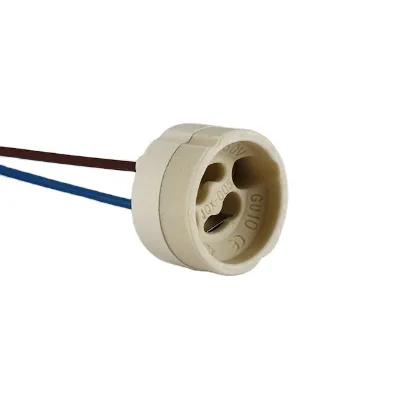


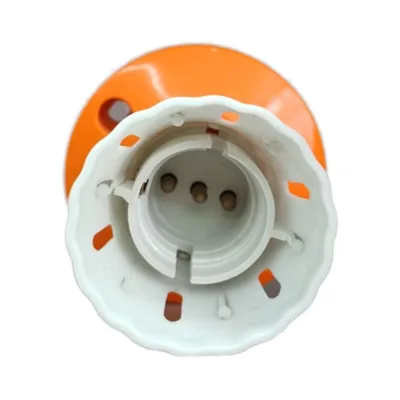


Reliable Plastic Lamp Holder E40 Lamp Holder for LED Bulbs and Lighting
$0.05 - $0.20
MOQ: 1000 Pieces


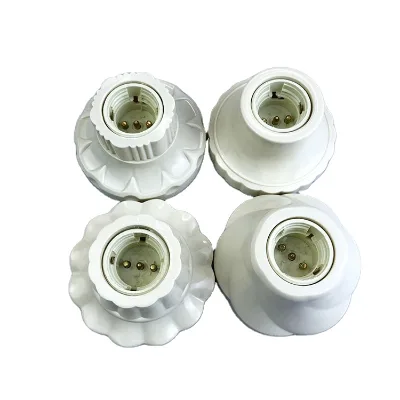
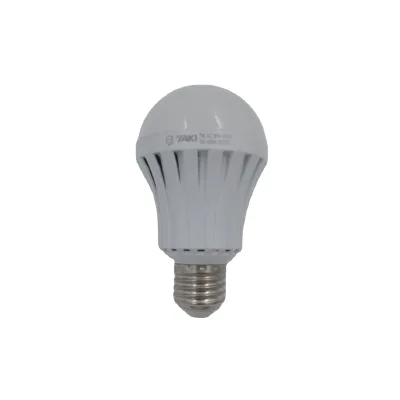


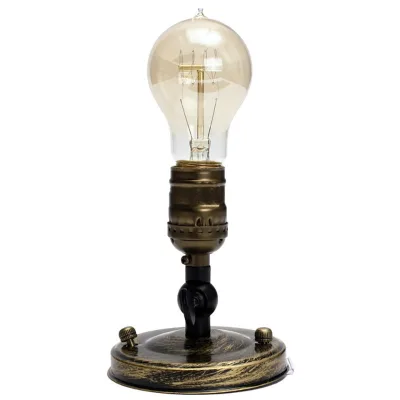


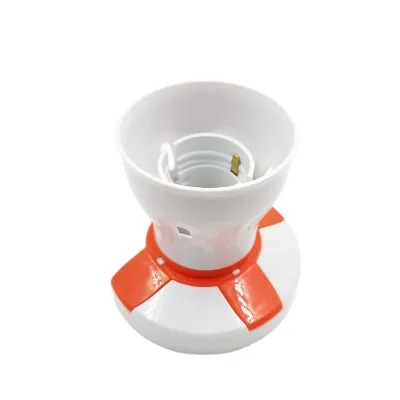
B22 Lighting Modern Design Lampholder
$0.36 - $0.75
MOQ: 5 Pieces
WANSHUN ELECTRICAL & INTELLIGENT MANUFACTURE (GUANGDONG) CO., LTD.


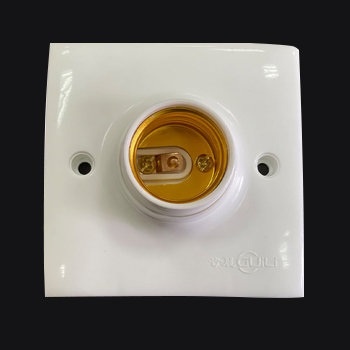
E27 250V Lamp Holder Ceiling Wall Lampholder
$0.26 - $0.28
MOQ: 2400 Pieces
WANSHUN ELECTRICAL & INTELLIGENT MANUFACTURE (GUANGDONG) CO., LTD.


Comprehensive Sourcing Guide
Light Bulb Holder Sourcing Guide
The global market for light bulb holders, particularly the GU10 base type, presents a diverse range of options for B2B buyers seeking components for residential, commercial, and hospitality lighting systems. Based on observed listing signals, these components are frequently marketed with specific attributes such as ceramic or plastic body materials, with ceramic variants often highlighted for their ability to withstand high temperatures up to 300°C. Buyers must navigate a landscape where product descriptions vary significantly, ranging from simple single-item units to customized solutions with specific wire lengths and interface styles, requiring a disciplined approach to specification matching.
Procurement decisions for these components hinge on aligning the physical and electrical characteristics of the supplier's inventory with the intended application environment. The observed data indicates a strong presence of products designed for specific markets like Europe and South America, with voltage ratings typically spanning 220V to 250V. Understanding the distinction between different base types, such as the GU10 screw cap versus other interface styles, is critical, as is verifying the compatibility with specific light sources like E26 LED bulbs or energy-saving lamps to ensure system integrity.
Product Scope and Observed Listing Signals
Buyers should first categorize the available inventory by material composition, as the choice between ceramic and plastic bodies directly impacts thermal performance and durability. The observed product range includes ceramic holders capable of withstanding temperatures up to 300°, which are essential for high-wattage applications or enclosed fixtures where heat dissipation is a concern. Conversely, plastic variants offer a lighter alternative, with specific listings noting a product weight as low as 0.013 kg, making them suitable for applications where weight reduction is a priority, though thermal limits must be strictly verified against the intended load.
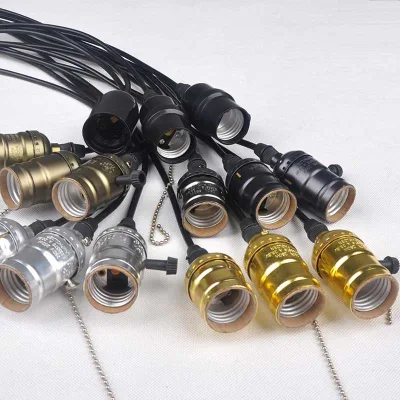
The scope of available configurations extends to various wire lengths and color options, requiring precise selection to match fixture design constraints. Listings indicate wire lengths ranging from 10 cm to 40 cm, allowing for flexibility in installation depth and wiring routing within different housing designs. Color availability spans white, gray, black, ivory, gold, and silver, enabling procurement teams to source components that match aesthetic requirements for hotels, residential spaces, or commercial venues without the need for secondary painting or finishing processes.
Technical Specifications to Verify
Electrical ratings and interface compatibility are the primary technical parameters that must be validated before finalizing any purchase order. The observed voltage ratings of 220V and 250V with a current capacity of 2A define the operational envelope for these holders, and buyers must ensure that the selected unit matches the local grid voltage and the specific wattage of the bulb being used, such as the 250W rated power observed in certain listings. Mismatching voltage or current ratings can lead to premature failure or safety hazards, making it imperative to cross-reference the supplier's technical data sheet with the specific electrical requirements of the project.
Physical dimensions and terminal types also require rigorous verification to ensure seamless integration into the final assembly. The interface style is predominantly described as a screw cap, specifically the GU10 base type, but buyers must confirm the exact terminal configuration, such as the screw-in type observed in specific models, to ensure compatibility with the wiring harness. Additionally, the cable finish, including the specific strip length of 11 mm, and the cable type, such as 18AWG, must be confirmed to guarantee a secure mechanical and electrical connection that meets the mechanical stress requirements of the installation.
Compliance and Safety Documentation
Regulatory compliance is a non-negotiable aspect of sourcing lighting components, with certifications serving as the primary evidence of safety and quality. The observed product listings frequently cite CE, VDE, ETL, CQC, and RoHS certifications, indicating that the manufacturers claim adherence to international safety and environmental standards. Buyers must request valid, up-to-date certification documents for each batch or model, as the presence of a certification mark on a listing does not guarantee that every unit in a large order meets the same rigorous testing criteria.
Environmental and material safety standards are equally critical, particularly for products destined for markets with strict regulations like the European Union. The RoHS certification observed in the data suggests compliance with restrictions on hazardous substances, which is essential for maintaining supply chain integrity in regulated regions. Procurement teams should verify that the material composition, whether ceramic or plastic, aligns with these environmental standards and that the supplier can provide test reports confirming the absence of restricted substances in the final product.
Cost Drivers and Commercial Terms
Pricing for light bulb holders is influenced by a complex interplay of material costs, customization levels, and order volume, with observed price ranges spanning from $0.04 to $8.00 USD. The significant variance in price often reflects differences in material quality, such as the cost differential between standard plastic and high-temperature ceramic, as well as the inclusion of additional features like specific wire lengths or custom branding. Buyers should analyze the cost per unit in the context of the total order value, understanding that lower prices may correlate with standard configurations while higher prices often indicate premium materials or specialized customization.
Minimum Order Quantities (MOQ) and lead times are key commercial terms that affect inventory planning and cash flow management. The observed MOQ range is broad, extending from 5 units to 50,000 units, allowing flexibility for both small-scale prototyping and large-scale production runs. However, buyers must negotiate these terms carefully, as high-volume orders may offer better unit pricing but require significant upfront capital and storage capacity. Additionally, the availability of OEM services and customization options should be factored into the total cost of ownership, as these services often incur additional setup fees or longer lead times.
Supplier Qualification and Quality Control
Supplier qualification should begin with a thorough review of their manufacturing capabilities and quality assurance processes, particularly regarding their ability to maintain consistency across large production runs. The observed data indicates that many suppliers offer customization and OEM services, suggesting a level of flexibility in their production lines. Buyers should verify the supplier's track record in delivering products that meet the specified voltage, temperature, and material requirements, ensuring that their quality control protocols are robust enough to prevent defects such as loose terminals or inconsistent wire lengths.
Quality control checks must extend beyond the initial sample approval to include ongoing monitoring of production batches. Given the critical nature of electrical components, buyers should implement a sampling plan that tests for electrical continuity, thermal resistance, and mechanical strength. The observed warranty periods of up to three years suggest that reputable suppliers stand behind their products, but buyers should clarify the terms of this warranty, including what constitutes a defect and the process for claims, to ensure adequate protection against potential quality issues.
Long-Term Procurement Checks
Sustaining a successful procurement relationship requires regular audits of supplier performance and product consistency over time. Buyers should establish a schedule for periodic quality reviews, checking that the products delivered continue to meet the original specifications for voltage, material, and certification status. This proactive approach helps identify any drift in quality or changes in manufacturing processes that could impact the reliability of the lighting systems, ensuring that the supply chain remains stable and compliant with evolving market standards.
Market dynamics and regulatory changes also necessitate a long-term strategy for supplier management and product evolution. As regulations regarding energy efficiency and environmental impact tighten, buyers must stay informed about new standards that may affect the suitability of current product lines. Maintaining open communication with suppliers regarding upcoming regulatory changes and potential product upgrades ensures that the procurement strategy remains agile and capable of adapting to new requirements without disrupting the supply chain or compromising product safety.
FAQs
What certifications do these light bulb holders have?
These light bulb holders typically carry CE, VDE, ETL, and CQC certifications. Some models also include RoHS compliance for environmental safety. Buyers should verify specific certification documents for each supplier to ensure they meet local regulatory requirements for electrical components and safety standards.
What materials are used for the Light Bulb Holder body?
The body material is primarily ceramic or plastic, with some aluminum options available. Ceramic versions offer high heat resistance up to 300 degrees Celsius. Plastic variants provide cost-effective solutions for lower power applications. The choice depends on the thermal requirements of the installed light source.
Can I customize the cable length for these sockets?
Yes, customization is available for cable lengths. Standard options include 10CM, 15CM, 20CM, 30CM, and 40CM wires. Buyers can request specific lengths to fit their fixture designs. Confirm the customization policy and any potential cost implications with the manufacturer before placing the order.
What is the voltage rating for these lamp holders?
The voltage rating is generally 220V or 250V with a 2A current capacity. This makes them suitable for standard household and commercial lighting applications. Ensure the selected model matches your local electrical grid voltage to prevent damage or safety hazards during operation.
What is the typical MOQ for these products?
The minimum order quantity ranges from 5 to 50,000 units depending on the supplier and customization level. Standard items may have lower MOQs, while custom specifications might require higher volumes. Check individual supplier listings for precise MOQ requirements to align with your procurement budget.
Are these light bulb holders suitable for hotel applications?
Yes, these holders are applicable for hotel environments. They are designed for durability and safety in commercial settings. The available styles and certifications ensure they meet hospitality industry standards for lighting fixtures. Verify specific model suitability for your project requirements with the supplier.