Source Lightweight Aluminium Alloy Tent Peg for Camping Hiking Beach
Find 30 listings for Lightweight Aluminium Alloy Tent Peg designed for outdoor stability. Buyers can compare specifications like weight, length, and material grade across multiple suppliers to select the right anchor for their gear.
Key considerations
Products List
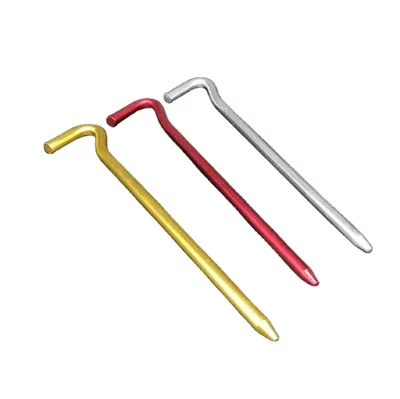
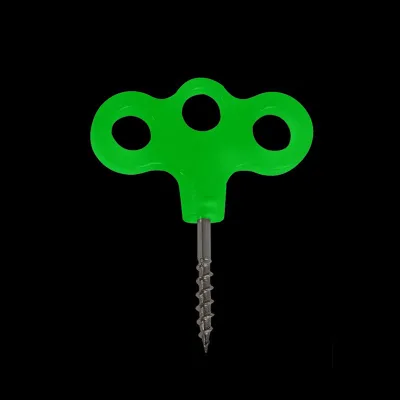
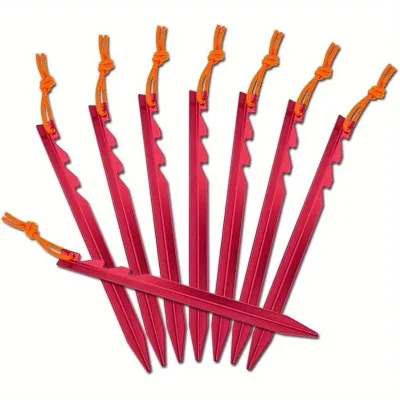
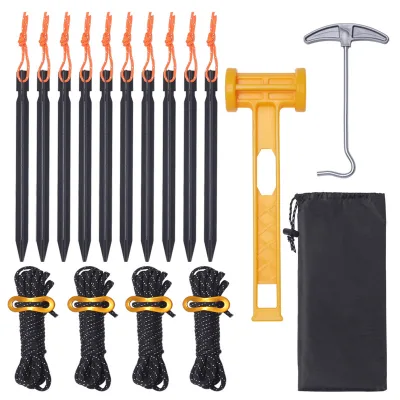
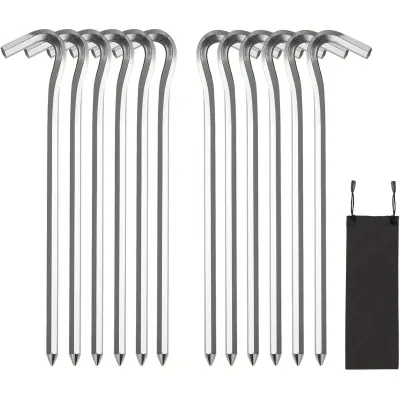
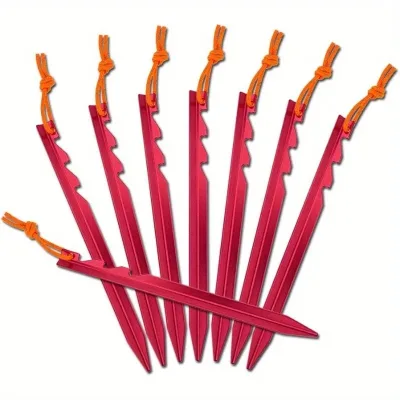
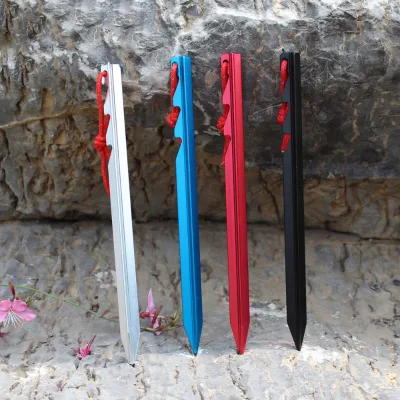
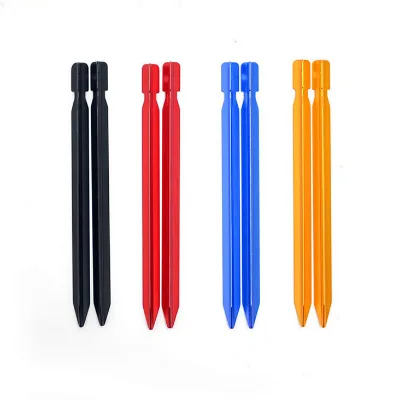
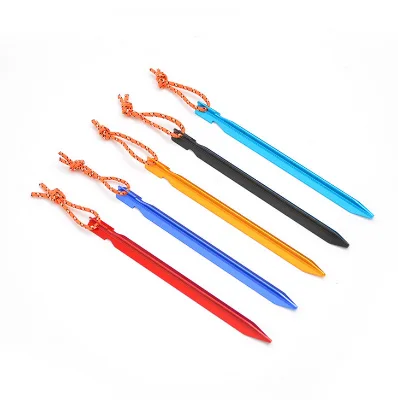
Lengthen Aluminum Alloy Y Shaped Tent Stakes Tent Pegs for Camping Hiking
$0.22 - $0.25
MOQ: 100 pieces
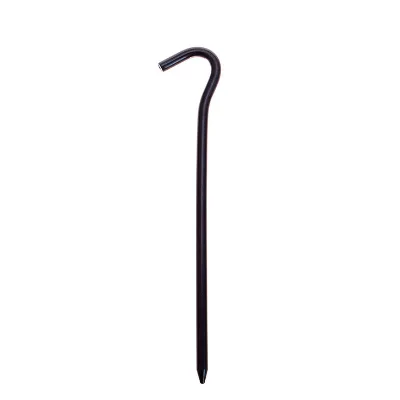


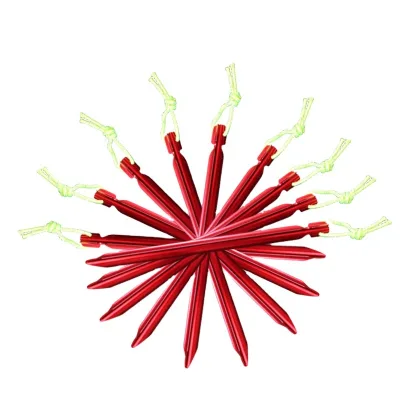
New Design Easy Locking Adjustable Fixing Pegs Anti Slip Camping Tent Stakes
$0.16 - $0.18
MOQ: 10000 Pieces


Comprehensive Sourcing Guide
Strategic Sourcing Guide for Lightweight Aluminium Alloy Tent Pegs
Understanding the Technical Profile of Aluminium Alloy Tent Pegs
The core keyword "Lightweight Aluminium Alloy Tent Peg" points to a critical component in outdoor gear supply chains, where the balance between structural integrity and portability is paramount. Based on observed product attributes in the current market, these stakes are predominantly manufactured from specific grades of aluminium, such as Aluminum 6061, which offers an optimal strength-to-weight ratio. The physical dimensions observed in high-volume listings indicate a standard diameter of 6mm, though some variations exist with diameters reaching 1cm. The length of these stakes typically ranges from 18cm to 23cm, with specific models like the TP3036 and TP006 adhering to the 18cm standard.
The weight of individual units is a primary differentiator for lightweight applications. Market data shows single-unit weights ranging from 14g to 19g, with specific models noted at 16g. This reduction in mass is essential for hikers and backpackers who prioritize gear weight. The material composition is consistently identified as an alloy, distinct from pure aluminium or steel, providing corrosion resistance necessary for outdoor environments. The color finish is frequently observed as silver, though black, red, and yellow options are available for customization. The gross weight per carton for bulk shipments is typically around 8.5kg, with a packing density of 500 pieces per carton, indicating efficient logistics planning for large orders.
Compliance, Certification, and Material Verification
When sourcing aluminium alloy tent pegs, verifying material composition and compliance with industry standards is a critical step that goes beyond simple visual inspection. While specific certification documents are not universally listed in all product descriptions, buyers must demand proof of material grade. The observed use of Aluminum 6061 suggests a standard alloy known for its machinability and strength, but procurement teams should verify that the supplier can provide mill certificates or third-party lab reports confirming the chemical composition and tensile strength of the metal used.
Waterproof standards are another area of verification. Although the product attributes list "Waterproof Standard: Waterproof," this is often a marketing term for the coating or finish rather than a formal ISO certification. Buyers should clarify what specific tests validate this claim, such as salt spray testing for corrosion resistance, which is vital for beach or coastal camping applications. The "Place of Origin" data reveals manufacturing hubs in Zhejiang, Anhui, and Jiangsu provinces in China. While these regions are known for metalworking, the specific factory's quality management system (e.g., ISO 9001) should be confirmed to ensure consistent production quality.
Furthermore, the "Customized Support" attributes of ODM, OBM, and OEM indicate that many suppliers offer branding and design flexibility. However, this customization must not compromise the structural integrity of the peg. Buyers should ensure that any custom logos or color applications do not interfere with the surface treatment that provides corrosion resistance. The "Single Package Size" varies between 20x6x5 cm and 25x5x5 cm, which impacts how the product is tested for shipping durability. Ensuring that the packaging protects the stakes from bending during transit is a key compliance check for the logistics provider.
Cost Drivers and Pricing Dynamics in the Market
The pricing structure for lightweight aluminium alloy tent pegs is influenced by several variables, including material costs, order volume, and customization requirements. The observed listed price range in the market spans from $0.04 to $50 USD. This wide variance suggests that the lower end of the spectrum likely represents bulk unit pricing for standard, unbranded items, while the higher end may include premium packaging, custom branding, or specialized packaging solutions. The Minimum Order Quantity (MOQ) observed ranges from 10 pieces to 10,000 pieces, indicating a highly flexible supply chain that accommodates both small startups and large retailers.
Material costs are a primary driver. The use of Aluminum 6061 is generally more expensive than standard steel or lower-grade alloys, but the weight savings justify the cost for outdoor enthusiasts. The weight of the product, ranging from 14g to 19g, directly correlates with the amount of raw material used. A heavier stake might be cheaper per unit due to volume, but a lighter stake requires more precise manufacturing to maintain strength, potentially increasing the unit cost. The "Gross Weight per Carton" of 8.5kg and the "Packing" of 500 pieces per carton suggest that economies of scale are significant. Buyers ordering in full cartons will likely see a lower cost per unit compared to those ordering mixed SKUs or partial cartons.
Customization is another significant cost factor. Suppliers offering ODM, OBM, and OEM services often charge setup fees for mold creation or logo application. The "Logo: Accept Customized Logo" attribute implies that branding adds value but also cost. Additionally, the "Color" options, which include black, red, and yellow, may require different anodizing or painting processes, affecting the final price. Buyers should request a detailed breakdown of costs, separating the base material cost, processing fees, and any customization charges, to understand the true cost drivers.
Typical Applications and Usage Scenarios
The versatility of lightweight aluminium alloy tent pegs makes them suitable for a wide array of outdoor activities. The "Application" attributes explicitly list Outdoor, Beach, Hiking, Camping, and Travelling, highlighting their broad utility. The "Outdoor Activity" is further specified as "TOUR," suggesting suitability for organized group trips or expeditions. The "Usage" is defined as "Anchor a tent," which is the primary function, but the design also supports securing guy lines and tarps.
For beach camping, the "Waterproof Standard" and corrosion-resistant aluminium alloy are essential. Saltwater environments can rapidly degrade steel stakes, making aluminium the preferred choice. The "Season: All Seasons" attribute indicates that these pegs are designed to perform in various weather conditions, from summer heat to winter cold. The "Portable" feature is particularly relevant for hikers and backpackers who need to minimize pack weight. The "Product Name: Tent pole accessories" and "Product Name: Tent Peg" suggest that these items are often sold as part of a larger tent system or as replacement parts for existing gear.
The "Application: Camping Shovel" attribute in some listings indicates a potential confusion or a specific product line that combines functions, but the primary focus remains on anchoring. The "Type: Tent Peg" confirms the classification. Buyers should consider the specific terrain of their target market. For rocky ground, the 6mm diameter and 18cm length provide a good balance of penetration and holding power. For soft sand, longer stakes or different shapes might be required, though the standard 18cm to 23cm range covers most general camping scenarios.
Supplier Evaluation and Manufacturing Capabilities
Evaluating suppliers for aluminium alloy tent pegs requires a deep dive into their manufacturing capabilities and supply chain stability. The "Place of Origin" data points to three distinct provinces: Zhejiang, Anhui, and Jiangsu. Each region has its own industrial strengths. Zhejiang is known for its robust manufacturing infrastructure, while Anhui and Jiangsu also have significant metalworking sectors. Buyers should verify the specific factory location to ensure it aligns with their quality expectations.
The "MOQ: 10 Pcs" and "MOQ: 10000" range indicates that suppliers cater to different market segments. Small MOQs are ideal for testing new designs or for small retailers, while high MOQs are necessary for large-scale distribution. The "Customized Support: ODM, OBM, OEM" attributes suggest that suppliers are flexible in their business models. Buyers should assess whether the supplier has the capacity to handle their specific volume requirements without compromising quality. The "Brand Name" varies between "xw" and "OEM," indicating that some suppliers sell their own brands while others focus on private labeling.
Quality control processes are critical. The "Single Gross Weight" of 0.100 kg and "Product Weight" of 16g suggest precise manufacturing tolerances. Buyers should request samples to verify the weight and dimensions against the specifications. The "Packing: 500pcs/carton" and "Packing: Opp Bag" options indicate different packaging strategies. Bulk packing is cost-effective, while individual OPP bags offer better protection and presentation for retail. The "Single Package Size" variations (20x6x5 cm vs 25x5x5 cm) also impact shipping costs and storage efficiency.
Quality Control and Long-Term Procurement Considerations
Maintaining consistent quality in aluminium alloy tent pegs is essential for long-term procurement success. The "Feature: portable" and "Weight: 14g" to "19g" range highlight the need for precise manufacturing. Buyers should implement a rigorous quality control plan that includes checking the diameter, length, and weight of random samples from each batch. The "Thickness: no" attribute suggests that thickness might not be a primary specification, but the wall thickness of the tube is critical for strength. Buyers should verify that the stakes do not bend or break under typical load conditions.
Long-term procurement considerations involve building a relationship with a supplier who can scale with demand. The "Capacity: no" attribute indicates that capacity data might not be readily available, so buyers should explicitly ask about production capacity and lead times. The "Lead time" is not specified in the provided data, but it is a critical factor for inventory planning. Buyers should negotiate clear lead time agreements to avoid stockouts during peak seasons.
Sustainability is another emerging consideration. The use of aluminium alloy is generally more sustainable than steel due to its recyclability. Buyers should inquire about the supplier's environmental practices and whether they use eco-friendly packaging. The "Logo: Accept Customized Logo" attribute allows for branding that can communicate sustainability values to consumers. Finally, the "Application: Camping Shovel" attribute in some listings suggests that buyers should be cautious of product confusion and ensure they are ordering the correct item for their specific needs. Clear communication of specifications is key to avoiding errors in large orders.
Comparative Analysis of Key Product Specifications
To assist buyers in making informed decisions, the following table summarizes the key specifications observed in the market for lightweight aluminium alloy tent pegs. This comparison highlights the variations in dimensions, weight, and packaging that influence procurement choices.
| Specification | Model TP3036 | Model TP006 | Model TP003 | General Range |
|---|---|---|---|---|
| Material | Aluminum Alloy | Aluminum 6061 | Aluminum Alloy | Aluminum Alloy |
| Diameter | 6mm | 6mm | 1cm | 6mm - 1cm |
| Length | 18cm | 18/23cm | 18/23cm | 18cm - 23cm |
| Weight (Single) | 16g | 14g | 18/19g | 14g - 19g |
| Color | Silver | Black, Red, Yellow, Others | Silver/Custom | Silver, Black, Red, Yellow |
| Packing | 500pcs/carton | Opp Bag | 25x5x5 cm | 500pcs/carton, Opp Bag |
| Place of Origin | Zhejiang, China | Jiangsu, China | Anhui, China | Zhejiang, Anhui, Jiangsu |
| MOQ | 10 Pcs | 10 Pcs | 10 Pcs | 10 - 10,000 Pcs |
This table illustrates that while the core material and function remain consistent, there are significant variations in diameter and weight that buyers must consider based on their specific application requirements. The "Model Number" serves as a unique identifier for these variations, ensuring that buyers can specify exactly what they need when placing orders. Understanding these nuances is essential for successful procurement in the competitive outdoor gear market.
FAQs
What material grade is used for these tent pegs?
The tent pegs are made from Aluminum 6061 alloy, which provides an optimal strength-to-weight ratio for outdoor use. This specific grade ensures corrosion resistance and durability across all seasons while keeping individual unit weights between 14g and 19g for portability.
How long are the standard lightweight aluminium alloy tent pegs?
Standard models like TP3036 and TP006 typically measure 18cm in length, though some variations extend to 23cm. These dimensions are designed to anchor tents securely in various terrains while maintaining a compact profile for backpacking and hiking applications.
Which suppliers offer customization for these tent pegs?
Many suppliers provide ODM, OBM, and OEM services allowing for customized logos and colors like black, red, or yellow. Buyers can request specific branding or packaging options, but they must verify that surface treatments do not compromise the waterproof and corrosion-resistant properties of the alloy.
Can I order small quantities of these aluminium tent pegs?
Yes, minimum order quantities can be as low as 10 pieces, accommodating small startups or sample testing. Larger orders often follow bulk packing standards of 500 pieces per carton, which helps reduce shipping costs and improves logistics efficiency for larger retailers.
Where are these lightweight aluminium alloy tent pegs manufactured?
Manufacturing locations include Zhejiang, Anhui, and Jiangsu provinces in China, which are known for metalworking capabilities. Buyers should verify the specific factory location to ensure quality management systems are in place for consistent production of these outdoor gear components.
What is the typical weight of a single tent peg unit?
Individual units weigh between 14g and 19g, with specific models noted at 16g. This lightweight design is critical for hikers and backpackers who prioritize minimizing gear weight while still requiring a durable stake capable of anchoring tents in diverse environments.