Source Lightweight Aluminum Tool Box with Handle and Wheel for Hardware, Construction, and Automotive Use
Find 30 listings for a Lightweight Aluminum Tool Box with Handle and Wheel designed for hardware, construction, and automotive applications. Buyers can compare specifications including capacity, material, and customization options to select the right case for their needs.
Key considerations
Products List


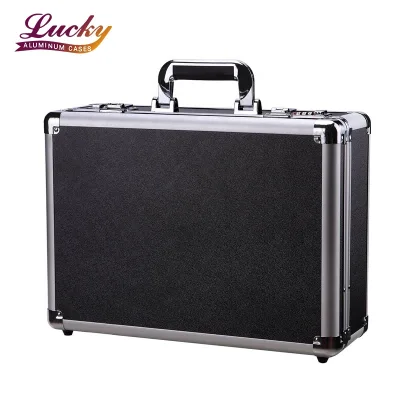


$42.00 - $65.00
MOQ: 100 Pieces


High Quality Factory Cost Tool Storage Box, Portable Aluminum Tool Box
$200.00 - $1000.00
MOQ: 10 Pieces
Comprehensive Sourcing Guide
Strategic Sourcing Guide for Lightweight Aluminum Tool Boxes with Handle and Wheel
Understanding Product Attributes and Material Composition
When sourcing a Lightweight Aluminum Tool Box with Handle and Wheel, the primary objective is to identify equipment that balances durability with portability. The core material for these units is consistently identified as aluminum alloy or aluminum, often reinforced with metal components to ensure structural integrity. In the current market, buyers will encounter variations where the primary structure utilizes an aluminum profile, sometimes combined with an aluminum and MDF panel configuration to reduce weight while maintaining rigidity. The hardness of the material is typically noted as partial hard, a characteristic that allows for sufficient impact resistance without becoming overly brittle.
A critical distinction in this category is the weight profile. Products are frequently described as lightweight, with gross weight specifications often falling between 0.5 and 1 kg for smaller units. However, capacity varies significantly; some units are designed for super capacity, while others are categorized as medium capacity. The load-bearing capability, specifically the bearing capacity, is a vital metric for users who intend to transport heavy tools. Observed data suggests a bearing capacity range of 2-3 kg for certain models, which implies that while the case itself is light, the internal load capacity must be carefully matched to the specific tools being transported.
The construction often involves a combination of materials. While the frame is aluminum, the lining is frequently described as EVA (Ethylene-Vinyl Acetate) veneer, which can be customized or standard. This lining is essential for shock absorption. Some variations may include leather or wood elements, though the dominant trend for this specific keyword points toward aluminum and metal composites. The style of the unit is predominantly hand-held or wheeled, offering flexibility in how the equipment is moved. The type of enclosure is generally classified as a box, case, or a specialized aluminum frame tool case, often featuring a single shoulder design for ergonomic carrying.
Technical Specifications and Customization Capabilities
The technical landscape of aluminum tool cases is defined by a high degree of customization. Buyers should expect that specifications such as size, color, and internal layout are often flexible. The model numbers associated with these products can range widely, from specific identifiers like czjy467 or HLT-ZHG-102 to broader series such as Jy-T01 through Jy-T13. This variety indicates that manufacturers produce a wide array of sizes, from middle-sized units to those capable of holding specialized equipment.
Customization is a standout feature in this sector. The product properties explicitly state that customization is available, including logo printing and logo customization. This allows businesses to brand their tool cases for corporate identity or specific project requirements. The mold cost for these customizations is often listed as free, which is a significant cost-saving factor for buyers ordering in volume. The specifications can be tailored to meet specific needs, with options for "any size and color" as requested by the buyer.
The packaging and shipping specifications are equally important for logistics planning. Products are typically packed in cartons, on pallets, or in a combination of carton and pallet configurations. The standard shipping packaging can be customized, ensuring that the tool cases are protected during transit. The type of packing is often described as standard shipping packaging or customized, depending on the order volume and destination. For heavy-duty applications, the case type may be classified as heavy duty, ensuring that the aluminum frame can withstand rough handling.
Compliance, Certification, and Safety Standards
In the B2B procurement of industrial tool cases, verifying compliance and certification is non-negotiable. The market data indicates that products often carry the CE standard, a crucial certification for entry into the European market and a general indicator of safety and quality compliance. However, buyers must verify that the specific supplier's batch adheres to these standards, as the "standard specifications or customized" note implies that compliance may vary based on the specific order configuration.
Waterproofing is another critical performance attribute. Many aluminum tool cases are marketed as waterproof and shockproof, designed to protect sensitive tools from environmental hazards. The function of the case is explicitly listed as waterproof and shockproof, suggesting that the seals and latching mechanisms are engineered to prevent water ingress. Buyers should request test results or specific sealing specifications to confirm the IP rating or equivalent water resistance level, as the term "waterproof" can be interpreted differently across different manufacturing standards.
Safety and durability are further reinforced by the locking mechanisms. The accessories typically include plastic core locks and handles, which are essential for securing the contents. While the locks are functional, buyers should evaluate the security level required for their specific use case. The standard specifications may vary, and it is advisable to confirm that the locking mechanisms meet relevant industry safety standards for the intended application, whether for construction, automotive repair, or general hardware storage.
Cost Drivers and Pricing Dynamics
The pricing for lightweight aluminum tool boxes with handle and wheel is influenced by several factors, including material quality, customization level, and order volume. The observed price range in the market spans from 1 to 1300 USD, reflecting the vast difference between basic, small-scale units and large, highly customized heavy-duty cases. The Minimum Order Quantity (MOQ) also varies significantly, ranging from 1 to 200 units. This flexibility allows small businesses to test the market with low-volume orders while larger enterprises can negotiate better rates for bulk purchases.
The cost drivers include the complexity of the customization. While mold costs are often free, the setup for specific logo printing, custom internal layouts, or unique dimensions can impact the final price. The material composition is a primary cost factor; aluminum alloy is generally more expensive than plastic or wood alternatives, but it offers superior durability and weight-to-strength ratios. The inclusion of high-quality EVA lining and robust locking mechanisms also adds to the cost.
Buyers should be aware that the "lightweight" attribute does not necessarily imply low cost. High-grade aluminum alloys and precision engineering to achieve a balance between weight and strength can command a premium. Additionally, the origin of the product, often cited as China, specifically regions like Jiangsu or Qingdao, can influence shipping costs and lead times. The location of the supplier affects the overall landed cost, and buyers should factor in logistics when comparing the 1-1300 USD price range.
Typical Applications and Usage Scenarios
The versatility of lightweight aluminum tool boxes makes them suitable for a wide range of applications. The primary usage is for hardware tools and hand tools, making them ideal for mechanics, electricians, and construction workers. The single shoulder design and wheeled options cater to professionals who need to transport tools over varying distances, from a workshop to a job site. The waterproof and shockproof features are particularly valuable in outdoor environments where tools are exposed to rain, dust, and rough handling.
In industrial settings, these cases are used to organize and protect specialized equipment. The "super capacity" and "medium capacity" options allow for the storage of extensive tool sets, ensuring that all necessary items are kept together and secure. The ability to customize the internal layout means that these cases can be tailored to fit specific tool shapes and sizes, maximizing space efficiency. The "hand-held" and "wheeled" styles provide options for different mobility needs, whether the user needs to carry the case by hand or roll it across a large facility.
The unisex nature of these products ensures they are suitable for all users, regardless of gender. The lightweight design reduces physical strain, making them accessible for a broader range of workers. The specific model numbers and specifications allow buyers to select the exact case that fits their operational requirements, whether for a small team or a large fleet of workers. The aluminum frame tool case is particularly favored in industries where durability and portability are paramount.
Supplier Evaluation and Quality Control Protocols
Evaluating suppliers for aluminum tool cases requires a focus on their ability to meet customization and quality standards. Buyers should verify the supplier's location, as origins like Jiangsu and Qingdao are known for manufacturing capabilities in this sector. The presence of specific model numbers and the ability to provide "any size and color" options indicate a flexible manufacturing process. However, buyers must ensure that the supplier has a robust quality control system in place to maintain consistency across batches.
Quality control should focus on the integrity of the aluminum frame, the effectiveness of the waterproof seals, and the durability of the locking mechanisms. Buyers should request samples to test the bearing capacity and shockproof performance. The "partial hard" nature of the material should be verified to ensure it meets the required impact resistance. Additionally, the customization process, including logo printing and internal lining, should be inspected for precision and finish.
When evaluating suppliers, buyers should look for those who offer free mold costs and flexible MOQs, as these are indicators of a supplier willing to accommodate different order sizes. The ability to provide standard shipping packaging or customized options is also a sign of a mature supplier. Buyers should avoid suppliers who cannot provide clear information on their production standards or who lack transparency regarding their material sourcing.
Long-Term Procurement Considerations and Strategic Sourcing
Long-term procurement of lightweight aluminum tool boxes involves more than just the initial purchase price. Buyers should consider the lifecycle of the product, including its durability and the ease of maintenance. The aluminum construction generally offers a long lifespan, but the quality of the hinges, locks, and wheels will determine the longevity of the case. Investing in high-quality cases can reduce replacement costs over time.
Strategic sourcing also involves building a relationship with suppliers who can scale with the buyer's needs. The wide range of MOQs (1-200) suggests that suppliers can accommodate growth, but buyers should negotiate terms that allow for volume discounts as orders increase. The availability of customization options means that as the company's branding or operational needs change, the tool cases can be updated without significant additional cost.
Finally, buyers should consider the environmental impact and sustainability of the materials used. Aluminum is a recyclable material, and choosing suppliers who prioritize sustainable manufacturing practices can align with corporate social responsibility goals. The waterproof and shockproof features ensure that tools are protected, reducing waste from damaged equipment. By focusing on these long-term factors, buyers can ensure a sustainable and cost-effective procurement strategy for their tool storage needs.
FAQs
Can I customize the logo on these aluminum tool cases?
Yes, logo printing and logo customization are available for these cases. The mold cost for these customizations is typically free, allowing businesses to brand their tool cases for corporate identity or specific project requirements without additional setup fees.
What materials are used to construct these lightweight tool boxes?
The primary materials include aluminum alloy, metal, and sometimes leather or wood components. The frame often utilizes an aluminum profile, and the lining is frequently described as EVA veneer, which provides shock absorption and durability for the internal contents.
How much weight can these tool cases typically bear?
The bearing capacity for certain models is observed to be between 2 and 3 kg. While the cases themselves are lightweight, with gross weights often ranging from 0.5 to 1 kg, users must match the internal load capacity carefully to the specific tools being transported.
Are these tool cases waterproof and shockproof?
Yes, the function of these cases is explicitly listed as waterproof and shockproof. They are designed with seals and latching mechanisms to protect sensitive tools from environmental hazards like rain and dust, though specific sealing specifications should be verified for critical applications.
What certifications do these aluminum tool cases hold?
Products in this category often carry the CE standard, indicating compliance with safety and quality requirements for the European market. However, buyers should verify that specific batches adhere to these standards, as compliance may vary based on the specific order configuration and customization.
What is the minimum order quantity for these tool cases?
The minimum order quantity ranges from 1 to 200 units, offering flexibility for different business sizes. Small businesses can test the market with low-volume orders, while larger enterprises can negotiate better rates for bulk purchases within this observed MOQ range.
Can I request specific sizes and colors for these cases?
Yes, specifications such as size and color can be tailored to meet specific needs, with options for any size and color as requested. The model numbers range widely, indicating that manufacturers produce a wide array of sizes from middle units to specialized equipment cases.