Source Lightweight Locking D-Shape Carabiner for Outdoor, Industrial, and Heavy Industry
Explore 30 listings for the lightweight locking d-shape carabiner suitable for outdoor, industrial, and heavy industry applications. Buyers can compare specifications like load capacity, material, and customization options from verified suppliers in China.
Key considerations
Products List


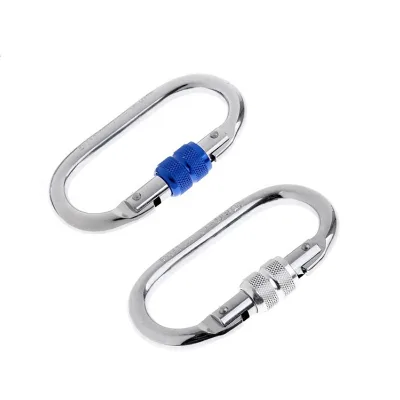
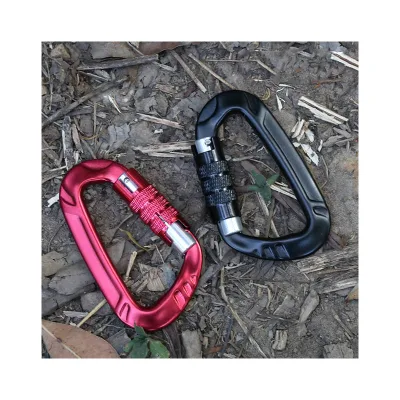
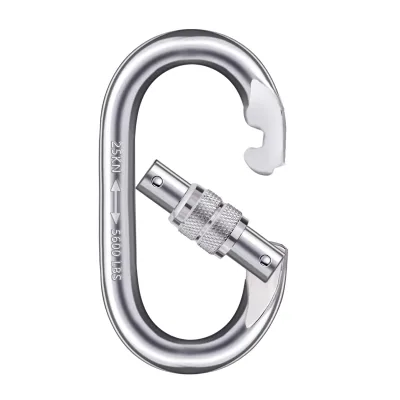
12KN Auto Locking Carabiner Clips D Shape Aluminium Carabiners Caribeaners
$1.80 - $1.95
MOQ: 100 Minimum


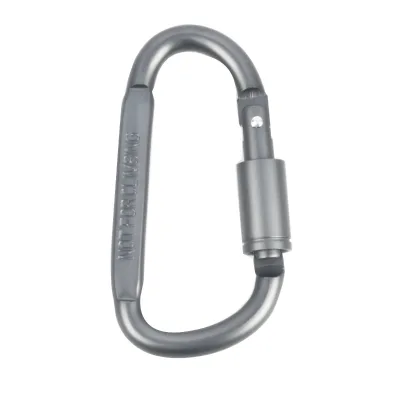
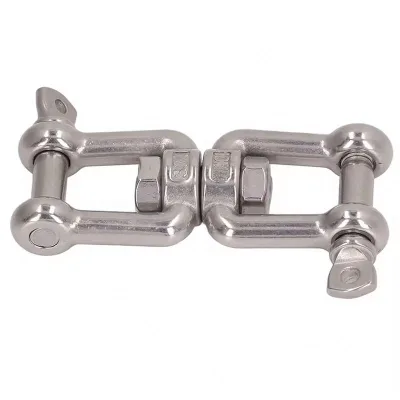
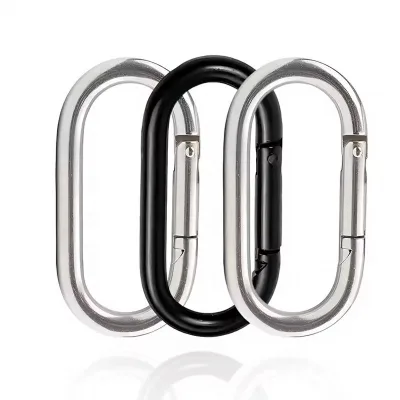
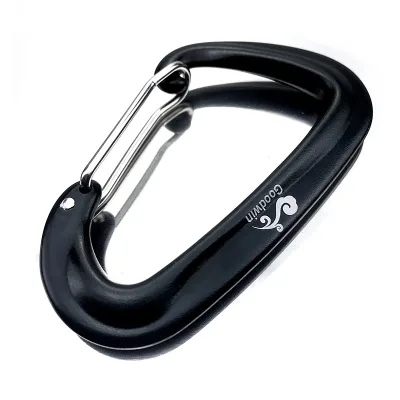
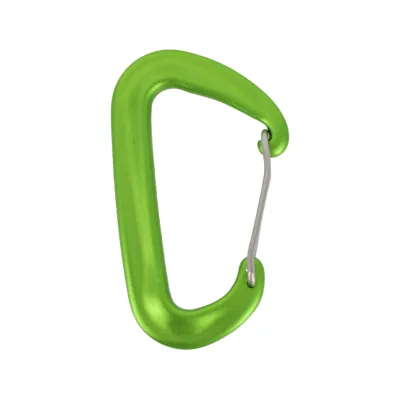


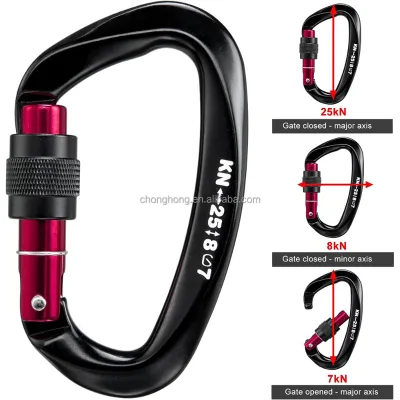
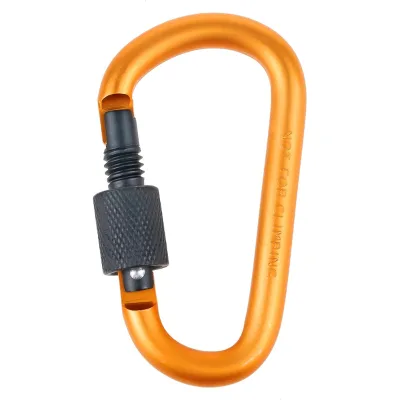


Comprehensive Sourcing Guide
Lightweight Locking D-Shape Carabiner Sourcing Guide
Procuring lightweight locking D-shape carabiners requires a disciplined approach that balances mechanical performance with logistical efficiency. These components serve as critical connection points in scenarios where weight savings and secure locking mechanisms are paramount. Buyers must navigate a market that offers a wide spectrum of materials, finishes, and load ratings, ranging from standard aluminum alloys to high-strength stainless steel options. The decision to source these items often hinges on the specific operational environment, whether it involves heavy industrial applications, outdoor recreational use, or general utility tasks. Understanding the nuances of product listings is essential to avoid misalignment between procurement expectations and actual supplier capabilities.
The sourcing landscape for these carabiners is characterized by significant variability in specifications and commercial terms. Listings frequently highlight attributes such as customization options, sample availability, and various surface treatments like plain, zinc, or electrolytic finishes. Buyers should recognize that a single supplier may offer multiple product lines with differing weights, sizes, and load capacities. For instance, some products are marketed with specific load ratings such as 4kN, 12kN, or 24kN, while others emphasize material composition like aluminum or stainless steel. This diversity necessitates a rigorous verification process to ensure that the selected carabiner meets the precise technical and safety requirements of the intended application.
Product Scope and Observed Listing Signals
The observed market signals indicate a broad range of product configurations available from suppliers, primarily originating from regions such as Anhui and Shandong in China. Listings reveal that products are available in various shapes, with the D-shape being a prominent option due to its efficient load distribution along the major axis. Sizes vary significantly, with observed dimensions including approximately 8x4 cm, 8cm/10cm, and specific model dimensions like 110x59x10mm. These physical variations directly impact the weight of the unit, with observed weights ranging from approximately 22 grams to 72.8 grams per piece. Buyers must carefully correlate size and material with weight to ensure the product aligns with their specific weight-sensitive requirements.
Commercial signals also highlight the flexibility in manufacturing and packaging options. Many suppliers offer customization services, including custom logos and tailored packaging solutions such as OPP poly bags, color boxes, or bulk PE bags. The minimum order quantities (MOQ) observed range widely, from a single piece for sampling purposes to 2000 pieces for bulk orders, with common thresholds at 100 or 200 pieces for logo customization. Additionally, stock availability is noted for some items, which can expedite procurement timelines. However, buyers should verify these signals directly with suppliers, as listing data may not always reflect current inventory levels or production capacity constraints.
Technical Specifications to Verify
Verifying the mechanical load rating is the most critical technical step in the sourcing process. Listings mention various load capacities, including 4kN, 12kN, and 24kN, but these figures must be validated against recognized testing standards. The 12kN rating is frequently associated with safety carabiners, while higher ratings like 24kN may indicate specialized industrial or heavy-duty applications. Buyers should request detailed test reports that specify the load rating at the major axis, minor axis, and open gate positions. It is essential to confirm whether the stated load rating applies to the locked or unlocked state, as the locking mechanism significantly influences the overall strength of the carabiner.
Material composition and surface finish are equally important factors that affect durability and performance. Aluminum is a common material choice, offering a favorable strength-to-weight ratio, while stainless steel options provide superior corrosion resistance. Surface treatments observed include plain, zinc-plated, electrolytic treatment, black oxide, and polished finishes. Each finish offers different levels of protection against environmental factors such as moisture, salt, or abrasion. Buyers should specify the required finish based on the operating environment to prevent premature degradation. Additionally, the gate type, whether it is a screw lock, twist-lock, or auto-lock, must be verified to ensure it meets the security requirements of the application.
Compliance and Safety Documentation
Ensuring that carabiners meet relevant safety standards is non-negotiable, particularly for applications involving human safety or critical load-bearing tasks. Listings reference certifications such as UIAA, CE, BSCI, and ISO9001, but buyers must verify the validity and scope of these certifications. UIAA certification is particularly important for climbing and outdoor safety equipment, as it indicates that the product has undergone rigorous testing for fall factors and dynamic loads. CE marking suggests compliance with European health, safety, and environmental protection standards, but buyers should check the specific directives covered by the certificate. It is crucial to obtain copies of these certificates and verify their authenticity with the issuing bodies.
Documentation should also include detailed product specifications and material test reports. Buyers should request certificates of conformity that confirm the product meets the stated load ratings and material specifications. For industrial applications, additional documentation such as material traceability reports may be required. It is also advisable to inquire about the testing laboratory’s accreditation to ensure that test results are reliable and internationally recognized. Buyers should be cautious of suppliers who cannot provide comprehensive documentation or who rely solely on internal quality control without third-party validation.
Cost Drivers and Commercial Terms
The cost of lightweight locking D-shape carabiners is influenced by several factors, including material type, load rating, surface finish, and order volume. Aluminum carabiners are generally more cost-effective than stainless steel options, but the latter may offer better long-term value in corrosive environments. Higher load ratings and specialized locking mechanisms can also increase the unit price. Buyers should analyze the total cost of ownership, considering not just the purchase price but also factors such as durability, maintenance requirements, and potential replacement costs. Requesting detailed quotations that break down costs by material, processing, and packaging can help in making informed decisions.
Commercial terms such as MOQ, lead time, and payment terms vary among suppliers. While some suppliers offer low MOQs for sampling, bulk orders may require higher minimum quantities to achieve competitive pricing. Lead times can be affected by customization requirements, such as logo printing or special packaging. Buyers should negotiate clear terms regarding delivery schedules and penalties for delays. Payment terms should be structured to mitigate risk, with options such as letters of credit or escrow services providing additional security. It is also important to clarify who bears the cost and responsibility for shipping and insurance, especially for international orders.
Supplier Qualification and Quality Control
Evaluating supplier qualifications is essential to ensure consistent product quality and reliable service. Buyers should verify the supplier’s business license, manufacturing capabilities, and quality management systems. Suppliers with ISO9001 certification demonstrate a commitment to standardized quality processes, but buyers should also assess their specific quality control procedures for carabiner production. This includes in-process inspections, final product testing, and packaging checks. Suppliers who offer sample units allow buyers to physically inspect the product for build quality, finish, and functionality before committing to a large order.
Quality control should extend to the entire supply chain, including raw material sourcing and component manufacturing. Buyers should inquire about the supplier’s process for verifying the quality of incoming materials, such as aluminum billets or stainless steel wire. Additionally, suppliers should have a robust system for handling non-conforming products and implementing corrective actions. Regular audits or third-party inspections can provide additional assurance of the supplier’s quality standards. Buyers should also consider the supplier’s responsiveness to issues and their ability to provide technical support throughout the procurement process.
Long-Term Procurement Checks
Establishing long-term procurement relationships requires ongoing monitoring of product performance and supplier reliability. Buyers should implement a system for tracking field performance, including any incidents of failure, wear, or damage. Feedback from end-users can provide valuable insights into the real-world durability and usability of the carabiners. Regular reviews of supplier performance metrics, such as on-time delivery rates, defect rates, and responsiveness, can help identify potential issues early. Maintaining open communication with suppliers allows for continuous improvement and adaptation to changing market conditions or regulatory requirements.
It is also important to stay informed about updates to relevant standards and regulations. As safety standards evolve, suppliers may need to update their products to remain compliant. Buyers should ensure that their suppliers are aware of these changes and are capable of adapting their production processes accordingly. Periodic re-verification of certifications and test reports is necessary to ensure continued compliance. By maintaining a proactive approach to procurement management, buyers can mitigate risks and ensure the long-term success of their sourcing strategy for lightweight locking D-shape carabiners.
FAQs
What customization options are available for the carabiner logo?
Custom logos are available for this product. Buyers can request personalized branding on the carabiner surface. The minimum order quantity for logo customization is 200 pieces, while samples can be ordered as a single unit without branding requirements.
Which certifications does the safety carabiner hold?
The product holds Uiaa, CE, BSCI, and ISO9001 certifications. These credentials verify compliance with international safety and quality standards. Buyers seeking certified industrial hardware can rely on these documented approvals for heavy industry applications.
How much does a single sample cost and how is it shipped?
A single sample is available for purchase. The product weighs approximately 22 grams per piece and is packaged in an OPP poly bag. Buyers can order one unit to verify quality before committing to larger bulk orders with custom logos.
What is the minimum order quantity for bulk purchases?
The minimum order quantity varies by requirement. Standard orders start at 100 pieces, while custom logo orders require a minimum of 200 pieces. This flexibility allows buyers to test the market with small batches or scale up for industrial needs.
Can I find carabiners made from aluminum with specific dimensions?
Yes, aluminum carabiners are available in various sizes. Dimensions include approximately 8 by 4 cm and 89 mm lengths. The D shape design ensures durability, and the material choice supports heavy industry applications while maintaining a lightweight profile.
What surface finishes are offered for the locking carabiner?
Multiple surface finishes are available including plain, zinc, electrolytic treatment, and black. Buyers can select the finish that best suits their environmental requirements. The polished option is also available for specific aesthetic or functional needs in industrial settings.
Where are these carabiners manufactured and what is the origin?
The products originate from China, specifically Anhui and Shandong provinces. This location supports efficient manufacturing and logistics for global buyers. The origin ensures access to established supply chains for aluminum and stainless steel locking carabiners.