Source Lightweight Makeup Cosmetic Bag for Travel, Daily Use, and Business Trips
Explore 30 options for a Lightweight Makeup Cosmetic Bag designed for travel, daily commutes, and business trips. Compare features like waterproof PU and polyester materials, zipper closures, and customization services to find the right fit for your needs.
Key considerations
Products List


Lightweight Portable Makeup Organizer Bag with Smooth Zipper Cosmetic Bag
$0.33 - $0.38
MOQ: 100 Pieces
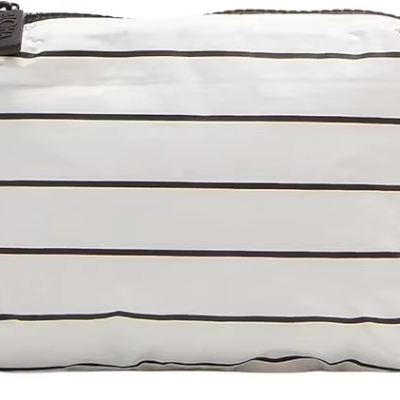


New Portable Small PU Leather Lipstick Storage Makeup Cosmetic Bag for Custom
$0.47 - $0.97
MOQ: 100 Pieces


Eco-Friendly Large Capacity Makeup Bag Custom Size Cotton Cosmetic Bag Fashion
$1.38 - $1.57
MOQ: 100 Pieces


Large Capacity Makeup Carry Case Brush Pocket Portable Cosmetic Storage Bag
$5.89 - $7.86
MOQ: 500 Pieces

Multifunctional Travel Cosmetic Toiletry Bag Makeup Bag with 4 Inner Removable Pouches
$5.89 - $7.86
MOQ: 500 Pieces


Comprehensive Sourcing Guide
Lightweight Makeup Cosmetic Bag Sourcing Guide
Sourcing lightweight makeup cosmetic bags requires a strategic balance between material durability, functional design, and cost efficiency. These bags serve as essential organizational tools for personal care items, offering protection against spills and physical damage while maintaining a compact profile for travel and daily use. Buyers must navigate a market characterized by diverse material options, ranging from synthetic leathers to technical fabrics, each offering distinct advantages in terms of weight, water resistance, and aesthetic appeal. The decision to source these items often hinges on the ability to customize branding and specifications to meet specific retail or corporate gifting requirements.
The procurement process involves evaluating suppliers based on their capacity for OEM and ODM services, as well as their adherence to quality standards for materials and construction. Given the competitive nature of the accessory market, buyers should prioritize suppliers who demonstrate transparency in their production processes and supply chain origins. Understanding the nuances of product attributes, such as closure types, interior layouts, and exterior finishes, is critical for selecting the right partner. This guide provides a structured approach to evaluating suppliers, verifying technical specifications, and managing commercial terms to ensure a successful sourcing outcome.
Product Scope and Observed Listing Signals
The current market for lightweight cosmetic bags exhibits a wide range of product variations, with observed listing prices spanning from $0.16 to $22 USD. This broad price spectrum reflects differences in material quality, brand positioning, and order volumes, with minimum order quantities (MOQs) typically ranging from 1 to 2,000 units. Buyers should note that lower price points often correlate with basic materials and standard designs, while higher prices may indicate premium fabrics, complex customization options, or smaller batch sizes. The availability of customization services, including logo printing, embroidery, and rubber patches, allows businesses to tailor products to their specific brand identity, making these bags suitable for promotional campaigns, retail resale, or corporate gifts.
Product attributes observed in listings highlight key features such as waterproof construction, soft hardness, and single-open zipper closures. Common materials include PU, nylon, polyester, and velvet, each offering different tactile experiences and durability levels. The "Heartbeat" series and other models often feature a dumpling-type shape, which provides ample storage capacity while remaining compact. Colors range from neutral tones like beige and brown to vibrant options such as pink, blue, green, and purple, catering to diverse consumer preferences. Additionally, the inclusion of features like hanging capabilities and specific dimensions, such as 16.5cm in length, 12.5cm in height, and 6.5cm in width, ensures that the bags meet practical storage needs for cosmetics and toiletries.
Technical Specifications to Verify
Verifying technical specifications is crucial to ensuring that the cosmetic bags meet functional and aesthetic requirements. Buyers should confirm the exact material composition, as listings may indicate multiple materials such as PU, nylon, polyester, or velvet. It is important to request material samples to assess texture, durability, and water resistance, as these factors significantly impact the product's lifespan and user experience. Additionally, the closure mechanism, typically a zipper, should be tested for smooth operation and reliability. The hardness of the bag, often described as soft, should be evaluated to ensure it maintains its shape while remaining flexible enough for easy packing and unpacking.
Dimensions and structural design are also critical technical aspects to verify. Standard dimensions, such as 16.5cm x 12.5cm x 6.5cm, provide a baseline for storage capacity, but buyers should confirm if these measurements align with their specific needs. The shape of the bag, often dumpling-type, should be assessed for its ability to expand and contract without compromising structural integrity. Features like hanging capabilities and single-open designs should be inspected to ensure they function as intended. Furthermore, the printing and branding options, including embroidery, rubber patches, and metal plates, should be reviewed for quality and durability, as these elements contribute to the overall brand perception.
Compliance and Safety Documentation
While specific certification requirements may vary by region and end-use, buyers should ensure that suppliers provide relevant compliance documentation for the materials used in production. This includes verifying that the fabrics and components meet safety standards for consumer products, particularly regarding chemical safety and durability. For bags intended for international markets, compliance with regulations such as REACH in Europe or CPSIA in the United States may be necessary, depending on the materials and target audience. Buyers should request test reports or certificates of conformity to confirm that the products do not contain harmful substances and meet applicable safety guidelines.
Additionally, buyers should verify the origin of the products and the manufacturing processes to ensure ethical and sustainable practices. Suppliers based in regions like Anhui and Guangdong, China, may have different regulatory environments and quality control standards. It is important to confirm that the suppliers adhere to international labor standards and environmental regulations. Documentation related to the production process, including quality control checks and inspection reports, should be reviewed to ensure consistency and reliability. This due diligence helps mitigate risks associated with non-compliance and ensures that the products meet the expectations of end consumers and regulatory bodies.
Cost Drivers and Commercial Terms
Several factors influence the cost of lightweight makeup cosmetic bags, including material selection, customization complexity, and order volume. The choice of material, such as PU, nylon, polyester, or velvet, significantly impacts the unit price, with premium materials commanding higher costs. Customization options, including logo printing, embroidery, and special packaging, also add to the overall expense. Buyers should negotiate pricing based on the desired order quantity, as larger volumes often result in lower unit costs due to economies of scale. Understanding the cost structure helps in budgeting and selecting the most cost-effective options without compromising on quality.
Commercial terms, such as lead times and shipping methods, also play a crucial role in the procurement process. Typical delivery times range from 20 to 35 days, depending on the complexity of the order and the supplier's production capacity. Shipping options include air, sea, or combined transportation, with express services like DHL, TNT, UPS, and FedEx available for faster delivery. Buyers should clarify these terms in their contracts to avoid delays and additional costs. Sample costs, which vary based on the type of package and customization, should also be discussed upfront to ensure transparency. Clear communication of commercial terms helps in planning and managing expectations throughout the sourcing process.
Supplier Qualification and Quality Control
Evaluating supplier qualifications is essential to ensuring a reliable and consistent supply of lightweight makeup cosmetic bags. Buyers should assess the supplier's experience in OEM and ODM services, as well as their ability to produce according to sample designs and production specifications. Suppliers with a proven track record in producing high-quality accessories are more likely to meet expectations. It is important to verify the supplier's production capacity, quality control processes, and ability to handle large orders. Requesting references or case studies from previous clients can provide insights into the supplier's reliability and performance.
Quality control measures should be implemented throughout the production process to ensure consistency and adherence to specifications. Buyers should establish clear quality standards and inspection criteria, including checks for material quality, stitching, zipper functionality, and printing accuracy. Regular audits and inspections, both during production and before shipment, help identify and address potential issues early. Suppliers who offer comprehensive quality control services, including third-party inspections, provide an additional layer of assurance. Establishing a strong relationship with the supplier and maintaining open communication channels facilitates effective quality management and continuous improvement.
Long-Term Procurement Checks
Establishing long-term procurement checks is vital for maintaining product quality and supplier performance over time. Buyers should conduct periodic reviews of supplier performance, including metrics such as on-time delivery, product quality, and responsiveness to issues. Regular feedback sessions and performance evaluations help identify areas for improvement and strengthen the partnership. It is important to stay updated on market trends and consumer preferences, as these factors can influence product design and material selection. Adapting to changes in the market ensures that the sourced products remain relevant and competitive.
Continuous monitoring of supply chain risks, such as material shortages, production delays, and regulatory changes, is also crucial. Buyers should develop contingency plans to mitigate these risks and ensure business continuity. Building a diversified supplier base can reduce dependency on a single source and provide flexibility in sourcing. Additionally, staying informed about industry standards and best practices helps in making informed decisions and maintaining high-quality standards. By implementing robust long-term procurement checks, buyers can ensure a stable and reliable supply of lightweight makeup cosmetic bags, supporting their business goals and customer satisfaction.
FAQs
What materials are used for the Lightweight Makeup Cosmetic Bag?
The bags are constructed from PU, nylon, polyester, or velvet materials. These options provide durability while maintaining a soft feel suitable for daily use and travel.
Can I customize the logo and printing on the bag?
Yes, customization is available with options for printing, embroidery, rubber patches, or metal plates. OEM and ODM services are acceptable to meet specific brand requirements.
What is the minimum order quantity for this product?
The standard minimum order quantity is 100 units. However, small orders are accepted, allowing flexibility for buyers with lower initial volume needs.
How long does it take to deliver the cosmetic bags?
The typical delivery time ranges from 20 to 35 days. This timeline accounts for production and shipping arrangements via air, sea, or combined transportation methods.
Which colors are available for the Heartbeat Series bag?
Available colors include pink, beige, blue, green, purple, and brown. These solid color options suit various fashion styles and personal preferences for daily or travel use.
Is the cosmetic bag waterproof for travel protection?
Yes, the product features waterproof properties to protect contents during travel. This ensures safety for cosmetics and toiletries in various weather conditions.
What are the standard dimensions of the cosmetic bag?
The standard specification is 16.5cm in length, 12.5cm in height, and 6.5cm in width. This compact size fits easily into handbags or luggage for convenience.