Source Lightweight Portable Travel Tripod for cameras, phones, and video
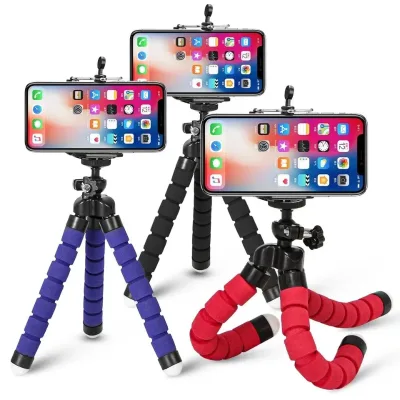
Find 30 listings for a Lightweight Portable Travel Tripod suitable for digital cameras, mobile phones, and video recording. Compare specifications including material, capacity, and packing options from verified suppliers in China.
Key considerations
Products List


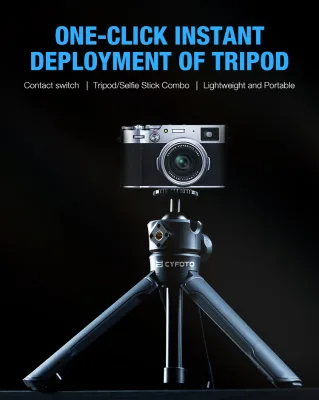


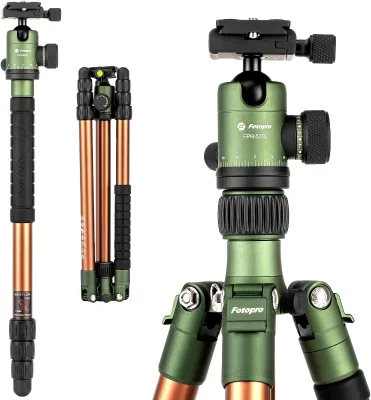


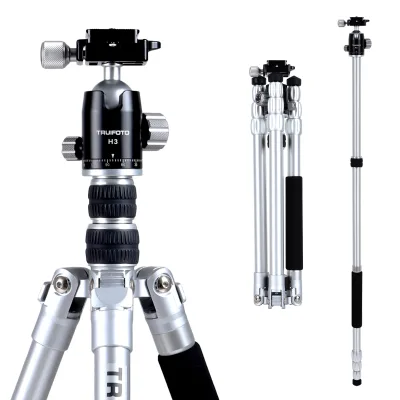

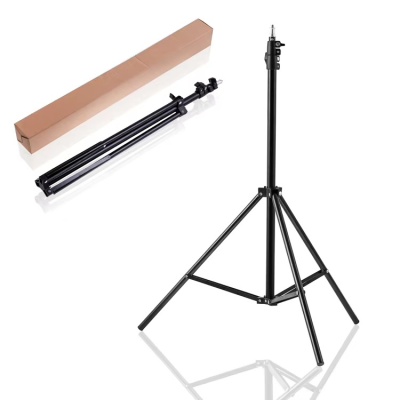
$15.00 - $50.00
MOQ: 50 Pieces

Comprehensive Sourcing Guide
Lightweight Portable Travel Tripod Sourcing Guide
Sourcing lightweight portable travel tripods requires a nuanced understanding of the trade-offs between portability, stability, and load capacity. These accessories are essential for videographers, photographers, and content creators who prioritize mobility without sacrificing image quality. The market offers a diverse range of options, from flexible, multi-position models suitable for uneven terrain to rigid, aluminum-based tripods designed for professional digital cameras. Buyers must navigate a landscape where product attributes vary significantly, including materials, locking mechanisms, and intended use cases, to ensure the selected equipment meets specific operational demands.
The procurement process is further complicated by the heterogeneity of supplier offerings, which often span multiple product lines with distinct specifications. Observed listings indicate a wide variety of models, such as the ANJ6110A, ANJ3000, and various numbered series like 6680 and 5218, each with unique packing dimensions and material compositions. This diversity necessitates a rigorous verification process to align product capabilities with the buyer’s technical requirements. Understanding the specific attributes of each model, from color temperature compatibility to lifting modes, is critical for making informed purchasing decisions that minimize risk and maximize utility.
Product Scope and Observed Listing Signals
The current market for lightweight portable travel tripods encompasses a broad spectrum of designs, ranging from flexible, snake-like tripods to traditional three-legged stands. Observed product attributes reveal that materials vary, with some tripods constructed from aluminum for durability and others categorized under "Other" materials, potentially indicating composite or carbon fiber blends. The type of tripod is a primary differentiator, with flexible models offering unique positioning capabilities for video cameras and mobile phones, while standard tripods provide robust support for digital cameras. Buyers should carefully examine the "Type" and "Tripods Material" fields to determine if the product aligns with their specific shooting environment and equipment weight.
Listing signals also highlight significant variations in customization and branding options. Many suppliers offer private mold capabilities, allowing buyers to create unique product identities, while others provide standard branding such as CYFOTO. The "Customization" attribute is marked as available, suggesting that buyers can request modifications to design, color, or packaging. Additionally, the "Compatible Brand" is often listed as "All," indicating universal compatibility with various camera and mobile device mounts. However, the inclusion of a "Mobile Holder" is not universal and must be verified per model, as some listings explicitly note its inclusion while others do not.
Technical Specifications to Verify
Technical verification begins with assessing the structural integrity and operational features of the tripod. Key attributes to verify include the "Tripod Lock Type," with twist locks being a common and reliable mechanism for quick setup and secure locking. The "Lifting Mode" is another critical specification, with pneumatic systems offering smooth height adjustments but potentially requiring more maintenance than mechanical alternatives. Buyers must also evaluate the "Fixed Mode," which may be described as two-point or other configurations, to ensure the tripod provides the necessary stability for the intended load. These mechanical features directly impact the user experience and the longevity of the equipment under frequent use.
Load capacity and portability are equally important technical considerations. The "Cap Power" attribute in some listings suggests variable load capacities, such as 4*(100W/200W/500W), which may refer to lighting equipment compatibility rather than camera weight, requiring clarification from the supplier. For camera support, the "Tripods Use" field specifies compatibility with digital and video cameras, but the actual weight limit must be confirmed. Additionally, the "Bubble Level" attribute is noted as "No" in some flexible models, which may affect leveling precision on uneven surfaces. Buyers should request detailed weight limits and center column height specifications to ensure the tripod can support their specific camera and lens combinations.
Compliance and Safety Documentation
Compliance and safety are paramount, especially for tripods used in professional or industrial settings. Some listings indicate certifications such as CE and ISO, which are essential for market access in many regions. Buyers must verify the specific scope of these certifications, ensuring they cover the relevant safety standards for the product’s intended use. The "Certification" attribute is a critical document to request, as it provides evidence of conformity with regulatory requirements. Without proper certification, products may face customs delays or legal restrictions in target markets, making this a non-negotiable aspect of the sourcing process.
Safety documentation also extends to accessories and auxiliary components. For instance, some product lines include safety belts and ropes, with specifications such as a length of 10 meters and a strength of ≥23kN. These components are crucial for securing equipment in high-risk environments, such as aerial or elevated shooting. The material of these safety belts, often polyester, must be verified for durability and resistance to environmental factors. Buyers should ensure that all safety-related components are included in the product scope and meet the required strength standards for their specific applications.
Cost Drivers and Commercial Terms
Cost drivers for lightweight portable travel tripods include material quality, manufacturing complexity, and customization requirements. Aluminum construction, for example, offers a balance of strength and weight but may be more expensive than alternative materials. Private mold capabilities and custom branding add to the initial setup costs but can provide long-term brand differentiation. The "Private Mold" attribute being "Yes" indicates that suppliers can accommodate unique design requests, but this may involve higher minimum order quantities (MOQs) and longer lead times. Buyers should weigh the benefits of customization against the associated costs and production timelines.
Commercial terms such as MOQ, packaging, and warranty are critical for budgeting and logistics planning. Observed MOQs range from 1 to 10,000 units, offering flexibility for both small-scale buyers and large distributors. Packaging details, such as wooden boxes or cartons, vary by model and impact shipping costs and product protection. For example, the ANJ6110A is packed in a wooden box, while other models use standard cartons with specific dimensions like 57.52348.5cm/ctn. The "Warranty" period, often listed as 1 Year, provides a baseline for after-sales support, but buyers should negotiate extended terms for bulk orders to mitigate long-term risk.
Supplier Qualification and Quality Control
Supplier qualification involves assessing the manufacturer’s capability to produce consistent, high-quality products. The "Place of Origin" and "Prod Origin" fields, such as Shanghai and Guangdong, China, provide insight into the manufacturing hub, which is known for its robust supply chain and production expertise. Buyers should verify the supplier’s production capacity and quality control processes to ensure they can meet order volumes and maintain product standards. The "Qty/CTN" attribute, ranging from 10 to 20 pieces per carton, indicates packaging efficiency, which can influence shipping costs and inventory management.
Quality control measures should include pre-shipment inspections and sample testing. Buyers should request samples to evaluate the tripod’s build quality, locking mechanisms, and overall stability. The "Material" attribute, listed as "Other" or "Aluminum," should be physically verified to ensure it matches the supplier’s claims. Additionally, the "Color" attribute, typically black, should be checked for consistency across batches. Establishing a clear quality agreement with the supplier, including acceptance criteria and defect rates, is essential for maintaining product integrity and customer satisfaction.
Long-Term Procurement Checks
Long-term procurement success depends on continuous monitoring of supplier performance and market trends. Buyers should regularly review supplier certifications, such as CE and ISO, to ensure they remain valid and up-to-date. Changes in regulatory requirements or market standards may necessitate product updates or additional testing. The "Prod Standard" attribute, which may reference specific dimensions or industry norms, should be monitored for any updates that could affect product compliance. Proactive engagement with suppliers regarding regulatory changes helps mitigate risks and ensures ongoing market access.
Relationship management and feedback loops are also critical for long-term procurement. Buyers should establish regular communication channels with suppliers to discuss performance, address issues, and explore new product opportunities. The "Customization" and "Private Mold" capabilities offer avenues for product innovation and differentiation. By maintaining a collaborative relationship with suppliers, buyers can leverage their expertise to improve product design and functionality. Additionally, tracking market trends and competitor offerings can inform strategic sourcing decisions, ensuring the procurement strategy remains competitive and responsive to changing customer needs.
FAQs
What is the IP rating for these tripods?
The tripods feature an IP65 protection class, ensuring resistance against dust and water jets. This rating makes them suitable for outdoor use in various weather conditions while maintaining structural integrity during travel.
Can I customize the product specifications?
Yes, customization is available for these tripods to meet specific buyer requirements. Buyers can request tailored features while relying on the standard aluminum material and flexible tripod design for optimal performance.
Which certifications do the products hold?
The products hold CE and ISO certifications, verifying compliance with international safety and quality standards. These certifications ensure that the tripods meet rigorous manufacturing requirements for global distribution and use.
What is the warranty period for the tripods?
A one-year warranty is provided for the tripods to cover potential manufacturing defects. This warranty period offers buyers assurance regarding product durability and the reliability of the aluminum construction used in the design.
How is the product packed for shipping?
Products are packed in either wooden boxes or cartons depending on the specific model. The packaging dimensions vary by model, such as 42.5*36.5*45cm per carton, ensuring safe transport during international logistics.
What is the origin of these tripods?
The tripods originate from Shanghai and Guangdong, China, indicating their manufacturing location. This origin information helps buyers understand the supply chain and potential logistics considerations for importing these portable travel tripods.