Source Lightweight Polyester Hammock for Camping, Travel, and Garden Relaxation
Find and compare 30 Lightweight Polyester Hammock options from verified suppliers. Evaluate features like waterproof nylon construction, double seating capacity, and foldable designs suitable for outdoor camping, travel, and garden relaxation.
Key considerations
Products List


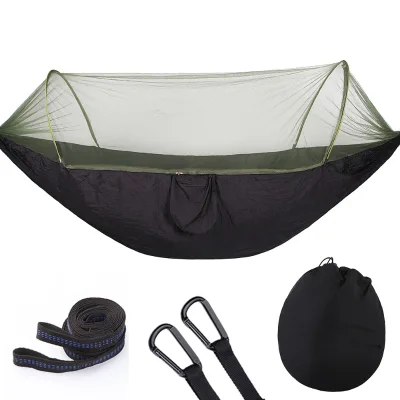
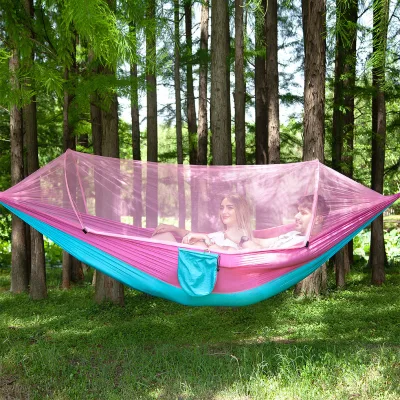


Anti Roll Hammock Folding Bracket Hammock Outdoor Swing Outdoor Camping Hammock
$20.00 - $25.00
MOQ: 1000 Pieces


Outdoor Cotton Thickened Hammock Winter Camping Windproof Insulation Hammock
$18.00 - $22.00
MOQ: 1000 Pieces




Comprehensive Sourcing Guide
Lightweight Polyester Hammock Sourcing Guide
Sourcing lightweight polyester hammocks requires a careful balance between material performance, structural integrity, and commercial viability. Buyers must navigate a market where product attributes vary significantly across suppliers, particularly regarding fabric composition, waterproofing capabilities, and dimensional standards. This guide provides evidence-based procurement strategies to help buyers identify reliable suppliers, verify technical specifications, and mitigate risks associated with quality inconsistencies and compliance gaps.
The following sections outline the critical steps for evaluating suppliers, understanding cost drivers, and ensuring long-term supply chain stability. By focusing on verified data points and industry best practices, buyers can make informed decisions that align with their specific operational needs and quality standards.
Product Scope and Observed Listing Signals
The observed market for lightweight hammocks reveals a diverse range of product configurations, with notable variations in fabric type and functional attributes. While the core keyword specifies polyester, the supplied data indicates that nylon is also a prevalent material in listings, suggesting that buyers must explicitly verify fabric composition to avoid mismatches. Additionally, attributes such as "Waterproof" and "Not Waterproof" appear in the same dataset, highlighting the need for precise specification alignment during the sourcing process.
Listing signals also point to significant diversity in product dimensions and packaging. Observed standard sizes range from compact configurations like 707070 cm to larger double-seating options measuring 106"L x 55"W or 190*80cm. Packaging methods vary from color boxes and cartons to canvas bags and OPP bags, which directly impacts shipping costs and product protection. Buyers should treat these observed attributes as starting points for verification rather than guaranteed specifications for every supplier.
Technical Specifications to Verify
Fabric composition is the most critical technical parameter to verify, as it directly influences durability, weight, and comfort. Buyers must confirm whether the hammock is made from polyester, nylon, or a blend, and assess the denier count or thread count if available. The presence of "Canvas" structure in some listings suggests that buyers should also inquire about the weave type and tensile strength, especially for products marketed as "Thick" or designed for heavy-duty use.
Dimensional accuracy and weight capacity are equally important for ensuring product suitability. Listings show a wide range of sizes, from single-item configurations to double-seating models with capacities up to 200 kg. Buyers should request detailed technical drawings or product sheets that specify exact length, width, and rope length. Additionally, verifying the "Single package size" and total item weight is essential for calculating landed costs and optimizing logistics planning.
Compliance and Safety Documentation
Safety and compliance documentation are essential for mitigating liability and ensuring product safety in target markets. Buyers should request test reports that verify the tensile strength of the fabric and ropes, particularly for products with high weight capacities. While specific certification statuses are not provided in the observed data, buyers should inquire about compliance with relevant safety standards for outdoor recreational equipment in their destination countries.
Environmental and chemical compliance is another critical area of focus. Some listings mention "Non-Toxic" packing, which suggests that buyers should verify the absence of harmful substances in the fabric dyes and treatments. Requesting material safety data sheets (MSDS) and compliance certificates for chemical restrictions, such as REACH or CPSIA, can help ensure that the products meet regulatory requirements and protect consumer health.
Cost Drivers and Commercial Terms
Material costs are a primary driver of pricing for lightweight hammocks, with variations in fabric type and quality significantly impacting the final price. Buyers should expect price ranges that reflect these material differences, with observed listings showing a wide spectrum from budget-friendly options to premium products. Understanding the cost breakdown, including fabric, labor, and packaging, can help buyers negotiate more effectively and identify potential areas for cost optimization.
Commercial terms, including minimum order quantities (MOQ) and lead times, also play a crucial role in procurement planning. Observed MOQs range from small quantities suitable for sampling to large volumes for mass production, allowing buyers to align orders with their inventory needs. Lead times can vary based on production capacity and customization requirements, so buyers should establish clear timelines and communication protocols with suppliers to avoid delays.
Supplier Qualification and Quality Control
Supplier qualification is a critical step in ensuring consistent product quality and reliable service. Buyers should conduct thorough due diligence, including verifying business licenses, production capabilities, and quality management systems. Requesting references from existing clients and conducting factory audits can provide valuable insights into the supplier's operational efficiency and commitment to quality.
Quality control measures should be established early in the sourcing process to prevent defects and ensure product consistency. Buyers should define clear quality standards and inspection criteria, including checks for fabric integrity, stitching quality, and dimensional accuracy. Implementing pre-shipment inspections and requiring suppliers to provide detailed inspection reports can help identify and address issues before products are shipped.
Long-Term Procurement Checks
Building a resilient supply chain requires ongoing monitoring and relationship management. Buyers should establish regular communication channels with suppliers to discuss performance, address issues, and explore opportunities for improvement. Regularly reviewing supplier performance metrics, such as on-time delivery rates and defect rates, can help identify potential risks and drive continuous improvement.
Adapting to market changes and evolving customer needs is essential for long-term success. Buyers should stay informed about industry trends, technological advancements, and regulatory updates that may impact product sourcing. By maintaining a flexible and proactive approach to procurement, buyers can ensure that their supply chain remains competitive and responsive to changing market conditions.
FAQs
What is the typical weight capacity for a double Lightweight Polyester Hammock?
The typical weight capacity ranges from 80 to 200 kg for double-sized models. This range supports two adults comfortably while maintaining structural integrity. Buyers should verify specific limits as materials like nylon or polyester may vary slightly in load-bearing performance depending on weave density and rope construction.
Can I customize the color and dimensions of a polyester hammock?
Yes, customization is available for both color and dimensions. Suppliers offer options such as black, blue, green, or camouflage in sizes like 250x120 cm or 290x140 cm. This allows buyers to match specific branding or outdoor aesthetic requirements while ensuring the fabric remains durable and suitable for camping use.
What materials are commonly used for lightweight camping hammocks?
Common materials include nylon and polyester, chosen for their strength-to-weight ratio. Nylon offers high durability and slight stretch, while polyester provides better resistance to UV degradation and moisture. Both fabrics are often paired with cotton yarn ropes for comfort and secure attachment points during outdoor adventures.
How are lightweight hammocks typically packaged for shipping?
Packaging varies by supplier but often includes color boxes, cartons, or canvas bags. Some models use OPP bags for smaller units. Proper packaging protects the fabric from damage during transit and ensures the product arrives ready for retail display or direct customer use, often including carrying straps for portability.
Are lightweight hammocks suitable for outdoor furniture applications?
Yes, they are suitable for outdoor furniture due to their portable and foldable design. Many models feature modern styles and are designed for general outdoor use. Their lightweight nature makes them ideal for camping, patios, or garden settings, providing comfortable seating for two people while remaining easy to store and transport.