Source Lightweight Rubber Flip Flops for beach, casual, and travel
Explore 30 listings of Lightweight Rubber Flip Flops featuring waterproof, anti-slip, and recyclable options. Buyers can compare styles like casual slippers and sandals with various materials including PVC, EVA, and rubber for summer and spring use.
Key considerations
Products List
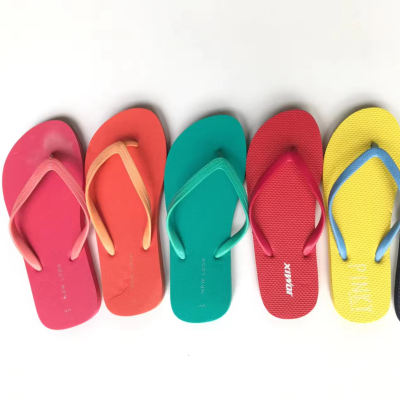


Slippers Solid Color Design Cheap Flip Flops Women Slippers Beach Flip Flops
$0.30 - $1.30
MOQ: 3000 Pairs


Comprehensive Sourcing Guide
Strategic Sourcing Guide for Lightweight Rubber Flip Flops
Understanding Product Attributes and Material Composition
When sourcing Lightweight Rubber Flip Flops, buyers must first distinguish between the specific material definitions used in the supply chain. The term "rubber" in this context often refers to the midsole or outsole composition, while the upper materials vary significantly across different product listings. Based on observed market data, the upper materials for these footwear items include PVC, plastic, and cotton fabric. The midsole is frequently constructed from rubber or EVA foam, which directly impacts the "lightweight" claim. For instance, products utilizing EVA foam are explicitly noted for their shock absorption capabilities, a critical factor for comfort during extended wear.
The construction of the sole is a primary differentiator. Some listings specify an EVA outsole, while others list rubber as the midsole material. It is essential to verify whether the "rubber" component is the primary structural element or a composite layer. The material composition also influences the product's classification; some items are categorized as casual slippers, while others are listed as sandals or flip-flops. The style varies from casual to fashion-forward trends, with features such as flat soles being a common attribute. Buyers should note that while some products are described as waterproof, others are explicitly marked as not waterproof, necessitating a clear definition of the intended use case before placing an order.
Technical Specifications and Design Variations
Technical specifications for Lightweight Rubber Flip Flops are defined by a range of model numbers and structural designs. Observed model numbers include BW-120409, 19M012, 18W150, 18M030, 18W052, 18M061, and 18M035, alongside specific product codes like DTM501001 and DTM501003. These identifiers often correspond to distinct design iterations, such as the presence of an anti-slip pattern or a specific close pattern like Velcro. The sizing specifications observed range from 39-44 to 40-45, indicating that suppliers may offer different size runs depending on the target gender, which can be male or female.
The design features listed include anti-slip patterns, which are crucial for beach and casual use. Some products highlight a "flat" design, while others emphasize "fashion trend" aesthetics. The production method is another technical variable; some items are hand-made, while others are not. This distinction can affect the consistency of the product and the unit price. Additionally, the packaging standard is specified as a box, with dimensions noted as 32.5x14x12.5 cm per pair. Buyers must confirm if these dimensions apply to the final retail packaging or the bulk shipping carton, as this impacts logistics planning. The color options are generally flexible, often listed as "as your requirement" or "multi," allowing for customization but requiring clear communication of color codes to avoid production errors.
Compliance, Certification, and Safety Standards
Navigating compliance and certification for Lightweight Rubber Flip Flops requires a careful review of the available data. While some background information mentions FSC certification, this is not a confirmed attribute for the specific product listings provided. Therefore, buyers should not assume that any listed product carries FSC certification or other specific environmental labels unless explicitly verified by the supplier. The focus should instead be on verifying material safety and manufacturing standards.
The material composition includes PVC, PE, EVA, and plastic. Each of these materials has its own regulatory profile regarding chemical content and environmental impact. For example, PVC usage often requires verification of phthalate-free status, especially if the product is intended for children or sensitive skin, although the primary gender listed is women and men. The "recyclable" feature mentioned in some listings suggests an environmental consideration, but this should be treated as a potential attribute rather than a guaranteed certification. Buyers must request specific test reports from the supplier to confirm compliance with destination market regulations, such as REACH in Europe or CPSIA in the United States.
Furthermore, the "waterproof" attribute is inconsistent across listings. Some products are marked as waterproof, while others are not. This discrepancy highlights the need for buyers to request water resistance test results if the product is intended for beach or wet environments. The "anti-slip" feature is another area requiring verification. While an anti-slip pattern is listed, the actual coefficient of friction or slip resistance rating is not provided in the general data. Buyers should insist on test data that validates the slip resistance of the outsole material, particularly for applications involving wet surfaces.
Cost Drivers and Pricing Dynamics
The cost of Lightweight Rubber Flip Flops is influenced by several variables, including material selection, customization levels, and order volume. The observed price range in the market is between 0.30 and 7.89 USD per unit. This wide range suggests that significant price differences exist based on the complexity of the design, the quality of the materials, and the degree of customization. Products with EVA foam midsoles and specialized anti-slip patterns may command higher prices compared to basic plastic or PVC constructions.
Minimum Order Quantity (MOQ) is another critical cost driver. The observed MOQ range spans from 100 to 3600 units. Lower MOQs, such as 100 units, are often associated with "small orders" that are accepted by suppliers, but they may come with a higher per-unit cost. Conversely, larger orders closer to 3600 units likely benefit from economies of scale, reducing the unit price. The "OEM" brand name indicates that many suppliers offer private labeling, which can add to the cost due to the setup fees for molds and branding.
Customization is a significant factor in pricing. Listings explicitly state that customization is available, which can include changes to the color, logo, and packaging. However, each customization request introduces additional costs for tooling, design, and production adjustments. Buyers should also consider the impact of the "hand-made" attribute on pricing. Hand-made products typically incur higher labor costs compared to machine-made items, which can push the price toward the upper end of the observed range.
Typical Applications and Market Segmentation
The applications for Lightweight Rubber Flip Flops are diverse, ranging from beachwear to casual daily use. The primary use case identified is "Beach," which aligns with the waterproof and anti-slip features of certain models. However, the "Summer" and "Spring/Autumn" seasonality indicates that these products are not limited to beach environments but are also suitable for general warm-weather casual wear. The "Casual" style classification further supports their use in everyday settings, such as poolside lounging, summer festivals, or light outdoor activities.
The gender segmentation includes both women and men, with specific model numbers assigned to each. For example, models like 18W150 and 18W052 appear to target women, while 18M030 and 18M061 may be designed for men. The "fashion trend" feature suggests that these products are also marketed as style accessories rather than purely functional footwear. This dual positioning allows buyers to target different market segments, from budget-conscious consumers looking for basic beachwear to fashion-forward buyers seeking trendy summer footwear.
The "disposable" attribute is listed as "non-disposable," indicating that these products are designed for durability and repeated use. This is a key selling point for buyers looking to avoid the environmental impact of single-use footwear. The "recyclable" feature, when present, adds value for eco-conscious consumers. Buyers should align their product selection with the specific needs of their target market, ensuring that the material and design features match the intended application, whether it is high-wear beach use or light casual wear.
Supplier Evaluation and Quality Control Protocols
Evaluating suppliers for Lightweight Rubber Flip Flops requires a rigorous approach to verifying capabilities and quality standards. The place of origin is consistently listed as Fujian, China, or simply China. While this provides a geographical baseline, buyers should conduct on-site audits or request third-party factory reports to assess the actual production environment. The "OEM" and "NEWONE" brand names indicate that suppliers offer both private label and branded options, but the quality of these offerings can vary significantly.
Quality control should focus on the consistency of the material composition. Since the upper materials range from PVC to cotton fabric, buyers must verify that the material quality meets their specifications. For instance, cotton fabric uppers should be checked for durability and colorfastness, while PVC and plastic uppers should be inspected for flexibility and odor. The midsole material, whether rubber or EVA, must be tested for compression set and resilience to ensure it maintains its shape over time.
The "anti-slip pattern" and "shock absorption" features are critical quality indicators. Buyers should request samples to test the slip resistance and cushioning performance. The "hand-made" attribute requires a visual inspection to ensure that the craftsmanship is consistent and that there are no defects in the stitching or bonding. Additionally, the packaging standard of "Box" with specific dimensions should be verified to ensure that the packaging protects the product during transit and meets retail requirements.
Long-Term Procurement Considerations and Scalability
Long-term procurement of Lightweight Rubber Flip Flops involves planning for scalability, supply chain stability, and market trends. The "small orders accepted" attribute suggests that suppliers are flexible with initial orders, which is beneficial for testing the market. However, for long-term growth, buyers should aim to establish a consistent order volume that allows for better pricing and priority production scheduling. The MOQ range of 100 to 3600 units provides flexibility, but buyers should negotiate terms that allow for gradual increases in order size as demand grows.
Sustainability is a growing consideration in the footwear industry. The "recyclable" feature and the use of materials like EVA and PVC present opportunities for buyers to differentiate their products. However, buyers must verify the recyclability claims and ensure that the materials used comply with environmental regulations in their target markets. The "waterproof" and "anti-slip" features are also long-term selling points that can enhance brand loyalty if the product quality remains consistent.
Finally, buyers should consider the lead time and production capacity of their suppliers. While specific lead times are not provided in the data, the complexity of the product, such as hand-made construction or custom branding, can impact production schedules. Establishing a strong relationship with suppliers who can scale production without compromising quality is essential for long-term success. Regular quality audits and clear communication regarding design changes and material updates will help maintain a stable and efficient supply chain.
Comparative Analysis of Product Attributes
To facilitate decision-making, the following table summarizes the key attributes observed in the market for Lightweight Rubber Flip Flops. This comparison highlights the variability in materials, features, and specifications that buyers must navigate.
| Attribute Category | Observed Variations | Key Considerations for Buyers |
|---|---|---|
| Upper Material | PVC, Plastic, Cotton Fabric | Verify material durability and suitability for the intended use (e.g., beach vs. casual). |
| Midsole/Outsole | Rubber, EVA, EVA Foam | Check for shock absorption and slip resistance; confirm if "rubber" is the primary sole material. |
| Seasonality | Summer, Spring, Autumn | Ensure the product design matches the target season; some models are suitable for multiple seasons. |
| Features | Waterproof, Anti-slip, Recyclable, Breathable | Confirm specific feature claims via testing; "Waterproof" is not universal across all listings. |
| Gender | Women, Male | Match model numbers to target gender; check size ranges (39-44 vs. 40-45). |
| Customization | Available (Color, Brand, Packaging) | Clarify MOQ for custom orders and potential additional costs for branding and design changes. |
| Production Method | Hand Made, Not Handmade | Assess impact on quality consistency and unit price; hand-made items may have higher labor costs. |
| Origin | Fujian, China | Verify factory capabilities and compliance with local and international regulations. |
This table serves as a reference for buyers to identify the specific attributes that align with their procurement requirements. By carefully evaluating these variations, buyers can select the most suitable products for their market needs while avoiding assumptions about features that are not universally present.
FAQs
What materials are used for Lightweight Rubber Flip Flops?
Upper materials typically include PVC, plastic, or cotton fabric, while midsoles often use rubber or EVA foam. Some listings specify PE, EVA, and PVC combinations. Buyers should verify the specific material composition for each model to ensure durability and comfort.
Which models are suitable for beach use?
Products with waterproof and anti-slip features are suitable for beach environments. Models like BW-120409 and those with EVA foam midsoles offer shock absorption. However, some listings explicitly state they are not waterproof, so verification is required before ordering.
Can I customize the color and design of these flip flops?
Yes, customization is available for color, logo, and packaging. Many suppliers accept small orders and allow color requirements to be specified. Buyers must communicate clear color codes to avoid production errors when requesting custom designs.
What is the minimum order quantity for these products?
The minimum order quantity ranges from 100 to 3600 units depending on the supplier. Lower MOQs like 100 units are accepted for small orders but may have higher per-unit costs. Larger orders often benefit from economies of scale.
How are these flip flops packaged for shipping?
Products are typically packed in boxes with dimensions of 32.5x14x12.5 cm per pair. This packaging standard helps protect the footwear during transit. Buyers should confirm if these dimensions apply to retail or bulk shipping cartons for logistics planning.
Are these flip flops hand-made or machine-made?
Some listings specify hand-made construction, while others are not handmade. Hand-made items may have higher labor costs and affect the final price. Buyers should verify the production method to ensure consistency and quality for their specific needs.