Source Lightweight Sleeve Shin Guard for soccer, running, and training
Find 30 verified options for the Lightweight Sleeve Shin Guard designed for soccer, running, and training. Buyers can compare material types, protection classes, and pricing details to select the right gear for their needs.
Key considerations
Products List
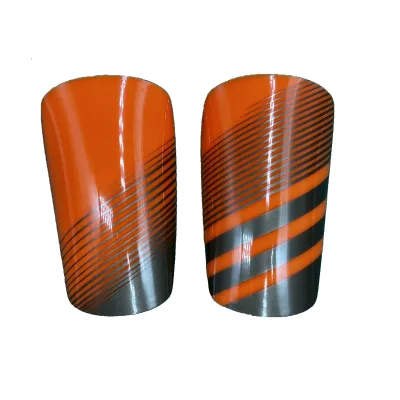
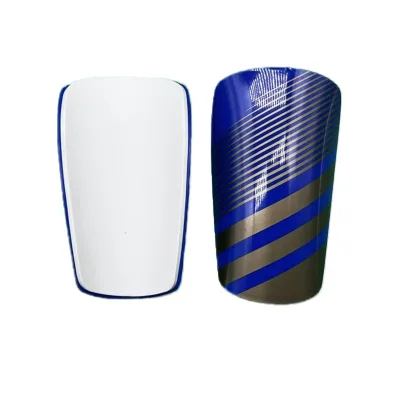
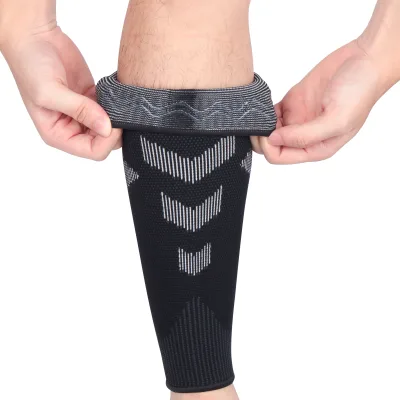
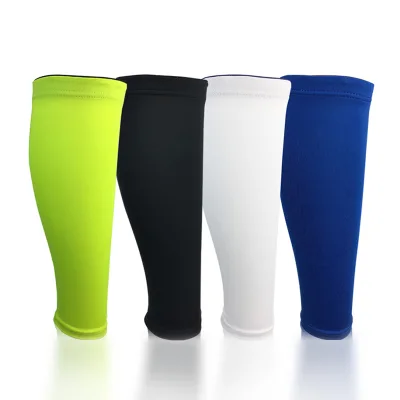
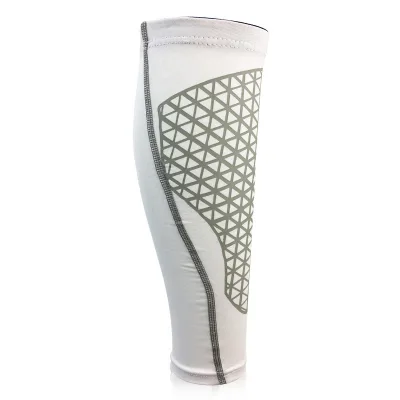
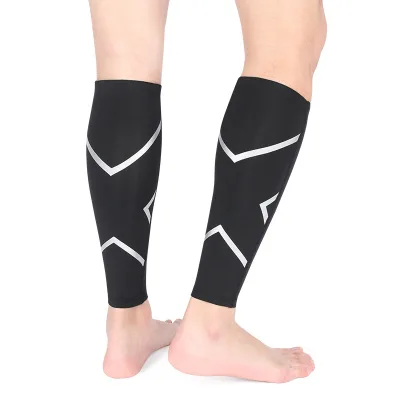
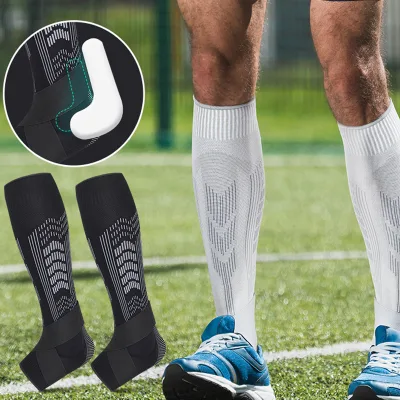
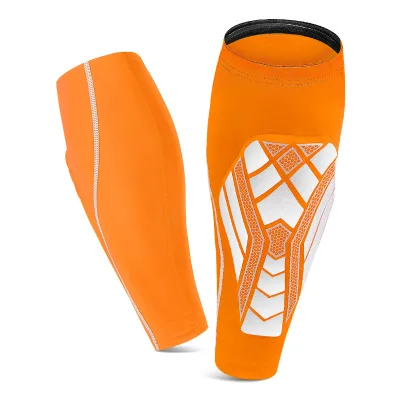


$4.10 - $5.10
MOQ: 1000 Pairs




Comprehensive Sourcing Guide
Strategic Sourcing Guide for Lightweight Sleeve Shin Guards
Understanding Product Variants and Core Specifications
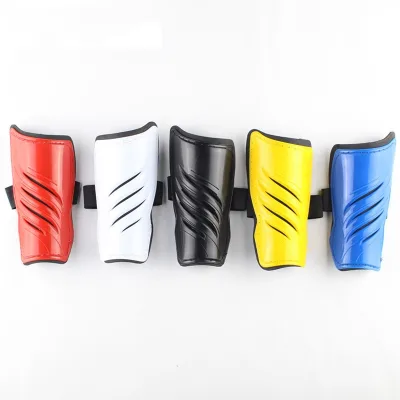
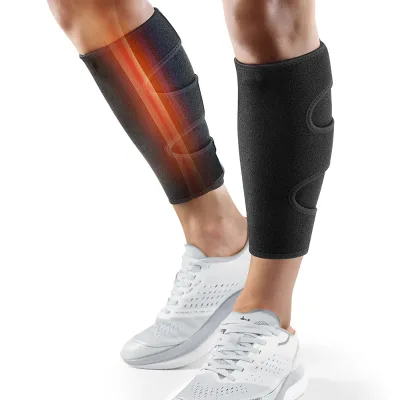
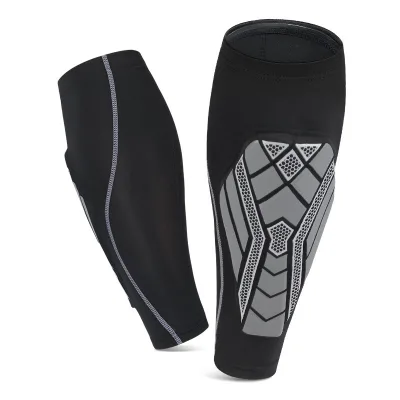
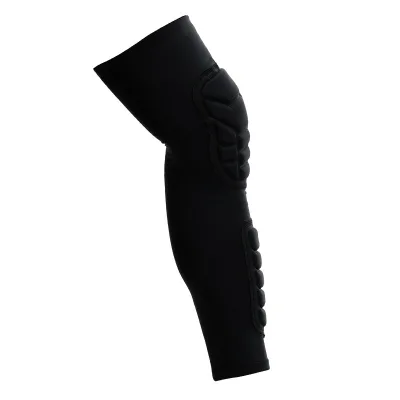
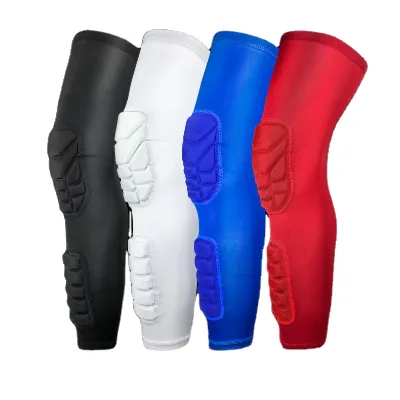
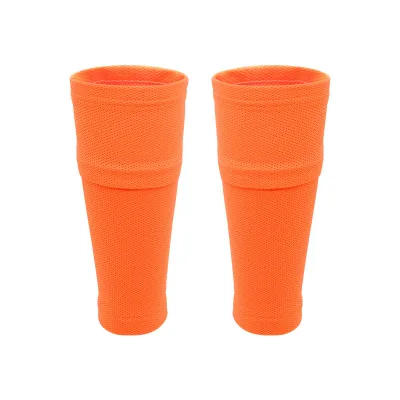
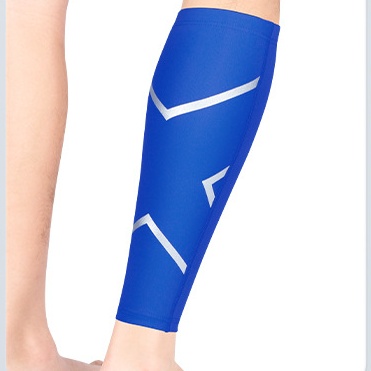
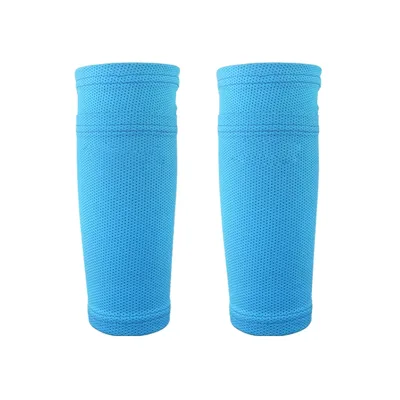
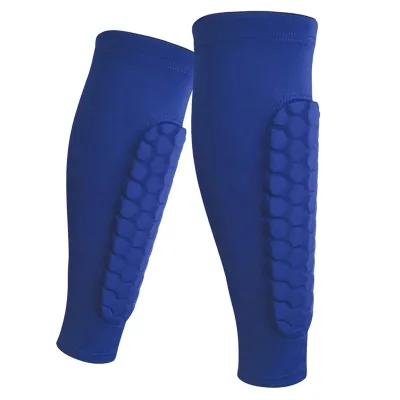
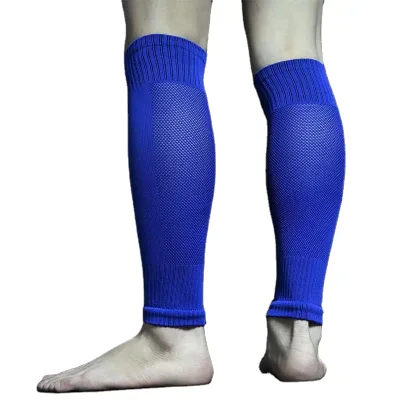
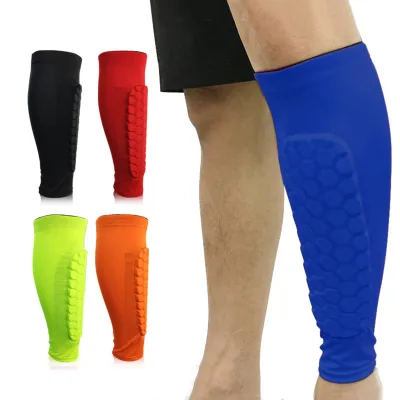
When sourcing lightweight sleeve shin guards, buyers must first distinguish between distinct product categories that often appear under similar search terms. The market presents two primary configurations: rigid or semi-rigid protective pads designed for impact absorption, and compression-style sleeves intended for support and muscle protection. Based on available product data, the "Sports Safety Shin Pads" category typically features a main material of Polypropylene (PP), offering what is classified as "Professional Protection." These units often come in adult sizes with a model number designation such as SG, packaged individually in OPP bags with a single gross weight of approximately 0.035 kg. In contrast, the "Calf Sleeve" or "Leg Guard" category utilizes materials like Polyester or "ok cloth," focusing on functions such as breathability, calf support, and anti-slip features. These sleeves are often available in multiple sizes ranging from M to XXL and may offer up to five color options.
The distinction in material composition is critical for procurement decisions. Polypropylene provides a rigid structure necessary for high-impact sports, whereas Polyester offers the elasticity required for compression and muscle recovery. Buyers should verify the specific "Protection class" listed by the supplier, as products are categorized as either "Professional Protection" or "Basic Protection." This classification directly influences the intended use case, with professional-grade items suitable for competitive contact sports and basic protection items better suited for training or recreational activities. The single package size also varies significantly, with rigid pads often measuring around 18x12x10 cm, while sleeves may be packaged in dimensions like 25x10x5 cm or 15x19x3 cm, affecting logistics and storage calculations.
Technical Performance and Material Composition
The technical performance of lightweight sleeve shin guards relies heavily on the interplay between material density, structural design, and intended function. For products utilizing Polypropylene, the primary attribute is structural integrity, ensuring the guard maintains its shape during impact. These units are often designed with a "Feature" profile that includes comfort and anti-slip properties, ensuring they remain in place during high-intensity movement. The "Single gross weight" for these rigid variants is notably low, recorded at 0.035 kg, which aligns with the "lightweight" descriptor in the core keyword.
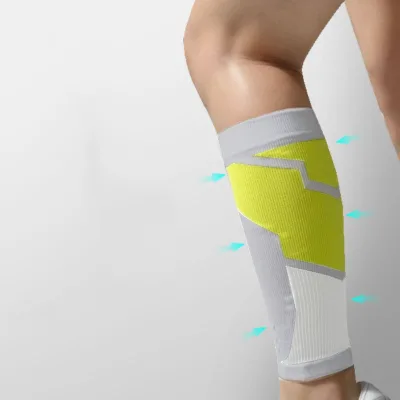
Conversely, Polyester-based sleeves prioritize flexibility and breathability. The "Function" attributes for these items frequently include "Breathable" and "Calf support," indicating a design focused on thermal regulation and muscle stabilization rather than blunt force trauma mitigation. The "Thickness" attribute for these sleeves is often listed as "Thin," which enhances mobility but reduces the level of impact protection compared to rigid pads. Buyers must evaluate the "Feature" claims such as "comfortable anti-slip protective" against the specific "Type" of product, which may be categorized as "Support" or "Leg Guard." The "Design" aspect, including options for custom designs and various color choices, allows for brand differentiation, but the core material properties must remain consistent with the safety requirements of the target sport.
Cost Drivers and Pricing Dynamics
The pricing structure for lightweight sleeve shin guards is influenced by several variables, including material costs, customization requirements, and order volume. The observed price range in the market spans from $0.78 to $5.30 USD per unit. This wide variance reflects differences in material quality, protection class, and branding. Products with "Professional Protection" ratings and Polypropylene construction tend to occupy the higher end of this spectrum, while basic Polyester sleeves with "Basic Protection" ratings often fall toward the lower end.
Minimum Order Quantity (MOQ) is a significant cost driver in this sector. Data indicates that MOQs can range from 1 to 1000 units, with specific listings showing thresholds of 500 or 800 pairs. Suppliers offering lower MOQs may charge a premium per unit to cover setup and production costs, whereas larger orders typically benefit from economies of scale. The "Payment Term" options, such as Credit Card or T/T (Telegraphic Transfer), can also impact the final landed cost, as different payment methods may incur transaction fees or require different deposit structures. Additionally, the "Logo" customization option, where suppliers accept "Customized Logo" requests, adds a layer of cost that varies based on the complexity of the printing or embroidery process. Buyers should calculate the total cost of ownership by factoring in these variables rather than focusing solely on the unit price.
Supplier Evaluation and Origin Verification
When evaluating potential suppliers for lightweight sleeve shin guards, the "Place of Origin" is a key indicator of manufacturing capabilities and supply chain reliability. The majority of observed products originate from Zhejiang, China, a region known for its extensive textile and sports equipment manufacturing infrastructure. This concentration of suppliers suggests a mature supply chain with established logistics networks. However, buyers must verify the specific "Brand Name" associated with the product, as listings may feature various brands such as "Zhongzhi" or "fele," or generic unbranded options.
Supplier credibility should be assessed through their willingness to provide detailed specifications and their adherence to "OEM&ODM" (Original Equipment Manufacturer/Original Design Manufacturer) requests. The acceptance of "OEM&ODM" indicates a supplier's flexibility in customizing products to meet specific buyer requirements, which is essential for private label operations. Buyers should also scrutinize the "Quality" claims, noting that some listings describe products as "High Qualiy" (High Quality), while others may lack specific quality descriptors. It is imperative to request evidence of consistent quality control processes rather than relying solely on marketing terms. The "Selling Units" designation, often listed as "Single item," suggests that suppliers are prepared to handle individual unit orders, but bulk purchasing agreements should be negotiated to ensure consistent pricing and delivery schedules.
Quality Control and Compliance Verification
Ensuring the quality and safety of lightweight sleeve shin guards requires a rigorous verification process, particularly regarding material standards and protective capabilities. While specific certification names are not universally listed in all product data, buyers must verify that the "Protection class" aligns with the safety standards required for the intended application. For "Professional Protection" items, compliance with relevant sports safety standards is non-negotiable. Buyers should request test reports or documentation confirming that the Polypropylene or Polyester materials meet the necessary durability and impact resistance criteria.
The "Feature" attributes, such as "comfortable anti-slip protective," should be validated through physical inspection or sample testing. The "Single gross weight" and "Single package size" provide baseline metrics for consistency; deviations from these specifications may indicate production inconsistencies. For "Calf Sleeve" products, the "Thickness" and "Breathable" functions must be verified to ensure they meet the comfort and performance expectations of the end-user. Buyers should also confirm the "Color" consistency, noting that some products offer "5 Options" while others are limited to specific colors like "black" or "C1." Establishing a clear quality control protocol that includes pre-shipment inspections is essential to mitigate the risk of receiving substandard goods.
Long-Term Procurement and Application Strategy
Successful long-term procurement of lightweight sleeve shin guards depends on aligning product selection with specific application needs and market trends. The "Applicable People" attribute, ranging from "Universal" to "Adult," helps buyers target the correct demographic. For sports requiring high mobility and muscle support, the "Calf Sleeve" with its "Leg Guard" type and "Support" function is ideal. For contact sports demanding impact resistance, the "Sports Safety Shin Pads" with "Professional Protection" are the superior choice. The "Season" attribute, listed as "All Seasons," indicates that these products are versatile and suitable for year-round use, making them a stable addition to a product catalog.
Buyers should also consider the "Style" and "Gender" attributes, with products often categorized as "Sports Outdoors" and "Unisex." This versatility allows for broader market appeal. The "Application" scope, which includes "Sports, Protection, Breathable," suggests that these products can be marketed for various activities beyond just competitive sports, such as fitness training or rehabilitation. To maintain a competitive edge, buyers should leverage the "Custom Desgin" and "Logo" acceptance capabilities to create unique product offerings. Establishing a reliable supply chain with suppliers who offer flexible "Payment Term" options and consistent "MOQ" structures will ensure business continuity and the ability to scale operations as demand grows. By focusing on these strategic elements, buyers can build a robust procurement strategy that balances cost, quality, and performance.
FAQs
What material is used for professional protection shin pads?
Professional protection shin pads typically use Polypropylene (PP) as the main material. This rigid material ensures structural integrity for high-impact sports, unlike basic sleeves which often use Polyester or cloth for flexibility and breathability.
How does the protection class differ between product types?
Products are classified as either Professional Protection or Basic Protection. Professional pads offer impact absorption for competitive contact sports, while basic sleeves provide muscle support and are better suited for training or recreational activities.
Which minimum order quantity should I expect for these items?
Minimum order quantities range from 1 to 1000 units depending on the supplier. Specific listings show thresholds of 500 or 800 pairs, with lower MOQs often carrying a higher per-unit cost to cover setup expenses.
Can I request a customized logo on these shin guards?
Yes, suppliers generally accept customized logo requests for branding purposes. This customization adds a layer of cost that varies based on the complexity of the printing or embroidery process applied to the product.
Where are the manufacturers of these products located?
The majority of observed products originate from Zhejiang, China. This region has a mature supply chain for textile and sports equipment manufacturing, offering established logistics networks for international buyers.
What is the typical price range for lightweight sleeve shin guards?
The observed price range spans from 0.78 to 5.30 USD per unit. This variance reflects differences in material quality, protection class, and branding, with professional pads often costing more than basic sleeves.