Source Lightweight Racing Floor Jack for Garage, Pit, and Track
Compare 30 Lightweight Racing Floor Jack options from verified Chinese manufacturers. Evaluate hydraulic capacities, lifting heights, and materials like aluminum or steel to find the ideal tool for automotive maintenance and professional racing environments; compare the available evidence and request quotations based on your requirements.
Key considerations
Products List


Wholesale Hydraulic Floor Jack for Cars Lightweight Aluminum Racing Car Jack
$17.00 - $67.00
MOQ: 1 Pieces


Hydraulic Low Profile Racing Floor Jack with Dual Piston Quick Lift Pump
$90.25 - $95.00
MOQ: 1 Pieces


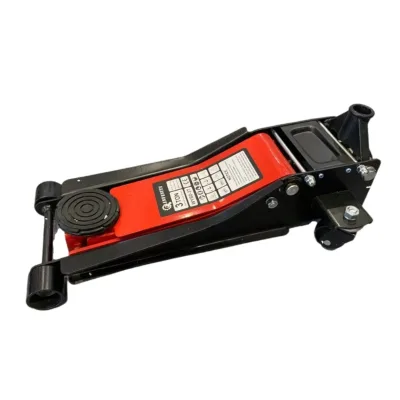


3t CE/TUV/GS Approved Hydraulic Aluminum Racing Jack Trolley Floor Jack
$93.00 - $98.54
MOQ: 300 Pieces
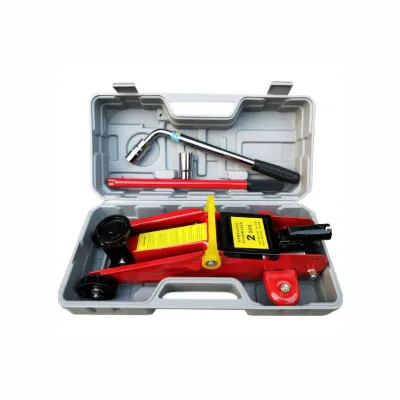


Comprehensive Sourcing Guide
Lightweight Racing Floor Jack Sourcing Guide
Procuring a Lightweight Racing Floor Jack requires balancing high lifting capacity with portability for pit crew efficiency. The observed market data indicates a diverse range of hydraulic floor jacks with capacities spanning from 3 tons to 10 tons, ensuring options exist for various vehicle classes. Buyers must prioritize models where the structural design supports rapid deployment while maintaining stability under heavy loads during race preparation.
The specific product attributes reveal that many units feature a minimum height as low as 75mm, which is critical for accessing low-clearance racing chassis. However, maximum lifting heights vary significantly, ranging from 400mm to over 500mm, necessitating careful selection based on the specific suspension travel requirements of the target vehicle. This variation demands a precise match between the jack's stroke and the vehicle's lifting points to ensure safe and effective operation.
Product Scope and Observed Listing Signals
The current market listings demonstrate a clear segmentation between general-purpose floor jacks and specialized racing units, with the latter often emphasizing reduced weight and compact dimensions. Observed specifications show net weights fluctuating between 26kg and 32kg, with some aluminum construction models offering distinct advantages for teams requiring frequent transport. The presence of wooden cases and color boxes suggests varying levels of packaging protection, which can influence the final cost and condition upon arrival.
Buyers should scrutinize the listed product models, such as the S490, FL0202, and TT604C, as these identifiers often correlate with specific design features like pedal operation or single-package sizes. The data indicates that while some units are marketed with a 3-ton rated load, others support capacities up to 10 tons, requiring a clear definition of the intended application before narrowing the supplier list. Understanding these listing signals helps in filtering out generic industrial jacks that lack the agility required for racing environments.
Technical Specifications to Verify
Verifying the physical dimensions and lifting geometry is paramount when selecting a hydraulic jack for racing applications. The observed size specifications, such as 622323172mm or 740350210mm, directly impact the jack's footprint and maneuverability within a confined pit box. Buyers must confirm that the minimum height aligns with their vehicle's ground clearance, as models with a 130mm or 150mm minimum may fail to engage low-profile race cars effectively.
The lifting height and stroke capacity are equally critical, with observed ranges extending from 360mm to 510mm depending on the specific model. A jack with a 360mm lifting height might be insufficient for certain suspension setups, whereas a 510mm stroke provides greater versatility for different track conditions. Additionally, the material composition, including aluminum or steel variants, influences the overall weight and durability, requiring a trade-off analysis between portability and long-term structural integrity under repeated use.
Compliance and Safety Documentation
Safety documentation for hydraulic lifting equipment must include valid certifications that verify the structural integrity and operational safety of the product. The observed market data lists certifications such as ISO 9001 and CE, which serve as baseline indicators that the manufacturer adheres to recognized quality management and safety standards. Buyers should request specific test reports or compliance certificates for the exact model number to ensure the product meets the rigorous demands of professional racing environments.
Beyond general certifications, the specific standard of the product, such as the 191*154mm dimension reference or the 3t with pedal specification, must be cross-referenced with the intended load requirements. It is essential to verify that the rated load matches the actual capacity claims, as discrepancies can lead to catastrophic failure during high-stakes operations. Ensuring that the documentation explicitly covers the hydraulic system's pressure limits and safety valves is a non-negotiable step in the procurement process.
Cost Drivers and Commercial Terms
The final cost of a Lightweight Racing Floor Jack is driven by a combination of material selection, packaging requirements, and the complexity of the hydraulic system. Aluminum construction models often command a premium due to their reduced weight, while steel units may offer a more budget-friendly alternative with slightly higher mass. The observed price range of 1 to 700 USD reflects this variability, with higher prices typically correlating to specialized racing features, enhanced durability, or branded components like FLASHUP.
Commercial terms such as payment methods including D/A, T/T, L/C, and D/P provide flexibility for international transactions but require careful negotiation to manage cash flow risks. The minimum order quantity (MOQ) varies from 1 set to 500 units, allowing small racing teams to purchase single units while larger fleets can leverage bulk discounts. Buyers must also account for shipping costs associated with heavy packaging, such as wooden cases or blow boxes, which can significantly impact the total landed cost of the equipment.
Supplier Qualification and Quality Control
Supplier qualification should focus on verifying the origin and manufacturing capabilities of the provider, as the data indicates production primarily from regions like Jiaxing, Zhejiang, and Hebei, China. Buyers must assess the supplier's ability to maintain consistent quality across batches, especially given the variation in observed weights and dimensions for similar model numbers. A robust quality control process is essential to ensure that every unit meets the specified rated load and structural standards before shipment.
Quality control checks should include visual inspections for defects in the hydraulic seals and structural welds, as well as functional testing of the lifting mechanism. The presence of customization options suggests that suppliers may offer tailored solutions, but this requires clear communication of technical requirements to avoid misalignment. Establishing a relationship with a supplier who can provide detailed product specifications and responsive after-sales support is crucial for maintaining operational readiness in a racing context.
Long-Term Procurement Checks
Long-term procurement success depends on establishing a reliable supply chain that can consistently deliver high-quality hydraulic jacks with minimal lead time disruptions. Buyers should monitor the supplier's ability to maintain inventory levels for critical spare parts, such as seals and valves, to ensure quick repairs and minimal downtime during the racing season. Regular audits of the supplier's production lines can help identify potential quality drifts before they impact the performance of the equipment.
Continuous evaluation of the product's performance in real-world racing conditions is necessary to validate the initial selection and inform future purchasing decisions. Tracking metrics such as the frequency of maintenance required and the durability of the lifting mechanism under repeated use will provide valuable data for optimizing the fleet. By maintaining a proactive approach to supplier management and product verification, racing teams can ensure their equipment remains reliable and safe throughout the competitive season.
FAQs
What is the lifting capacity of the Lightweight Racing Floor Jack?
The rated load capacity is 3 tons, which is suitable for most racing and automotive applications. This hydraulic floor jack provides reliable lifting performance for vehicles within this weight limit. Buyers should verify specific model requirements to ensure compatibility with their vehicle's weight and lifting points for safe operation.
How high can this hydraulic floor jack lift a vehicle?
The lifting height ranges from a minimum of 75mm to a maximum of 510mm depending on the specific model. This wide range allows for versatile use across different vehicle types. The 360mm lifting height specification ensures sufficient clearance for most racing and standard automotive maintenance tasks.
Can I customize the Lightweight Racing Floor Jack for my needs?
Yes, customization is available for these hydraulic floor jacks. Buyers can request specific modifications to meet unique operational requirements. This flexibility allows for tailored solutions in racing or specialized automotive environments. Contact suppliers directly to discuss specific customization options and feasibility for your particular use case.
What is the minimum height when the jack is fully lowered?
The minimum height varies by model, with some starting at 75mm and others at 130mm or 150mm. This low profile allows the jack to slide under vehicles with limited ground clearance. Selecting the appropriate model based on your vehicle's minimum height is crucial for effective and safe lifting operations.
What certifications do these floor jacks typically hold?
Many models hold ISO 9001 and CE certifications, indicating compliance with international quality and safety standards. These certifications ensure that the hydraulic floor jacks meet rigorous manufacturing and performance criteria. Buyers should verify specific certification documents with suppliers to confirm compliance with local regulations and safety requirements.
What is the typical packaging for these hydraulic floor jacks?
Packaging options include wooden cases, wooden boxes, color boxes, or carton boxes depending on the model. Robust packaging ensures safe transportation and protection during shipping. Buyers should specify their preferred packaging type when ordering to ensure the product arrives in optimal condition for immediate use or resale.