Source Lightweight Travel Laptop Case for School Gym Work
Compare 30 Lightweight Travel Laptop Case options featuring waterproof, shockproof, and multi-functional designs. Buyers can evaluate sizes for 13 to 15 inch devices, adjustable shoulder straps, and customization availability from Chinese manufacturers; compare the available evidence and request quotations based on your requirements.
Updated
Key considerations
Products List
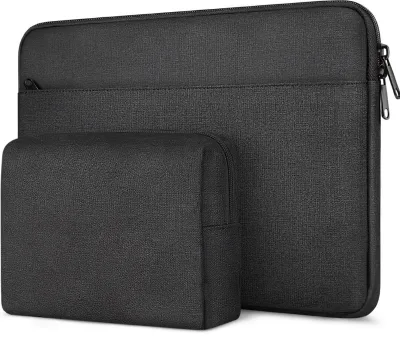
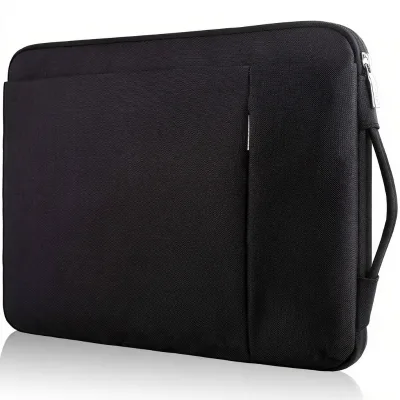
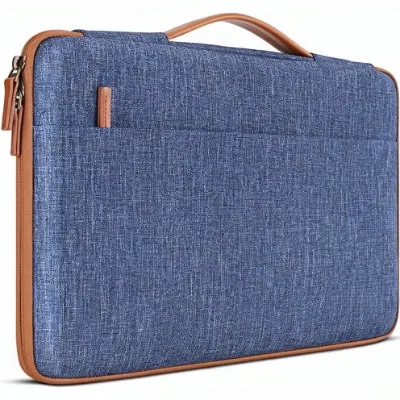


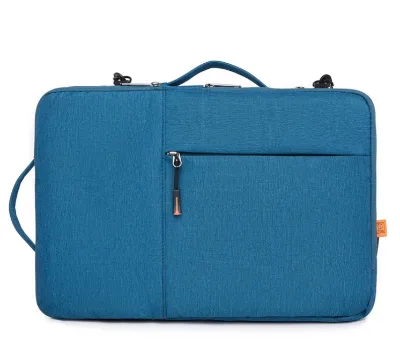
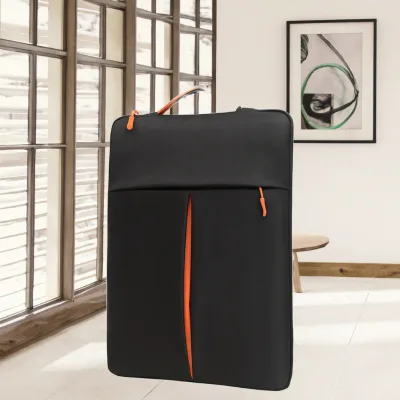


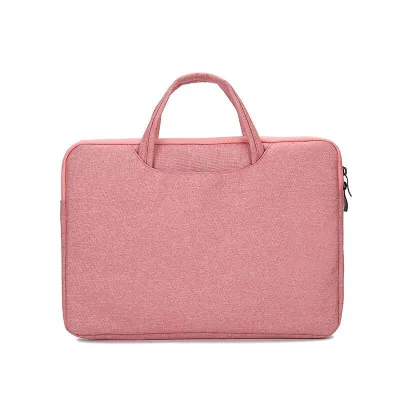
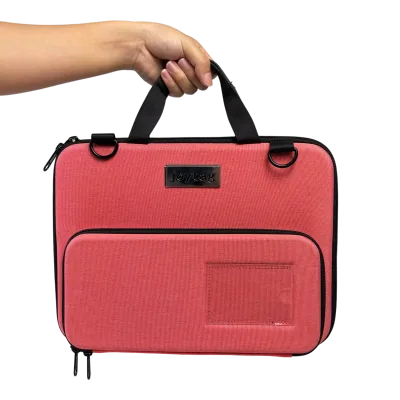
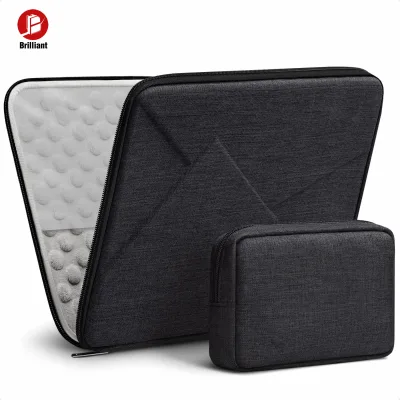
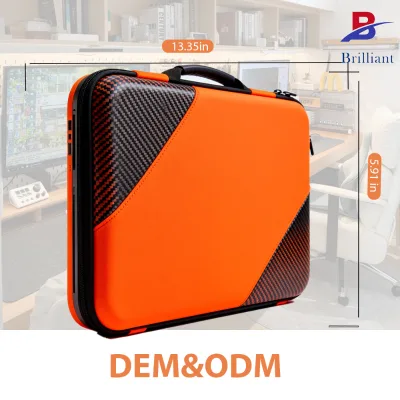
Luxury Waterproof Laptop EVA Case Portable Laptop Protective Travel Case
$2.57 - $2.89
MOQ: 500 pieces
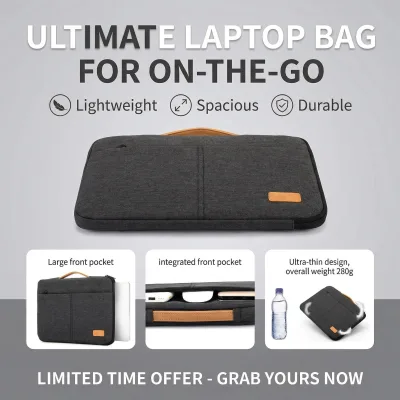
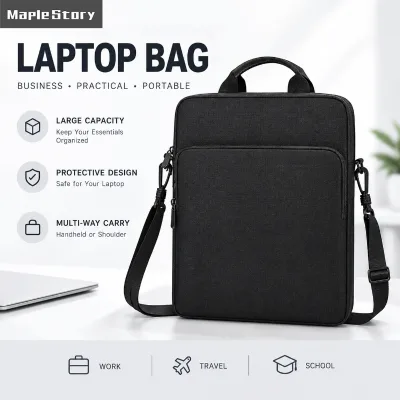
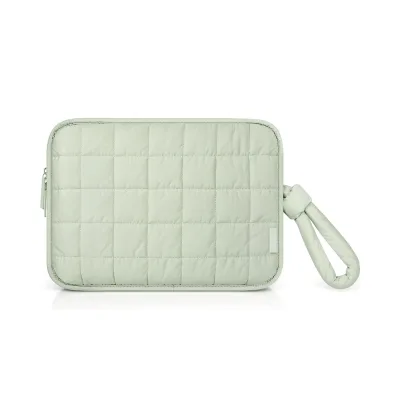
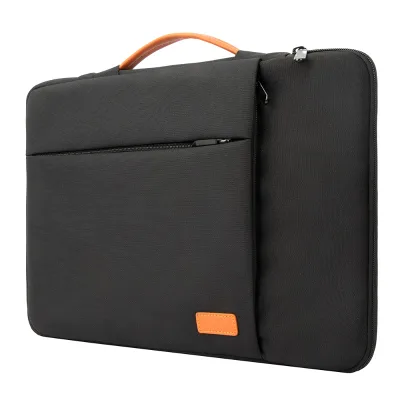
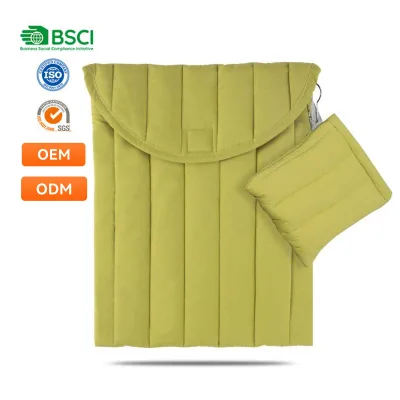


Business Travel Laptop Felt Sleeve Bag Laptop Bag Protective Case Cover
$0.835 - $1.785
MOQ: 500 Pieces


Comprehensive Sourcing Guide
Lightweight Travel Laptop Case Sourcing Guide
Sourcing a Lightweight Travel Laptop Case requires balancing protection, portability, and commercial practicality across a product category that spans simple sleeves and multi-functional messenger-style bags. The listings observed in this category show considerable variation: models designed for 13-inch through 15-inch laptops, single-shoulder and double-shoulder shapes, sleeve and business styles, and feature sets ranging from basic waterproofing to shockproof construction with detachable shoulder straps. Prices observed in listings range widely, and minimum order quantities span from single-piece samples to hundreds of units, which means buyers must first define their channel—retail, corporate gifting, or e-commerce—before comparing suppliers.
This guide walks through the full procurement cycle for buyers sourcing from manufacturing hubs such as Quanzhou, China, where many of these products originate. Each section addresses a distinct decision point: defining scope, verifying specifications, confirming compliance, negotiating commercial terms, qualifying suppliers, and planning long-term quality assurance. Treat all product attributes discussed here as observations from listed pages rather than guarantees that any specific listing satisfies them; independent verification remains the buyer's responsibility at every stage.
Product Scope and Observed Listing Signals
The observed listings cover several distinct product archetypes. Slim sleeves, such as models with dimensions around 3929.52 cm or 40 x 28 x 2 cm, target buyers prioritizing minimal weight and footprint. Structured cases with internal computer interlayers and main-bag compartments serve commuters who need organization beyond a single pouch. Messenger and double-shoulder styles with multilevel adjustable straps, marketed for school, gym, work, outdoor, and travel use, occupy the middle of the range. One observed model, NB0053, lists a 41306CM standard with a main-bag internal structure, while model NB0096 lists 16.89 x 13.07 x 1.93 inches with waterproof, shockproof, multi-functional, lightweight, and detachable shoulder strap features.
Color and size signals also matter for assortment planning. Listings show black, blue, and grey colorways, one listing offering colors 1 through 4, and size options spanning 13", 14", and 15" fittings, with one listing offering M and S size variants. Unisex positioning and leisure or simplicity styling recur across listings, and several explicitly advertise customization availability. Buyers should map these observed attributes against their target customer profile before requesting quotations, since feature depth drives both unit cost and MOQ expectations.
Technical Specifications to Verify
Start with fit and dimensions. Observed listings specify laptop compatibility of 13", 14", and 15", but nominal screen sizes do not guarantee fit for particular laptop models with thicker chassis or attached accessories. Request internal dimensions rather than external ones—one listing states 19.3 x 13.19 x 4.53 inches or custom, which suggests suppliers can adjust sizing— and confirm corner clearance and closure type. Verify weight claims independently: one listing declares 0.7 kg, which is plausible for a structured case but should be confirmed against a physical sample, since "lightweight" is a marketing attribute with no enforced definition.
Next, verify construction details that determine durability and user experience. Where listings claim waterproof or water-resistant behavior, ask what that means operationally—fabric coating, zipper water resistance, or full seam sealing—and request clarification in writing. Confirm materials: one observed listing specifies polyester inside material, and another references PVC-free construction. Check strap attachment points, zipper quality, stitching density, and padding thickness. For models with a computer interlayer, ask about suspension or buffer design. Every claimed feature—shockproof, detachable strap, multilevel adjustment—should appear in the purchase specification with an agreed inspection method.
Compliance and Safety Documentation
One observed listing states quality compliance with REACH / RoHS and PVC & Pfc-Free status. This is a meaningful signal for buyers selling into regulated markets, but a listing claim is not a certificate. Request the actual test reports from accredited laboratories, confirm they are current and cover the specific materials and colorways in your order, and verify that the reporting entity matches the supplier's legal name. Restrictive substances in coatings, dyes, zippers, and foams are common audit findings in bag manufacturing, so screen each component family rather than relying on a single blanket report.
Buyers should also clarify which regulations apply in their destination markets before finalizing orders—chemical restrictions, labeling requirements, and packaging rules vary by jurisdiction, and this guide does not assert specific obligations for any market. Ask suppliers to disclose their material sourcing for fabrics, trims, and printing inks, since customization work such as logo printing or dyeing can introduce substances not covered by base-material test reports. Build certificate verification into your onboarding checklist and repeat it at defined intervals, because compliance documents can lapse or become mismatched with revised production materials over successive orders.
Cost Drivers and Commercial Terms
Observed listing prices range from roughly 0.18 to 11.06 USD, an enormous spread that reflects differences in product type, materials, order volume, and whether listings represent samples or bulk tiers. Do not compare prices across listings without normalizing for size, features, and quantity. Key cost drivers include padding thickness, waterproof treatments, hardware quality, custom printing, and packaging—one listing specifies carton packing, another one piece per poly bag with several per carton, and packing format affects both unit cost and freight volume.
Commercial terms observed in listings include MOQs of 500 pieces for some models and as low as single units for others, with sample lead times quoted at 5–7 days in two listings. Negotiate the full structure rather than the unit price alone: sample cost and creditability against bulk orders, tiered pricing by quantity, tooling or print-setup fees for customization, payment terms, Incoterms, and packaging specifications. Clarify whether customization availability affects MOQ—an observation from one listing suggests customization is offered, but customized runs often carry higher minimums. Put every agreed term into the proforma invoice before production begins.
Supplier Qualification and Quality Control
Qualify suppliers with evidence, not listings. Verify business licenses, years in operation, and production capability—ideally through a factory audit or a third-party inspection visit, particularly for orders involving customized work. Ask about in-house versus outsourced processes such as cutting, sewing, printing, and quality inspection, since outsourced steps reduce your control over consistency. Request references or transaction history where available, and confirm the supplier can actually produce the specific features claimed, such as detachable shoulder straps or shockproof padding, by reviewing samples rather than photographs.
Establish a quality control plan before mass production. Typical checkpoints include an approval sample (the "golden sample"), incoming material inspection, in-process checks during sewing and assembly, and a pre-shipment inspection based on an agreed defect classification. Define measurable acceptance criteria: stitch density, strap pull strength, zipper cycle counts, dimensional tolerance against the stated standard (for example, the observed 41306CM or 3929.52 cm specifications), and color consistency across the black, blue, grey, or numbered colorways in your order. Document everything in the purchase contract so inspection results are enforceable, not advisory.
Long-Term Procurement Checks
Treat the first order as a qualification phase. Track defect rates, packaging condition on arrival, and customer returns to build an objective performance record for each supplier. Re-verify compliance documents annually or whenever materials change, and re-confirm that production samples still match the golden sample on repeat orders—material substitutions are a common source of gradual quality drift. Maintain dimension and feature specifications in a controlled document so that both parties reference identical requirements across seasons and reorders.
Plan assortment evolution deliberately. The observed category includes multiple size fittings (13", 14", 15") and style variants (sleeve, single shoulder, double shoulder, business, leisure), which gives buyers room to expand ranges with an existing qualified supplier rather than onboarding new vendors for each extension. Review pricing at each reorder against material cost movements, and keep a secondary supplier qualified for core SKUs to reduce dependency risk. Finally, archive all inspection reports, certificates, and correspondence in a structured way; disciplined records shorten disputes, support audits, and make future sourcing negotiations substantially faster and better informed.
FAQs
What sizes are available for the Lightweight Travel Laptop Case?
The Lightweight Travel Laptop Case is available in 13, 14, and 15 inch sizes to fit various laptops. Specific models support 14-inch or 15-inch devices, ensuring a secure fit for your equipment during travel or daily use.
Can I customize the color and style of this laptop case?
Customization is available for this Lightweight Travel Laptop Case, allowing you to select from colors like black, blue, grey, or numbered options. The style can be chosen as leisure, simplicity, or business to match your specific needs.
What is the minimum order quantity for purchasing these cases?
The minimum order quantity for these lightweight travel laptop cases is 500 pieces. This standard MOQ applies to most models, ensuring efficient production and shipping for bulk buyers seeking reliable sourcing solutions for their inventory.
How long does it take to receive a sample of the case?
It takes 5 to 7 days to receive a sample of the Lightweight Travel Laptop Case. This sample time allows buyers to verify quality and features before committing to a larger order of 500 pieces or more.
Which materials are used to construct the Lightweight Travel Laptop Case?
The Lightweight Travel Laptop Case is constructed with polyester as the inside material. It features waterproof and shockproof properties, making it suitable for school, gym, work, outdoor activities, and travel while protecting your computer.
What certifications does the Lightweight Travel Laptop Case meet?
The Lightweight Travel Laptop Case meets quality standards including Reach, RoHS, and is PVC and Pfc-Free. These certifications ensure the product is safe and compliant with international environmental and safety regulations for electronic accessories.
Where is the Lightweight Travel Laptop Case manufactured and shipped from?
The Lightweight Travel Laptop Case is manufactured in China, with specific origins noted in Quanzhou. Products are packed in cartons or poly bags, ready for international shipping to meet global demand for durable laptop protection.