Source Lightweight Summer Running Sneakers for jogging, gym, and casual use
Explore 30 verified listings for Lightweight Summer Running Sneakers designed for breathability and comfort. Buyers can compare features like mesh uppers, EVA insoles, and anti-slip soles across various styles including basketball and tennis options.
Key considerations
Products List


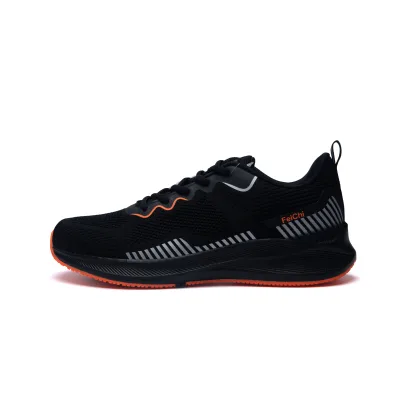


Women's Lightweight Running Sneakers with Fashionable Design for Morning Jogs
$10.80 - $18.50
MOQ: 500 Pieces

Lightweight Marathon Running Shoes and Durable Sneaker for Hiking and Daily Commuting
$10.80 - $18.50
MOQ: 500 Pieces

High-Performance Running Footwear and Casual Sneakers for Marathon Athletes
$10.80 - $18.50
MOQ: 500 Pieces

Shock-Absorbing Running Shoes and Comfortable Sneakers for Outdoor Sports and Jogging
$10.80 - $18.50
MOQ: 500 Pieces

Durable Comfort Running Shoes and Outdoor Sneaker for Long-Distance Hiking and Jogging
$10.80 - $18.50
MOQ: 500 Pieces

Durable Hiking Shoes and Shock-Absorbing Running Sneakers for Outdoor Adventures
$10.80 - $18.50
MOQ: 500 Pieces


Comprehensive Sourcing Guide
Strategic Sourcing Guide for Lightweight Summer Running Sneakers
Procuring Lightweight Summer Running Sneakers requires a nuanced understanding of material science, seasonal performance requirements, and supply chain logistics. The global market for athletic footwear has seen a significant shift toward breathable, low-weight constructions designed to withstand high-temperature environments while maintaining structural integrity. For B2B buyers, the objective is to identify products that balance the competing demands of ventilation, durability, and cost-efficiency. This guide outlines the critical technical specifications, compliance considerations, and supplier evaluation metrics necessary for a successful procurement strategy, grounded in the observable attributes of current market offerings.
Technical Specifications and Material Composition
The defining characteristic of a summer running sneaker is its ability to manage heat and moisture. Based on observed product attributes, the upper material is frequently constructed from Mesh or Knitted Fabric, often utilizing Flyknit technology. These materials are selected specifically for their high porosity, which facilitates rapid air circulation and reduces the overall weight of the shoe. The insole material is predominantly EVA (Ethylene Vinyl Acetate), a foam known for its lightweight properties and shock-absorbing capabilities, which is essential for running applications.
The sole composition varies but often includes TPR (Thermoplastic Rubber) or Rubber, providing the necessary traction and durability. A critical observation in the current market is the divergence in heel height. While some models are categorized as "Flat" with a heel height of 0-1cm, others are specified as "Low Heel." For running applications, the heel-to-toe drop is a vital specification that affects the runner's gait. Buyers must verify the specific heel height relative to the intended use case, as a flat sole may be preferred for specific training styles, while a low heel offers a more traditional running profile.
Furthermore, the closure pattern is a key functional element. The market shows a split between Lace-up systems and Elastic Band designs. Lace-up closures offer adjustability, allowing the wearer to secure the foot tightly during high-intensity runs. Conversely, Elastic Band closures, sometimes described as "Lace-on" or slip-on styles, prioritize ease of wear and a streamlined profile. The toe box is consistently observed as "Round," which generally accommodates a wider range of foot shapes, reducing the risk of blisters during long-distance running. The color palette is diverse, ranging from Multi-color options to solid Black, Grey, Green, and White, allowing for brand customization or specific team uniform requirements.
Seasonal Performance and Functional Features
Seasonality is a primary driver for the design of these sneakers. The "Summer" designation implies a focus on thermal regulation. The product features frequently listed include "Breathable," "Anti-microbial," and "Anti-odor" properties. These are not merely marketing terms but functional requirements for summer footwear. The breathable nature of the Mesh and Knitted uppers works in tandem with the anti-microbial lining, often made of Cotton Fabric, to prevent the buildup of bacteria and fungi in warm, moist conditions.
Water resistance is another critical specification to verify. The market data indicates a clear distinction between "Waterproof" and "Not Waterproof" models. For summer running, where sudden rain showers are common, a waterproof feature can be a significant value-add. However, it is important to note that waterproof membranes can sometimes compromise breathability. Buyers must weigh the need for weather protection against the primary requirement of ventilation. Additionally, the "Anti-slippery" and "Anti-slip Pattern" features on the sole are essential for safety on wet pavement or track surfaces, ensuring stability during the run.
The design aesthetic also plays a role in performance. The "Curve" design and "Resilient" features suggest a focus on dynamic movement and energy return. The "Lightweight" attribute is consistently highlighted, which directly correlates to reduced fatigue over long distances. The "Cushioning" feature, often derived from the EVA insole and TPR sole, is crucial for impact absorption. Buyers should ensure that the cushioning is balanced with the "Lightweight" requirement, as excessive cushioning can add unnecessary mass.
Compliance, Standards, and Certification Verification
When sourcing footwear, compliance with safety and quality standards is paramount. While specific certification names are not universally mandated for all products, buyers must verify that the materials used meet relevant safety standards for textiles and rubber. The product origin is identified as China, a major manufacturing hub, which necessitates rigorous quality control to ensure consistency.
Buyers should request documentation regarding the "prod_standard" dimensions, which often relate to packaging and shipping specifications (e.g., 351220CM or 304020). These dimensions are critical for logistics planning and cost calculation. Furthermore, the "Model Number" (e.g., If2411, If2410, 2025, CMJL-6W-022) serves as a unique identifier for tracking and quality assurance. It is essential to ensure that the model numbers correspond to the specific technical specifications required, as variations in model numbers often indicate changes in material composition or design.
Regarding certifications, buyers should verify that the "Anti-microbial" and "Anti-odor" claims are supported by third-party testing data. While the supply chain may offer these features, the absence of specific certification data in the initial listing means that verification is the buyer's responsibility. Similarly, the "Waterproof" claim should be validated against standard water resistance tests, such as the ISO 20344 standard for safety footwear, if applicable to the specific use case.
Cost Drivers and Pricing Dynamics
The pricing for Lightweight Summer Running Sneakers in the observed market ranges from $6.55 to $158.80 USD. This wide variance is driven by several factors, including material quality, brand positioning, and production complexity. The lower end of the price spectrum typically corresponds to basic Mesh uppers with standard EVA insoles and simple Lace-up closures. The higher end often features advanced Knitted Fabric or Flyknit technology, enhanced cushioning systems, and specialized anti-microbial treatments.
The "Minimum Order Quantity" (MOQ) is another significant cost driver. The observed MOQ range spans from 1 to 500 units. For buyers testing the market, an MOQ of "One Pair" or "Small Orders: Accepted" allows for sample acquisition without significant financial risk. However, larger orders typically yield better unit economics. The "Delivery Time" is noted as "About Three Days" for certain models, which suggests a high level of inventory readiness or a streamlined supply chain. This rapid lead time can be a competitive advantage for buyers needing quick replenishment.
The "prod_packing" specification, whether "with Box" or "Box," also impacts the final cost. Packaging that includes a branded box adds to the material and labor costs but enhances the product's retail value. Buyers must decide whether the added cost of premium packaging aligns with their target market's expectations.
Supplier Evaluation and Quality Control
Evaluating suppliers for Lightweight Summer Running Sneakers requires a focus on consistency and transparency. The "Brand Name" (e.g., xiangchi) and "Model Number" provide a baseline for identification, but buyers should look beyond these identifiers. A key indicator of supplier reliability is the ability to provide samples. The attribute "You Can Take a Sample" is a positive sign, indicating that the supplier is confident in their product quality and willing to let the buyer verify it firsthand.
Quality control should focus on the integrity of the stitching, the durability of the sole attachment, and the consistency of the color. The "Round" toe and "Medium" opening depth are design features that should be inspected for comfort and fit. Buyers should verify that the "Unisex" designation is accurate and that the sizing (US: 6-10.5, EUR: 36-45) is consistent across the batch. Inconsistent sizing can lead to high return rates and customer dissatisfaction.
Additionally, the "Use" category, which includes "Casual," "Sports Shoes," "Basketball," "Gym & training," "Running & jogging," and "Tennis," indicates the versatility of the product. Buyers should ensure that the specific model they are sourcing is optimized for the intended use. A shoe designed for casual wear may not provide sufficient support for high-intensity running, and vice versa. The "Style" attributes should align with the functional requirements of the target application.
Long-Term Procurement Considerations
Sourcing Lightweight Summer Running Sneakers is not a one-time transaction but a long-term relationship. Buyers should consider the scalability of the supplier's production capacity. The ability to handle orders ranging from single pairs to 500 units suggests flexibility, but the supplier must demonstrate the ability to scale up for larger contracts without compromising quality.
The "Customization" attribute is a significant factor for long-term procurement. The availability of customization allows buyers to tailor the product to their brand's specific needs, such as custom colors, logos, or packaging. This flexibility can be a key differentiator in a competitive market. However, customization often comes with higher MOQs and longer lead times, which must be factored into the procurement plan.
Finally, buyers should monitor the "Season" attributes closely. While "Summer" is the primary focus, the market also lists "Spring/Autumn" and "Winter" options. This indicates that some suppliers offer year-round solutions, which can be beneficial for buyers looking to diversify their inventory. However, the specific features for summer, such as the Mesh upper and breathable lining, may not be suitable for winter conditions. Buyers must ensure that the product specifications match the seasonal demands of their target market to avoid inventory stagnation.
Comparative Analysis of Key Product Attributes
To facilitate decision-making, the following table summarizes the key attributes observed in the market for Lightweight Summer Running Sneakers. This comparison highlights the variations in materials, features, and specifications that buyers should consider.
| Attribute Category | Observation A | Observation B | Observation C |
|---|---|---|---|
| Upper Material | Mesh | Knitted Fabric | Flyknit |
| Insole Material | EVA | EVA | EVA |
| Sole Material | TPR | Rubber | Rubber |
| Heel Height | Flat (0-1cm) | Low Heel | Flat |
| Closure Type | Lace-up | Elastic Band | Lace-on |
| Waterproof | Not Waterproof | Waterproof | Not Waterproof |
| Season | Summer | Spring/Autumn, Summer, Winter | Summer |
| Key Features | Breathable, Anti-microbial | Anti-odor, Anti-slippery, Cushioning | Resilient, Lightweight |
| Packaging | with Box | Box | with Box |
| Origin | China | China | China |
This table illustrates that while the core function remains consistent, the specific implementation of materials and features varies. Buyers must select the combination that best fits their specific requirements for breathability, support, and durability. By carefully analyzing these attributes, B2B buyers can make informed decisions that align with their strategic goals and market demands.
FAQs
How can I find Lightweight Summer Running Sneakers with low MOQs?
You can source these sneakers with a minimum order quantity as low as one pair. Some suppliers accept small orders and offer samples for evaluation before bulk purchasing. This flexibility allows buyers to test product quality without significant financial risk.
What materials are used for the uppers of these sneakers?
The uppers are commonly constructed from Mesh, Knitted Fabric, or Flyknit technology. These materials are selected for their high porosity to facilitate rapid air circulation and reduce overall weight, which is essential for summer running applications.
Which heel height options are available for summer running shoes?
Available heel heights include Flat, defined as 0-1cm, and Low Heel. Buyers must verify the specific heel height relative to their intended use case, as flat soles suit specific training styles while low heels offer a traditional running profile.
Can I customize the size and color of these sneakers?
Yes, customization is available for custom sizes ranging from US 6 to 10.5 and various colors like Black, Grey, Green, and White. Customization allows buyers to tailor the product to specific brand needs, though it may affect lead times and order quantities.
How long is the delivery time for these products?
The delivery time for certain models is about three days. This rapid lead time suggests a high level of inventory readiness, which can be a competitive advantage for buyers needing quick replenishment of stock for the summer season.
What features ensure breathability and odor control in these shoes?
Key features include breathable Mesh or Knitted uppers and Anti-microbial, Anti-odor, and Resilient properties. The lining is often made of Cotton Fabric to prevent bacteria buildup in warm conditions, working in tandem with the upper material for thermal regulation.
Are these sneakers waterproof or water-resistant?
Market offerings include both Waterproof and Not Waterproof models. Buyers must weigh the need for weather protection against ventilation, as waterproof membranes can sometimes compromise breathability, which is a primary requirement for summer running footwear.