Daily Travel Messenger Bag Suppliers and Manufacturers
Compare 26 verified Daily Travel Messenger Bag suppliers by response time, lead time, and certifications like TüVRheinland and BV. Review product specs including material and MOQ before contacting factories for samples; review the available evidence before requesting comparable quotations from suitable candidates.
Updated
Suppliers List
Shenzhen Fengda Hongding Gift Co., Ltd.
- Verified by TüVRheinland
- Manufacturer, Trading Company
- Lead time32 days
- Avg. response≤ 3h
Main productsBoard Game Bag, Golf Trunk Organizer, Canvas Tool Bag, Barber Bag, Stroller Travel Bag
Main marketsNorth America(50%), Eastern Europe(10%), Western Europe(10%)
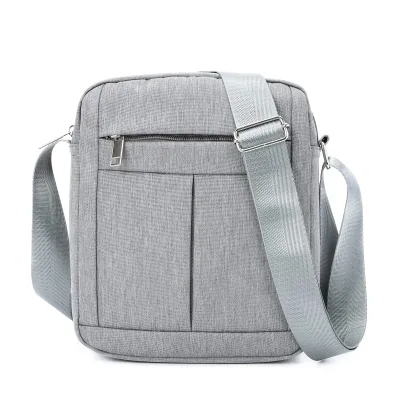
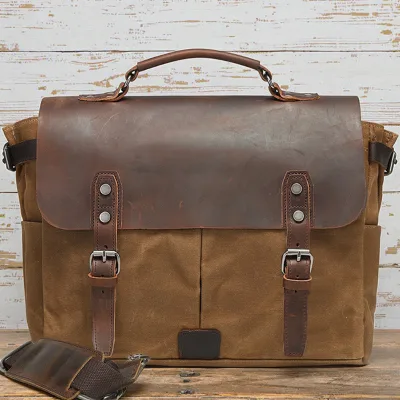
Large Casual Shoulder Bag for Men Crossbody Travel Bag Durable Everyday Messenger Bag
$5.60 - $5.90
MOQ: 500 pieces
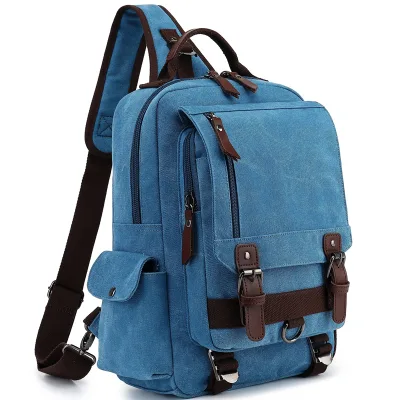
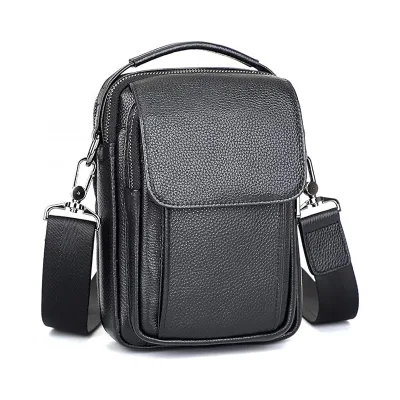

Quanzhou Song Hu Bags Co., Ltd.
- Verified by BV
- Combined
- China Fujian
- Lead time30 days
- Avg. response≤ 2h
Main productsTravel Bag, Backpacks, School Bag, Cooler Bag, Bike Bags, Laptop Documents Briefcase, Documents Bag, Sports Bag, Hydration Bag, Mountain Backpacks
Main marketsDomestic

Quanzhou Changyi Crafts Gifts Limited
- Verified by TUVRHEINLAND
- Manufacturer/Factory
- China Fujian
- Lead time23 days
- Avg. response≤ 6h
Main productsBallpoint Pen, Silicone Bracelet, Name Card Holder, Luggage Tag, Gift Set, Mobile Phone Accessory, Passport Cover, Ceramic Coaster, Gift Bag, Gift Box
Main marketsSouth America,Mid East,North America,Southeast Asia,Eastern Asia,Oceania,Western Europe,Africa

Man Briefcase Bag Shoulder Bag Daily Casual Handbag Business Messenger Bag
$3.00 - $3.80
MOQ: 50 Pieces

Single Shoulder Bag Men's Daily Casual Handbag Business Men's Briefcase Messenger Bag
$3.00 - $3.80
MOQ: 50 Pieces

Messenger Bag Single Shoulder Bag Man's Casual Handbag Business Laptop Briefcase
$3.00 - $3.80
MOQ: 50 Pieces
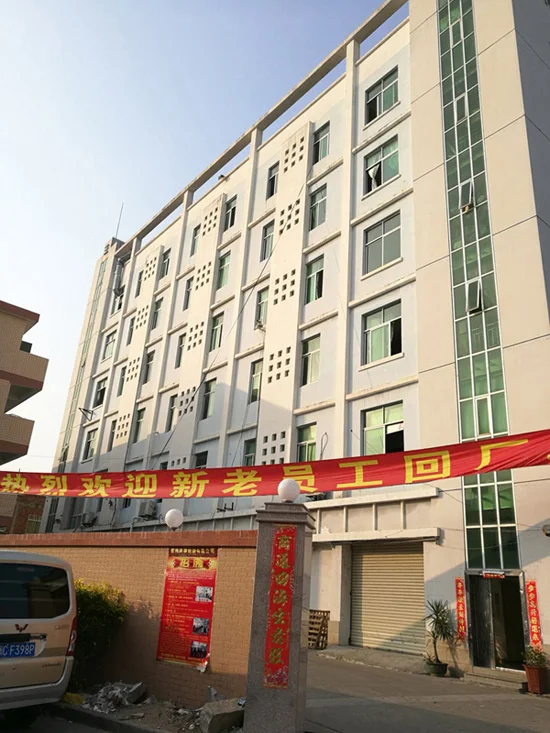
Quanzhou Leadking Bags Co., Ltd.
- Trading Company
- Fujian, China
- Lead time45 days
- Avg. response≤ 5h
Main productsDiaper bags,Laptop bags,Backpack,metal detecting bag,Duffle bags
Main marketsNorth America(35.00%), Eastern Europe(9.00%), Western Europe(7.00%), Southern Europe(5.00%), Domestic Market(5.00%), Central America(5.00%), South America(5.00%), Eastern Asia(5.00%), South Asia(5.00%), Oceania(5.00%), Africa(5.00%), Southeast Asia(5.00%), Northern Europe(2.00%), Mid East(2.00%)
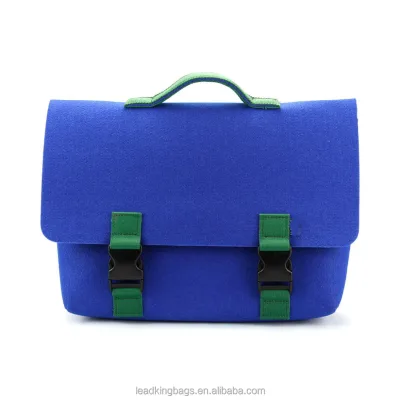
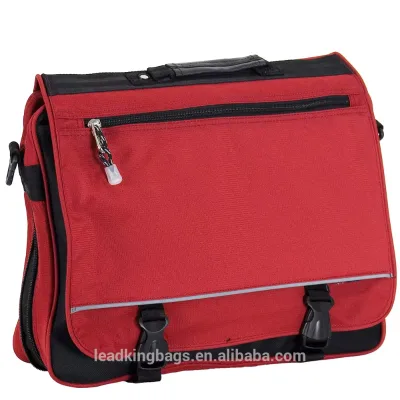
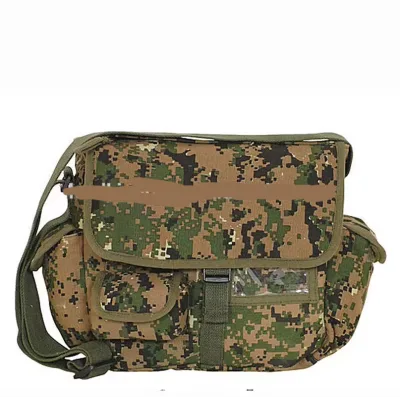
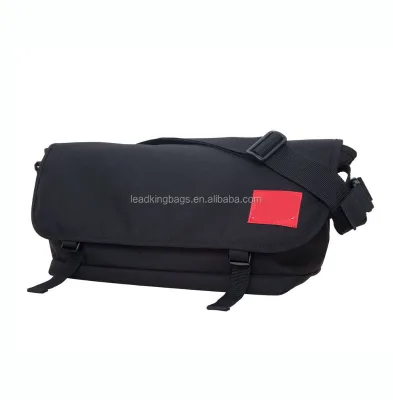
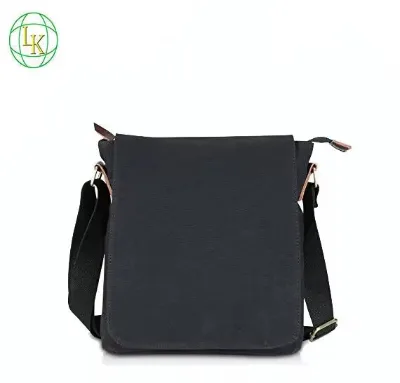
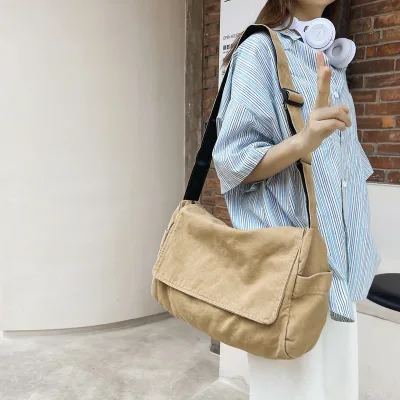
Vintage Cotton Canvas Messenger Bag Shoulder Satchel Small Hiking Traveling
$5.00 - $9.00
MOQ: 500 pieces
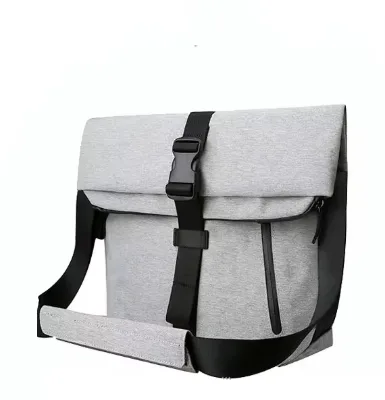
Sturdy Lightweight Casual Daily Crossbody Shoulder Bag 15-Inch Laptop Messenger Bag
$3.00 - $5.50
MOQ: 500 pieces

Xiamen Heanoo Industry and Trade Co., Ltd
- Trading Company
- China Fujian
- Lead time45 days
- Avg. response≤ 3h
Main productsBackpack, School Bag, Travel Bag, Promotion Bag, Laptop Bag, Outdoor Backpack, Waterproof Dry Bag, Sports Backpack, Business Backpack, Tactical Backpack
Main marketsEurope,Australia

Lightweight Crossbody Organizer Casual Shoulder Bag Travel Handbag Daily Tote Messenger Bag
$5.02 - $6.14
MOQ: 500 Pieces

$2.59 - $6.52
MOQ: 500 Pieces

Jinjiang Jiaxing Supply Management Co., Ltd.
- Verified by TUVRHEINLAND
- Trading Company
- China Fujian
- Lead time30 days
- Avg. response≤ 2h
Main productsEVA Clogs, Flip Flop, Shoe Charms, Shopping Bags, Wristbands, Gifts, Promotional Gifts, Slipper, Sport Cap, Ball
Main marketsNorth America

Shenzhen Lebon Handbags Luggage Co., Ltd
- Verified by SGS
- Combined
- China Guangdong
- Lead time30 days
- Avg. response≤ 3h
Main marketsNorth America
Guangzhou Hx Bag & Luggage Co., Ltd.
- Verified by SGS Group
- Manufacturer, Trading Company
- Lead time15 days
- Avg. response≤ 3h
Main productsBackpack, Fanny Pack, Messenger Bag, Cooler Bag, Handbag
Main marketsNorth America(20%), Eastern Europe(16%), Western Europe(16%)
Baoding Jiezhen Luggage Manufacturing Co., Ltd.
- Manufacturer, Trading Company
- Hebei, China
- Lead time15 days
- Avg. response≤ 4h
Main productsTravel bags,Backpacks,Messenger Bags,Custom bag,Handbag
Main marketsNorth America(20.00%), Southeast Asia(15.00%), Africa(15.00%), Central America(10.00%), Southern Europe(7.00%), South America(7.00%), Western Europe(6.00%), Oceania(5.00%), Northern Europe(5.00%), Eastern Europe(5.00%), Mid East(5.00%)
Xiamen Beyond Creative Gifts Co., Ltd.
- Verified by Intertek
- Trading Company
- Lead time15 days
- Avg. response≤ 2h
Main productsPencil Case, School Bag
Main marketsNorth America(35%), Domestic Market(27%), Eastern Europe(10%)
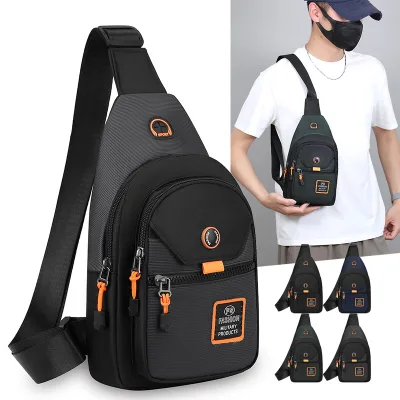
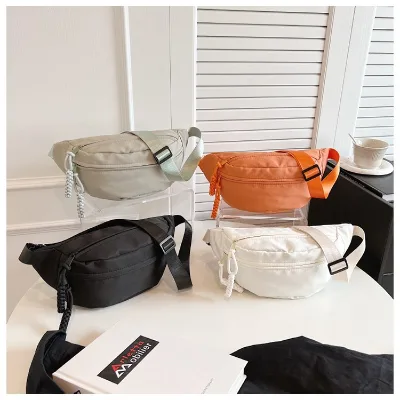
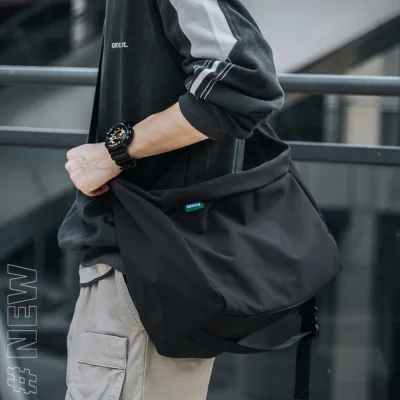
$1.3063 - $2.0253
MOQ: 20 pieces
$3.0454 - $4.5989
MOQ: 10 pieces
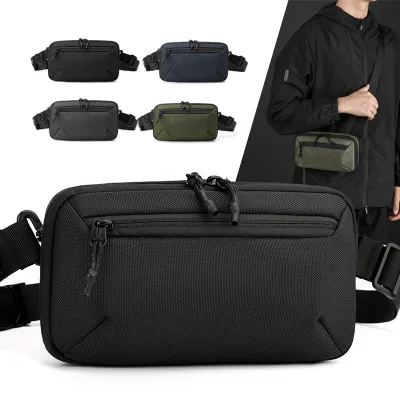
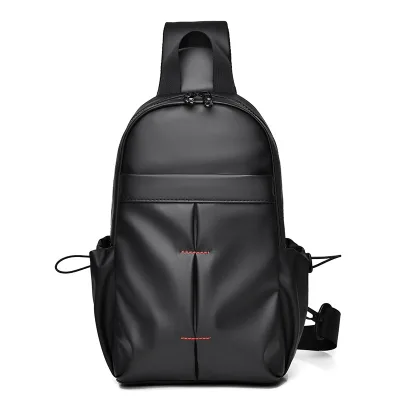
Customized New Men's Waterproof Shoulder Chest Bag Unisex Portable Outdoor Nylon Messenger Bag
$3.6686 - $5.5486
MOQ: 10 pieces

Foshan Yunmaotong International Trade Co., Ltd.
- Trading Company
- China Guangdong
- Lead time0 days
- Avg. response≤ 5h
Main productsWatch, Bag, Shoe, Belt, Perfume, Jewelry
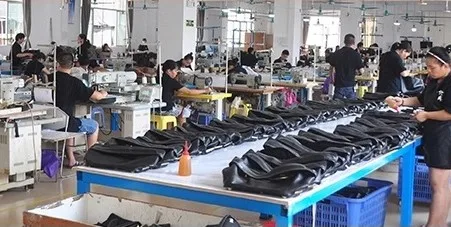
Guangzhou Youbeige Leather Co., Ltd.
- Manufacturer
- Guangdong, China
- Lead time45 days
- Avg. response≤ 14h
Main productsHandbag,Waist Bags,Backpacks,Wallets & Holders,Duffel
Main marketsEastern Asia(30.00%), Mid East(30.00%), Oceania(20.00%), South America(10.00%), North America(10.00%)

QUANZHOU DANKIN IMP AND EXP CO., LTD.
- Manufacturer/Factory
- China Fujian
- Lead time45 days
- Avg. response≤ 3h
Main productsBackpack, Cooler Bag, Tool Bag, Laptop Bag, Gun Bag, Travel Bag, Hiking Bag, Tennis Bag, Running Bag, Diaper Bag
Main marketsSouth America,Eastern Europe,Mid East,North America,Southeast Asia,Eastern Asia,Oceania,Western Europe,Africa


Classic Shoulder Messenger Travel Twopocket Crossbody Casual Lightweight Bag
$3.99 - $5.99
MOQ: 500 Pieces

Guangzhou Lihong Advertising Products Co., Ltd.
- Manufacturer, Trading Company
- Guangdong, China
- Lead time20 days
- Avg. response≤ 2h
Main productsCanvas Backpack,Duffel bag,Garment bag,Laptop backpack,Toiletry bag
Main marketsNorth America(30.00%), Western Europe(20.00%), Mid East(10.00%), Southeast Asia(10.00%), South America(10.00%), Southern Europe(5.00%), Northern Europe(5.00%), Central America(5.00%), Eastern Europe(5.00%)
Anhui Three Six Seven Travel Products Co., Ltd.
- Manufacturer, Trading Company
- Lead time旺季: "1 - 10":14,"> 10":"To be negotiated", 淡季: "1 - 10":14,"> 10":"To be negotiated"
- Avg. response≤ 3h
Main productsBackpack, School Bags, Messenger bags, Women Bags, Fanny pack

- Verified by CTI
- Manufacturer/Factory
- China Fujian
- Lead time23 days
- Avg. response≤ 6h
Main productsTrolley Luggage, Travel Bags, School Bag, Cooler Bag, Special Backpack, Delivery Bag, Picnic Bag, Hunting Bag, Duffel Bag, Rolling Bag
Main marketsMid East,North America,Southeast Asia,Western Europe

2024 Lightweight Design Bags Fashion Shoulder Bag Travel Casual Sports Messenger Bag
$8.99 - $10.99
MOQ: 500 Pieces


Large Crossbody Messenger Bag Business Waterproof Casual 14-Inch Laptop Bag
$4.58 - $6.99
MOQ: 500 Pieces

Zhengzhou Yunguang Technology Co., Ltd.
- Verified by TUVRHEINLAND
- Trading Company
- China Henan
- Lead time30 days
- Avg. response≤ 8h
Main marketsDomestic


$6.38 - $6.68
MOQ: 100 Pieces

Quanzhou Xinxingda Bags Co., Ltd.
- Manufacturer, Trading Company
- Fujian, China
- Lead time15 days
- Avg. response≤ 5h
Main productsBags
Main marketsNorth America(75.00%), Western Europe(10.00%), Oceania(5.00%), Eastern Asia(5.00%), Northern Europe(5.00%)
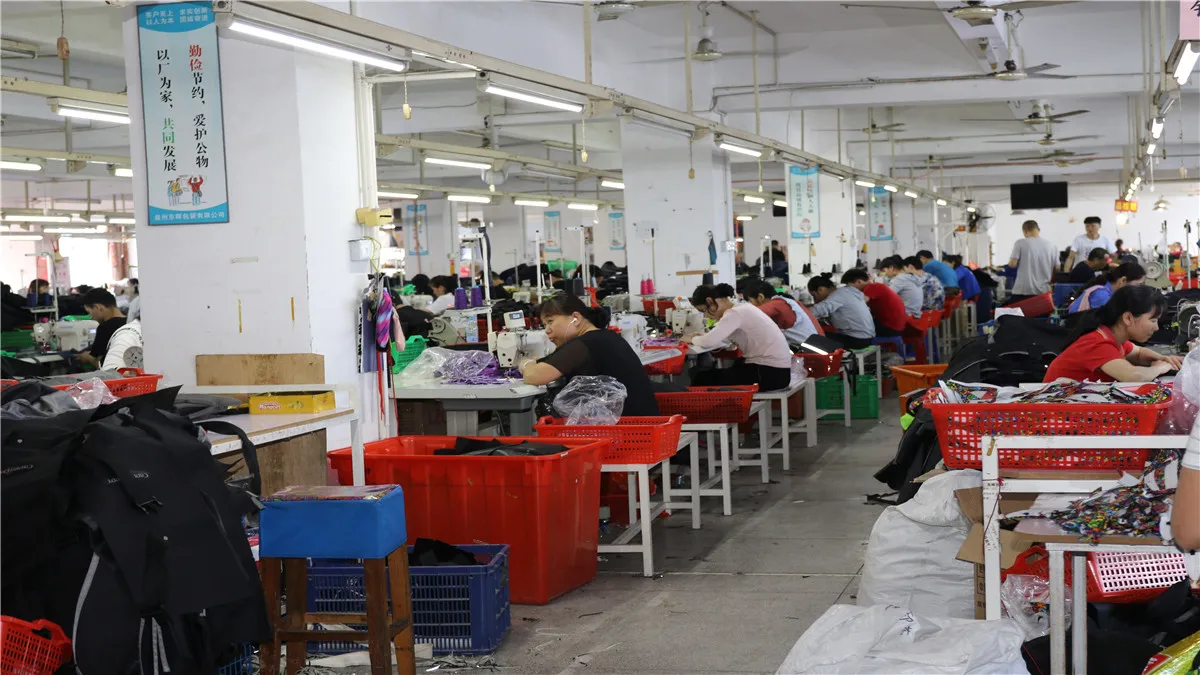
Quanzhou Skysoar Bags Co., Ltd.
- Manufacturer, Trading Company
- Fujian, China
- Lead time45 days
- Avg. response≤ 6h
Main productsBags
Main marketsSouthern Europe(40.00%), North America(40.00%), Eastern Europe(20.00%)
Tianchang Hengda Protective Equipment Co., Ltd.
- Verified by Intertek
- Manufacturer, Trading Company
- Lead time3 days
- Avg. response≤ 2h
Main productsCooler Bags, School Bags, Handbags, Travel Duffel Bag, Cosmetic Bag
Main marketsNorth America(80%), Oceania(5%), Western Europe(5%)

QUANZHOU VEKEDUO SUPPLY CHAIN MANAGEMENT CO.,LTD
- Verified by SGS
- Trading Company
- China Fujian
- Lead time30 days
- Avg. response≤ 7h
Main productsNon-Woven Bags, Apparel, Stationery, Resin Crafts, Stuffed Toys, Sport Products, Textile, Inflatable Toy
Main marketsSoutheast Asia/ Mideast,East Asia(Japan/ South Korea),Europe,North America
Guangzhou Changrong Bags Manufacture Co., Ltd.
- Manufacturer, Trading Company
- Lead time旺季: "1 - 300":30,"301 - 500":35,"501 - 1000":45,"> 1000":"To be negotiated", 淡季: "1 - 300":30,"301 - 500":35,"501 - 1000":45,"> 1000":"To be negotiated"
- Avg. response≤ 5h
Main productsBackpack, Kids Backpack, Women Backpack, Fanny Pack, Duffle Bag

Quanzhou Wuzhou Minstarbags Co., Ltd.
- Verified by SGS
- Trading Company
- China Fujian
- Lead time60 days
- Avg. response≤ 3h
Main marketsSouth America,Southeast Asia/ Mideast,Europe,Australia,North America

Changrun Bag & Case Manufacture Co., Ltd.
- Verified by TUVRHEINLAND
- Combined
- China Guangdong
- Lead time23 days
- Avg. response≤ 4h
Main productsBackpack, Travel Bag, Laptop Bag, Trolley Bag, Cosmetic Bags, Handbag, Duffel Bag, Bag, China Backpack, China Travel Bag
Main marketsDomestic

Shanghai Tuanjue Trading Co., Ltd.
- Trading Company
- China Shanghai
- Lead time0 days
- Avg. response≤ 25h
Main productsLadies' Bag

Jiangxi Jindieli Packaging Co., Ltd.
- Verified by BV
- Combined
- China Jiangxi
- Lead time45 days
- Avg. response≤ 5h
Main productsPerfume Packaging, Customized Packaging
Main marketsSoutheast Asia/ Mideast,Europe








Comprehensive Sourcing Guide
Daily Travel Messenger Bag Supplier Concentration and Factory Types
The current supplier landscape for daily travel messenger bags features a mix of manufacturing entities and trading companies, offering buyers diverse sourcing pathways. Evidence indicates that manufacturers are present, providing direct access to production capabilities, while trading companies facilitate broader product assortments. This dual structure allows purchasers to choose between direct factory engagement for cost efficiency or the logistical support of intermediaries. The presence of both types suggests a mature supply chain where specialization varies by supplier size and focus. Buyers should recognize that manufacturer listings often emphasize production capacity and customization options, whereas trading companies may highlight inventory availability and multi-category sourcing convenience. Understanding this distinction is crucial for aligning supplier selection with specific business needs, whether prioritizing low minimum order quantities or high-volume production consistency.
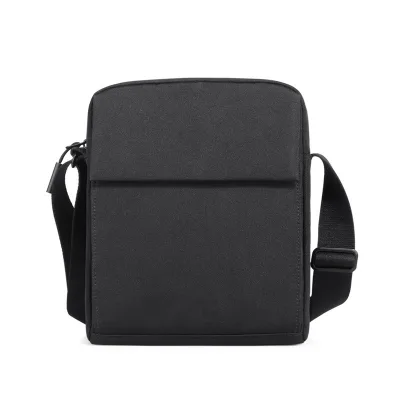
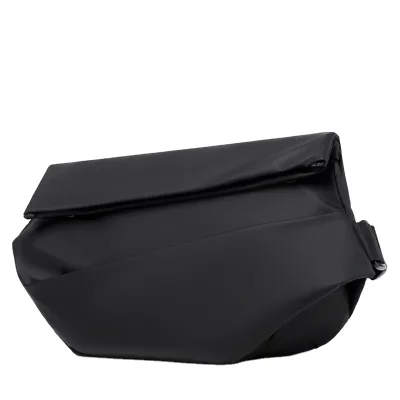
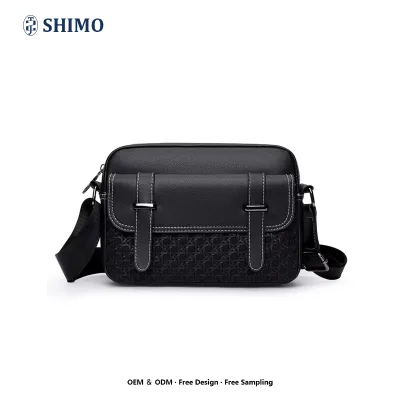
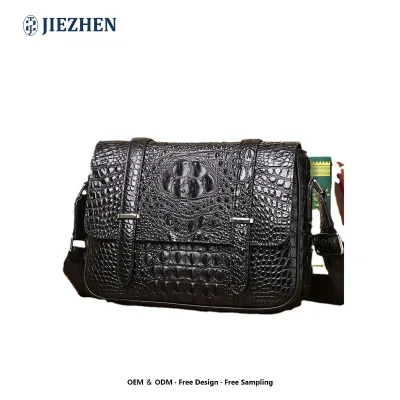
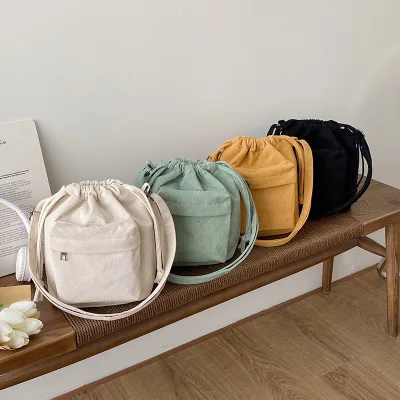
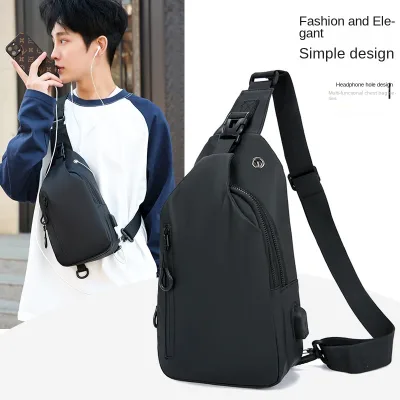
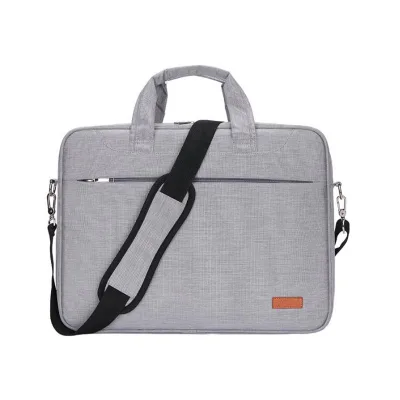
Specific product evidence reveals that suppliers offer a wide range of messenger bag styles, from casual shoulder bags to professional waterproof models. Main products listed include board game bags, golf trunk organizers, and various travel bags, indicating that many suppliers are versatile in their bag manufacturing capabilities. This versatility often stems from shared production lines or flexible factory setups that can switch between different bag types based on demand. For instance, some suppliers list main products that include school bags, cooler bags, and laptop briefcases alongside messenger bags, suggesting a broad expertise in bag construction. This breadth of experience can be beneficial for buyers seeking consistent quality across multiple product lines. However, it also requires careful vetting to ensure that the supplier’s primary focus aligns with the specific technical requirements of daily travel messenger bags, such as durability and compartmentalization.
How to Verify Daily Travel Messenger Bag Suppliers
Verification is a critical step in ensuring supplier reliability and product quality. Current data shows that some suppliers hold TüV Rheinland verification, while others are verified by BV (Bureau Veritas). These third-party certifications provide a baseline level of trust regarding the supplier’s business legitimacy and operational standards. Buyers should prioritize suppliers with these verifications, as they indicate that an independent agency has audited the company’s facilities and processes. Additionally, the presence of specific product certifications, such as SGS, BSCI, CE, and RoHS, offers further assurance of compliance with international safety and ethical standards. These certifications are particularly important for bags intended for professional or educational use, where material safety and labor practices are key concerns.
Beyond verification badges, buyers should assess the supplier’s response time and sample processing capabilities. Data indicates response times ranging from approximately 1.7 to 3 hours, which reflects the supplier’s responsiveness to inquiries. Faster response times often correlate with better customer service and more agile communication during the sourcing process. Furthermore, the availability of sample processing and graphic customization services is a strong indicator of a supplier’s flexibility. Suppliers that explicitly mention OEM and ODM capabilities demonstrate their ability to tailor products to specific brand requirements. Buyers should request samples to evaluate material quality, stitching durability, and functional features like waterproofing or anti-theft mechanisms. This hands-on verification complements the digital verification badges and provides concrete evidence of product suitability.
What to Compare Across Daily Travel Messenger Bag Suppliers
When evaluating multiple suppliers, several key dimensions should be compared to identify the best fit for specific business needs. Lead time is a critical factor, with observed times ranging from 30 to 32 days for production. Buyers must align these lead times with their inventory planning and sales cycles to avoid stockouts or excess inventory. Additionally, minimum order quantities (MOQ) vary, with some suppliers requiring 500 pieces per order. This MOQ threshold can be a significant barrier for small businesses or those testing new markets. Comparing suppliers based on their flexibility in MOQ and lead time can help buyers find partners who offer more favorable terms for their order volume.
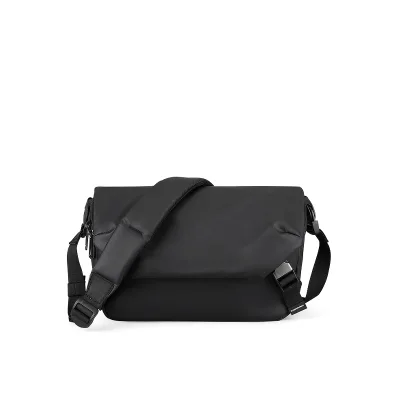
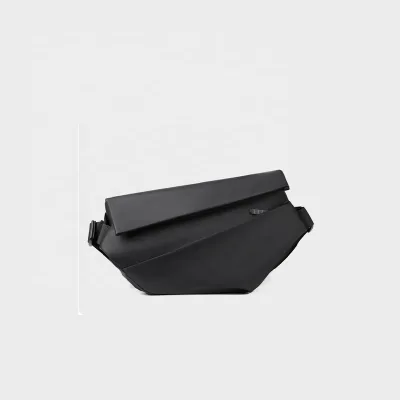
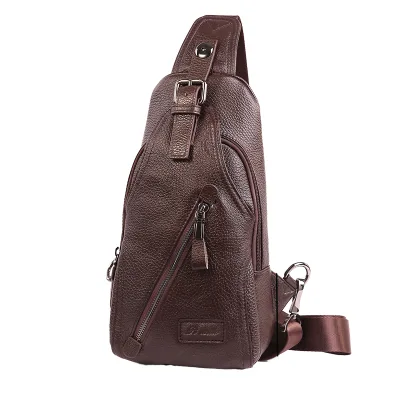
Price and customization options are also essential comparison points. Product prices for messenger bags range from approximately $5.60 to $12.50, depending on materials and features. Suppliers offering canvas, nylon, or leather materials will have different price points, with leather typically commanding a higher price. Buyers should compare not just the unit price but also the cost of customization, such as logo printing or embroidery. Some suppliers offer OEM branding with options for silkscreen printing, embroidery, or rubber patches. Additionally, the availability of customized sizes and colors allows for greater product differentiation. By comparing these variables, buyers can determine which supplier offers the best balance of cost, quality, and customization potential for their target market.
Common Daily Travel Messenger Bag Sourcing Risks
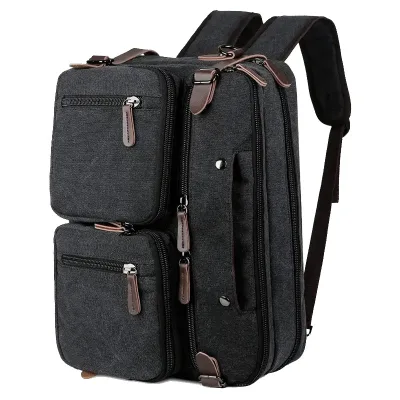
One significant risk in sourcing messenger bags is the variability in material quality and durability. Products are described with features such as "durable," "lightweight," and "waterproof," but these claims must be validated through sample testing. For instance, nylon and canvas materials have different wear characteristics, and buyers must ensure the selected material meets the expected lifespan for daily travel use. There is also a risk associated with customization accuracy, particularly when dealing with OEM orders. Miscommunication regarding logo placement, color matching, or size specifications can lead to production errors and wasted inventory. Buyers should establish clear technical specifications and approve samples before mass production to mitigate this risk.
Another risk is the inconsistency in supplier responsiveness and after-sales support. While some suppliers show fast response times, others may be slower, potentially delaying issue resolution. This is particularly relevant for orders involving complex customization or quality disputes. Additionally, the reliance on third-party logistics can introduce delays or damage risks. Buyers should verify the supplier’s experience in handling international shipping and their policy for damaged goods. The absence of detailed information on some suppliers’ websites regarding return policies or warranty terms can also pose a risk. To mitigate these issues, buyers should conduct thorough due diligence, including checking supplier reviews and requesting detailed contracts that outline responsibilities and remedies for potential problems.
Daily Travel Messenger Bag Regional Sourcing and Logistics
Geographic location plays a role in sourcing strategy, with suppliers located in regions such as Guangdong and Fujian in China. These areas are known for their manufacturing clusters, particularly in the textile and bag industry. Sourcing from these regions can offer advantages in terms of supply chain efficiency and access to raw materials. However, buyers should also consider the logistical implications of shipping from these locations. Proximity to major ports can reduce transit times and costs, but this varies depending on the specific factory location within the province. Buyers should verify the exact location of the supplier’s factory to assess its logistical advantages.
Logistics planning should also account for the weight and dimensions of the products. Product data indicates single package sizes ranging from 36x28x10 cm to 40x30x10 cm, with weights varying from 0.4 kg to 1 kg. These dimensions impact shipping costs, particularly for air freight, where volumetric weight is a key factor. Buyers should calculate the total landed cost, including shipping, duties, and insurance, to determine the true profitability of the product. Additionally, the choice of shipping method, whether sea or air, will depend on the order volume and urgency. Suppliers with experience in international logistics can provide valuable guidance on packaging and documentation to ensure smooth customs clearance and delivery.
Daily Travel Messenger Bag Commercial Terms and Order Planning
Commercial terms such as payment methods and delivery conditions are crucial for successful transactions. Buyers should negotiate clear terms regarding payment milestones, such as deposits and balance payments upon shipment. Understanding the supplier’s preferred payment methods and any associated fees is essential for financial planning. Additionally, delivery terms like FOB (Free on Board) or CIF (Cost, Insurance, and Freight) determine who is responsible for shipping costs and risks. Buyers should choose terms that align with their risk tolerance and logistical capabilities. For new suppliers, starting with smaller orders and secure payment methods can help build trust and minimize financial exposure.
Order planning should also consider the supplier’s production capacity and scalability. While some suppliers list sample processing capabilities, their ability to handle large-volume orders efficiently is a key consideration. Buyers should discuss production schedules and capacity constraints with the supplier to ensure timely delivery. Furthermore, planning for potential delays, such as material shortages or holiday shutdowns, is important for maintaining supply chain continuity. Establishing a long-term relationship with a reliable supplier can provide stability and better terms over time. By carefully managing commercial terms and order planning, buyers can optimize their sourcing strategy and achieve consistent product quality and delivery performance.
FAQs
What is the typical lead time for daily travel messenger bags?
The typical lead time for these bags is around 30 to 32 days. This duration allows manufacturers to process samples and complete graphic customization. Buyers should confirm exact timelines with suppliers, as production schedules may vary based on order volume and specific material requirements.
What is the minimum order quantity for custom messenger bags?
The minimum order quantity is generally 500 pieces. This standard applies to most manufacturers offering OEM and ODM services. Buyers seeking smaller quantities should verify if suppliers accept lower MOQs for sample processing or if they require a higher price per unit for reduced volumes.
What materials are commonly used for durable daily messenger bags?
Common materials include polyester, canvas, and nylon. These fabrics offer durability and lightweight properties suitable for daily use. Some suppliers also provide customized fabric options. Buyers should check product specifications to ensure the material meets their specific needs for weather resistance and aesthetic style.
Are these bags suitable for professional and business use?
Yes, many models are designed for business and professional settings. Features like waterproof nylon and sleek designs make them versatile for office and travel. Suppliers often list applications including business services and daily work. Buyers can select styles that balance functionality with a professional appearance for their needs.
What certifications do these messenger bag suppliers hold?
Suppliers may hold certifications such as SGS, BSCI, CE, and RoHS. Verification services like TüV Rheinland and BV also validate supplier reliability. Buyers should request current certification documents to ensure compliance with international standards. These credentials indicate adherence to quality and ethical manufacturing practices.
How quickly do suppliers typically respond to inquiries?
Response times are typically fast, averaging around 1.7 to 3 hours. Quick responses indicate active supplier engagement and efficient communication channels. Buyers can expect timely updates on pricing and production status. Prompt replies help streamline the sourcing process and facilitate faster decision-making for bulk orders.
What is the price range for wholesale messenger bags?
Prices generally range from $5.60 to $12.50 per unit. The cost varies based on material, customization, and order quantity. Basic polyester models start lower, while leather or specialized features cost more. Buyers should compare quotes from multiple suppliers to find the best value for their specific requirements.