Source Linear Pneumatic Lifting Powder Filler for Cosmetics, Food, and Chemicals
Explore 30 listings for the Linear Pneumatic Lifting Powder Filler, designed for automatic and semi-automatic filling of powders in bottles and cartons. Buyers can compare models like DH-Q2-160 and DCS-3AB503 based on filling speed, weight capacity, and voltage specifications.
Key considerations
Products List


0.1-0.3kg Accuracy Pneumatic Type Automatic Valve Bag Dropping Powder Packer
$11505.00 - $13588.00
MOQ: 1 Pieces


Multi-Functional Vertical Powder Filling Machine for Diverse Applications
$3500.00 - $8500.00
MOQ: 1 Pieces


Comprehensive Sourcing Guide
Strategic Sourcing Guide for Linear Pneumatic Lifting Powder Fillers
The global demand for precision powder handling equipment has driven significant innovation in automated filling systems, with the Linear Pneumatic Lifting Powder Filler emerging as a critical component for industries ranging from pharmaceuticals to food processing. For procurement professionals, understanding the specific mechanics, operational parameters, and compliance requirements of these machines is essential for making informed purchasing decisions. This guide synthesizes available market data and technical observations to provide a comprehensive framework for sourcing these specialized units, ensuring that buyers can navigate the complexities of the supply chain without relying on unverified claims.
Understanding the Mechanical Architecture and Operational Principles
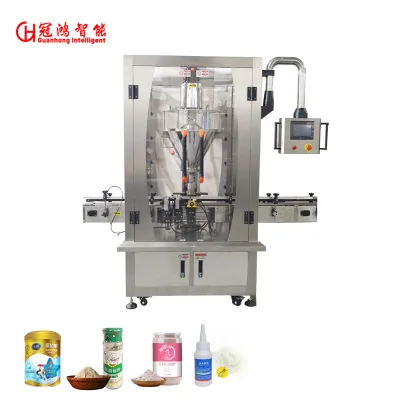
The core functionality of a Linear Pneumatic Lifting Powder Filler relies on a precise interaction between mechanical structure and pneumatic control systems. Unlike rotary filling machines, which utilize a circular motion to process containers, linear systems often employ a straight-line or single-room feeding structure to ensure stability during the filling process. The observed market data indicates that the filling valve head configuration is typically single-head, which suggests a focus on high-precision filling for specific batch sizes rather than high-speed continuous flow.
The lifting mechanism is a defining feature of this equipment category. The packaging container lifting structure is explicitly pneumatic, utilizing compressed air to raise and lower containers onto the filling nozzle. This design minimizes mechanical wear and allows for smooth, adjustable positioning, which is crucial for preventing spillage and ensuring a tight seal during the filling operation. The system operates on an automatic grade, with some models specified as fully automatic, while others function as semi-automatic units. The distinction is vital for production planning; fully automatic models typically integrate seamlessly with conveyor systems, whereas semi-automatic versions may require manual intervention for container placement.
The filling process itself is volumetric, meaning the machine dispenses a specific volume of material rather than weighing it in real-time, although some advanced configurations may integrate weighing modules. The material type handled is predominantly powder, requiring specialized auger mechanisms to prevent clogging and ensure consistent flow. The observed models, such as the DH-Q2-160 and DH-Q1-S160, demonstrate that these machines are engineered to handle a wide range of weights, from 1 gram up to 5000 grams, depending on the specific configuration and the nature of the powder being processed.
Technical Specifications and Performance Parameters
When evaluating a Linear Pneumatic Lifting Powder Filler, buyers must scrutinize the technical specifications to ensure alignment with their production capacity and product requirements. The power consumption and voltage requirements are critical infrastructure considerations. Data from available listings shows a variance in power ratings, with some units operating at 0.75kw, others at 1.1kw, and larger industrial models reaching 2.5kw. The voltage specifications are equally diverse, ranging from single-phase 220V 50Hz to three-phase AC380V/220V 50Hz. Procurement teams must verify the electrical infrastructure at their facility before ordering to avoid costly retrofitting.
Filling speed is another paramount metric. The observed data indicates a filling speed range of 5kg/Min to 30kg/Min, with reclaiming speeds potentially reaching up to 50kg/Min. These figures are highly dependent on the viscosity and flow characteristics of the specific powder being filled. For instance, a machine rated for 10-5000g filling capacity may operate at a slower speed to maintain precision, while a unit designed for 1-2000g might prioritize speed over absolute precision. The clamping diameter, observed in the range of 90-180mm, dictates the size of the bottles or containers the machine can accommodate, necessitating a thorough review of the buyer's packaging inventory.
The physical dimensions and weight of the machinery are also significant factors for logistics and facility planning. The overall size of these units can vary dramatically, with some compact models measuring 400mm800mm1350mm, while larger industrial units may occupy a volume of 1500X1000X1900mm. The gross weight and net weight also fluctuate; observed values include a gross weight of 110kg and a net weight of 700kg for one configuration, while another shows a gross weight of 650kg and a net weight of 580kg. These discrepancies highlight the importance of verifying the specific model's datasheet, as the weight impacts shipping costs and floor load requirements. Additionally, the air pressure source requirement must be confirmed, as these pneumatic systems typically require a consistent supply of compressed air to function correctly.
Compliance, Certification, and Safety Standards
In the B2B procurement of industrial machinery, compliance with international and regional standards is non-negotiable. The safety and reliability of the equipment are often validated through specific certifications. The available data explicitly mentions the CE standard for certain models, indicating that these units meet the essential health, safety, and environmental protection requirements for products sold within the European Economic Area. However, buyers should not assume that all listed products carry this certification without verification, as the market contains a mix of certified and non-certified units.
Beyond the CE mark, the structural integrity and operational safety of the machine are governed by various industrial standards. The packaging standards for shipping, such as plywood wooden cartons or standard cartons, are also part of the compliance picture, ensuring the machine arrives without damage. The origin of the products is predominantly China, with specific mentions of Zhejiang as a manufacturing hub. While this provides insight into the supply chain geography, it does not inherently guarantee quality. Buyers must request proof of certification and safety test results directly from the supplier.
It is also crucial to verify the nitrogen filling pressure capabilities, which are observed in the range of 1.2-1.5MPa for certain models. This specification is relevant for applications requiring inert gas flushing to prevent oxidation or contamination. The precision of the filling process is another area where standards apply; observed data notes a filling precision of 1kg<=0.02, which implies a specific tolerance level that must be maintained for regulatory compliance in industries like pharmaceuticals. Procurement teams should insist on documentation that validates these precision claims through third-party testing or internal quality control logs.
Cost Drivers and Pricing Dynamics
The pricing of linear pneumatic lifting powder fillers is influenced by a complex interplay of factors, including automation level, material construction, and customization options. The observed listed price range in the market is vast, spanning from 1 USD to 50,000 USD. This extreme variance suggests that the "1 USD" figure likely represents a component, a deposit, or a listing error rather than the full machine cost, while the higher end reflects fully automated, high-capacity systems with advanced features. Buyers should approach price quotes with a critical eye, ensuring that the figure includes the full scope of the machine, installation, and initial training.
Material costs play a significant role in the final price. The packaging material is listed as plastic, and the product itself is constructed from materials suitable for handling powders, which often requires stainless steel or high-grade alloys to prevent corrosion and contamination. The customization availability is a key cost driver; machines that can be tailored to specific container sizes, filling speeds, or control interfaces will command a premium. The automatic grade, whether semi-automatic or fully automatic, also dictates the price, with fully automatic systems generally costing more due to the complexity of their control systems and integration capabilities.
Furthermore, the gross and net weights of the machine directly impact shipping and logistics costs. Heavier units, such as those with a gross weight of 650kg, will incur higher freight charges compared to lighter models weighing 110kg. The packaging type, whether a wooden carton or a standard carton, also affects shipping volume and cost. Buyers should request a detailed breakdown of costs, including the machine price, packaging, shipping, and any potential duties or taxes, to avoid hidden expenses that could inflate the total cost of ownership.
Supplier Evaluation and Quality Assurance Protocols
Selecting the right supplier is as critical as selecting the right machine. Given the concentration of manufacturing in regions like Zhejiang, China, buyers have access to a large pool of potential suppliers. However, the diversity in product models, such as the DH-Q2-160, DH-Q1-S160, and DCS-3AB503, indicates that not all suppliers offer the same level of quality or technical expertise. Buyers should evaluate suppliers based on their ability to provide detailed technical documentation, including wiring diagrams, pneumatic schematics, and maintenance manuals.
Quality control should be a central part of the supplier evaluation process. Buyers must inquire about the supplier's internal quality assurance protocols, including how they test filling precision, air pressure stability, and mechanical durability. The observed data mentions specific models with defined weights and power ratings, but these are observations, not guarantees of performance for every unit. Therefore, requesting a factory audit or a video demonstration of the machine in operation is highly recommended. This allows the buyer to verify the claims regarding the single-head filling valve, the pneumatic lifting structure, and the overall build quality.
Additionally, the supplier's ability to support the machine post-purchase is a vital consideration. This includes the availability of spare parts, the responsiveness of technical support, and the provision of training for the buyer's staff. The presence of a specific model number, such as HT-Dry powder filler, suggests that the supplier may have a dedicated line for dry powder applications, which could be a positive indicator of their specialization. Buyers should also check the supplier's track record in handling similar industries, as the requirements for filling food-grade powders differ significantly from those for industrial chemicals or pharmaceuticals.
Long-Term Procurement and Operational Considerations
The decision to purchase a Linear Pneumatic Lifting Powder Filler is a long-term investment that extends beyond the initial transaction. Buyers must consider the total cost of ownership, which includes energy consumption, maintenance, and potential downtime. The power ratings observed, ranging from 0.75kw to 2.5kw, will have a direct impact on the facility's energy bills. In high-volume production environments, even small differences in power efficiency can accumulate into significant costs over time.
Maintenance is another critical factor. The pneumatic lifting structure and the auger filling mechanism are subject to wear and tear. Buyers should ensure that the supplier provides a comprehensive maintenance schedule and that spare parts, such as seals, valves, and auger components, are readily available. The observed data indicates that the machine uses an air pressure source, which requires regular monitoring of the compressed air supply to ensure consistent performance. Any fluctuations in air pressure can affect the filling precision and the lifting mechanism's stability.
Finally, the scalability of the machine should be considered. As production needs grow, the buyer may need to upgrade to a higher capacity model or add additional units. The flexibility of the machine to handle different container sizes, as indicated by the clamping diameter range of 90-180mm, is a valuable feature for future-proofing the investment. By carefully evaluating the technical specifications, compliance standards, and supplier capabilities, buyers can secure a Linear Pneumatic Lifting Powder Filler that meets their current needs while providing the flexibility to adapt to future challenges.
FAQs
What is the filling speed range for these machines?
The filling speed ranges from 5kg per minute to 30kg per minute depending on the specific model configuration. Some units also feature a reclaiming speed of up to 50kg per minute to optimize material handling efficiency during operation.
Which certification standards are available for these fillers?
Some models explicitly meet the CE standard for safety and environmental protection. Buyers should verify specific certification documents for each unit as not all listed products may carry this certification without direct confirmation from the supplier.
Can the machine handle different bottle clamping diameters?
Yes, the clamping diameter range spans from 90mm to 180mm to accommodate various container sizes. This flexibility allows the machine to process different packaging dimensions without requiring immediate hardware modifications for standard bottle types.
How does the lifting mechanism operate on this equipment?
The packaging container lifting structure utilizes a pneumatic system to raise and lower containers onto the filling nozzle. This design minimizes mechanical wear and ensures smooth, adjustable positioning to prevent spillage and maintain a tight seal during filling.
What is the power consumption for the industrial models?
Power ratings vary significantly, with some units operating at 0.75kw, others at 1.1kw, and larger industrial models reaching 2.5kw. Voltage requirements also differ, ranging from 220V to AC380V/220V at 50Hz depending on the specific configuration.
Is customization available for these powder filling machines?
Customization is available to tailor the machine to specific production needs or container requirements. Buyers should confirm the scope of customization options with the supplier, as this feature can influence the final pricing and lead time for the order.