Source Lingerie Set for Women, Men, and Events
Explore 30 available Lingerie Set options featuring varied styles like floral, plain dyed, and knitted designs. Buyers can compare specifications including materials, sizes, and customization availability to find suitable suppliers for global markets; compare the available evidence and request quotations based on your requirements.
Key considerations
Products List


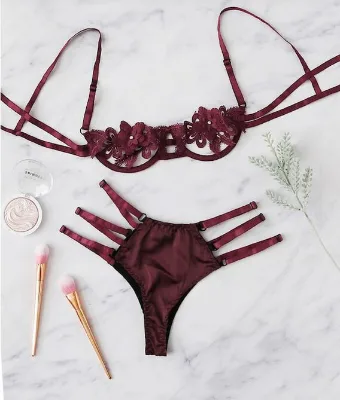


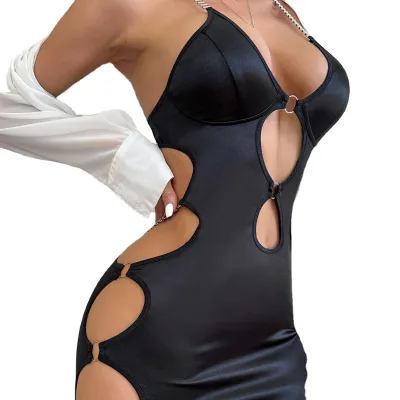



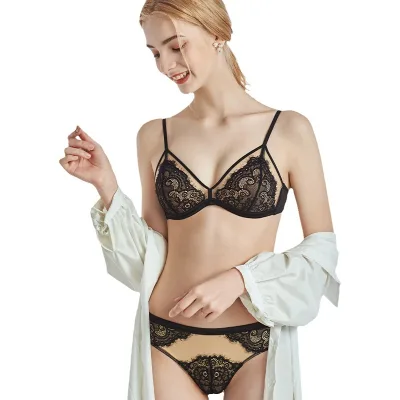
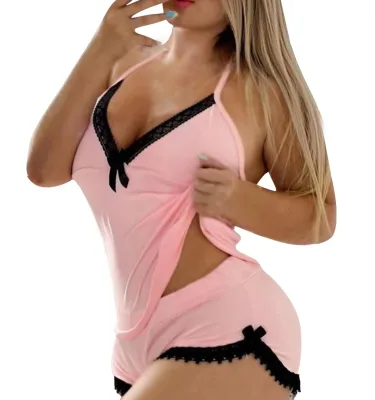


Comprehensive Sourcing Guide
Lingerie Set Sourcing Guide
Sourcing lingerie sets requires a nuanced understanding of both aesthetic preferences and functional performance, as these garments sit at the intersection of fashion and intimate apparel. Buyers must navigate a diverse market where product attributes vary significantly, from fabric composition to structural support features. The observed data indicates a wide range of models, such as the 2512201930 and GH22031, suggesting that suppliers offer distinct SKUs rather than a single generic item. This diversity necessitates a rigorous verification process to ensure that the selected Lingerie Set aligns with the target demographic’s expectations for fit, comfort, and style.
Furthermore, the supply chain for lingerie sets is characterized by rapid turnover and high sensitivity to seasonal trends. With observed delivery times as short as four to seven days for certain items, buyers must balance speed with quality assurance. The presence of in-stock items alongside custom manufacturing options, indicated by available customization services, allows for flexible procurement strategies. However, this flexibility comes with the responsibility of verifying that rapid production cycles do not compromise material integrity or stitching quality, which are critical for customer satisfaction in this sensitive product category.
Product Scope and Observed Listing Signals
The current market landscape for lingerie sets reveals a broad spectrum of design elements and functional attributes that buyers must evaluate. Observed listings highlight specific technical details, such as plain dyed floral patterns and spaghetti strap or sleeveless styles, which cater to diverse aesthetic preferences. Additionally, structural features like underwire support, three-quarter cup shapes, and push-up enhancements indicate a focus on both comfort and silhouette enhancement. These signals suggest that suppliers are targeting consumers who prioritize specific fit characteristics, requiring buyers to carefully match product specifications with their brand’s identity and customer expectations.
Material composition and packaging details also play a crucial role in defining the product scope. Listings indicate the use of polyester and spandex blends, which offer elasticity and durability, while packaging ranges from individual OPP bags to carton shipments. The presence of shapewear elements, such as bodysuits with light control levels, expands the scope beyond traditional lingerie to include body-contouring solutions. Buyers should note that while some items are marked as in-stock, others may require custom orders, impacting inventory planning and cash flow. Understanding these variations is essential for developing a coherent product assortment that meets market demands without overcommitting to slow-moving stock.
Technical Specifications to Verify
Verifying technical specifications is paramount to ensuring that lingerie sets meet quality and performance standards. Buyers must confirm critical attributes such as bra strap types, cup shapes, and support mechanisms, as these directly impact fit and customer satisfaction. For instance, fixed bra straps versus adjustable ones, or the presence of underwire versus wireless designs, require precise alignment with product descriptions. Additionally, thickness levels and slip types, such as bodysuits or other variations, must be validated against physical samples to ensure that the final product matches the advertised specifications. Discrepancies in these details can lead to high return rates and damage brand reputation.
Fabric properties and construction techniques also demand close scrutiny. The observed use of knitted and plain dyed techniques suggests variations in texture and durability that buyers should assess through tactile evaluation. Standard sizes like S, M, L, and XL must be verified for consistency across batches, as sizing inconsistencies are a common pain point in lingerie procurement. Furthermore, details such as single package dimensions and weight, observed at 18x5x2 cm for certain sets, are critical for logistics planning and cost estimation. Buyers should insist on detailed spec sheets that include measurements, fabric composition percentages, and care instructions to minimize ambiguity and ensure accurate product representation.
Compliance and Safety Documentation
Compliance and safety documentation are non-negotiable elements in the lingerie sourcing process, given the intimate nature of the product. Buyers must ensure that suppliers provide relevant certifications, such as SGS or CE, which indicate adherence to specific quality and safety standards. While some listings mention OEKO-TEX or REACH, these should be treated as background information rather than confirmed certifications until verified through official documentation. It is crucial to request test reports that confirm the absence of harmful substances, particularly in fabrics that come into direct contact with sensitive skin, to mitigate health risks and regulatory liabilities.
Additionally, buyers should verify that suppliers adhere to international labor and environmental standards, which are increasingly important to consumers and regulators alike. Documentation should include proof of ethical manufacturing practices, ensuring that the supply chain is free from forced labor and unsafe working conditions. While specific standards like OEKO-TEX are mentioned in background data, buyers must actively seek out current, valid certificates for each production batch. This due diligence not only protects the brand from legal repercussions but also enhances consumer trust, as transparency in safety and compliance is a growing expectation in the global apparel market.
Cost Drivers and Commercial Terms
Understanding the cost drivers and commercial terms is essential for maintaining profitability in Lingerie Set procurement. The observed price range of 1.8 to 20 USD indicates significant variation based on factors such as material quality, design complexity, and order volume. Buyers must analyze how these variables impact the final unit cost, particularly when considering customizations or specialized features like push-up padding or lace detailing. Minimum order quantities (MOQs) ranging from 1 to 3000 units further influence pricing, with larger orders typically benefiting from economies of scale. However, buyers should be cautious of low MOQs that may come with higher per-unit costs or limited customization options.
Commercial terms, including delivery times and payment conditions, also play a critical role in cost management. Observed delivery times of four to seven days for certain items suggest that expedited shipping may incur additional costs, which buyers must factor into their budgeting. Furthermore, the availability of in-stock items versus custom manufacturing affects lead times and inventory holding costs. Buyers should negotiate clear terms regarding sample orders, as some suppliers may not support sample production, impacting the ability to evaluate quality before committing to large orders. Transparent communication about these terms helps avoid unexpected expenses and ensures a smoother procurement process.
Supplier Qualification and Quality Control
Supplier qualification and quality control are foundational to successful Lingerie Set sourcing, requiring a multi-layered verification approach. Buyers should assess suppliers based on their production capabilities, quality management systems, and track record in the intimate apparel sector. Given the observed origins in regions like Guangdong and Zhejiang, buyers must verify that suppliers have the infrastructure to handle complex designs and tight tolerances. Quality control measures should include pre-production samples, in-line inspections, and final random inspections to ensure that products meet specified standards. This rigorous approach helps identify potential issues early, reducing the risk of defective shipments and costly returns.
Moreover, buyers should evaluate suppliers’ responsiveness and communication skills, as these factors significantly impact the procurement experience. Suppliers who provide detailed product information, such as model numbers (e.g., GH21116, cs21249) and clear packaging details, demonstrate a higher level of professionalism and attention to detail. Buyers should also consider the supplier’s ability to handle customization requests, as indicated by the available customization services. Establishing a strong relationship with qualified suppliers ensures consistent quality and reliable delivery, which are critical for maintaining brand integrity and customer satisfaction in the competitive lingerie market.
Long-Term Procurement Checks
Long-term procurement checks involve continuous monitoring and evaluation of supplier performance and market trends to ensure sustained success. Buyers should regularly review supplier metrics, such as on-time delivery rates, defect rates, and responsiveness to issues, to identify areas for improvement. Additionally, staying informed about emerging trends in lingerie design, such as new fabric technologies or shifting consumer preferences for sustainable materials, allows buyers to adapt their sourcing strategies proactively. This ongoing vigilance helps maintain a competitive edge and ensures that the product assortment remains relevant and appealing to target customers.
Furthermore, buyers should periodically reassess their supplier base to ensure diversity and resilience in the supply chain. Relying on a single supplier or region can pose risks, so diversifying sources across different locations, such as China’s Guangdong and Zhejiang provinces, can mitigate potential disruptions. Regular audits and performance reviews help maintain high standards and encourage suppliers to continuously improve their processes. By implementing these long-term checks, buyers can build a robust and adaptable sourcing strategy that supports growth and minimizes risks in the dynamic lingerie market.
FAQs
What customization options are available for lingerie sets?
Customization is available for these lingerie sets, allowing buyers to tailor specific attributes to their needs. The products feature plain dyed techniques and floral patterns, with options for single or mixed colors. Buyers can select from various sleeve styles, including spaghetti straps, sleeveless, and strapless designs, ensuring the final product matches their specific design requirements and market preferences.
What are the standard packaging details for these lingerie sets?
The standard packaging for these lingerie sets involves individual OPP bag packing for each set, ensuring protection during transit. These individual units are then packed into cartons for bulk shipping. Some items may also utilize polybags within the carton structure. This method ensures that the polyester and spandex materials remain clean and undamaged until they reach the final destination.
Can I order small quantities of lingerie sets from stock?
Yes, you can order small quantities as many items are listed as in-stock items with quantities available. The minimum order quantity varies, with some listings starting at just one unit, while others may require ten sets. This flexibility allows buyers to test the market or fulfill small orders without committing to large bulk purchases, leveraging the global market availability.
What materials are used in these lingerie sets?
These lingerie sets are primarily constructed from a blend of polyester and spandex. This material combination offers comfort, softness, and breathability, which are highlighted as special features. The fabric supports various styles, including magic push-up designs with underwire support and three-quarter cup shapes, ensuring durability and a flattering fit for women seeking stylish and functional intimate apparel.
What certifications do these lingerie sets meet?
The products meet specific industry standards, with some items certified under SGS and CE standards. These certifications indicate compliance with certain quality and safety requirements. Buyers can verify the specific standard associated with each model number, such as GH22031 or GH21116, to ensure the lingerie sets align with their regulatory needs and quality expectations for the global market.
How long is the delivery time for sample orders?
Delivery times vary depending on the specific product and supplier. Some items have a delivery time of about four to seven days, while others may not support sample orders at all, requiring a seven-day sample order lead time that is not supported. Buyers should check the specific model details to understand the exact timeline for receiving their lingerie sets.